How to Plant, Grow, and Care for Purple Love Grass
Eragrostis spectabilis, the purple love grass, is a native grass in North America with beautiful flowers. It's a great addition to any garden that doesn't require much attention to thrive. Epic Gardening founder Kevin Espiritu explains everything you need to know about this native grass.

Contents
Eragrostis spectabilis plays an important role in habitat remediation and water conservation. Preserving natural ecology and resources has become a major focus for many gardeners today, and this perennial grass offers a simple way to support those efforts at home.
Another compelling reason to plant a native short grass like Eragrostis spectabilis is erosion control. Prairie and plains grasses help reduce flooding because their deep roots hold water and release it gradually, preventing runoff that can wash away soil and settle in flood plains.
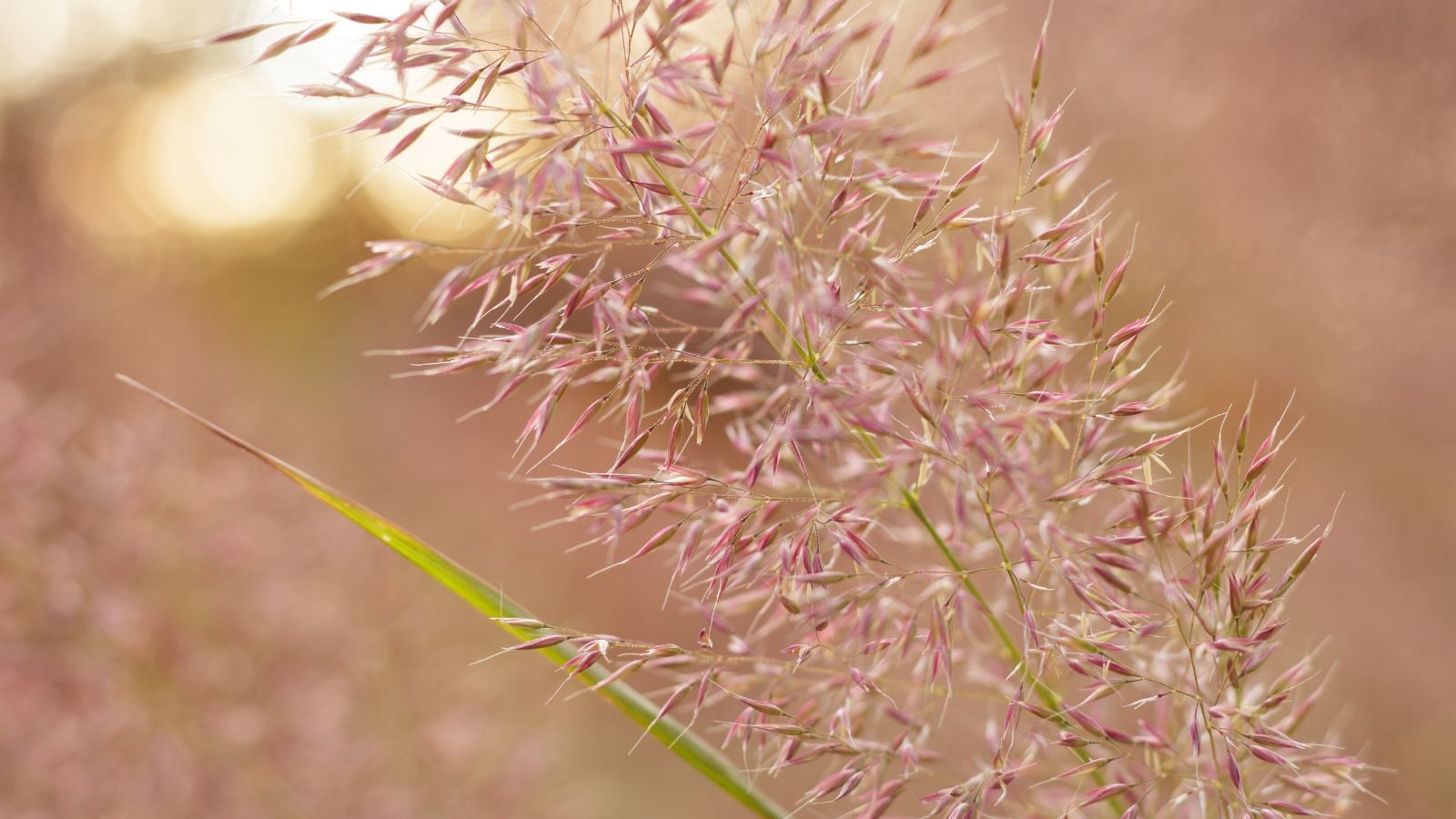
Beyond its practical advantages, Eragrostis spectabilis, known as purple love grass, adds beauty to any garden prone to flooding or designed with water-wise principles in mind. Its summer flowers create soft reddish purple clouds, and the blooms are just as striking when dried for arrangements.
This easygoing grass also supports pollinators, making it a valuable addition to any landscape.
Quick Care

|
Common Name(s)
Purple love grass, tumble grass, petticoat climber, purple plains lovegrass
Scientific Name
Eragrostis spectabilis
Family
Poaceae
Height & Spread
2 feet tall and 2 to 3 feet wide
|
Light
Full sun
Soil
Infertile, dry, sandy, or gravelly well-draining soil
Water
Moist to dry soil; needs regular irrigation upon establishment
Pests & Diseases
Aphids, spittlebugs, leaf spot
|
All About Eragrostis spectabilis
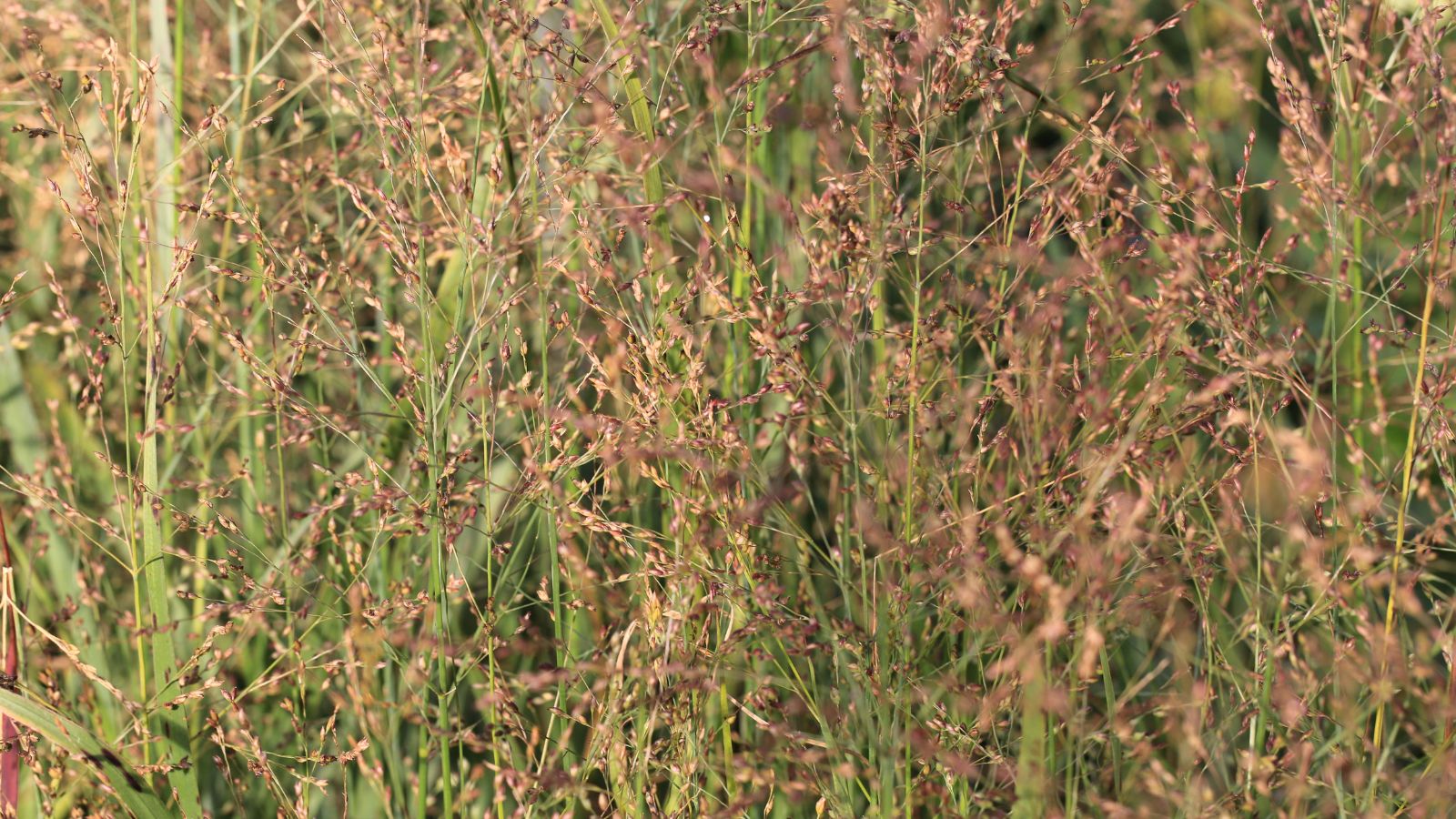
Eragrostis spectabilis is a grass known commonly as purple love grass, tumblegrass, petticoat climber, and purple plains love grass. It is native to 41 states in America and has naturalized in many parts of North America, including California, Montana, and regions of Mexico.
While this perennial grass may not seem short to most homeowners when compared to Bermuda or St. Augustine, it is considered a short grass in botanical terms. Reaching up to two feet tall, Eragrostis spectabilis often grows in stands along disturbed sandy areas, limestone glades, upland savannas, sandy savannas, hill prairies, and sand prairies.
Purple lovegrass works beautifully in perennial borders and screens and also makes an excellent liner for sandy paths throughout the year. Both live and dried foliage add striking texture to the garden and attract a range of beneficial insects and wildlife. It serves as a host plant for Zabulon skipper butterfly larvae and provides nesting material and food for ground-dwelling birds.
Characteristics
This warm-season member of the grass family Poaceae has long, slender leaf blades and a softly mounding habit. In early spring, new growth appears light greenish blue. As autumn arrives, the blades shift to reddish tones and eventually fade to the soft gold typical of winter.
Eragrostis spectabilis is sometimes called purple haze because of its summer flowers, which bloom in individual spikelets. As the flowers fade, the seeds begin to form. They overwinter naturally, germinating the following spring and allowing fresh growth to emerge. Bloom time typically stretches from late summer into mid-fall.
Because this species is clump-forming, it spreads slowly once established in its native habitat and behaves the same way in the garden. The purple flowering grass is ideal for meadows planted with native species that support wildlife. It also looks striking in gravelly areas or any site with well-drained soil.
It should not be confused with Eragrostis lehmanniana (Lehmann lovegrass) or Eragrostis curvula (weeping lovegrass). Both are invasive and lack the distinctive purple flowers that set E. spectabilis apart.
This species acquired the name petticoat climber because it often snagged on women’s petticoats in the Middle Ages. Another common name, tumblegrass, refers to its ability to detach and roll across open ground much like a tumbleweed.
How to Grow
Now that we’ve made some distinctions about how purple lovegrass grows and which of its relatives are invasive, we can look at how to care for it. You’ll find it doesn’t need much attention, since it thrives in sandy or gravelly soil.
Light
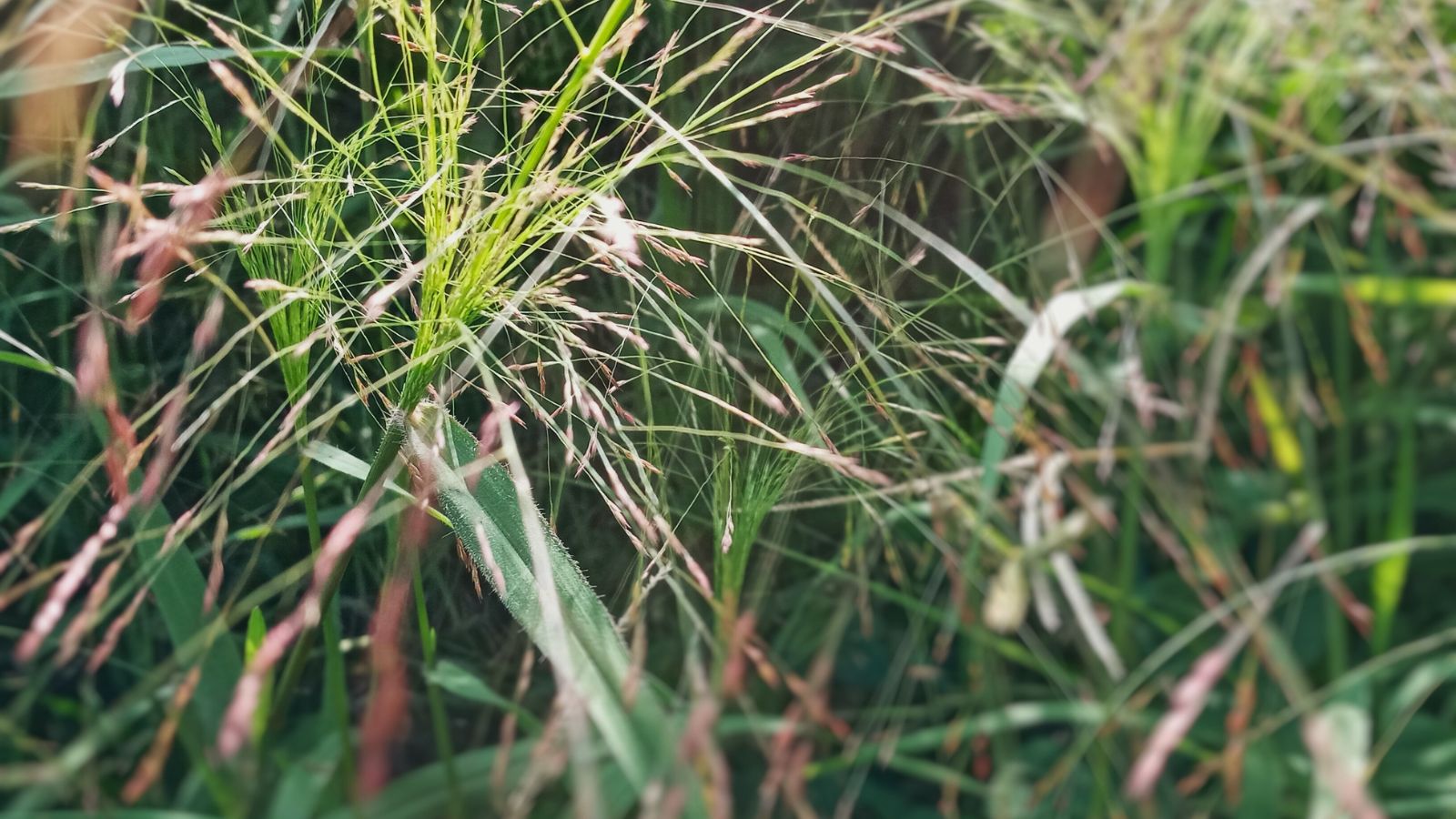
Like most members of the grass family, this species needs mostly full sun. Plant purple lovegrass in a spot that receives six to eight hours of direct sunlight. Light afternoon shade is fine. Warm regions suit this native grass best, although freezing weather is not a problem.
Water
If you plant a stand of lovegrass, water it slowly and deeply a couple of times a week to help the roots establish in the ground. After that, regular watering is unnecessary. Eragrostis spectabilis naturally prefers dry sites such as limestone glades and gravelly roadsides, so low soil moisture is not a concern.
Native grasses are often planted on floodplains to assist with erosion control. The short rhizomes of these plants hold water below the surface with no trouble.
Soil

We have touched on this throughout this piece, but the Eragrostis spectabilis species has a wide tolerance for soil types. Sandy or gravelly soil is ideal for purple lovegrass, since well-drained conditions are essential. Rich soil or well-drained clay can also work.
If needed, you can amend the soil with agricultural sand such as glauconite greensand or native sand to improve drainage. Just avoid using too much greensand, since excess amounts can limit a plant’s ability to absorb nutrients.
Temperature and Humidity
Purple lovegrass can handle the intense Texas heat in late summer, tolerating temperatures up to 120°F (49°C). It also withstands winter lows in the single digits. The grass blades will die back at that point, but this is not an issue. The roots remain protected beneath the soil, and the dormant foliage still offers valuable habitat for ground-dwelling and foraging birds.
Lovegrass grows across a wide hardiness range in North America, from zone 5 through 9. It often performs well outside this range too, although it may behave as an annual.
Humidity is not a problem. Gardeners in salty coastal climates often find these plants thriving. While transplants and newly seeded plants benefit from some protection, established clumps of lovegrass are remarkably resilient.
Fertilizing
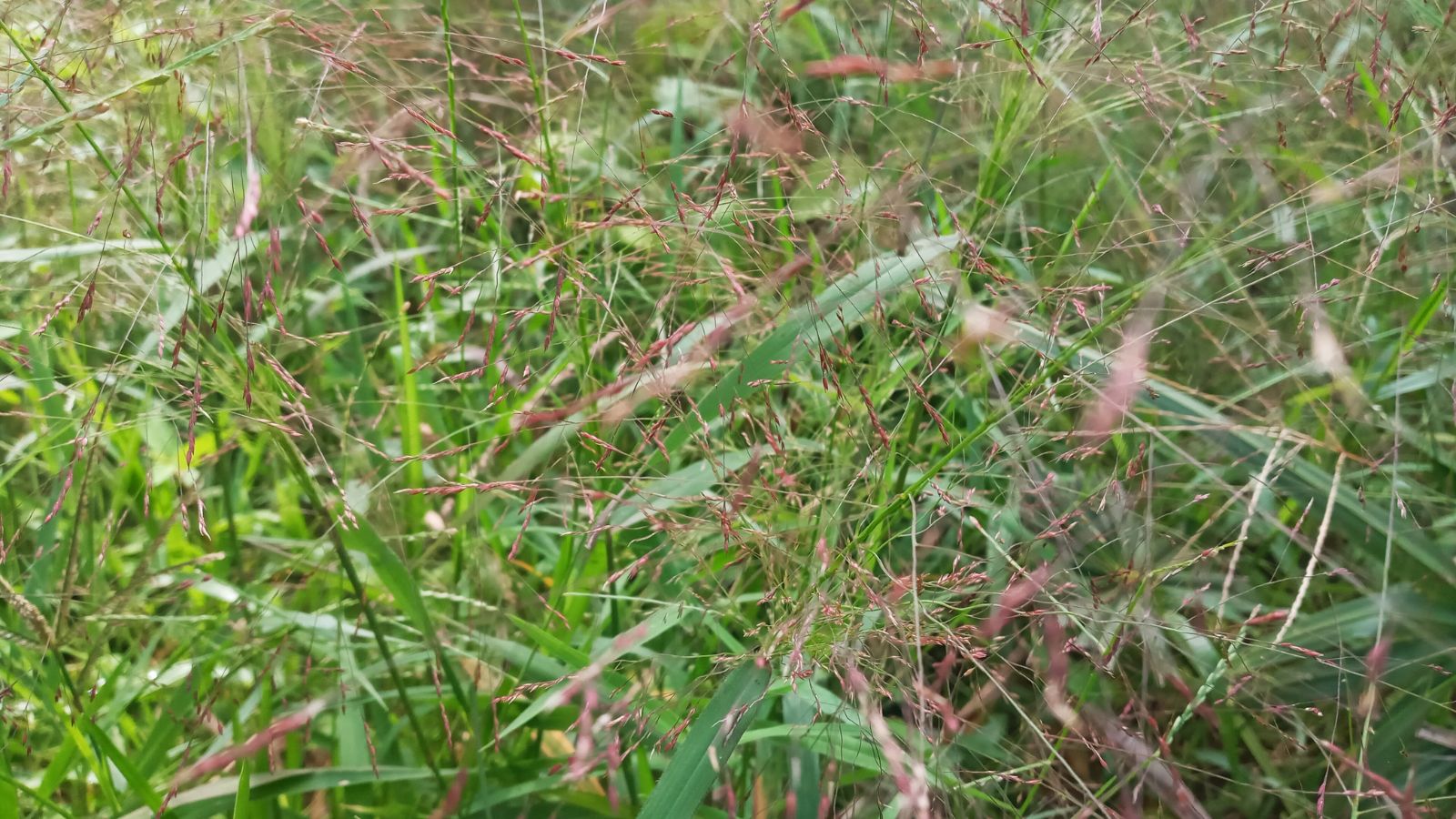
Eragrostis spectabilis does not need fertilizer. In the wild, it grows naturally in sandy or gravelly soil, upland savannas, and the sandy soils of salty coasts. Purple plains lovegrass thrives in disturbed, well-drained sites and is tough enough to compete with invasive species. It performs well in both rich meadows and poor soil conditions.
However, giving the plant a high nitrogen fertilizer at establishment can help promote early growth. To avoid burning the roots, dilute a full-spectrum liquid fertilizer and apply it at the base of the plant. This approach encourages strong basal leaf development, which supports better flowering later in the summer season.
Pruning
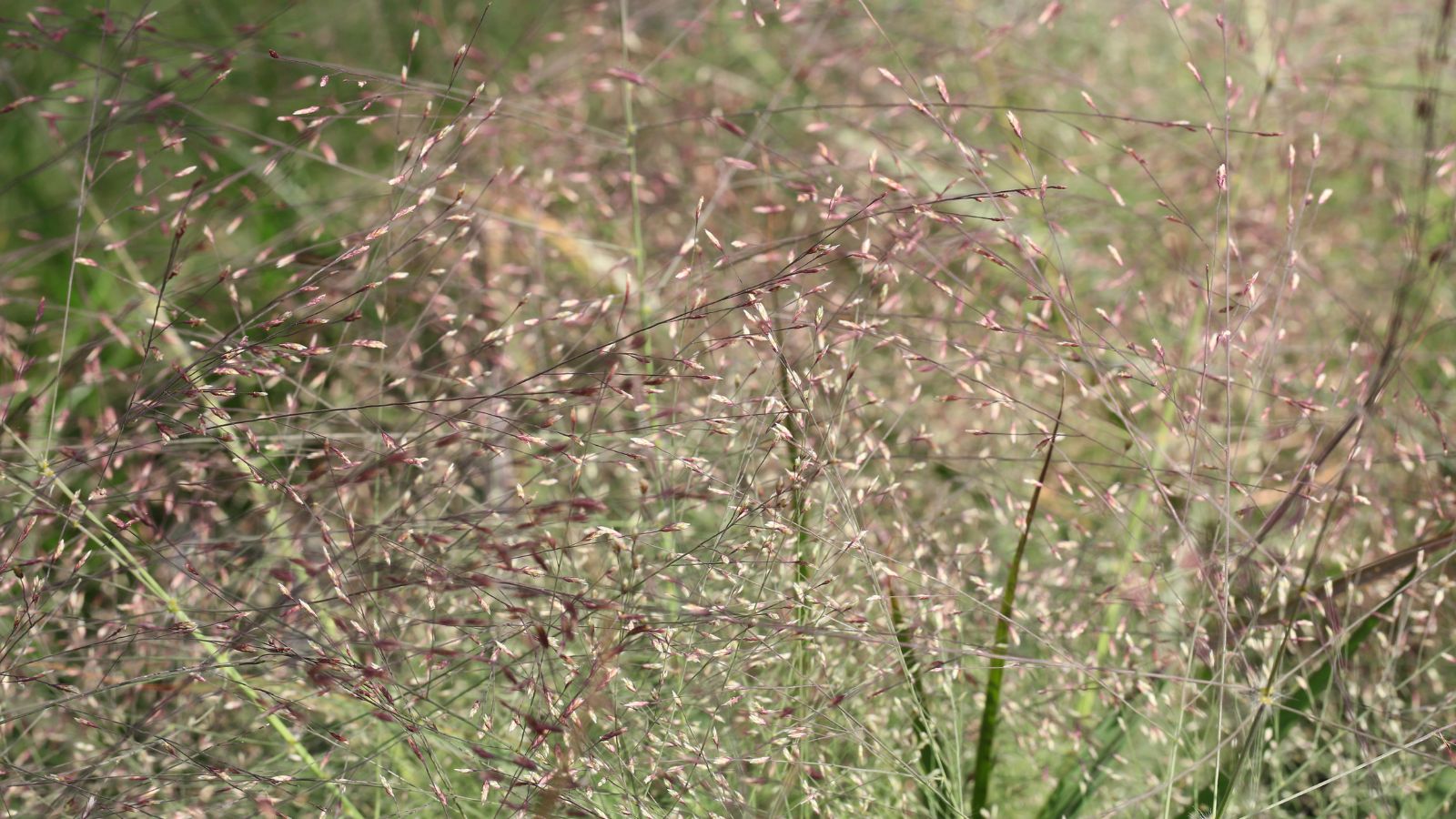
While cutting these plants isn’t necessary, you can prune them to the ground in early fall through winter. This helps perennial borders keep their softly mounding habit. You can prune by hedge trimming or mowing. Avoid cutting the plants back in spring when new green growth begins to emerge.
Although these native plants spread slowly in the garden, you can prune them during their bloom time to limit excess spreading. Deadhead the reddish purple clouds that appear in late summer and use the airy blooms in arrangements as cut flowers. You can also cut the individual spikelets and dispose of them.
Propagation
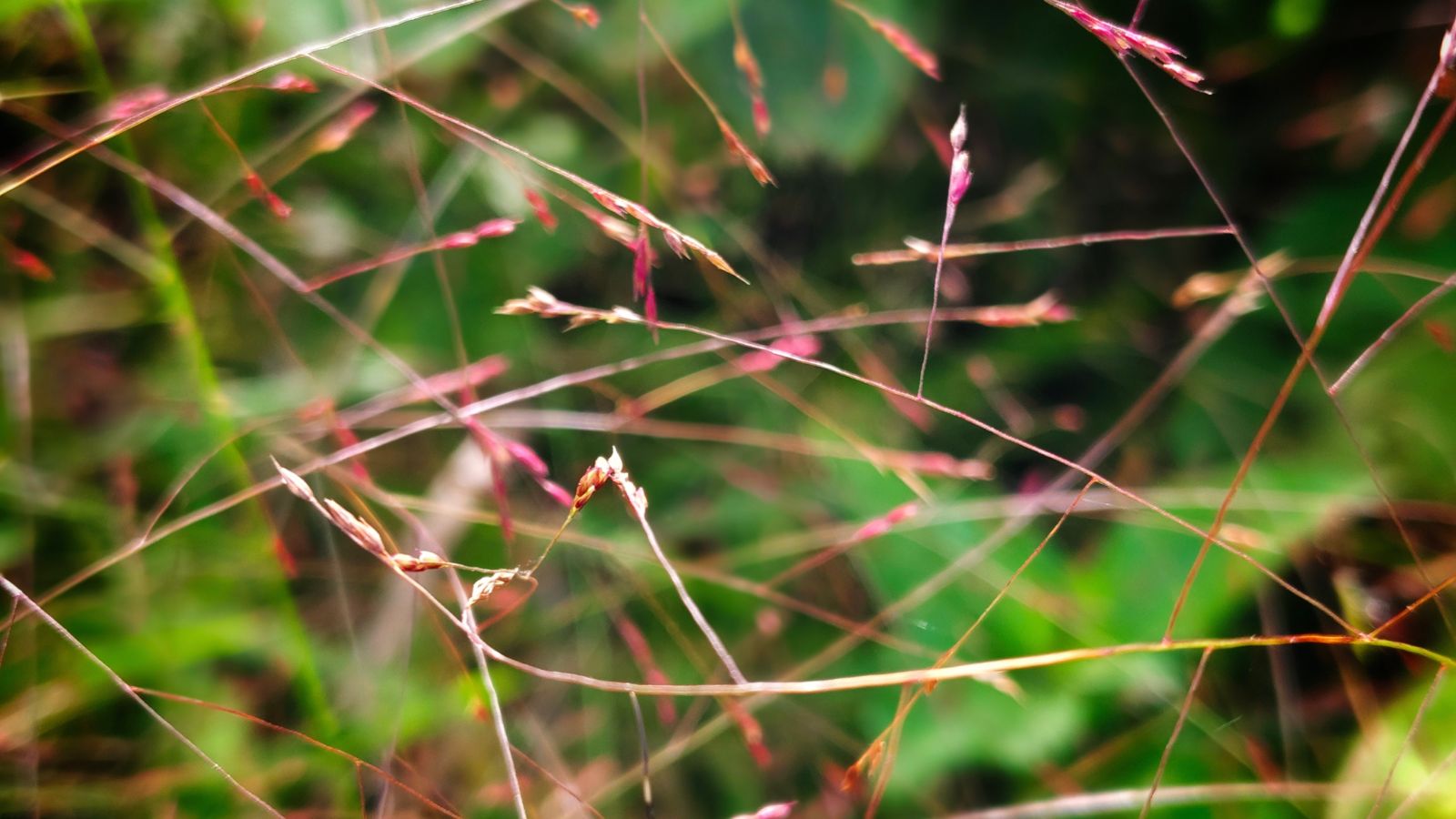
Because this plant spreads slowly, it may benefit from a little support in the garden. There are two ways to propagate it: by seed and by division. Allow the grass to flower and let the seeds mature in place. They will drop to the ground and produce new foliage in early spring. You can also collect the seed heads and distribute them yourself.
Carefully separate the seed from each sheath and discard the refuse. Alternatively, keep the seed sheath mixed in with the seed as a sedimentary material that helps prevent it from blowing away after broadcasting. Direct sow the seed in the garden in early fall and spread it on exposed soil. Germination requires light and cold stratification.
Add a small amount of sand, vermiculite, or another lightweight sediment to keep the seed from blowing away. Water lightly for a couple of weeks. As spring warms, new plants will begin to emerge.
You can also divide established plants every winter while they are dormant. Dig around the base about six inches from the foliage, then lift the entire clump with the root ball intact and locate the rhizomes. Separate the rhizomes and plant the plugs in other sunny, well-drained areas of the garden. Any spot where you want plumes of reddish purple flowers will work well.
Water new transplants deeply and slowly for a couple of weeks as they establish. In spring, you should see mostly basal foliage emerging.
Trooubleshooting
This drought-tolerant, deer-resistant species isn’t prone to disease or pest issues in gardens, but there are a couple of issues that can arise.
Growing Problems
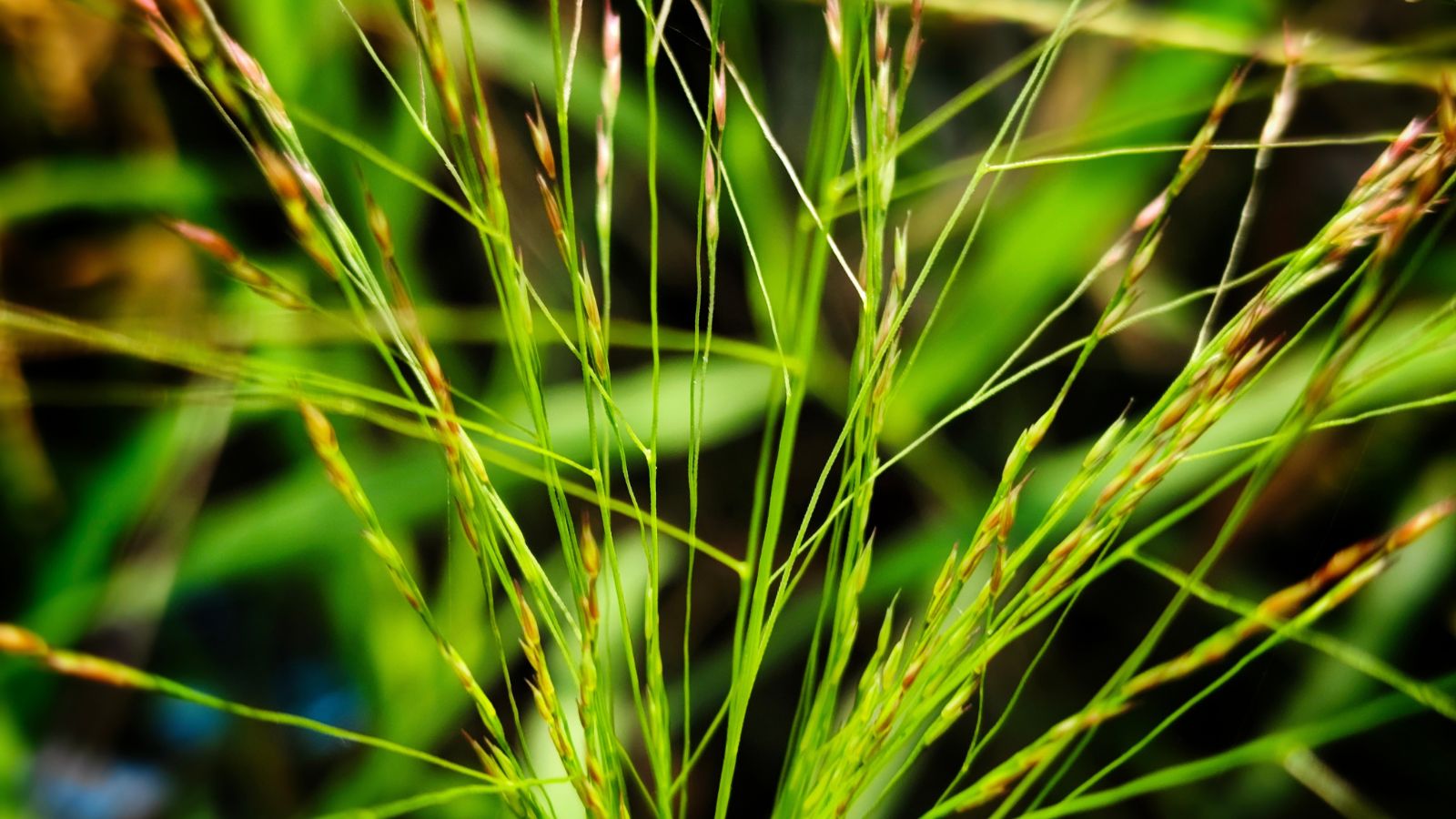
Most growth problems with this plant occur when it is planted in the wrong conditions. If it does not receive enough full sun, you may see reduced foliage and fewer flower heads in late summer. Also remember to provide adequate soil moisture for new transplants and seeds so they can establish well and reach the warm-season flowering period.
Pests

Aphids are not a major issue for gardens planted with lovegrass, but keep an eye out for infestations. They can sap energy from the plant by feeding on its foliage. Because this species supports important wildlife and pollinators, even organic pesticides are not recommended. Instead, use a strong stream of water from a hose to dislodge the insects and damage their mouthparts, which prevents further feeding.
Spittlebugs, which are green or black leafhopper-like insects, also feed on plant sap. Their feeding can cause premature browning of leaves in late summer, although plants usually recover without trouble. To manage them, spray the insects with water and remove the foamy, spit-like egg masses from the stems.
While lovegrass is deer resistant, it is not bird resistant. Birds often eat newly sown native grass and forb seeds before they can germinate. To protect your seed, place a decoy feeder nearby and keep it stocked, or cover your planting area with netting or garden straw.
Diseases

Leaf spot is a rare issue you may encounter with drought-tolerant lovegrass. Remove damaged leaves as they appear, and maintain good airflow between plants by dividing clumps regularly. Clear away any discarded cut flowers and other garden debris from the base of the plant. Planting lovegrass among resistant species also helps reduce the risk of disease.
Frequently Asked Questions
Is Eragrostis spectabilis invasive?
No. It has relatives that can be invasive in certain areas, though.
Is purple love grass a perennial?
In most areas, yes. It may be a tender perennial or annual in areas with very cold winters, though.
How do you maintain love grass?
Prune it back and divide it annually to keep it healthy, and monitor the plant for pests and diseases. You can also use the seed heads for cut flower arrangements.
Why is it called love grass?
This 2-foot-tall grass was known in the middle ages to catch on the petticoats and dresses of women. Thus, love grass.
Can you mow love grass?
Absolutely. Lovegrass can take heavy foot traffic and regular mowing.





