How to Plant, Grow, and Care for Elephant Garlic
Growing elephant garlic gets you gargantuan cloves of mild garlicky goodness. We discuss all you need to know in this in-depth growing guide!

Contents
Garlic is one of the most versatile alliums available. It has thousands of culinary uses along with many medicinal applications. With so many cultivars to choose from, growing standard garlic can feel a bit predictable. Instead, consider growing elephant garlic.
Despite its name, elephant garlic is more closely related to leeks than to true garlic. Because it is not a true garlic, it has a much milder flavor and slower bulb development. This perennial plant is especially rewarding to grow. With enough time and space, it can produce reliable harvests year after year.
One of the most impressive features of elephant garlic is that a single clove can produce up to six plants. With patience and proper growing conditions, you can even grow elephant garlic from bulbs purchased in the produce section. The following sections cover everything you need to know about caring for elephant garlic (Allium ampeloprasum var. ampeloprasum).


Quick Care Guide

|
Scientific Name
Allium ampeloprasum var. ampeloprasum
Days to Harvest
90 days
Light
Full sun
Water
1 inch of water per week
|
Soil
Loose, rich, well-draining
Fertilizer
High nitrogen every two weeks
Pests
Slugs
Diseases
Fusarium bulb rot
|
All About Elephant Garlic

This plant is known scientifically as Allium ampeloprasum var. ampeloprasum and is commonly called elephant garlic, giant garlic, or French garlic. The solid bulb likely originated in the eastern Mediterranean. Gardeners grew it widely in England during the 17th century, and it later reached the Pacific coast of the Americas when Balkan settlers arrived in Oregon in the 1800s.
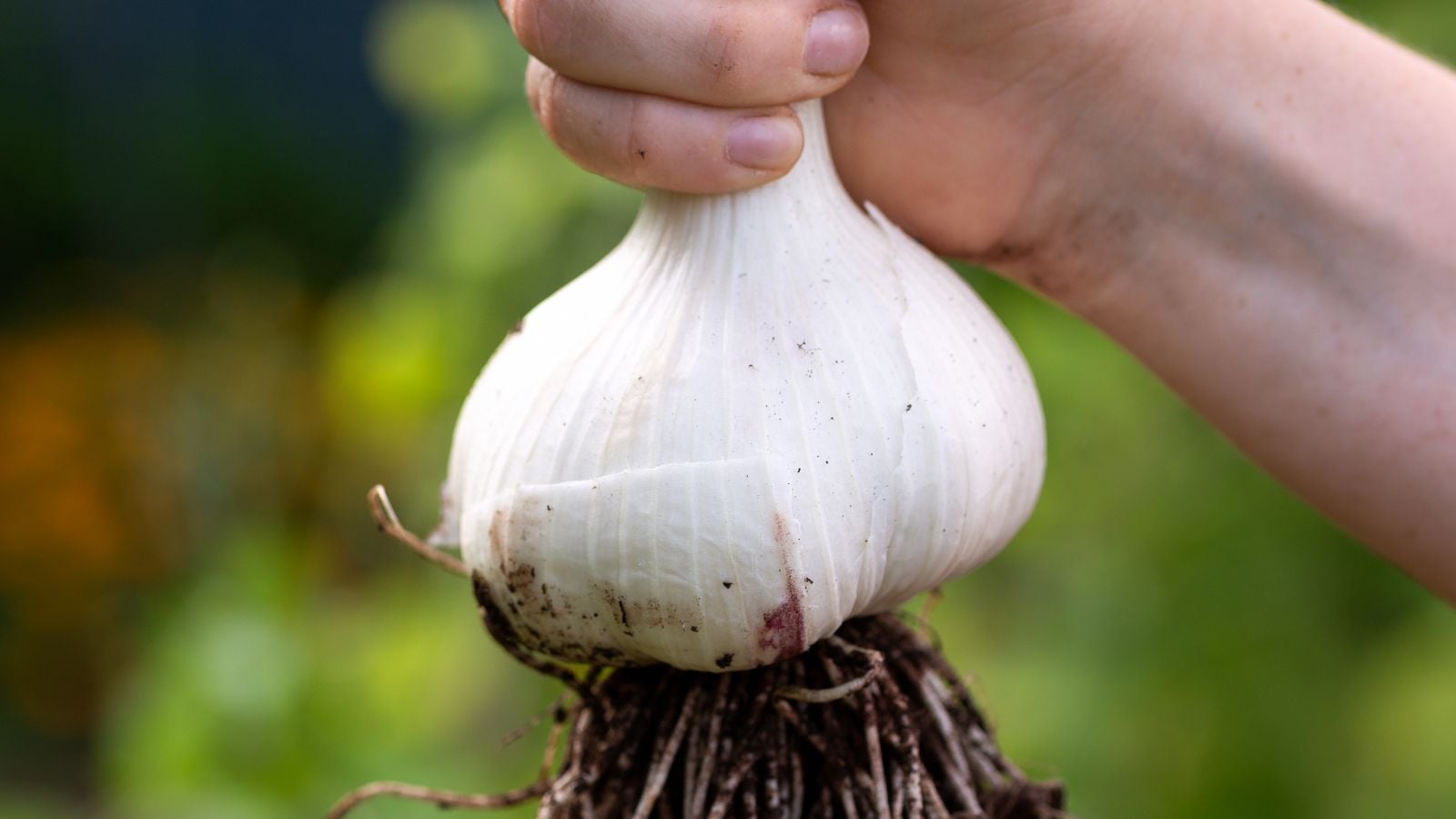
At first glance, elephant garlic looks very similar to regular garlic. The main difference lies in the bulb. Elephant garlic forms a large bulb made up of multiple separate cloves, usually no more than six, while regular garlic consists of many smaller cloves arranged around a central stalk. Elephant garlic bulbs can grow up to nine inches in circumference.
Unlike regular garlic, which growers often raise from seed, elephant garlic is propagated from cloves. Smaller cloves typically produce plants that do not flower or form mature bulbs until at least the second year.
Like regular garlic, elephant garlic follows a similar botanical growth pattern. As bulbs develop, foliage pushes upward through the soil. Once the bulb reaches maturity, flowering heads enclosed in thin, papery bracts emerge and open into large, rounded flower clusters. These blooms range in color from pink to purple. The entire plant can grow two to three feet tall.
Elephant garlic is highly valued for culinary use. Although it is closely related to regular garlic, its flavor is much milder, similar to the difference between onions and leeks. Cooks often roast whole bulbs with olive oil, salt, pepper, and other seasonings, then spread the softened cloves on bread. Sliced bulbs can also be deep-fried to make elephant garlic chips.
Some people enjoy elephant garlic raw in salads. The leaves are also edible and work well as a last-minute addition to eggs, salads, or soups. Anywhere chives are used, elephant garlic leaves make a suitable substitute. Overall, elephant garlic is a more relaxed relative of regular garlic, and elephant garlic care is generally less demanding.
Planting

Elephant garlic can be planted in fall or early spring and thrives in cool weather. Choose a garden location with full sun and fertile, well-draining soil where bulbs have enough space to mature. Because the bulb makes up most of the plant’s root mass, elephant garlic also grows well in containers if that suits your setup.
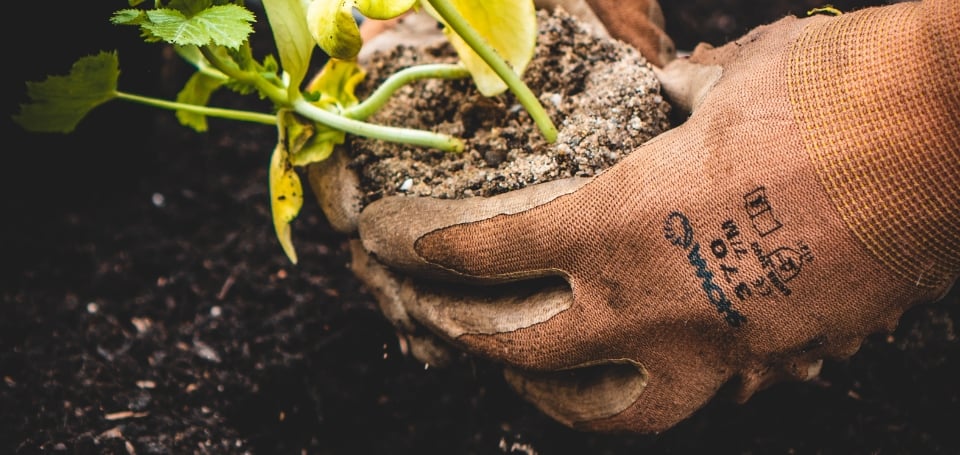
To plant elephant garlic, separate the bulb into individual cloves. Place each clove pointed end up in a planting hole about six inches deep, either in the ground or in a container. Space cloves about one foot apart to allow room for proper bulb development. Cover lightly with soil and water thoroughly after planting.
How to Grow
Once you plant these large cloves in your garden, there’s not much you need to do. So let’s talk about the essentials to get you started.
Light

Elephant garlic prefers full sun, with at least six hours of direct sunlight per day. Plant it in open areas where it receives ample direct light to support strong growth and proper bulb development.
Water

Water elephant garlic regularly in the morning after planting. Provide at least one inch of water per week for each clove. Avoid overwatering, as excess moisture encourages fungal pathogens that cause bulb rot. Allow the soil around the large bulb to dry slightly between watering, as consistently wet conditions can damage plants.
Sustained high humidity above 50% for several months can also lead to rot. During cool spring or fall periods with frequent rain, do not add supplemental water. Once the plant produces flowers and the leaves turn yellow, stop watering. This signals that harvest time is approaching.
Soil

Choose a planting area with loose, rich, fertile soil and a neutral pH. If you are mixing your own soil, a basic potting mix amended with a generous amount of well-rotted compost works well. Ensure the site has excellent drainage and aim for a soil pH of 7 to support healthy elephant garlic growth.
Temperature

Elephant garlic is hardy in USDA hardiness zones 3 through 9 and tolerates temperatures as low as -20°F (-29°C). In these conditions, the leaves may die back, but properly mulched bulbs usually survive without issue. The bulbs also tolerate high heat, provided there is adequate mulch to protect the soil.
For proper bulb development, elephant garlic needs at least six weeks of temperatures below 40°F (4°C). It does not require special protection from either heat or cold. In hotter conditions, however, large cloves tend to flower more quickly.
Fertilizing

As noted earlier, elephant garlic does not flower during the first year of growth, which means it will not produce bulbs until the second year at the earliest. After the first year, replenish soil nutrients by adding a layer of compost around the base of the plant.
Fertilize elephant garlic every two weeks with a high-nitrogen foliar feed once foliage growth begins. Suitable options include 12-0-0 or 15-0-0 NPK formulas.
When the flowering heads begin to fall over, stop applying high nitrogen fertilizer and switch to a high phosphorus option in powder form. At this stage, the plant shifts energy from leaf growth to bulb development. Use a bulb food fertilizer with a 3-15-2 NPK to support healthy bulb formation.
Pruning

Unless you have tons of dead or damaged leaves, it’s not necessary to prune until you begin harvesting elephant garlic. In the case of dead or damaged leaves, remove them as needed.
Propagation

If you want to grow elephant garlic from your own harvest, plant large cloves directly into soil rich in organic matter. Within about one year, the plants will produce new bulbs surrounded by developing cloves.
Harvesting

As the bulbs flower and the foliage dies back, elephant garlic nears harvest time. Wait until the remaining yellow leaves fall over to signal readiness. Gardeners typically harvest elephant garlic using a small shovel, trowel, or border fork. Insert the tool just outside the circumference of the bulb and gently loosen it from the soil. Trim away excess foliage, leaving about one-half inch above the bulb.
After harvesting, brush off the remaining soil using a dry cloth. You can use the bulbs immediately or cure them for storage. Raw elephant garlic tastes excellent when roasted and spread on bread, especially with added seasonings. Each clove has a mild flavor compared to regular garlic. Sort out any damaged bulbs at this stage. You can replant healthy bulbs or store them for later use.
To cure elephant garlic, place the bulbs in a cool, dry area with good air circulation. Curing takes at least three weeks in low humidity and up to eight weeks in higher humidity. A small electric fan set on low can help improve airflow and reduce moisture. Once the bulbs develop a firm outer shell, they are fully cured and ready to use or store.
Storing

After curing, store your harvest in a temperate, dry location. If temperatures are too cold for planting, save cloves for planting the following spring. Properly dried bulbs keep for at least ten months when stored in a hanging basket or on a counter. Peeled cloves keep in the refrigerator for one month.
Whole bulbs can be frozen and stored for an additional six to eight months. Frozen elephant garlic paste keeps for three to five months. If dehydrated, elephant garlic stores for six to seven weeks. You can grind dehydrated pieces into powder and mix them with other seasonings for cooking.
Troubleshooting
Elephant garlic prefers well-draining, fertile soil. Most of the problems people encounter with these plants stem from improperly planted and managed conditions.
Growing Problems

If you plant elephant garlic in compacted, heavy soil, the bulbs will not reach full size. The same issue occurs when cloves grow too close to other plants or weeds compete for nutrients and space. Give each plant plenty of room to develop and protect them by removing weeds regularly.
Elephant garlic also performs poorly in wet, cold spring or fall conditions. Overwatering during rainy periods can lead to rot. Bulbs that develop dark spots often indicate root rot caused by excess moisture and poor drainage.
Pests

Most alliums rarely have pest issues, and the same applies here.
Slugs may feed on the leaves if they reach the plants. To trap them, place a small container with a bit of beer near the plants. Slugs are attracted to the beer and will fall in, preventing damage to your crop.
Several organic slug control options also work well. Copper acts as a deterrent, so you can place copper tape around plants to keep slugs away. Iron- and phosphate-based organic pesticides effectively control slug infestations. Organic slug and snail baits provide another reliable option for protecting your plants.
Diseases
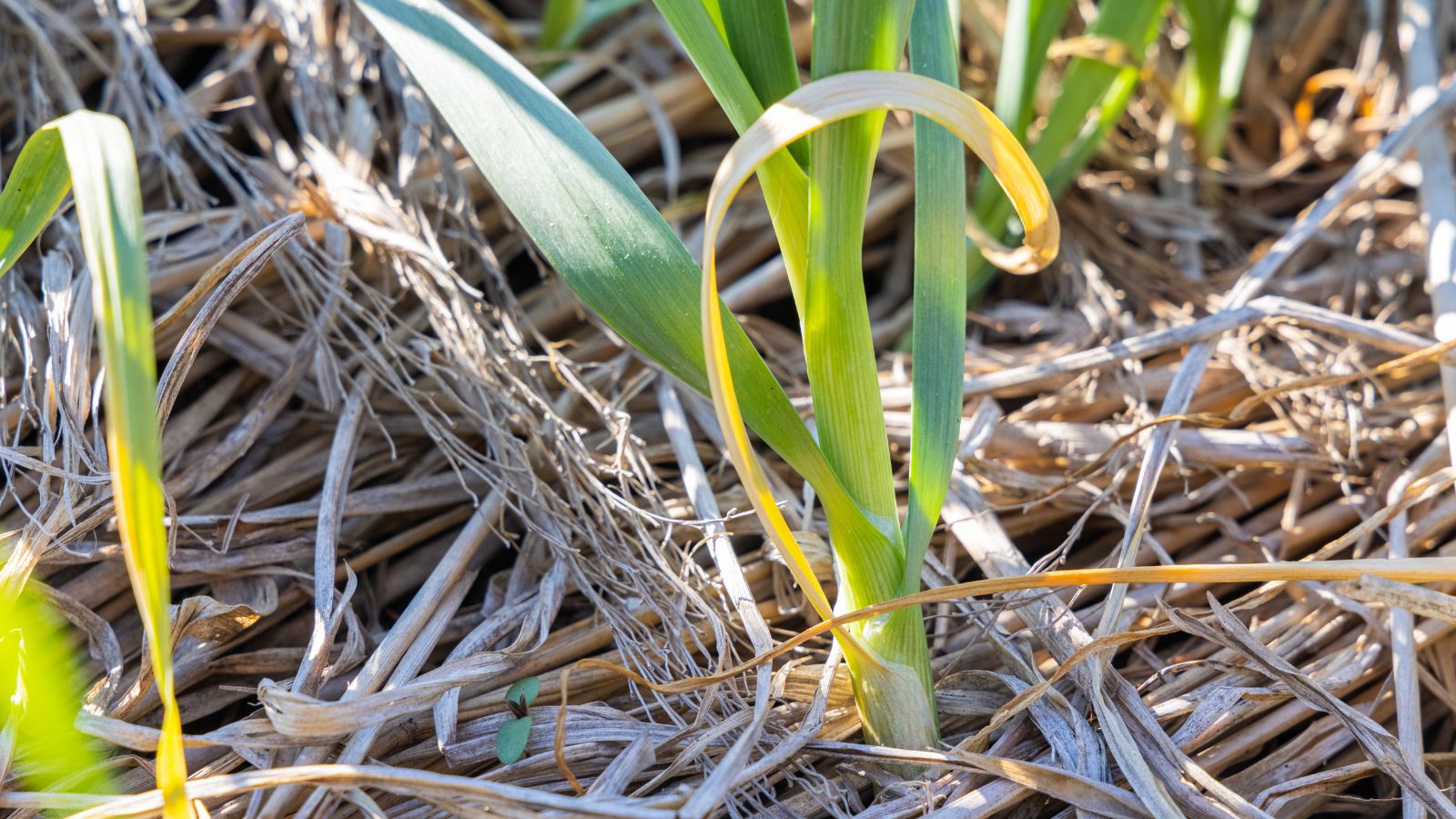
Fusarium root rot is a fungal disease caused by Fusarium oxysporum sp. cepae that begins at the base of the plant. As the disease spreads, leaves yellow and a dark spot forms on the bulb. In advanced stages, white fungal growth becomes visible. You may not notice symptoms until harvest time.
To prevent the disease from spreading through the garden, remove the entire plant immediately and dispose of it in the trash rather than composting it. Solarize the affected soil after removal. Some mycorrhizal soil additives may help suppress Fusarium fungi and reduce the risk of future infection.
Frequently Asked Questions
Is elephant garlic the same as regular garlic?
No! It’s more closely related to leeks and has a much milder flavor. It’s also much larger.
How long does it take to grow elephant garlic?
From planting to harvest, it takes about 90 days.