How to Plant, Grow, and Care for Dragon Fruit
The strange cactus known as the dragon fruit plant produces delicious, unusual fruit. This in-depth guide by gardening expert Rachel Garcia covers growing and harvesting them!


Contents
Have you ever tried dragon fruit? They are pink or yellow in color and certainly unusual to look at. These fruits also tend to be expensive, often selling for as much as $6 each. You could buy a single piece of fruit, or you could grow your own dragon fruit plant and enjoy it far more often.
Dragon fruit is a tropical fruit that grows on a climbing cactus. It is believed to be native to Central America and dates back to the 13th century. Around 100 years ago, it was introduced to Vietnam by the French, and today Vietnam is the world’s top producer of dragon fruit. It is also widely grown in other Asian and South American countries, including Malaysia, Colombia, Thailand, Peru, and Nicaragua.
Along with its striking appearance, dragon fruit is highly nutritious. It has a high water content and provides a good amount of fiber as well as Vitamins B and C. Flavor-wise, the flesh tastes similar to a mild kiwi. Like kiwi, it contains small black seeds that add a slight crunch. Dragon fruit is commonly used in smoothies, ice cream, and other desserts, and it can even be made into wine.
With the right conditions, dragon fruit plants can begin producing fruit in the first year and continue in the years that follow. They prefer tropical climates, so gardeners in zones 10 through 11 will have the easiest time growing them outdoors. With proper care, it is also possible to grow dragon fruit indoors. Let’s take a closer look at how to grow and care for this exotic climbing fruit.
Nitrogen Boost: Feather Meal
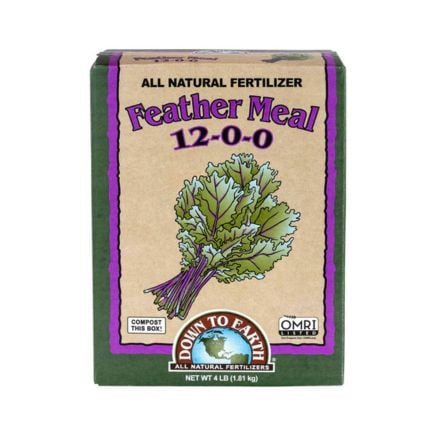
Feather meal is a great source of slow release nitrogen that is perfect for heavy feeders like corn, cole crops and leafy green vegetables. Incorporate into your soil before planting for best results.
Buy at Epic Gardening ShopQuick Care Guide

|
Scientific Name
Selenicereus undatus, Selenicereus costaricensis, Selenicereus megalanthus
Days to Harvest
6-8 months
Light
Full sun
Water
Soak and dry
|
Soil
Well-draining, fertile
Fertilizer
High-nitrogen followed by high-potassium.
Pests
Scale insects, mealybugs, ants, aphids
Diseases
Stem canker, brown fruit rot, root rot
|
All About Dragon Fruit

Dragon fruit is an impressive plant from start to finish. This green cactus grows in long, oval segments connected by thin joints. Each segment, or stem, has three ridges lined with small but sharp spines. To climb, the stems produce aerial roots, which technically classifies the plant as an epiphyte.
In commercial production, dragon fruit is often trained into a tree-like form. The stems grow up a central support and then spill over the top, creating a shape that resembles a palm tree. The flowers are exceptionally large, with white petals and a sweet, floral scent. These blooms develop into reddish-pink, round fruits with green, leaf-like edges protruding from the skin. Inside, the flesh contains black seeds that are easy to save and grow at home.
If you plan to grow dragon fruit in a container, choose one that holds at least 25 gallons. This plant becomes quite large over time, and starting with a generously sized container helps avoid the need for repotting later.
Types Of Dragon Fruit
There are lots of dragon fruit varieties, so we’ll just cover the most common species.
White pitaya

Selenicereus undatus has white flesh and pink-red skin. This species includes ‘Vietnam White’, which is the kind you’ll most likely find at the grocery store.
Red pitaya

Selenicereus costaricensis has the same pink-red skin, but the interior is pinkish-red as well. The coloring ranges from the dark red, dense flesh of the ‘Physical Graffiti’ variety to the hot pink hue of the red ‘La Verne’.
Yellow pitaya

Selenicereus megalanthus stands out from the others with its bright yellow skin. It has white flesh that, in the ‘Ecuador Palora’, is so sweet that it tastes like sugar cubes or honey.
How to Grow
Pitaya has specific needs, but it should be relatively easy to grow once you get the hang of it. Here’s everything you need to know.

Light
You’ll have the best chance of success with this plant if you live in a warm area, such as zones 10 through 11. The dragon fruit plant needs as much sun exposure as possible to build up the energy to fruit. Place yours in a spot that gets over six hours of sunlight a day.
Water

Cactus plants are used to long dry periods followed by intense watering sessions. To mimic these conditions, use the soak and dry approach. Wait for the top one to two inches of soil to dry out completely before watering.
When you water, do so deeply so excess moisture drains from the holes at the bottom of the container. Be careful not to drown the plant. There should never be puddles left behind once the soil has absorbed what it needs.
Because dragon fruit is grown in direct sun and heat, water in the morning so the plant has enough moisture to last through the day. Morning watering also allows any water on the stems to dry quickly, helping prevent rot and disease.
Soil

Dragon fruit plants need soil that’s light and well-draining while also full of nutrients. Meet these demands by making a growing medium that’s two-thirds vegetable potting mix and one-third cactus mix. The vegetable mix will boost soil fertility, while the cactus mix is great for drainage.
Soil pH isn’t a dealbreaker here, but dragon fruit does prefer its conditions to be slightly acidic. A pH between 6 and 7 is perfect.
Temperature and Humidity

While dragon fruit can survive light frost, it strongly prefers temperatures between 70 and 85°F (21 to 29°C), with a minimum of 55°F (13°C). On the other end of the spectrum, temperatures above 100°F (38°C) are not ideal and can cause sun damage or burning. During periods of intense heat, provide light shade to protect the plant from direct sun.
Fertilizing

You’ll need to fertilize if you really want the best results from this cactus. During the green growth phase, apply a 6-6-6 granular fertilizer. It can be slightly higher in nitrogen if you cannot find a 6-6-6.
Once blossoming begins, switch to an 8-4-12 fertilizer that is commonly used for date palms. The extra potassium helps boost flowering.
We recommend using a slow-release fertilizer that can be watered into the soil. Apply one quarter cup once every month and a half to two months throughout the growing season for best results. During winter, stop fertilizing entirely so the plant can go dormant.
Pruning

If left to its own devices, the dragon fruit cactus can become unruly. Because it is a climber, it will cling to any rough surface it encounters, including walls or structures around your home. The spaces between the stems and textured surfaces create ideal hiding spots for pests. Long stems also grow outward and can quickly take up a lot of space. This is where pruning becomes useful.
Keep the plant under control by pruning as needed. This helps maintain plant health and encourages fresh growth. Use sharp, clean clippers and cut stems at the thin connecting joints.
Before you begin pruning, take time to examine the entire plant and decide which stems should be removed. Start with any diseased or dying growth. Next, trim stems that are growing out of bounds or in the wrong direction. You can also remove stems that receive little sunlight and contribute very little to overall growth. Removing these redirects energy into healthy growth and flowering.
After harvest, prepare your dragon fruit plant for winter. Even in warm climates, the plant benefits from a dormancy period to recharge for the next growing season. Once all fruit has been harvested, add a layer of topsoil mixed with a high-nitrogen fertilizer. Feather meal is an excellent organic choice with an NPK ratio of 12-0-0.
Reduce watering to once or twice a month and stop fertilizing completely. In colder climates, move the plant indoors to protect it from frost or snow. If bringing it inside is not possible and you live in a warmer region, cover the cactus with a frost blanket when needed.
Training

Without a support, dragon fruit plants droop over like hanging plants. If you train them to a support, though, the stems will learn to climb. When done properly, you can train a dragon fruit cactus into an impressive tree form. This takes years of growth and a sturdy dragon fruit trellis, but the plant usually begins fruiting well before then, so you will not have to wait long for a harvest.
You will need a tall, sturdy support to hold the weight of the plant. Dragon fruit does not like smooth surfaces, so choose something textured, such as a wooden broomstick or a piece of solid lumber. If one support is not enough as the plant grows, add another to help distribute the weight.
Start by removing the dragon fruit cactus from its container and gently loosening the roots. Plant one or several starts in a circular arrangement. If any of the starts are leaning, point them away from the center so the stems do not cross as they grow.
Moisten the soil, then push the stake into the ground. Watering beforehand helps the support slide into place without damaging the roots.
Use cloth ties to secure the plant to the stake. Flexible material is essential so the stems are not damaged. Tie loosely around the joint between segments, which is stronger than it appears.
Once tied, the cactus may look untidy at first. As it grows, the stems will thicken and eventually spill over the top of the support. Continue tying new segments to the stake until they reach the top. Over time, the plant will produce aerial roots that naturally cling to the support.
Propagation

Like most cacti, dragon fruit is very easy to propagate by cuttings. It is simple to remove segments and encourage them to grow roots. All you need is sharp, clean pruners, a container, soil, and gloves.
Using your pruners, clip a segment off right at the joint. You can also collect sections that broke off during training or pruning. Remove any aerial roots from the cutting and discard stems that are deformed, diseased, or pest-ridden.
Next, use your clippers or a kitchen knife to slice the bottom inch off the cutting so the end has a triangular shape. Large stem segments can be cut into two or more pieces. It is vital that the stem is planted cut side down. To help you keep track, especially if you divide one stem into multiple dragon fruit cuttings, use a permanent marker to draw an arrow pointing toward the base.
Allow the cutting to dry until it has completely scabbed over, which usually takes two to three days. Fill a container with soil and insert the cutting cut side down. It should stand upright on its own, but you can add a small stake for extra stability if needed.
Place the dragon fruit cutting in a shaded area and keep the soil lightly moist until new growth appears. New roots typically form within a couple of weeks. You can test for rooting by gently tugging on the cutting and feeling for resistance. New growth will emerge from the top joint or along the edges of the stem.
Growing from Seed

If you want more of a challenge, you can also try growing dragon fruit from seed. Scoop the seeds from a ripe fruit and rinse them well. Because the seeds are very small, a tea strainer can make cleaning easier. Transfer the seeds to a damp paper towel, fold it, and place it inside a plastic bag. Allow the seeds a couple of weeks to germinate, keeping the paper towel moist.
Once the seeds sprout, plant them and cover the container with a clear dome to maintain humidity. Young seedlings are very prone to root rot, so avoid overwatering. Keep the container indoors in bright light until the seedlings are strong enough to transplant into their own containers or move outdoors.
Pollination & Fruiting

Dragon fruit flowers are the pinnacle of the entire growth phase. The fruit may be tasty, but these blossoms are truly exquisite. You will be amazed by their size, beauty, and sadly, their brevity.
Dragon fruit plants produce small green buds along the ridges of the stems. If a bud begins turning yellow, it is likely about to abort. You can speed this along by gently plucking the bud off so the plant redirects its energy elsewhere.
Over time, the buds elongate and grow outward, much like the stems themselves. When the sepals begin to separate, a bloom is usually less than 48 hours away and often opens at night. As the sepals part, white petals become visible, revealing an exceptionally large and striking flower.
Some dragon fruit plants are self-pollinating, while others rely on bats for pollination. Regardless of the type, assisting with pollination can improve fruit set. Inside the flower, you will see pale yellow anthers arranged in a dense ring around the center. The green stigma rises above the anthers.
Use a small paintbrush or cotton swab to collect pollen from the anthers and gently brush it onto the stigma. Once pollinated, the flower closes surprisingly quickly, so enjoy it while it lasts.
After pollination, the plant shifts its focus to fruit development. The petals and sepals dry up and fall away as the fruit begins to swell in their place. This signals the transition into the next exciting stage of growing dragon fruit: harvesting.
Harvesting

When ripe, dragon fruit will be fully colored, with the exception of the spiky green tips. The flesh will also give slightly when pressed with your thumb. Using sharp, clean clippers, cut the fruit from the plant as close to the base as possible so the stem remains mostly intact.
For the best flavor, refrigerate your harvest before eating. To enjoy it, slice the fruit in half and scoop out the flesh with a spoon. You can also quarter the fruit and peel away the skin to create larger segments if you prefer.
Storing

Keep whole dragon fruit in the refrigerator, preferably in a container or wrapped in plastic. This fruit absorbs surrounding tastes and odors easily, so it should be well sealed in an airtight container. Stored this way, dragon fruit will last up to two weeks.
Cut dragon fruit will keep in the fridge for one to two days before the flesh turns brown and mushy. As with apples, a little lemon juice can help slow browning and keep the flesh fresh slightly longer.
For long-term storage, dragon fruit can be frozen. Slice the fruit, spread the pieces on a lined baking sheet, and place them in the freezer. Once frozen solid, transfer the pieces to an airtight container, removing as much air as possible. Frozen pitaya will keep for several months, but it tastes best when used sooner rather than later.
Troubleshooting
If you’ve grown cacti before, you’re sure to be familiar with the pests and diseases we’re facing. Just in case, though, here’s what you should know about protecting your fruit plant from danger.
Growing Problems

We have great news. Even in the first year of growth, you can encourage dragon fruit to flower. Most plants, including dragon fruit, need a dormancy period to build enough energy for fruiting. However, with a little extra care, you can sometimes trigger flowering in year one. Here is the method that worked for us.
Toward the end of the growing season, apply a high nitrogen fertilizer such as feather meal. Water it into the soil along with a liquid fertilizer that is high in phosphorus and potassium. Then use clean, sharp shears to prune lateral shoots and stems that receive little light. Stems with the best light exposure are more likely to flower, so concentrate growth there. With this approach, buds often begin forming quickly.
If your dragon fruit produces flowers but no fruit, it may need help with pollination. Refer back to the pollination section above for guidance on hand pollinating your pitaya plant.
Because cactus plants are exposed to direct sunlight, they can develop sunscald. Once tissue is burned, the damage cannot be reversed. However, you can treat brown blisters with neem oil and remove any rotting sections if necessary. If you notice sun damage developing, adjust the plant’s position or provide light shade during periods of intense heat.
Pests

Scale insects lay flat against a plant and suck out its juices. They spread disease easily from plant to plant and can seriously damage overall plant health. One common type of scale you may encounter is the mealybug. Horticultural oil and neem oil are effective ways to smother both the pests and their eggs. For larger infestations, loosen their grip first with insecticidal soap, then spray them off with water later in the day. You can also prune heavily infested stems or dab individual insects with rubbing alcohol to make them release from the plant.
Some scale insects secrete honeydew, which attracts ants. If you notice one, you may have the other as well. Ants actively protect scale insects, so it is important to address both pests at the same time. One of the most effective control methods is using borax-based ant traps that workers carry back to the nest, eliminating the entire colony. Diatomaceous earth and beneficial nematodes can also help reduce ant populations along with other soil-dwelling pests.
Finally, watch out for fruit flies. These pests are common in kitchens but can also settle on pitaya plants outdoors. Fruit flies lay eggs on fruit, which can spread harmful bacteria, so always wash harvested fruit thoroughly before eating.
Use yellow sticky traps near the plant to reduce fruit fly populations. You can also make a simple homemade trap. Fill a cup with sugar water or overripe fruit, then add vinegar and a small amount of dish soap. Place a paper cone on top to guide flies inside. The sugar attracts them, the dish soap coats their wings so they cannot escape, and the vinegar kills them.
Diseases
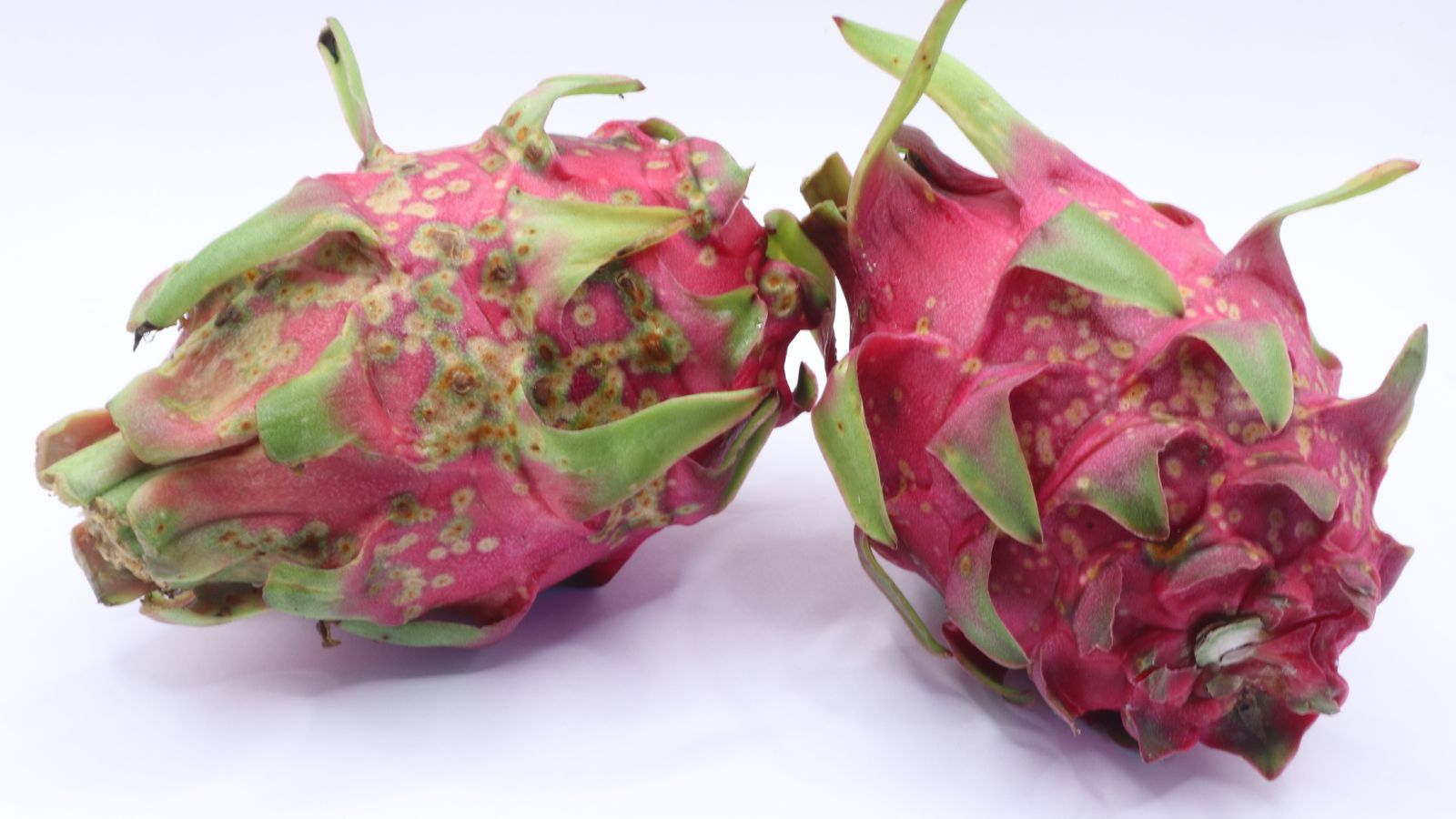
Stem canker caused by Neoscytalidium dimidiatum can spread quickly and cause serious damage. Infected pitaya plants develop circular, sunken lesions that are white and brown with black centers. These lesions can lead to rot and eventually kill the plant. If you notice any symptoms, remove infected stems immediately before the disease spreads. Heavy infestations may be reduced with fungicide, but there is no guaranteed cure.
Bipolaris cactivora is a fungus responsible for brown fruit rot in pitaya. Symptoms begin as water-soaked, mushy lesions on the fruit that start yellow and then turn brown. These lesions quickly develop into rot that consumes the fruit and can kill the plant. There are very few effective controls once infection occurs, so prevention is essential. This fungus thrives in warm, wet conditions, so keep plants as dry as possible. Remove and destroy any dead or diseased plant material away from the home garden as soon as it appears.
Because dragon fruit is a succulent, it is especially vulnerable to root rot. This problem is most often caused by overwatering, which is one of the leading causes of plant death. Protect the roots by using well-draining soil and allowing it to dry out between waterings. If root rot develops, remove the plant from its container immediately and cut away the rotted sections with a sterile knife. Allow the wounds to dry for a couple of days, then repot the plant in fresh, better-draining soil.
Frequently Asked Questions

How long does it take for dragon fruit to bear fruit?
It can take 6-8 months to grow dragon fruit on cactus plants.
Is dragon fruit easy to grow?
It’s easier than you think! However, this plant does need special attention in order to succeed.
How do I get my dragon fruit to produce more fruit?
Boost flowering and fruiting by feeding your plant with high-phosphorus/potassium fertilizer. You should also prune back unnecessary green growth so the plant will focus on its fruit instead.