DIY Hummingbird Feeder: 4 Easy Designs
Hummingbirds are great pollinators, and you should encourage them to visit. A DIY hummingbird feeder is effective and a fun weekend gardening project. Find four easyways to make your own hummingbird feeder in this guide.

Contents
We grow plants to feed ourselves, but the gardens we create are also dining rooms for pollinators. Birds, bees, and other insects rely on our gardens for food, just as we rely on them for pollination.
Of the many pollinators, one of the most effective and visually striking is the hummingbird. These tiny speedsters can pollinate hundreds of flowers each day, which is why so many gardeners want to attract them. One of the easiest ways to do that is by offering a sweet treat in a DIY hummingbird feeder.
Hummingbirds are incredibly hungry. In a single day, they can consume up to three times their body weight. A homemade hummingbird feeder filled with sugar water acts as an initial food source, encouraging them to visit your garden, where they will continue on to pollinate nearby plants. An added bonus is that hummingbirds tend to return to the same locations year after year, making them long-term garden visitors.
This is your chance to welcome these colorful birds and meet their needs without spending a lot of money. Below, we will walk through four simple DIY hummingbird feeder designs that can help turn your garden into a thriving hub of pollination.
Bird Cafe with Trellis

Bird Cafe with Trellis
Our sculptural Bird Cafe is a modern feeder for feathered friends who call your garden their home. The Bird Cafe together with the Akoris Garden Tuteur provide a garden eco-system for flora and fauna.
Buy at Epic Gardening Shop
How To Attract Hummingbirds To Your Feeder

There is no point in having a hummingbird feeder if the birds cannot find it. Fortunately, we know a lot about how to attract hummingbirds to the garden.
Hummingbirds rely heavily on sight and are especially drawn to bright colors, particularly red. A simple rule for attracting hummingbirds to a homemade feeder is to use red as the primary color. If you want to add a secondary color, yellow works well. Hanging red ribbons near the feeder can also help catch their attention.
In addition to bold colors, hummingbirds look for familiar flower shapes. Adding a circular shape around the feeder opening can help them locate the sugar water more easily. A red lid, such as the one used on a soy sauce bottle in one DIY feeder design, works especially well for this purpose.
Help hummingbirds feel safe by placing feeders out of reach of cats and other predators. Open areas positioned higher off the ground are ideal, as they give the birds plenty of room to fly and maneuver.
Despite their small size, hummingbirds are highly territorial. One bird may claim a feeder and aggressively defend it from others. If you want to attract multiple hummingbirds, hang several feeders spaced at least 15 to 20 feet apart.
Hummingbirds also appreciate nearby perches. After feeding, they like to rest, digest, preen their feathers, sleep, and keep watch over their territory. Small, twig-like perches placed near feeders work best, as larger perches may attract bigger birds that scare hummingbirds away. Another option is to place a separate bird feeder elsewhere in the yard to give larger birds their own space.
Finally, hummingbirds benefit from access to a shallow birdbath. Sugar water provides energy but does not hydrate them, so offering a clean, shallow water source allows hummingbirds to drink and bathe while visiting your garden.
4 Easy DIY Hummingbird Feeder Builds
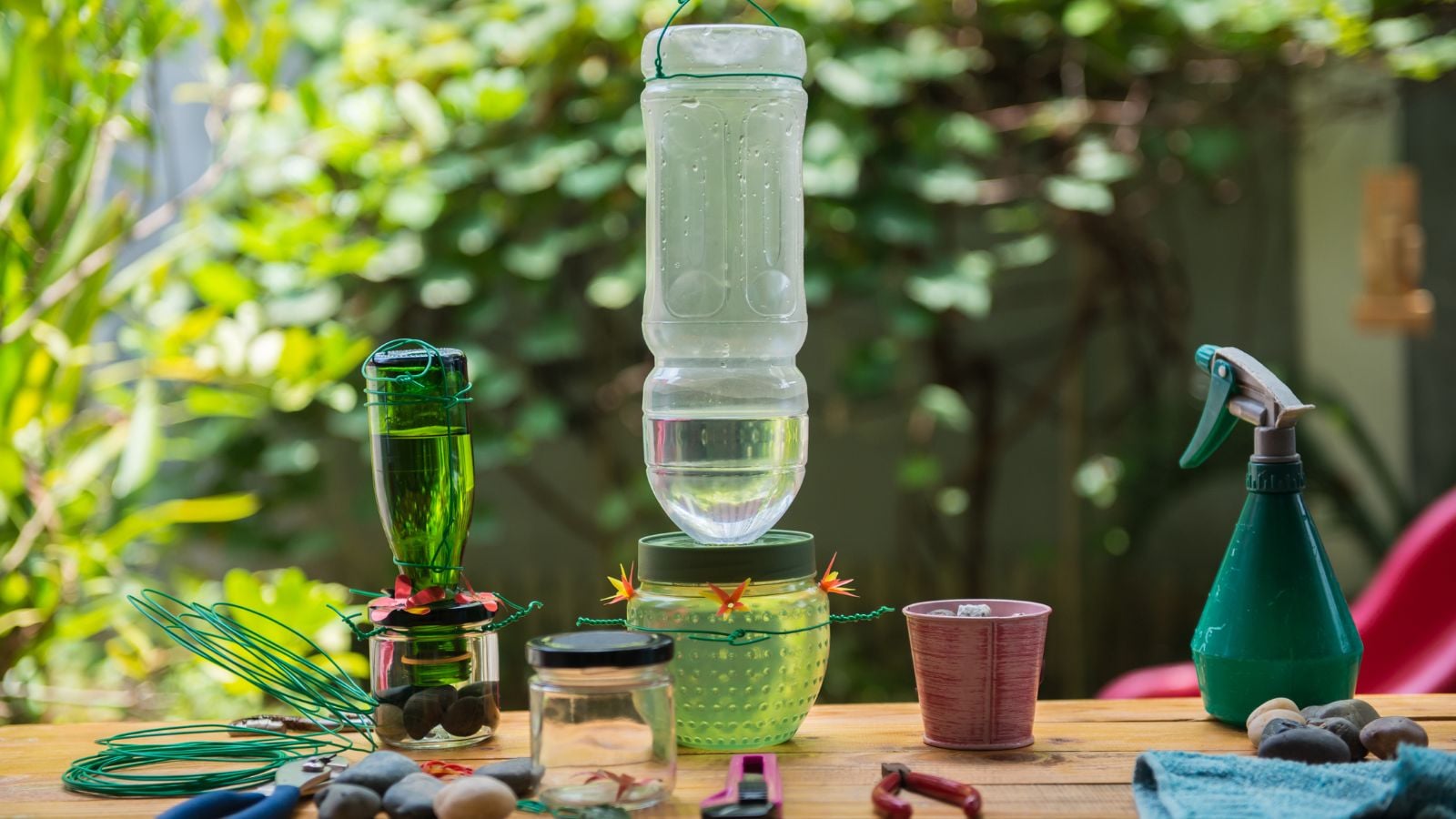
We have four easy hummingbird feeder designs to share. From a simple soy sauce bottle to an industrial-style feeding station, each of these project ideas is sure to be a hit with hummingbirds.
Soy Sauce Bottle Feeder
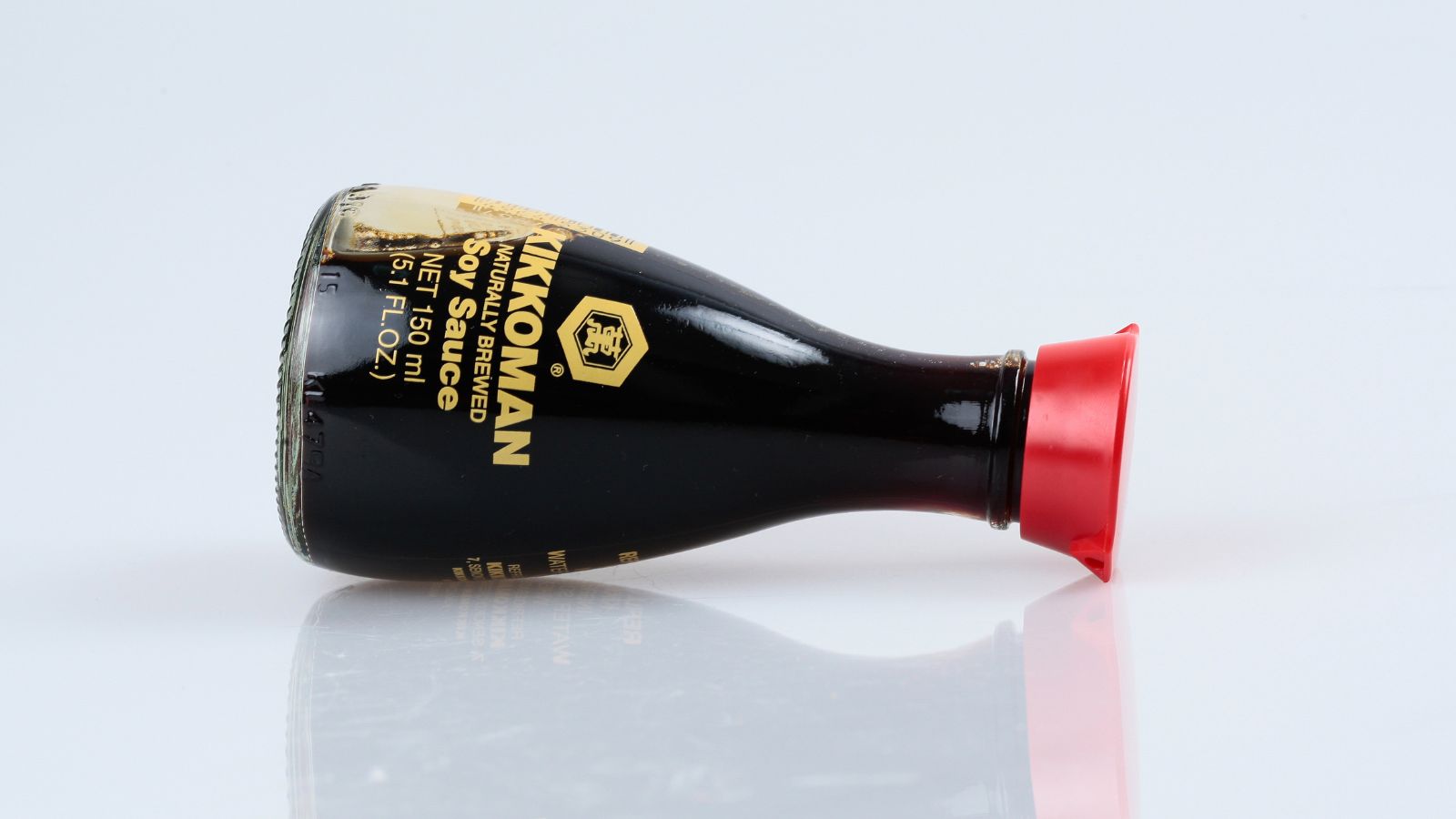
The best, easy-to-make, homemade bird feeders only need a few things:
- A Kikkoman soy sauce bottle (the brand matters, as it comes with a restaurant-style lid!)
- Wire
- Pliers (optional)
The Kikkoman brand soy sauce bottle costs only a couple of dollars and is perfectly suited for a homemade hummingbird feeder. When the glass bottle is hung upside down, the nectar is easily accessible through the two beak-sized openings in the cap.
You can get creative when hanging the bottle feeder. We looped wire around the feeder from the smallest to the largest part, leaving extra length at the end. You can use hand-bendable wire or, for convenience, unwrap a wire clothes hanger using pliers.
After securing the DIY hummingbird feeder, loop the remaining wire around a tree branch and make sure the bottle hangs straight down. The low air pressure inside the bottle helps prevent the nectar from leaking out of the feeder.
Mason Jar Feeder
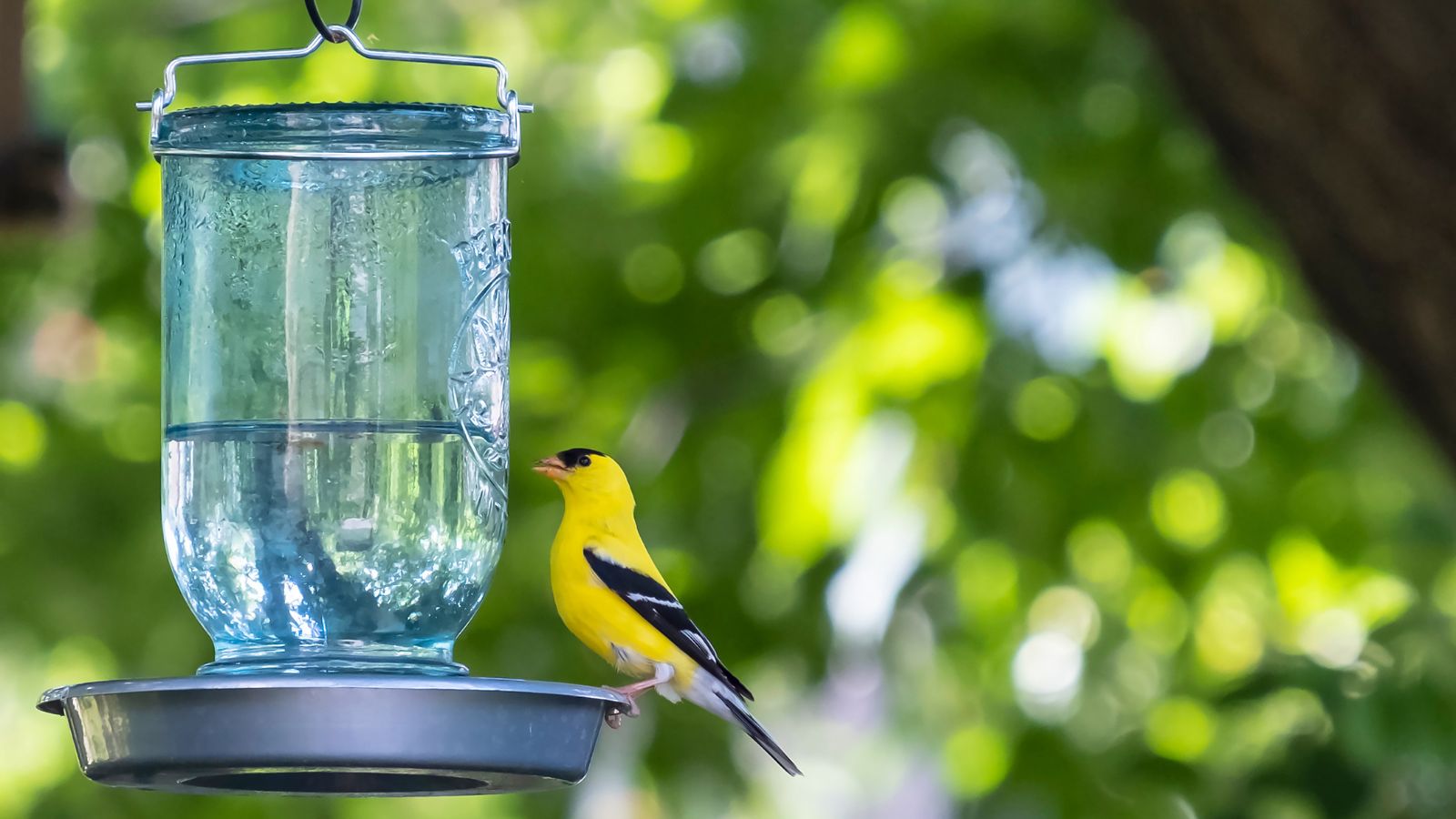
Mason jars are synonymous with DIY projects, so we might as well make a hummingbird feeder with one! Here’s what you’ll need:
- A shallow mason jar
- A hanging mason jar lid
- A red plastic folder
- Scissors
- Hole punch
To get started, replace the flat jar lid with a circle cut from a plastic folder. After tracing and cutting it out, use a hole punch to add a few access points for the birds to sip nectar. Place the plastic circle inside the metal screw band and secure it onto the nectar-filled jar.
You can then hang the jar upright from a tree branch or another perch. Since hummingbirds will be feeding from above, you may need to top off the nectar more frequently, as empty DIY hummingbird feeders will not attract birds.
DIY Kid-Friendly Plastic Bottle Feeder
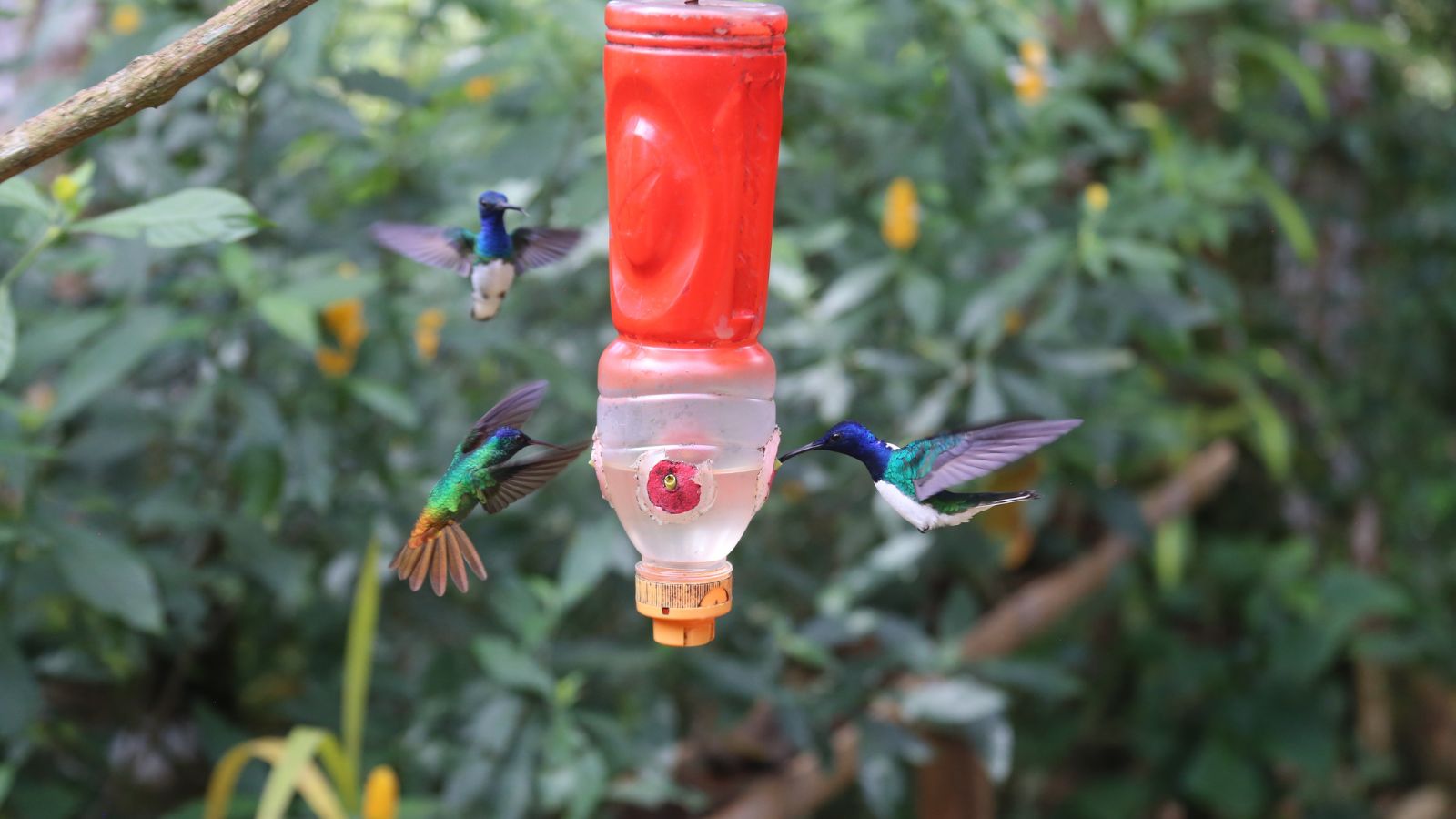
Though not as durable as the previous hummingbird feeders, this is a simple, crafty project that can be a lot of fun for kids. Plus, you likely already have the materials for this easy diy feeder made from recycled plastic water bottles. You’ll need:
- Any size of water bottle or soda bottle (with the cap!)
- A red or yellow bendy straw
- Wire
- A drill
- A red plastic folder or construction paper
- Scissors
- Adhesive glue
Begin by drilling a straw-sized hole in the water bottle cap. While you do this, have your child cut out a flower shape from red paper or a plastic folder. The flower should be large enough to fit around the straw. Punch a hole in the center of the flower.
Next, thread the long end of the bendy straw through the flower and then through the cap. Position it so the cap and flower sit right at the start of the bend in the straw. The long end of the straw will sit inside the bottle, so trim it to about a third of the bottle’s length.
Use glue to secure the cap and flower in place, filling any gaps around the straw so the sugar water does not drip out. While the glue dries, wrap wire around the bottle, leaving a loop at the bottom since the feeder will hang upside down.
Once the glue has dried, fill the bottle with sugar water and twist the cap into place. Hang the DIY hummingbird feeder upside down and bend the straw to the side for easy access. Your child can then sit nearby and watch the hummingbirds feed from the bottle.
Feeder for Multiple Birds
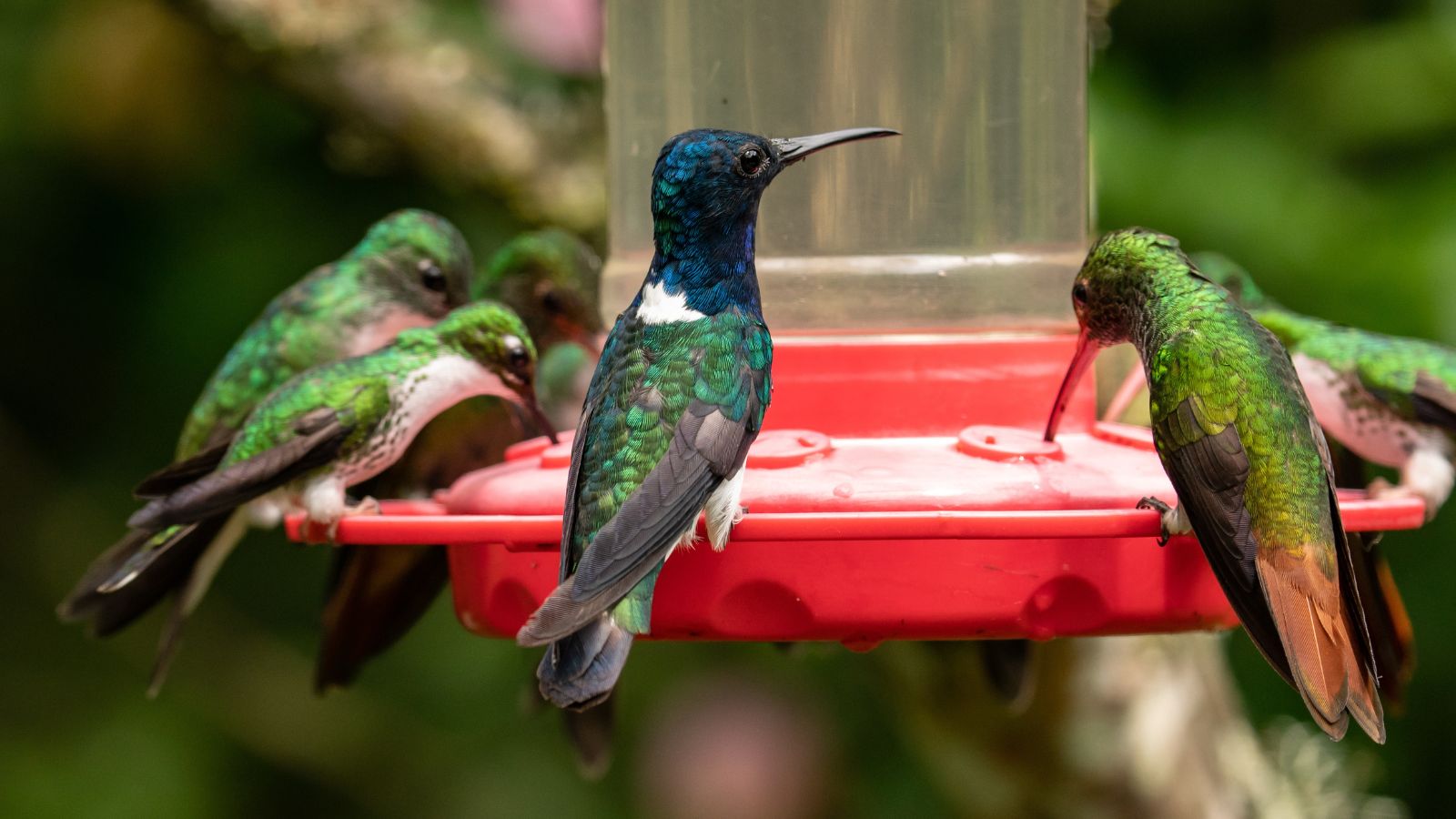
If you’re going to be feeding the hummingbirds, why not go all out and build them a banquet table? This DIY project is a bit more work than the others, but very rewarding. Start by gathering up:
- Thin PVC pipe (at least a foot long)
- 2 PVC end caps
- Wire
- Red paint (and a paintbrush!)
- A drill
Get started by drilling small holes every few inches along one side of the PVC pipe. The pipe will be hung horizontally and filled with nectar, so all holes must be positioned along the top. Next, paint a red flower at each hole, placing the hole at the center of the flower.
Once the paint has dried, cut two long lengths of wire and take the materials to a suitable tree branch. Working one end of the pipe at a time, wrap the wire around the pipe, loop it over the branch, and secure it back onto the pipe. Make sure the holes remain facing upward.
Finally, fit one end cap onto the pipe and pour sugar water into the open end. The liquid level should stay below the holes to prevent leaking. Once filled, secure the second end cap. The DIY hummingbird feeder is now ready to accommodate multiple hummingbirds at once.
Hummingbird Nectar Recipe
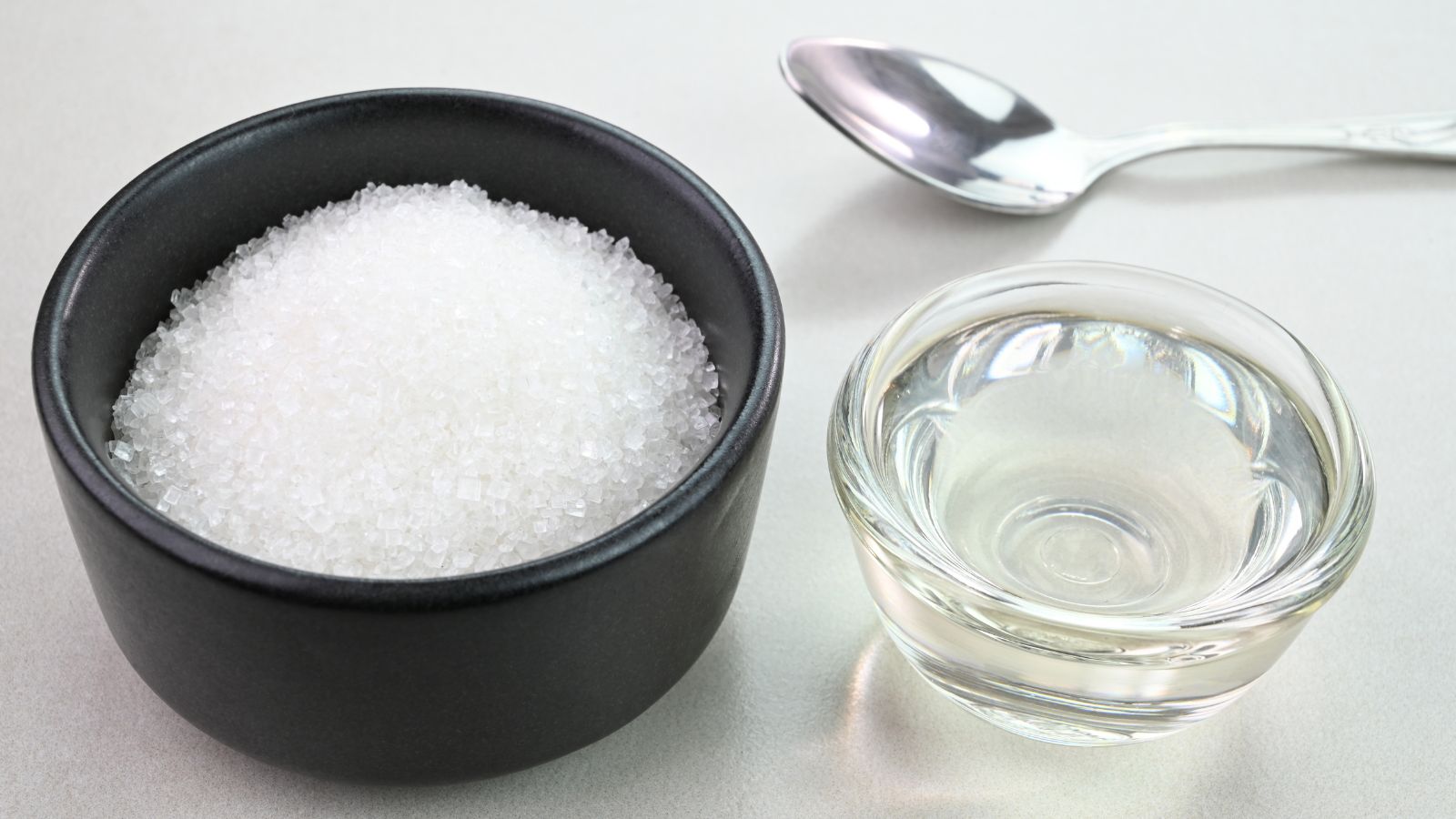
You do not need a store-bought mix to make hummingbird nectar. All it requires is water and cane sugar. Commercial mixes often contain additives, such as red dye, which can be harmful to hummingbirds. While the red color may seem appealing, it is unnecessary since hummingbird feeders are already brightly colored.
To make hummingbird nectar, mix one cup of sugar with three cups of room-temperature water. You can gently heat the mixture to help the sugar dissolve, but it will dissolve just fine at room temperature.
Be aware that sugar water attracts ants, so make sure the feeder is not dripping. Nectar may also attract bats and bears at night, so consider bringing the hummingbird feeder indoors after dark.
Frequently Asked Questions
Is homemade sugar water bad for hummingbirds?
No, DIY nectar is actually better than most store-bought nectars because it doesn’t have artificial dyes.
Do hummingbirds prefer bird feeders with perches?
They may appreciate it, but perches bring their own problems. Often they’ll end up attracting larger birds that scare the hummers away from the hummingbird feeder.