How to Plant, Grow, and Care for Ube
Ube, botanically known as Dioscorea alata, is a very popular yam throughout Asia. With the right care and control, it's also easy to grow in home gardens. This guide by gardening expert Rachel Garcia explains the process in-depth.

Contents
Tubers are a staple in kitchens around the world. From the many ways to cook potatoes to the nutrient density of sweet potatoes and the rich flavor of yams, these foods are popular for good reason. One lesser-known but widely loved tuber is Dioscorea alata, commonly known as ube or winged yam.
Despite the name, winged yams are not used for savory dishes as often as you might expect. They are most commonly featured in desserts, thanks to their sweet, nutty flavor that is often compared to sweet potato or taro. What sets them apart is their smoother texture, which makes them especially well-suited to delicate treats and baked goods.
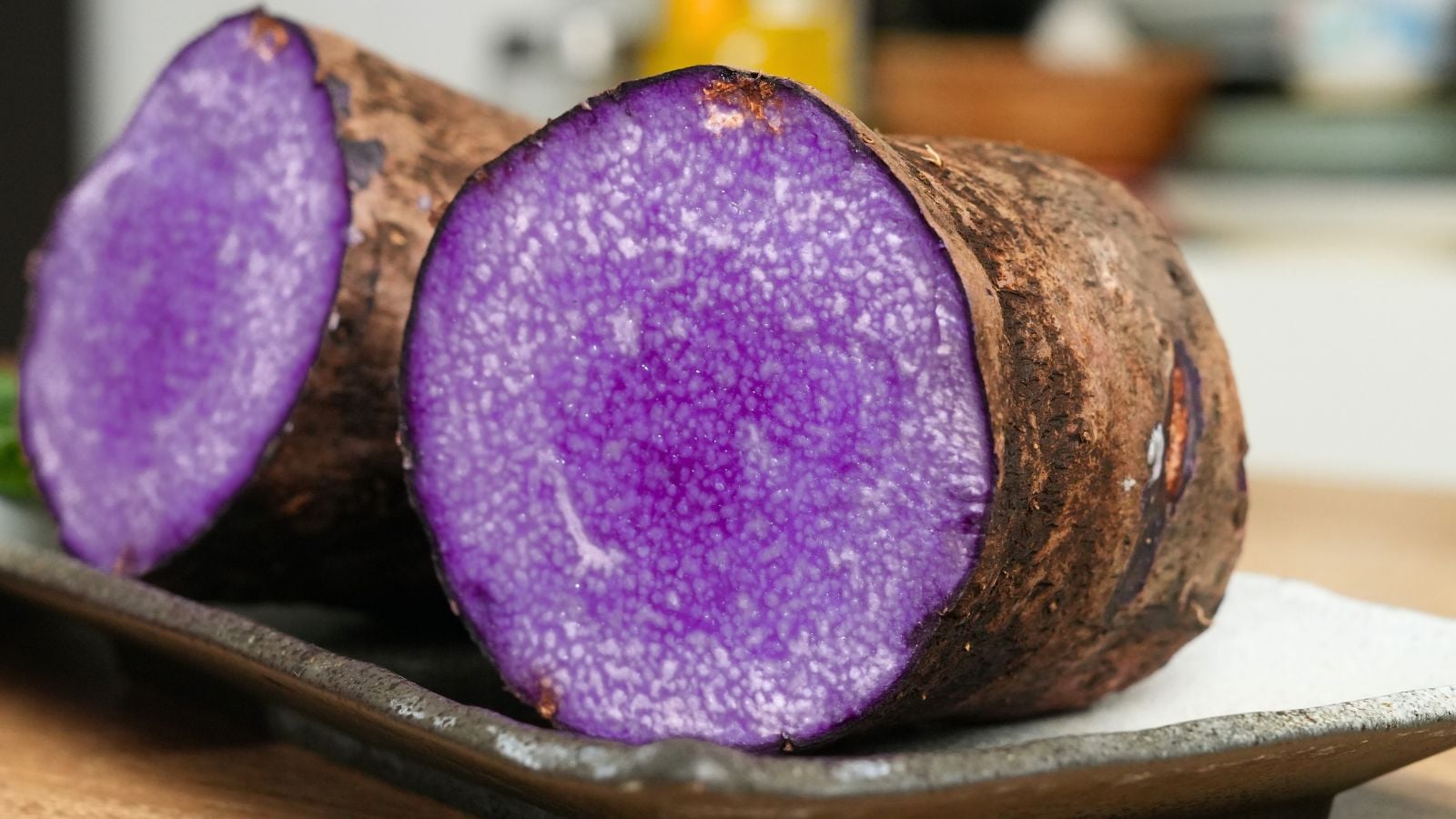
One of the most striking characteristics of winged yams is their color. Beneath the rough, earthy skin is a vivid purple flesh. Because of this, you may also hear them referred to as the purple yam plant. Unlike some other colorful vegetables, winged yams retain their purple hue after cooking, adding visual impact to any dish.
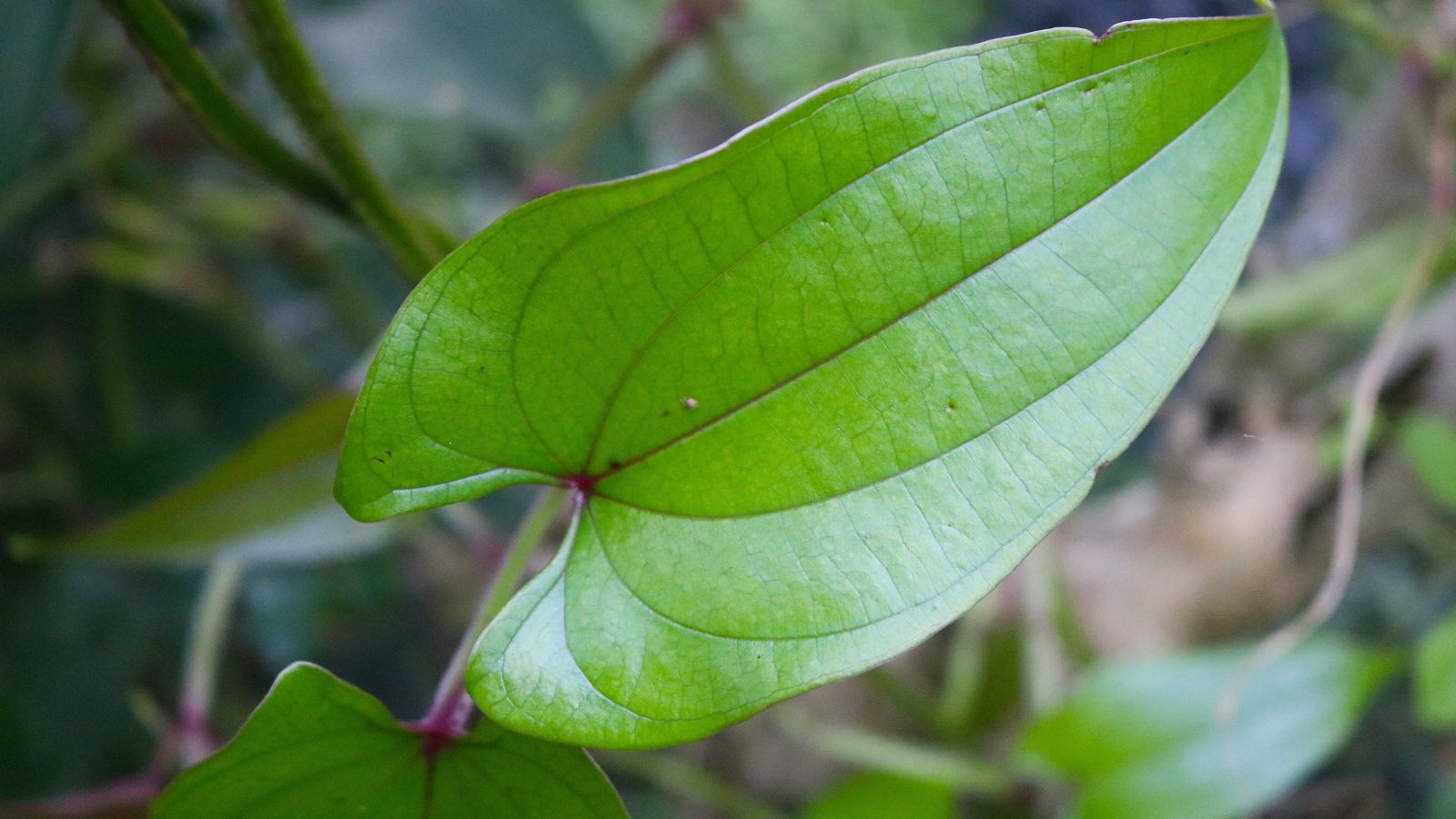
Winged yams are not only valued for their culinary uses. The plants themselves are highly ornamental, producing vigorous climbing vines with attractive, heart-shaped leaves. Under the right conditions, they may also produce clusters of pale yellow to white flowers. With their beauty and versatility, learning how to grow purple yam is well worth the effort.
Small Modular Metal Raised Garden Bed Kit – 15” Tall

Small Modular Metal Raised Garden Bed Kit – 15” Tall


Quick Care Guide

|
Common Name(s)
Winged yam, ube, purple yam, greater yam, white yam, water yam
Scientific Name
Dioscorea alata
Days to Harvest
6-8 months
|
Light
Full to partial sun
Water
Consistently moist
Soil
Loamy, loose, well-draining
|
Fertilizer
Balanced
Pests
Root knot nematodes, scale insects
Diseases
Anthracnose, mosaic virus
|
All About Ube
Let’s clear up the yam and sweet potato confusion. Though they look and taste similar, these are not the same plants. Sweet potato is part of the morning glory family, while winged yam belongs to the true yam family.
Dioscorea alata is grown around the world, which is why it goes by many different names. The common name winged yam comes from the stem’s appearance. It is square-shaped with flat ridges, or wings, along the corners. You may also hear it called water yam, a reference to the tuber’s high water content. In Philippine cuisine, these plants are commonly known as ube or ubi.
Winged yam is such an ancient plant that its exact origin is unknown, although it is believed to have originated in Southeast Asia. Classified as a cultigen, this species is only known from cultivation and may even be a hybrid. It arrived in North America in the 1500s after being introduced to Florida by Spanish and Portuguese settlers.
Today, ube remains a staple crop in Southeast Asia, West Africa, and South America, especially in the Philippines. There, it is used primarily in desserts, from cakes and ice cream to frappes. Despite its popularity as a dessert ingredient, some regions have replaced winged yam with sweet potato and other crops.
In the US, ube has become problematic. These aggressive plants can quickly take over available space and have escaped cultivation in the southern United States, the Virgin Islands, and Puerto Rico. The Florida Exotic Pest Plant Council has listed winged yam as an invasive species. As gardeners growing this plant, it is important to keep it carefully contained.
Characteristics
It is not exactly high maintenance, but growing and containing ube is no small feat. The vines are known to reach 20 to 30 feet tall and often climb nearby trees. They grow so quickly that some gardeners report up to eight inches of growth in a single day.
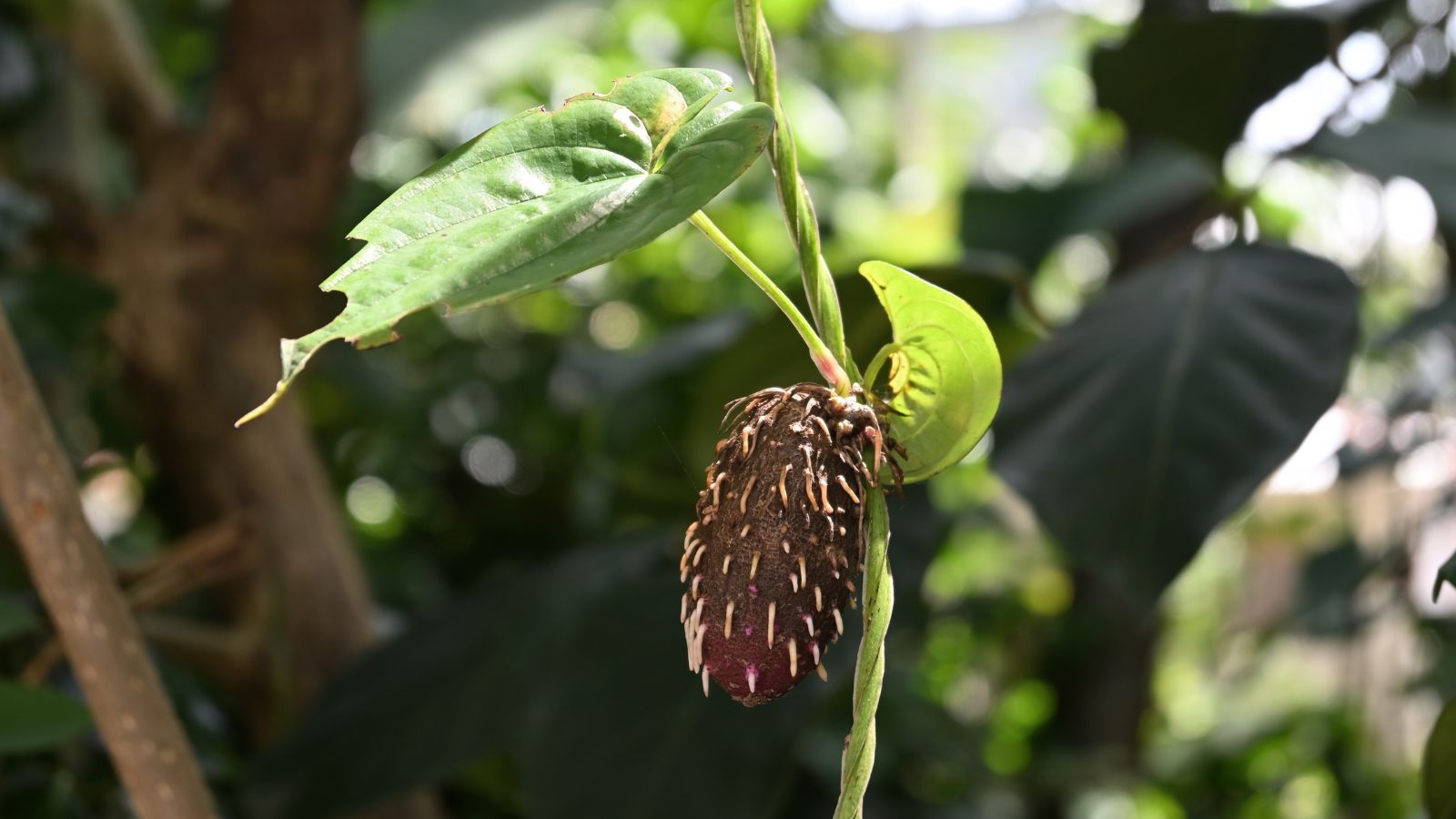
The vines are not the only part of the plant growing aggressively. Each plant produces one underground tuber. If left unharvested, these tubers can continue growing until they reach as much as eight feet long. In some cases, the vines also produce smaller aerial tubers above ground, similar to air potato. These bulbils are designed to form new plants and are excellent for propagation.
Despite their vigorous growth, ube plants are not invincible. They only survive winter outdoors in zones 9 through 11. In colder regions, they must be grown as an annual.
At harvest time, it is essential to cook the tubers thoroughly before eating, as they are toxic when raw. If any ube tastes bitter, do not eat it. Proper cooking should make the tubers safe, but bitterness is a clear warning sign.
Varieties
In most places, ube is simply ube. In others, especially the Philippines, there are many different varieties of this species. Kinampay is considered the original winged yam variety and is often nicknamed the Queen of Philippine yams. It has four further varieties: tamisan, binanag, kabus-ok, and binato.
Among these yams, different varieties often mean different flesh colors. While many, such as Zambales, stick to the classic purple, others range through softer tones of white. The Basco variety, for example, is white with a lavender tinge, while the Leyte variety can range from a creamy off-white to pale pink.
Planting
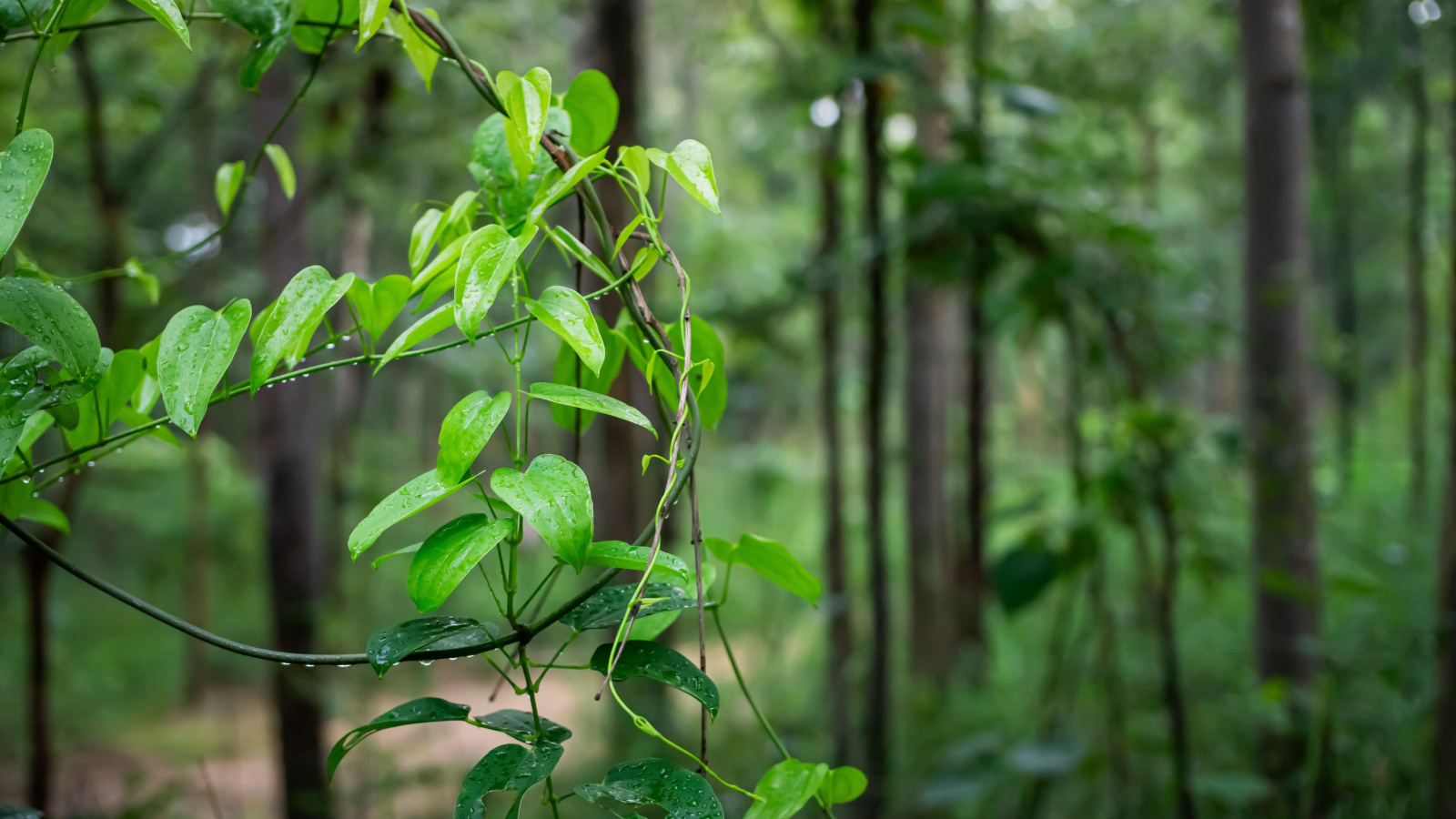
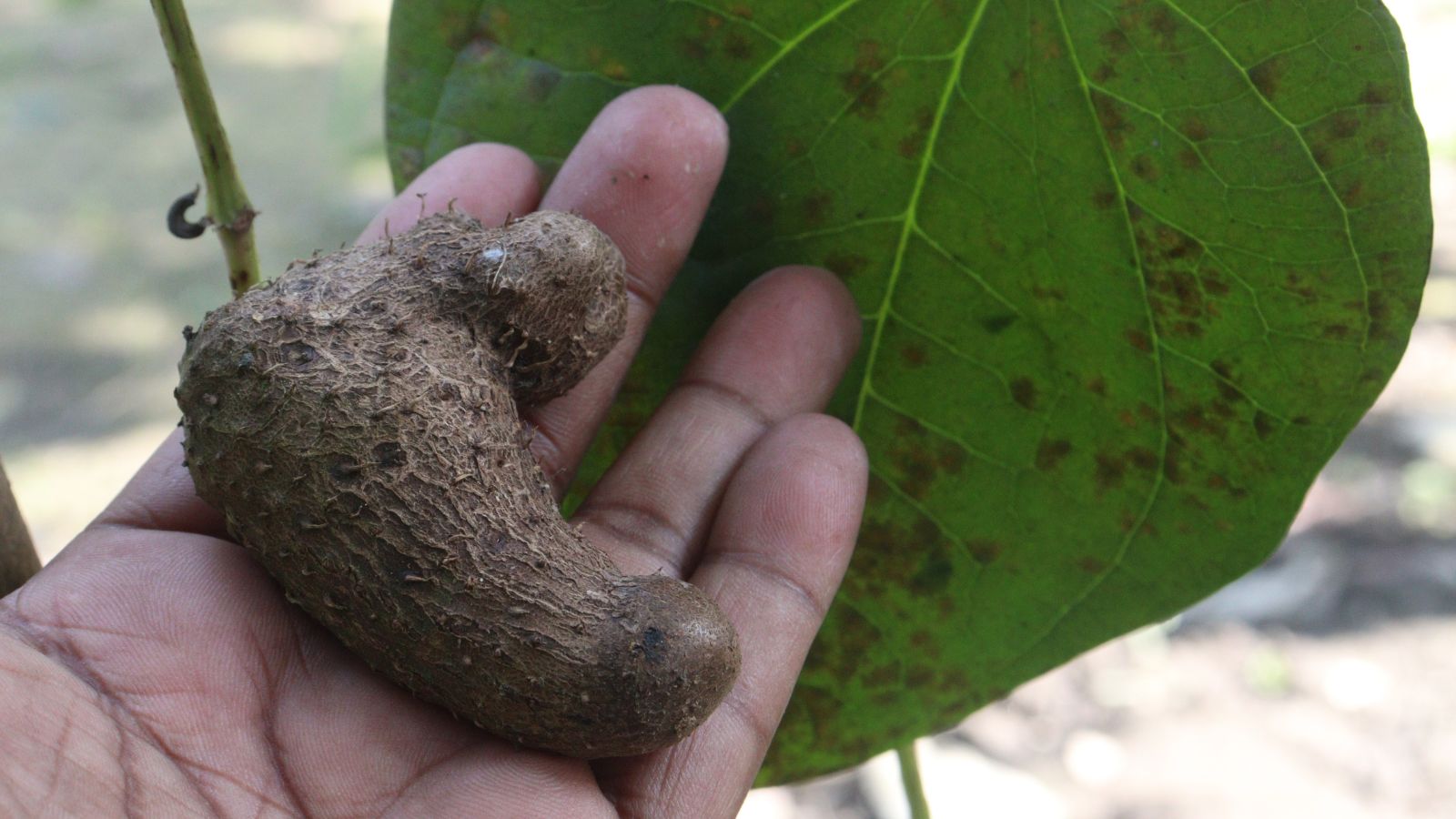
Like potatoes, ube is usually grown by planting chunks of the tuber. You can buy starter pieces online or get them from a friend. Small tubers can be planted whole, while larger ones can be cut into several pieces. Allow the cut pieces to dry out before planting or sprouting them.
In tropical regions, Dioscorea alata can be planted at almost any time of year, most often just after the rainy season. In the US, this generally translates to spring planting. Do not plant winged yams in the ground until all risk of frost has passed.
Tubers typically take anywhere from three to 12 weeks to sprout. You can speed things up by pre-sprouting the yam pieces before planting. Place them in a bucket filled with soil and keep it consistently moist. Once sprouts appear, transplant them into their permanent growing location.
Before planting in the ground, till the soil thoroughly. Growing tubers benefit from loose soil that gives them plenty of room to expand. Plant tubers four to five inches deep and space them about two feet apart. Adding a layer of organic mulch on top helps retain moisture and suppress weeds.
Dioscorea alata can also be grown in containers, but size matters. Use at least a five-gallon container and plan to harvest the tuber before it outgrows its space.
How to Grow
Ube species are pretty rough-and-tumble plants. However, you’ll get the best results by following their care preferences. Here’s what we recommend.
Light
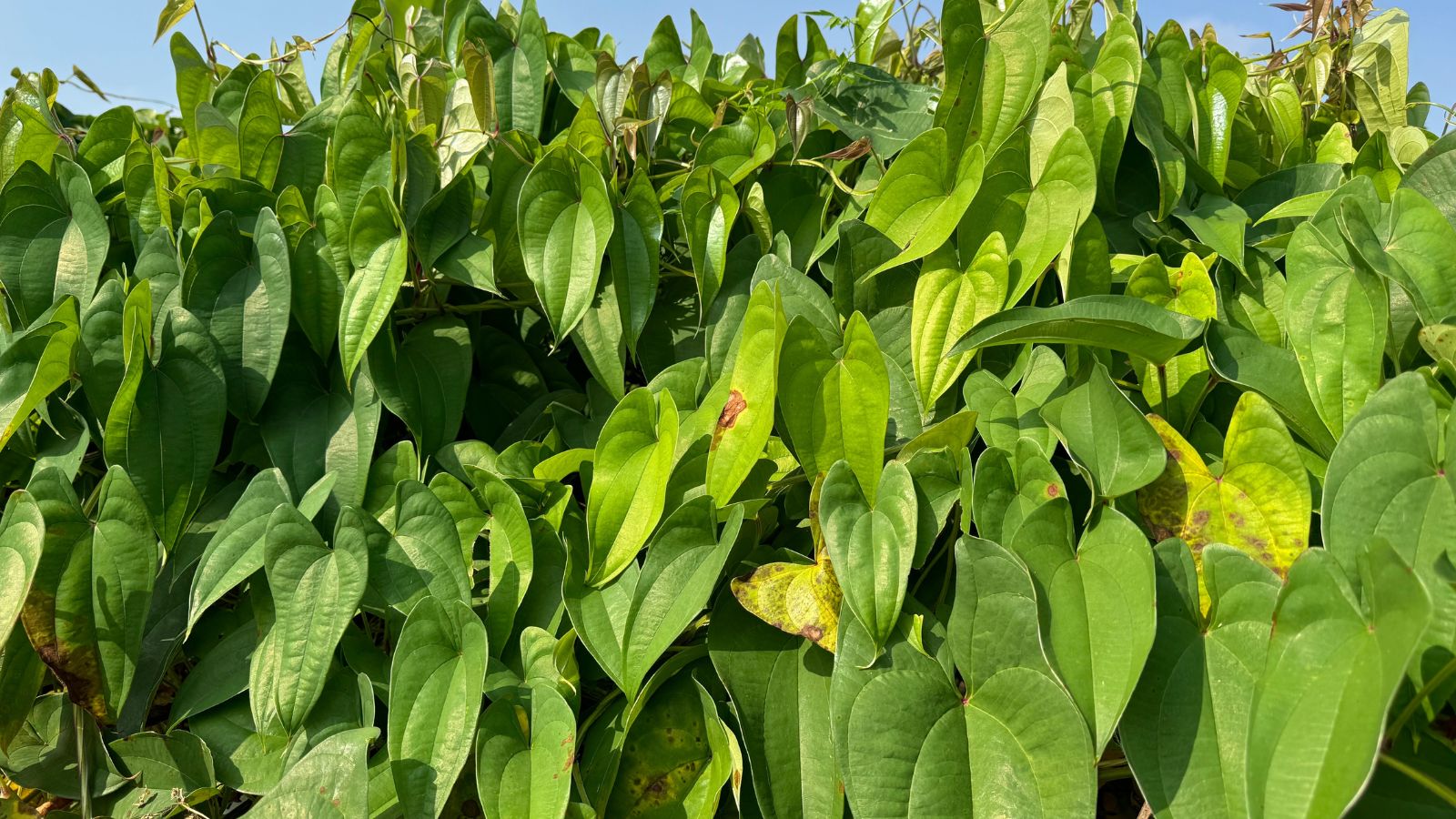
Give your winged yam full to partial sunlight. More sun will deliver better performance, but ensure it’s not too harsh in summer.
Water

Ube is drought-tolerant, but it grows best with consistent moisture. Water whenever the top few inches of soil begin to dry out. Drip lines or soaker hoses work especially well for this plant. When the vines start to die back at the end of the growing season, stop watering so the tubers do not rot.
Soil

Dioscorea alata will grow in a variety of soil types. For the best growth, however, the soil should offer a few ideal qualities. It needs to be loamy, fertile, rich in organic matter, and well-draining. Loose soil is also important so the tubers can expand without restriction. A neutral to slightly acidic pH works well for this plant.
Temperature

Since it is native to the tropics, ube prefers warm conditions, with temperatures of at least 70°F (21°C). In zones 9 through 11, these plants can be grown as perennials. In cooler regions, they will only grow seasonally. Freezing temperatures can damage both the roots and the above-ground growth.
Fertilizing

Dioscorea alata is not particularly picky about fertilizer, as long as it has access to adequate nutrients. Amend the soil with organic matter before planting and use mulch to help maintain soil health. If you want to give the plant and its aerial tubers an extra boost, apply a balanced fertilizer a couple of times during the growing season.
Pruning and Training
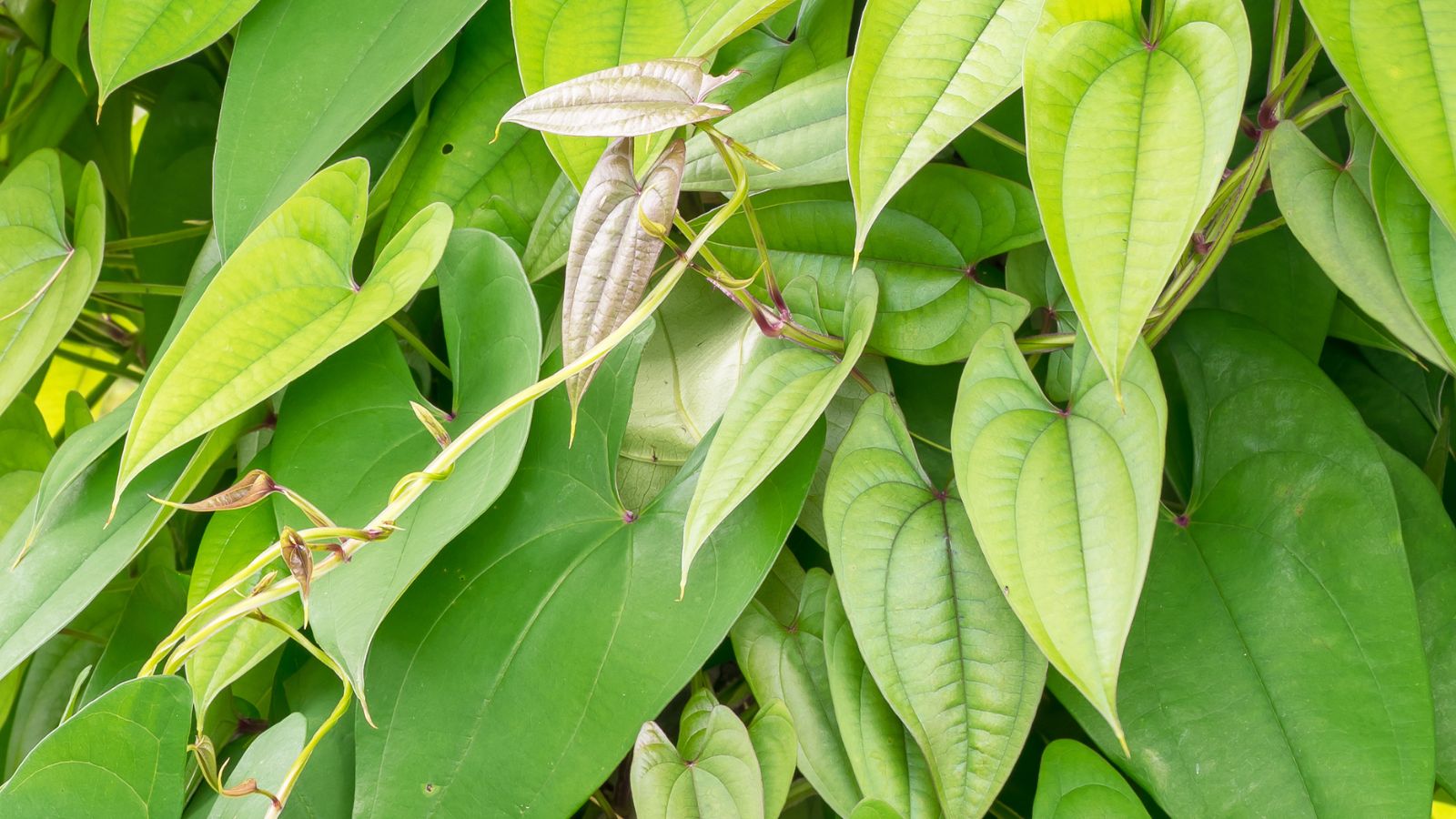
As a climber, this vine greatly benefits from a trellis or other form of support. Providing something to climb encourages stronger growth, as the vines can spread out and expose more leaf surface for photosynthesis.
You can use a trellis, fence, or even a host tree for support. If the vines do not climb on their own, gently wind them around the structure. If needed, loosely tie them in place with a scrap of fabric. Should the plant outgrow its support, prune the vines back using sharp, clean clippers.
Also, if your ube produces aerial tubers that you do not plan to propagate, remove them before they mature. This potentially invasive plant spreads readily through these bulbils, so keeping them under control is important. Destroy aerial tubers before disposal to prevent them from taking root in compost or surrounding soil.
Propagation
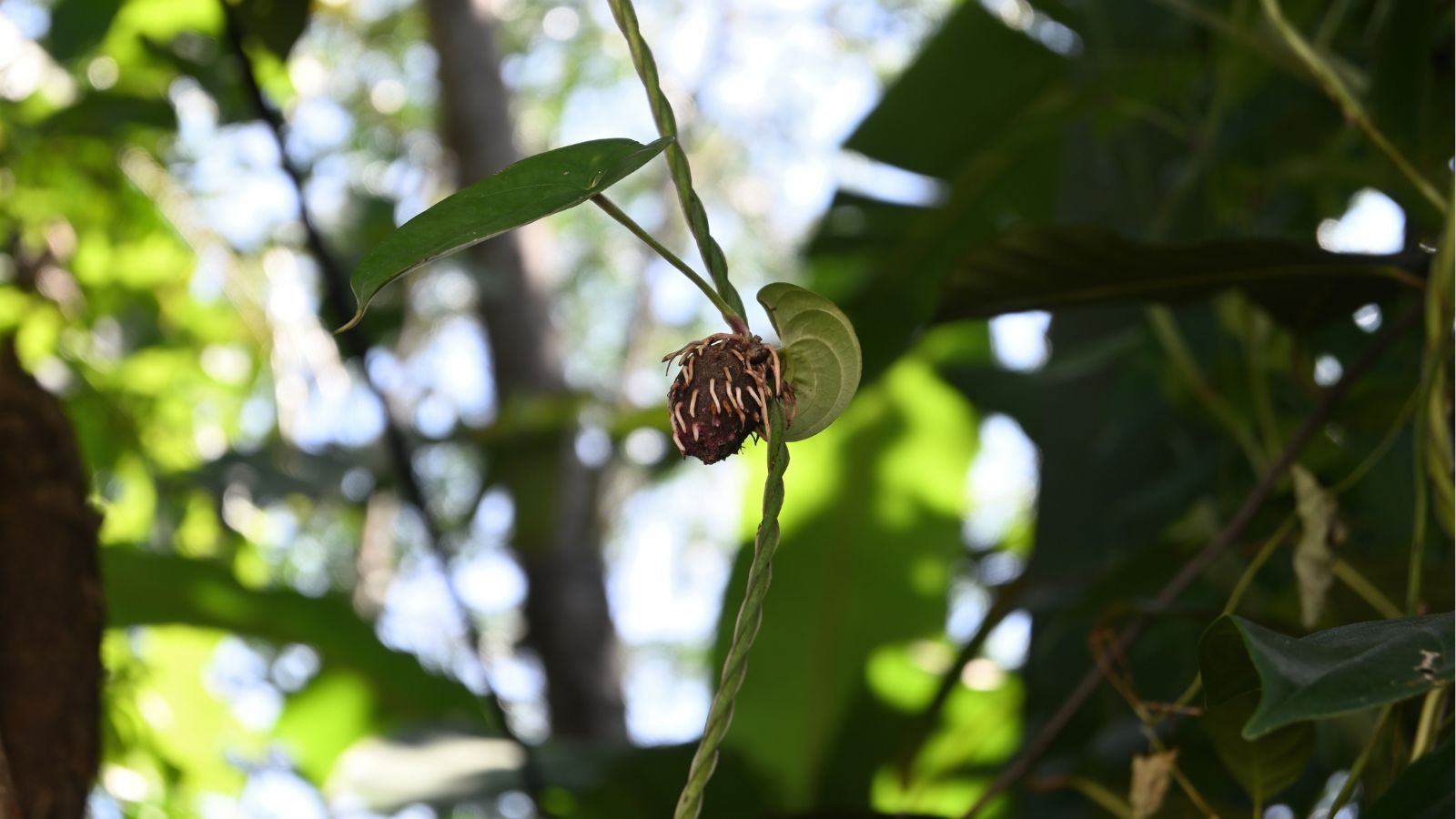
It is rare for ube to flower in much of the United States, so seed is not a common propagation method. Instead, gardeners rely on aerial tubers or root propagation. Begin by cutting the root or aerial tubers away from the main plant. Unless the tuber is very small, cut it into several chunks, as each piece has the potential to become a new Dioscorea alata plant.
After cutting, allow the pieces to dry out for a couple of days. This step is important, as fresh cuts can quickly rot once planted. To help speed up healing and reduce the risk of rot, dip the cut end in wood ash.
Once dry, bury the pieces in a bucket of soil and keep it consistently moist. After they sprout, you can transplant the young yams into their permanent growing location.
Harvesting
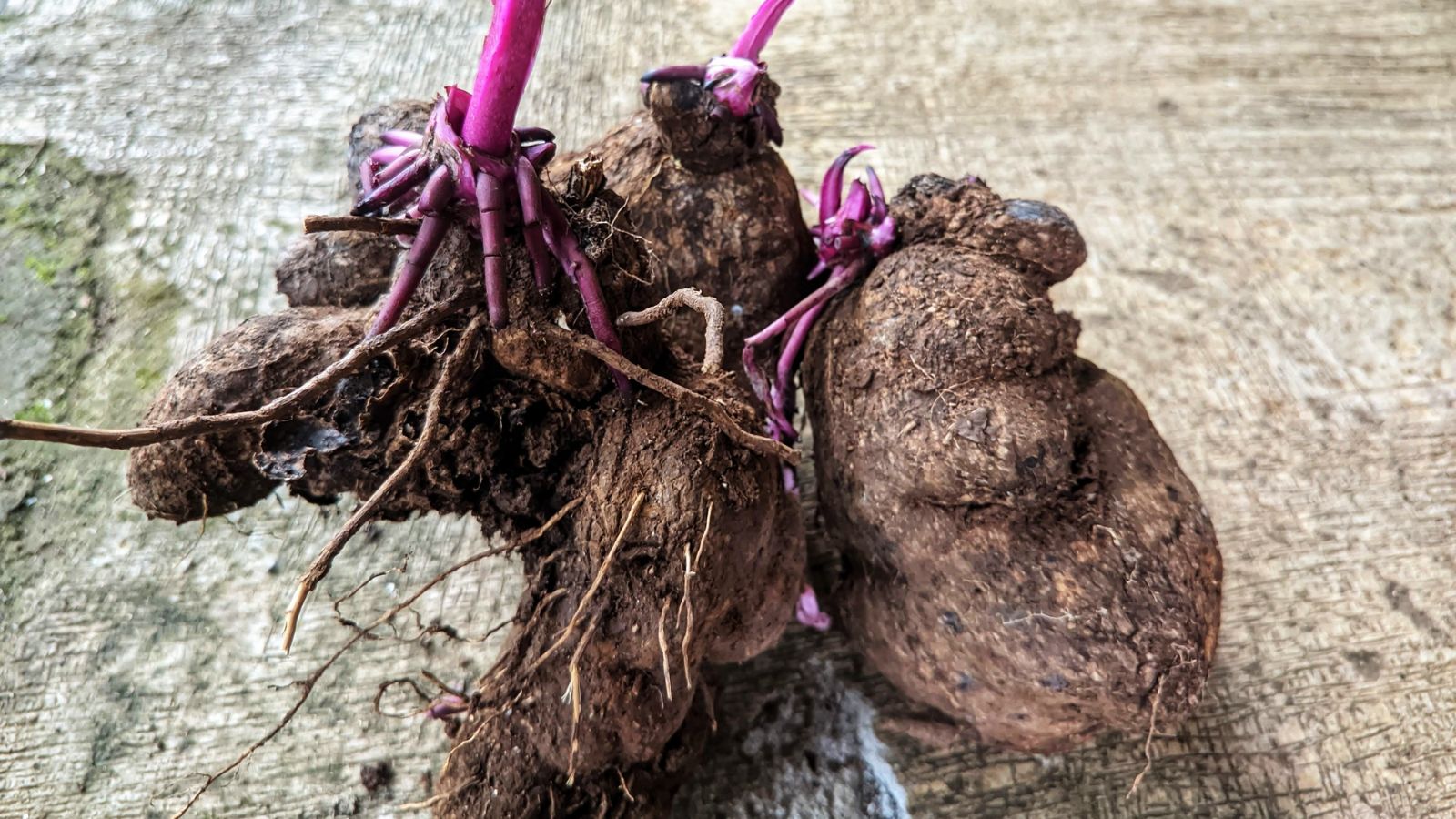
When the tubers are mature, the foliage will yellow and die back. This is your signal to grab a shovel and start harvesting. This typically happens from November through January. If frost is expected earlier in your area, plan to harvest ahead of time.
Carefully lift the entire plant, using a shovel if needed. Separate the tubers from the vine and gently brush off excess soil. That is all there is to it.
Be sure to remove all underground tubers, aerial tubers, and vines from the soil so nothing is left behind. Otherwise, this plant can easily become invasive if allowed to regrow on its own.
If you live in USDA zones 9 through 11, you also have the option of letting ube grow for two or more years. Simply leave it in the ground over winter. The plant will likely drop its leaves and go dormant for several months. By the following harvest season, you can expect a much larger yield.
Storing

You can keep freshly harvested Dioscorea alata on the kitchen counter or in the pantry. The tubers need to stay dry, or they may begin to sprout. Keep in mind that winged yams are toxic when raw, so they must be cooked thoroughly before eating. It is also a good idea to wear gloves while preparing them.
Cook Dioscorea alata the same way you would a potato. If you have a sweet tooth, there are plenty of dessert options as well, including popular recipes like ube cupcakes. When working with a very large tuber, you can cut off what you need and store the remaining portion, which will usually keep well.
For long-term storage, keep your yams in a dry location. Check them periodically and remove any pieces that show signs of rot.
Troubleshooting
You are in luck, as there are not many problems to deal with when growing ube. Still, it is worth covering a few potential issues, just in case.
Growing Problems
Greening of tubers occurs when they are exposed to sunlight while growing. This happens when the tubers begin producing chlorophyll, the same compound responsible for photosynthesis in leaves. In sufficient amounts, chlorophyll can be unsafe for human consumption. To be safe, discard any green portions of the tuber.
You can prevent this issue by keeping tubers fully covered with soil at all times during growth. If a tuber starts to push up through the soil surface, promptly mound soil over it to block out the light.
Pests

Root-knot nematodes hit this species where it hurts most, the tuber. They disrupt growth and cause knots and deformities underground. Above ground, symptoms include stunted growth and yellowing leaves.
You can help prevent these nematodes by tilling the soil thoroughly before and after each harvest and practicing crop rotation with nematode-resistant plants. For existing infestations, a nematicide may help. Geraniol- and Quillaja saponaria-based treatments are good organic options. Another approach is adding beneficial nematodes to the soil, as they actively hunt and kill root-knot nematodes.
Scale insects, especially white scales and mealybugs, are also common pests that feed on ube sap. They produce honeydew, which attracts ants and can lead to additional problems.
Prevention is the most effective strategy. Keep the soil free of debris and avoid excess moisture on the plant. Light infestations can be managed by pruning affected vines or removing insects individually with a cotton swab dipped in rubbing alcohol.
For larger infestations, insecticidal soap or beneficial predators such as lacewings and ladybugs can be effective. Neem oil or horticultural oil can also be used to target eggs and reduce future outbreaks.
Diseases
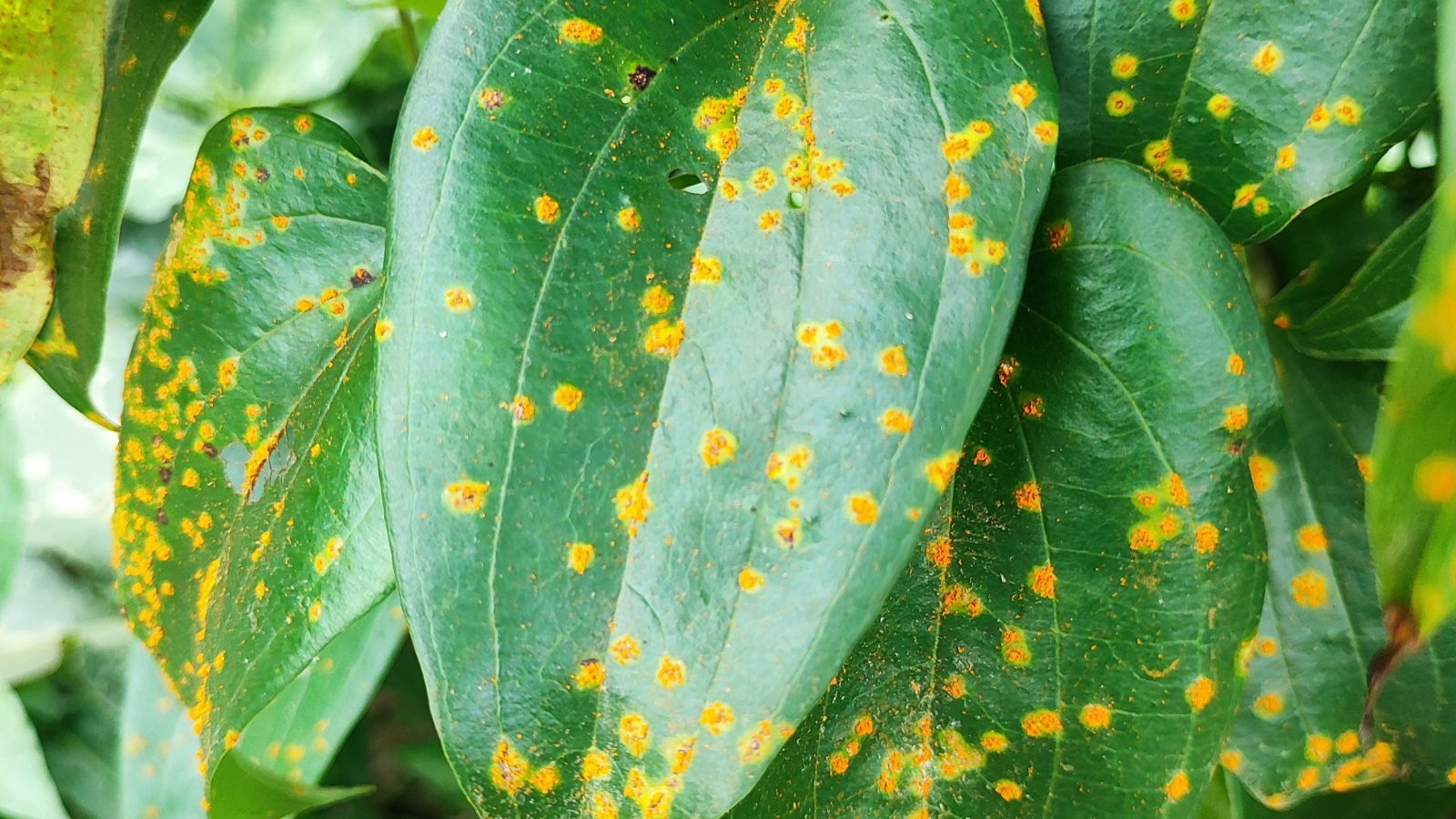
Anthracnose is a fungal disease that causes leaf spots on Dioscorea alata. Over time, infected leaves may yellow and wither, eventually dying back. While this disease is usually not fatal to the entire plant, it can significantly slow growth. Treat anthracnose with neem oil, copper fungicide, or a sulfur-based fungicide. You can help prevent it by keeping plants clean, well-spaced, and dry.
Mosaic virus creates a mottled, mosaic-like pattern on the leaves, usually in shades of yellow and green. While the coloring may look interesting, it is caused by damage to the leaf veins, which are essential for plant health. This disease stunts ube growth and can also reduce the starch quality of the tuber.
The virus is most often spread through infected Dioscorea alata cuttings, so always plant disease-free tubers. Insects can also transmit mosaic virus, making pest control an important preventative step. There is no cure for this disease, so prevention is the only effective defense.
Frequently Asked Questions
Is purple yam poisonous?
It can be, but only if eaten raw. Avoid this by cooking your Dioscorea alata completely before consuming.
Are purple yam leaves edible?
Dioscorea is often confused with sweet potato, which does have edible leaves. We do not recommend you eat the leaves of Dioscorea alata. While some yams do have leaves that are safe once cooked, this one is still a little too risky.
Is taro and yam the same thing?
No, but they’re close! The tubers look and taste similar, but taro species lacks the smooth texture and vibrant coloring of Dioscorea alata winged yam. The plants look completely unrelated, given that taro is bushy with large leaves while winged yam is a vine.





