How to Plant, Grow, and Care for Diamond Frost® Euphorbia
Perfect as a houseplant, bedding material, or a potted specimen, Diamond Frost® Euphorbia is a lovely cultivar with graceful stems and dainty blossoms. Its small root system, drought tolerance, and hardiness make it a tough plant for the home garden. Learn to plant, grow, and care for this unique perennial alongside seasoned gardener Jerad Bryant.


Contents
This popular garden plant goes by many names. You may have heard of it as ‘Diamond Frost®’ euphorbia, ‘Inneuphdia,’ or false baby’s breath. It’s low-growing, bushy, and blooms year-round in mild climates, making it perfect for borders, beds, and containers.
The Euphorbia genus is wide and variable. Some types grow like cacti, some are annual weeds, while others are tender garden specimens. This variety is a shrubby, blooming type that works well in rich soils. Where I lived in Southern California, I lined our driveway with a row of these shrubs. They filled the space with white, snow-like blossoms all year.
Here’s how to grow the gorgeous ‘Diamond Frost®’ euphorbia in your garden!
Diamond Frost® Euphorbia Overview

|
Plant Type
Evergreen perennial
Family
Euphorbiaceae
Genus
Euphorbia
Species
hypericifolia
|
Native Area
North, South, and Central America
Exposure
Full sun to partial shade
Height
12-20”
Watering Requirements
Low
|
Pests & Diseases
Root rot
Maintenance
Low
Soil Type
Well-drained
Hardiness Zone
10-12
|
What Is ‘Diamond Frost®’ Euphorbia?
This evergreen cultivar is a sport of the widespread species Euphorbia hypericifolia, or graceful spurge. The variety is patented, meaning its commercial distribution requires approval by the patent holders. You may propagate it at home for personal use, but you can’t sell it without a license.
Native Area

The original plant sprouted in Germany in a collection of graceful spurges. This specific variety, ‘Inneuphdia,’ stood out from the rest with its wiry stems and large petals. It’s a sport, meaning it matures differently from the main species because of a genetic mutation that gives it desirable growth patterns.
Though the sport sprouted in Germany, its parent, the graceful spurge, originates from the U.S., Mexico, Central America, and South America. It’s a widespread species that thrives in sunny, dry sites. It tolerates poor soils, sandy sites, and infrequent watering in its native range.
Characteristics

This Euphorbia cultivar has what looks like large, white petals surrounding clusters of smaller white flowers. The large petals are, in fact, bracts, and not flower petals. They give the appearance of snowflakes, as the tiny blooms and white bracts shine under direct sunlight.
En masse, specimens in full bloom appear white and green from a distance. Upon closer inspection, you’ll notice they have opposite green-gray leaves and thin, green stems with red markings on the leaf junctions.
Like all Euphorbia plants, ‘Diamond Frost®’ exudes milky, white sap when you cut its leaves, stems, or roots. The sap is a protective material that heals wounds and prevents pests from infesting your tender specimens. Though protective, the sap can cause rashes on contact and is poisonous in any dosage.
Planting
You must find this variety as a potted plant, as it doesn’t grow from seeds! Unlike most garden specimens, you must use asexual propagation to grow this Euphorbia. Find it available at local nurseries, or search online for potted plants from specialty retailers.
Growing in Containers

Whether outdoors or indoors, container growing is a great way to cultivate this unique perennial. It has a shallow root system, allowing it to survive well in shallow or narrow pots. Find a container that’s one or two inches larger than the current rootball, and prepare it with well-draining potting soil.
This Euphorbia dislikes soggy conditions and will perform better in gritty, dry soils than in swampy, wet ones. Mix perlite, vermiculite, or pumice into the potting mix to increase how well it drains. Put the plant’s rootball inside the pot, then backfill it with more soil until it covers the roots.
Water your plants well after potting them up, and keep a close eye on them while they adapt to their new homes. Keep them in partial shade for a week or two, then move them to their final location outdoors or inside near a bright window.
Transplanting Outdoors

You may grow these perennials outdoors in USDA hardiness zones 10 through 12. They’ll bloom year-round in regions without winter cold, and from spring through fall in areas with chilly winters. Choose a site with well-draining soil, and avoid areas with dense clay or silt.
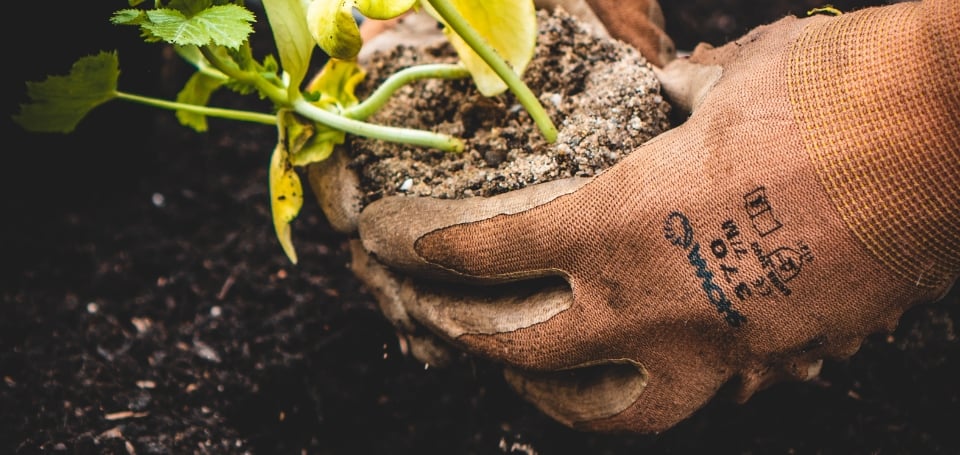
Start the transplanting process by preparing the planting hole. Dig holes as deep and twice as wide as your plants’ rootballs. Place the roots inside the holes, then top them off with the soil you dug out earlier. Ensure the dirt is level with the ground, then water the site well and let it settle.
After settling, some shrubs may sink into their holes or have dirt lower than the surrounding soil. Pull the shrubs up if they sink too low, and add more soil on top of the dirt if it settles below ground level.
How to Grow
Easy-growing and relatively low-maintenance, ‘Diamond Frost®’ euphorbia specimens thrive in a wide range of conditions. Give them what they need and they’ll bloom profusely throughout the warm months, whether you’re growing them as bedding material, houseplants, or annuals.
Light

Full sun and partial shade are the best exposures for this Euphorbia variety. It grows best with between three and eight hours of direct sunlight. The more shade it receives, the leggier and less compact it’ll grow. Grant it sufficient sunlight to promote dense, even branching throughout the plants.
Indoors, the specimens need lots of light to thrive. Grant them bright light for most of the day, with as many hours of direct sunlight as possible. They grow well under grow lights in dark rooms. Pair them with other sun-loving houseplants and overwintering perennials, like poinsettias, amaryllis bulbs, and Christmas cacti.
Water

Unlike most evergreen perennials, this cultivar needs little water during the growing season. It’ll tolerate moist garden soils, and it particularly dislikes soggy, wet sites. Discourage rots by waiting for the soil to dry before watering the roots.
Container specimens may dry quicker than those in the ground. Though this Euphorbia is drought tolerant, it still needs some water to grow its best. Check the soil weekly, and water well if it’s dry a few inches down.
Soil

Well-draining soil is the best kind for ‘Inneuphdia.’ Sandy, quick-drying mixes are suitable for propagation, as are most blends made for cacti.
In sites with poorly draining soils, consider amending the area with compost to encourage good drainage in the future. Compost adds organic matter, microbes, and worms that break up dense soils into loose, crumbly ones.
Avoid adding sand to clay, as it can cause a concrete-like mix to form when it gets wet and dries repeatedly. Consider keeping the plants in containers until the ground is ready for planting, and let compost or leaf mold improve the earth while you wait.
Temperature

Heat-loving evergreens, these perennials grow best in warm, sunny climates. Full sun is best, and partial shade works well.
There are two options if your area receives winter frosts: treat the plants as annuals, or overwinter them indoors until spring warmth returns.
Fertilizing

Thriving in poor soils, these stunning specimens grow well without fertilizer. You may add compost around their roots to encourage healthy growth, though it’s not necessary. Add a layer two to three inches thick, and water it well to let it seep in.
Maintenance

Unlike most flowering shrubs and annuals, this Euphorbia cultivar doesn’t require deadheading to prolong its bloom period. It blooms based on temperatures, flowering well when the weather is warm.
The only task you may have to perform is pinching. Pinching helps encourage dense growth, especially on leggy, indoor plants that grow with low light over the winter. Pinch the stem tips in spring to encourage bushy new growth.
Propagation
The flowers wither away before producing seeds, making this variety infertile. Use cuttings or divisions to propagate new specimens from an existing plant.
Cuttings

To take cuttings, start in spring or summer when the days are long and warm. Wear gloves to protect your skin from the toxic sap. Choose four to six-inch portions of the plant with ample leaves and buds, then chop them off the main stems.
Place the cut stems in pots with potting soil, and keep them moist, but not soggy. Use small trays and uppot the plants as they sprout roots, or start them in larger containers like 5” cube pots. Once roots poke out of the bottom of the drainage holes, the plants are ready for transplanting.
If the cuttings are slow to root, consider adding a humidity dome over the top growth. The dome increases humidity levels around the cuttings, helping them form roots and new shoots.
Division

Over time, mature specimens may root from their aboveground stems. These widespread root systems form dense patches that you can divide with a sharp shovel or spade. Start by taking a good look at your plants—see if they have ample roots, multiple growth points, and rooting stems.
Once you have a good idea of your shrubs’ conditions, begin dividing them with your spade. Dig down into the center of the mound, separating it into two or three new portions. Take care to ensure each portion has ample roots and shoots.
Dig out the new portions, plant them in containers or the ground, and place one of them back in the original hole. Cover the divisions with the garden’s soil, then water them well. They’ll form new mounds over the year that you can divide or take cuttings from in the future.
Popular Varieties
Diamond Frost® is one of the most famous shrubby Euphorbia species, though many others also have unique growing habits. Consider these three types if you’re looking for similar specimens that thrive in garden settings.
‘Hip Hop’

‘Hip Hop’ is incredibly similar to the popular cultivar, growing white petal-like bracts and grayish-green leaves in mounds. They’re so similar that it’s difficult to tell them apart! This type may spread a bit taller and wider than the original one, though it’ll stay under two feet tall.
‘Silver Fog’

‘Silver Fog’ sprouts silver-tinged leaves, though I think they look just like the original! Try growing this variety to see how silver the leaves are, and determine if they’re more silver than ‘Inneuphdia.’ Plant the two right next to each other to compare them.
‘White Manaus’

‘White Manaus’ grows taller and wider than Diamond Frost®, like ‘Hip Hop.’ It’s a hardy choice for large, open spaces. Plant it en masse to cover up bare spaces and blanket the sites with evergreen growth.
Another clever use is in containers lining a doorway or pathway. Place one on each side of the door to create an impactful design you’ll see every time you walk through the area.
Common Problems
You’ll rarely experience issues when cultivating these Euphorbia varieties. They’re pest and disease-resistant, partially because of their toxic, protective sap. Watch for the occasional slug or snail during wet weather, and discourage rots with proper soil and watering habits.
Pests

Though Diamond Frost® Euphorbia is pest-resistant, slugs and snails may target young plants when they’re active. These indiscriminate eaters are famous for their ability to de-leaf the garden! Capture them at night using a flashlight and a bucket of soapy water. You may also lure them with bread slurry and beer traps.
Diseases

Root rot is the main pathogen to manage. It’ll target those plants in the soggiest of conditions. Avoid planting the shrubs in dense clay or silt, and protect the ground from excess rainfall or irrigation.
If root rot does occur, you may not be able to save the original plant. Take cuttings from the stem tips to try again with new plants.
Frequently Asked Questions
Can you cut back Diamond Frost® Euphorbia?
Yes, you can! You may pinch the stems to encourage bushiness, or cut back the plant as you’d like to control its size.
How do you propagate Diamond Frost® Euphorbia?
Propagate it with stem cuttings or divisions. Do so during the growing season when the Euphorbia plants are actively growing.
Can Diamond Frost® grow in the shade?
It can grow in partial shade with between three and six hours of direct sunlight. Avoid well-shaded sites, as this Euphorbia needs plenty of sunlight to thrive.