40 Cucumber Varieties You Must Grow
There are over a hundred cucumber varieties worldwide. While we won't address them all, we're sharing a list of 40 of our personal favorites!


Contents
There are so many cucumber varieties (over 100) that it may feel overwhelming to decide which cukes to plant in your garden. Here we’ll discuss a few favorites with the characteristics that set them apart and make them a great choice for any home garden. Cucumbers are among the most popular plants grown in home gardens, right alongside tomatoes and peppers. After all, is a summer salad complete without a homegrown cucumber? Not for me!
Most cucumber plants produce separate male and female flowers. In order for them to produce fruit, a pollinator must land on the male flower and then move pollen over to the female flowers. There are also parthenocarpic cucumbers which are varieties that produce mostly female flowers, which make this process even easier, ensuring more fruit. They are also often referred to as self-pollinating.
The types of cucumber that you’ll commonly find in the grocery store are slicer cucumbers and English cucumbers, though as you’ll see below, there are so many different varieties and types! So whether you’re looking for cucumbers for fresh eating, pickling, seedless, or just to add some visual interest to your garden, we’ve got the cucumber for you.


Slicing Cucumber Varieties
Slicing cucumber varieties are primarily used for, well, slicing! These types of cucumber are best for fresh eating and sliced for a salad or sandwich. They generally have high water content and thin dark green skin. Slicing cucumbers most closely resemble the cucumbers that you see in grocery stores.
Marketmore 76

Probably the most common heirloom cucumber variety that is known for its ability to produce uniform fruit that holds up well during shipping making it a popular choice for market growers. The Marketmore cucumber was developed by Dr. Henry Munger at Cornell University, and this open-pollinated strain was released in 1976. Resistant to angular leaf spot.
Straight Eight

These types of cucumbers are named for their perfectly straight 8-inch long fruits, each with a small seed cavity. Straight Eight is the epitome of a slicing cucumber. They are best eaten raw but can also hold up to pickling. Grow these on a trellis to give them plenty of room to reach their mature size.
Silver Slicer

Similar in size and appearance to Straight Eight, a sweet slice from members of these cucumber cultivars have white skin. Cucumbers will often turn bitter in the summer heat, but this cucumber can tolerate warmer weather without losing its sweet flavor. It is also resistant to powdery mildew, making it a great choice for growers in humid climates.
Longfellow

Longfellow was introduced in 1927 by Jerome B. Rice Seed Co. of Cambridge, New York. Fruits that grow up to 12-inches long make this longer than most modern-day slicers. They’re easily recognizable by their dark green fruit, which can appear almost black.
Arkansas Little Leaf

This bush-type variety produces compact plants that are perfect for container growing. It is highly resistant to bacterial wilt, cucumber mosaic virus, mildews, scab, and leaf spots. The thin-skinned fruits are small, 3-4 inches, and more closely resemble a pickling cucumber. However, they can also be eaten fresh.
Mini Munch

Often referred to as a snacking cucumber or lunchbox cucumber, this variety produces thin-skinned cucumbers with a crisp texture that makes them perfect for eating raw. This is another of the bush cucumbers that is good for growing in small spaces and also powdery mildew resistant. Fruits will grow to be about 3-4 inches long.
Early Fortune

Also known as Special Dark Green because of its deep green skin. This variety of American slicing cucumbers was introduced in 1910 by Jerome B. Rice Seed Co. of Cambridge, New York. The plant will produce cucumbers that have a crunchy texture and a slightly sweet flavor. For a sweet slice, look no further.
Japanese Climbing

As its name would suggest, these vining cucumbers love to climb. Growing Japanese cucumbers on a trellis is a must as the vine can reach 6 feet long. Its flavor has been described as tender, crisp, and slightly tart. Japanese cucumbers are another one of those types of cucumber that are perfect for slicing but can also be used for pickling.
Spacemaster

Another bush variety, with compact vines, is good for small spaces. This variety can even be grown in a hanging basket. This cucumber plant produces large, flavorful fresh cucumbers perfect for slicing and fresh eating their crunchy texture.
Sugar Crunch

Again, the name of this one is a dead giveaway. This cucumber is known for its remarkably sweet flavor and crispy texture. This plant will produce medium green, thin-skinned fruits.
Persian Cucumbers

Persian cucumbers are excellent slicing cucumbers with thin skins and mild flavor. The main distinguishing factor between this and other slicing cucumber varieties is they are nearly seedless and have a marked crispness that is delicious for eating raw. The fruits of this cucumber plant with compact vines are eaten small, too.
Bush Champion

These are great cucumbers to grow if vertical cucumber gardening isn’t possible. Bush champion has large fruit that has a light crispness and mild flavor.
Pickling Cucumber Varieties
Unlike slicing cucumbers, types of cucumber among pickling varieties have a thicker skin and lower water content which helps them stand up to the pickling process and retain some crispness. These cucumbers can also be eaten fresh, but they shine when stored via pickling.
Boston Pickling

This heirloom is probably the most popular of the pickling cucumber varieties and is most widely available at local nurseries. These cucumber plants produce a high yield of short, spiny cucumbers perfect for pickling. Make sure to pick these cucumbers when they are 3-4 inches long. Otherwise, they can turn bitter.
Picklebush

The particular variety is a Burpee exclusive which is known for being especially tolerant to powdery mildew and cucumber mosaic virus. It’s a great option for gardeners who have struggled with these issues in the past. These bright green fruits are resistant to the watermelon mosaic virus as well.
A&C, also known as Ace Pickling

This variety was introduced in 1928 by Abbot and Cobb of Philadelphia, Pennsylvania. These grow rather large for pickling cucumbers, about 10” long, with dark green flesh.
Calypso

3” long pickling cucumbers that are resistant to many diseases. This high-yielding hybrid will provide you with plenty of cukes for pickling. Pick them small and often to encourage more production.
Chicago Pickling

This is another dual-purpose cucumber that can also be harvested at a larger size, around 7 inches, for use as a slicer. Harvest it on the smaller size, around 3-4 inches for use as pickling cucumbers.
Wautoma

Developed by the USDA and another highly disease-resistant variety. Bitter-free and produces virtually seedless cucumbers. They are medium green and have bumpy skin.
County Fair

This is a bush variety that’s perfect for small spaces and containers. It would do well on a balcony or patio. Resistant to bacterial wilt and does not require a pollinator.
Supremo

A high-yielding pickler with moderate resistance to most diseases. These plants produce fruits with dark green skin and a mild taste.
Double Yield

Early to mid-season harvests make this a great variety for short-season growers. They produce light green fruits with black spines. They can also be eaten raw.
Excelsior

Produces 4-5 inch, spiny fruits. Self-fruitful and does well in areas where pollinators may be lacking, like in a greenhouse or under row covers. They would also do well in other areas not readily accessible to pollinators, such as a high-rise patio or balcony.
Endeavor

These Kirby cucumbers have a crisp texture and sweet taste, which makes them good for also eating fresh. The plants are resistant to cucumber mosaic virus and downy mildew.
National Pickling Cucumber

These are a lot like most cucumbers with thin skins and a refreshing taste. National pickling cucumbers are known for their high yield and crispness. Eating cucumbers like these mean the taste of sweet success isn’t far away!
Seedless/Burpless Cucumber Varieties
These thin-skinned types of cucumber generally have very few seeds. Any seeds that are present are usually so small that they’re barely noticeable (like the English cucumber that you may find wrapped in plastic wrap at your local grocery stores). Burpless cucumbers are bred with lower levels of cucurbitacin, which is what makes some cucumbers taste bitter. Cucurbitacin levels are highest in the skin. Therefore, burpless cucumbers are generally thin-skin and have a sweet taste. Most burpless cucumbers can also produce fruit without pollination.
Sweet Success

Produces 12-inch long dark green fruits with a sweet taste. These belong to a group of parthenocarpic cucumbers which means they will set fruit without pollination.
Burpless Beauty

Known for their crisp texture and lack of seeds. These dark green cucumbers grow on a vine that will do best supported by a trellis. Give them the space to sprawl, and you’ll be rewarded with plenty of seedless cukes.
Garden Sweet Burpless Hybrid
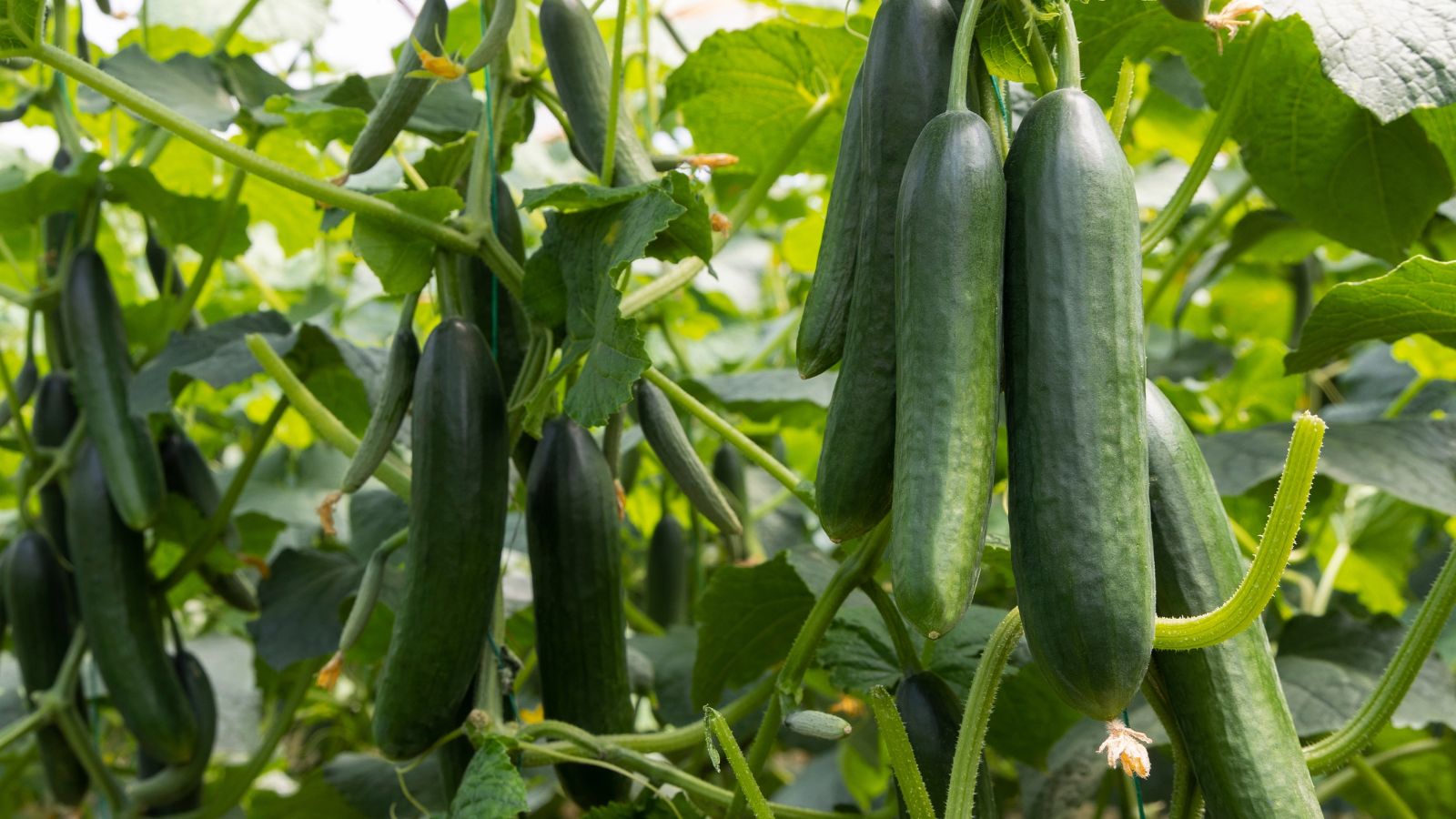
Medium green 10-12 inch long fruits with faint stripes resembling a pickling cucumber. This seedless cucumber can be eaten fresh or pickled.
Muncher Cucumber

Another dual-purpose cucumber is great for both slicing and pickling. Muncher cucumbers resemble the Persian cucumber, and their sweet flavor makes them wonderful shredded and added to tzatziki or pickled for relish.
Tendergreen

Medium green skin with black spines and extremely tender and sweet. If left on the vine to fully mature, their smooth skin can appear almost black. Check out our selection of Tendergreen Seeds from San Diego Seed Co!
Green Dragon

Produces long and slender cucumbers with light green skin. These cucumber plants have disease resistance to cucumber mosaic virus, powdery mildew, downy mildew, and scab.
Summer Dance

These Japanese cucumbers are glossy deep green and grow to produce 9-inch fruits. These can be eaten raw or pickled and are especially good for making bread and butter pickles.
Beit Alpha

This variety was developed in Israel and is becoming popular in America. These heirloom cucumbers are also parthenocarpic, which makes them ideal for growing inside greenhouses or even during the winter in an indoor grow tent since pollinators aren’t required for fruit to form.
Perseus
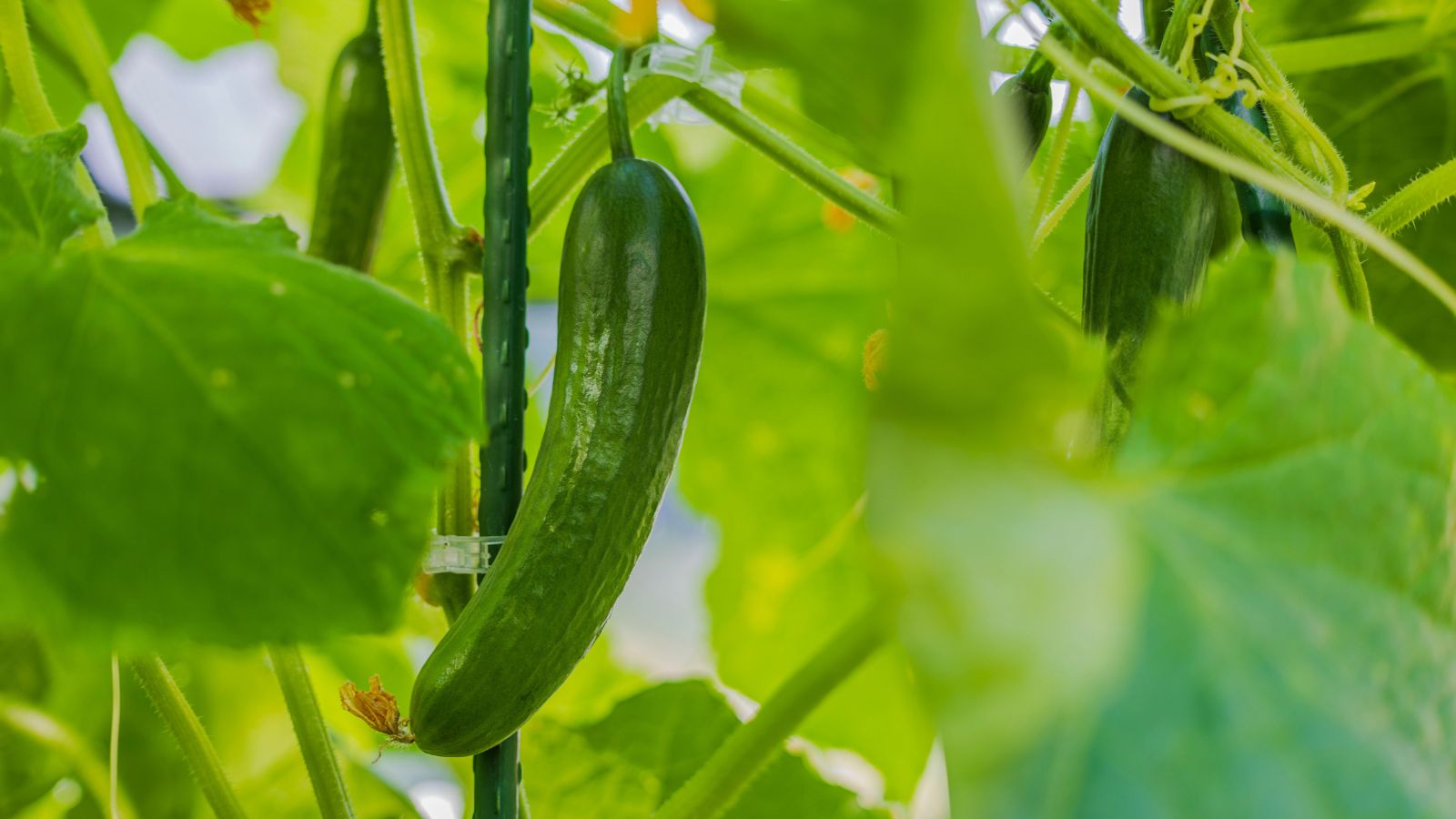
This variety is a hybrid Beit Alpha type and shares similar qualities mentioned above. The caveat is that this variety does require pollinators in order to set fruit.
Chelsea Prize

This English cucumber grows to be 12-15 inches long and is most like the variety of English cucumbers that you’ll find in the grocery store. This seedless variety has a thin skin, very few seeds, and a refreshing taste.
Unique Cucumber Varieties
Cucumbers come in so many sizes, shapes, colors, and growth habits (bush pickle vs. vining). Below we’ll discuss a few unique types of cucumber. There are also poisonous cucumbers! Although you won’t find those at your local nursery or seed supply store.
Suyo Long

As its name would suggest, this variety produces very long and often curved fruit. They can be 18 inches long at maturity. These heirloom cucumbers come from China. Mild flavor, burpless cucumbers.
Lemon Cucumbers

The heirloom variety, lemon cucumber has been around since 1894. These have a mild flavor and are less apt to develop a bitter taste. These round cucumbers are tennis ball sized with creamy yellow skin. Although they look like lemons, the lemon cucumber has a classic cucumber flavor. Lemon cucumbers have a thin skin.
Kiwano, aka Jelly Melon

This is technically not a cucumber and is actually a melon (Cucumis metuliferus). It is also commonly known as an African cucumber melon or horned melon. It has a bright orange spiky skin, but the inside is green with large seeds that look like cucumber seeds. It tastes like a cucumber and therefore is often treated as such.
Little Potato

This variety is originally from India, and with a brown blotchy thin skin, it resembles a small potato. Its flavor has been described as mild, even lemony.
Crystal Apple

These cucumbers grow into 3-inch oval-ish fruits, pale yellow, and look like apples! This variety was introduced by the Arthur Yates seed house of Sydney, Australia.
Boothy’s Blond

Imagine a standard pickling fruit, short and blocky, with bumpy skin. That’s Boothy’s Blonde, but with a yellow complexion. Sweet and crisp fruits that are great for fresh eating or pickling.
Edmonson

A hardy cucumber with disease resistance, pest resistance, and very drought tolerant. It has white skin that matures to a deep red-orange, and it is great for pickling.
Miniature White

These specialty cucumbers are not grown commercially and are generally found on small farms and in home gardens. Harvest cucumbers when they are at or under 3 inches long for the best taste. Their white skin adds visual interest to your cucumber beds.
Poona Kheera
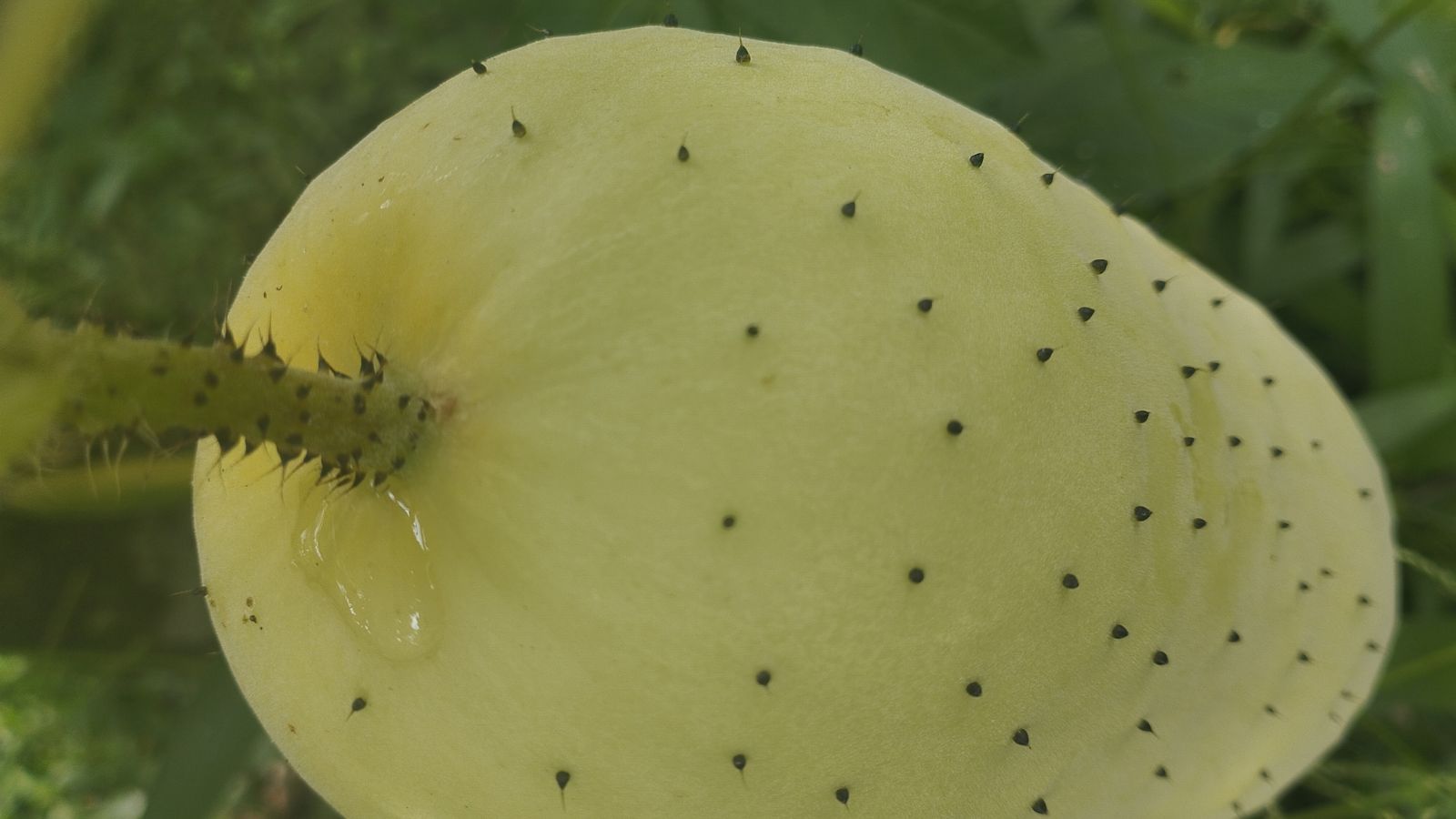
Another variety originated in India and is similar to the little potato. Fruits begin light green in color and slowly mature to look like russet potatoes. This heirloom has smooth skin, juicy flesh, and a crisp taste.
Armenian Cucumber

Like the Kiwano, Armenian cucumbers are not actually cucumbers, but rather a melon. However, Armenian cucumbers’ appearance resembles an English cucumber (though lighter in color), as does the taste. They are grown and consumed much like cucumbers.
Frequently Asked Questions
How many different varieties of cucumbers are there?
Over 100 varieties! Many seed companies continuously create new hybrids each season.
What is the most common cucumber?
Marketmore 76 (slicing), Chelsea Prize (seedless), Boston Pickling (pickling), and Kiwano are all varieties that can readily be found at most supermarkets or specialty stores.
What is the sweetest type of cucumber?
Sweet success has been described as one of the sweetest tasting cucumbers.
What are the easiest cucumbers to grow?
Straight Eight is one of the easiest to grow dual-purpose cucumbers that can be used for both slicing and pickling.
What are the three types of cucumbers?
Slicing, pickling, and seedless/burpless.