How to Plant, Grow, and Care for Cucamelons
The cucamelon plant, sometimes called mouse melon or Mexican sour gherkin, produces tasty thumb-sized treats. They are wonderful plants to grow in your vegetable garden, especially for children. Our guide shares growing tips to ensure your vines thrive!


Contents
In the summer of 2021, I ventured into the back portion of my yard, an area overgrown with bamboo, and discovered vigorous vines climbing through the canes. The leaves immediately stood out and suggested the plant belonged to the cucurbit family. After some initial confusion, I learned it was a cucamelon plant.
Cucamelon plants have a long history across the global south, from Venezuela through Mexico. Indigenous peoples first cultivated them, and they have close relatives throughout the world. This unusual plant is remarkably easy to grow and attracts very few pests. There is little reason not to include cucamelon seeds in your summer garden plans.
So how do you care for cucamelon vines? If you want to add them to your garden, keep reading. Follow these growing tips and you can expect ripe cucamelons during the height of summer, along with a generous harvest that allows you to grow them for many seasons to come.
Mouse Melon Cucamelon Melon Seeds

Cute, grape-sized fruits look like tiny watermelons with a cucumber flavor, often with a hint of tartness. Pickle and add to a martini for a fun visual twist! Also called sandita or Mexican sour gherkin because the fruits turn more sour as they mature.
Buy at Epic Gardening Shop
Quick Care Guide

|
Scientific Name
Melothria scabra
Days to Harvest
60 to 75 days
Light
Full sun
Water
1 inch per week
|
Soil
Rich, well-draining
Fertilizer
Fish emulsion only in the poorest soils
Pests
None
Diseases
Downey mildew, powdery mildew, cucumber mosaic virus
|
All About The Cucamelon Plant

Cucamelon plants, known scientifically as Melothria scabra, are commonly called mouse melons, Mexican mini watermelon, Mexican sour gherkin, or pepquinos. The common name used often depends on cultural context. Because the plant has indigenous origins, many traditional names translate to “mouse melons” in English.
Cucamelons have been used for both food and medicine by indigenous peoples in Central and South America since long before colonial times. They later reached North America through colonization. In 1866, a French botanist formally classified the plant, although debate still surrounds this classification due to its close resemblance to many cucurbit relatives found worldwide.
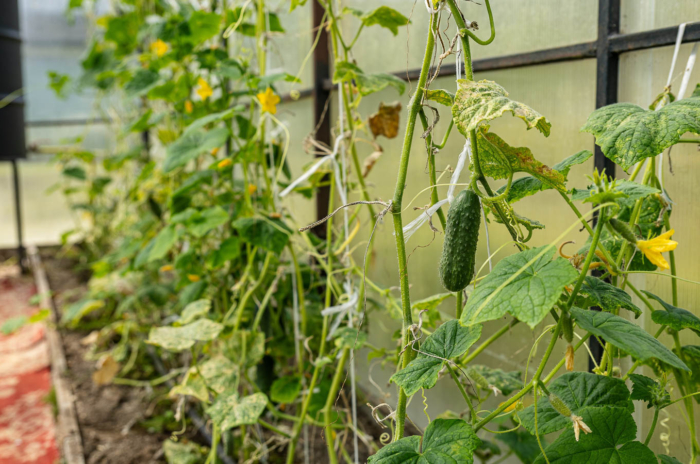
Cucamelon vines are vigorous growers, reaching eight to nine feet in length. Seeds germinate within 10 days when sown in early spring. The leaves measure one to three inches wide and resemble those of domesticated cucumbers, with three or five lobes and a rough, slightly hairy surface. The vine produces both male and female flowers that look nearly identical, bright yellow with five petals. Insects or wind transfer pollen from male to female flowers.
After successful pollination in early summer, female flowers drop and grape-sized fruits form in their place. These fruits resemble miniature watermelons and reach maturity in 60 to 75 days. As the plant matures, it develops tuberous roots. In warm climates, these roots remain in the soil and regrow if conditions allow. In colder regions, cucamelons grow as annual plants.
The only edible part of the cucamelon plant is the fruit. Cucamelons taste like cucumbers with a bright, tangy finish. Harvest fruits while they are light to rich green. Once they turn purple, they become inedible and act as a strong laxative. Overripe fruits are traditionally reserved for medicinal use by indigenous communities in their native regions.
Planting

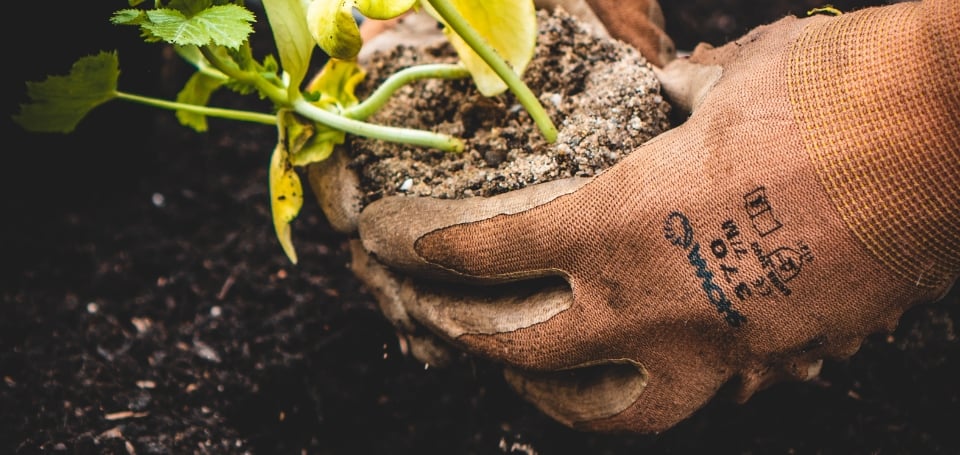
Start cucamelon seeds nine to 12 inches apart, four to six weeks before the last frost date in spring. You can grow cucamelons indoors in a warm location, or start seeds indoors and transplant them outdoors after the final spring frost. Another effective option is to direct sow Mexican miniature watermelon seeds into a garden bed, raised bed, or container.
Give plants plenty of space and provide a trellis for support. Growing cucamelons vertically helps save space, as the vines will otherwise sprawl and quickly take over surrounding areas. Choose a planting site with well-draining soil and ample direct sunlight. For container growing, use a large, deep plastic, terra cotta, or clay pot. Containers that hold several gallons of soil work best for healthy root development.
How to Grow
Mexican sour cucumber spreads rapidly once it is established in a garden space. Let’s discuss how to help your plants grow.
Light

Grow cucamelon in an area with full sun. Some afternoon shade is acceptable. Cucamelon thrives in warm weather and even hot weather where water is readily available.
Water

Give your cucamelon at least one inch of water per week. Because these plants are prone to mildew, always water at the base of the plant so moisture reaches the cucamelon tubers rather than the leaves. Soaker hoses and drip irrigation work best for this reason.
Cucamelon is drought-tolerant and will continue producing healthy green leaves and small flowers even during dry periods. However, insufficient water reduces fruit size, so water consistently for the best harvest. During rainy seasons, additional watering is unnecessary.
Soil

The key to healthy cucamelon growth is well draining soil. Cucamelons tolerate poor, nutrient deficient soil and do not require heavy feeding. Amending garden beds or containers with a small amount of potting soil, or incorporating rich soil mixed with aged manure, provides sufficient nutrients for developing underground tubers.
Cucamelons grow best in slightly acidic to neutral conditions. Aim for a soil pH between 6.0 and 6.8 for optimal growth and productivity.
Temperature

Plant cucamelons only after the last frost has passed in spring. In colder climates, the growing season is shorter, so timing matters. These plants perform best when daytime temperatures stay between 65 to 75°F (18 to 24°C).
Although cucamelons tend to produce more heavily in warm weather, they have a wide USDA hardiness range from zone 2 to 10. In zone 7, they are hardy enough to grow wild. Do not plant before the risk of frost has passed, as freezing temperatures will kill the vines.
In very hot climates, provide partial shade during the late afternoon and water thoroughly to prevent slowed pollination. If a sudden cold snap occurs, protect plants with frost cloth.
Fertilizing

When growing cucamelons, fertilizer is generally unnecessary. In rich soil, added fertilizer can do more harm than good. Excess nutrients burn the plant, and cucamelon tubers are especially sensitive to high nutrient levels, which can lead to rot.
Pruning/Training

When growing cucamelons, prune vines occasionally to prevent them from overtaking your garden. If you spot powdery mildew, remove affected tendrils immediately to stop the disease from spreading to the rest of the plant or nearby crops.
Train cucamelon vines onto a trellis early. Plant young seedlings where they can be guided upward as they grow. An arched, staked, or tee-peed trellis all work well. Cucamelons grow quickly and vigorously, so monitor them throughout the season. Prevent vines from attaching to neighboring plants, such as tomatoes. Either snip the wandering tendril or gently untwine it and redirect it back onto the trellis.
Propagation

When growing cucamelons, collect seeds from your first harvest and save them for planting next spring. Each fruit contains several small seeds, all capable of producing a new plant.
As you harvest, separate cucamelons intended for eating from those reserved for seed saving. Slice seed fruits in half and scoop out the seeds. Place them in a jar, cover with water, and let them ferment for one to two days, stirring daily.
After fermenting, spread the seeds on a paper towel and move them occasionally so they do not stick. Once dry, store the seeds in a paper envelope. This process allows you to save viable cucamelon seeds for future seasons.
Planting cucamelon seeds is straightforward, and detailed instructions are covered in the planting section of this guide. As your cucamelon vines mature, you may find yourself with more seeds than you need. Share them with friends interested in growing cucamelons or plant them in multiple areas of your garden. Seed saving remains the most reliable way to propagate cucamelon plants.
Harvesting

Harvest cucamelons when they reach grape size and feel firm to the touch. If you wait too long to harvest, even while the fruits are still green, they can become bitter and overly seedy. Do not eat cucamelons once they turn purple, as they are no longer suitable for consumption. Pick cucamelons by hand from the vine or collect them from the ground. Rinse them gently with water and they are ready to use.
At the end of the growing season, overwinter cucamelon tubers so you can replant them the following spring once soil temperatures are suitable. Cut the vine at the base and carefully dig up the tuber. Plant it in a small pot and move it to a location where temperatures remain moderate and do not drop too low.
The tuber will produce a single new plant in spring. In colder regions, overwintering tubers is an effective way to keep cucamelons growing year after year.
Storing

Before saving seeds, set aside the cucamelons you plan to eat. Fresh cucamelons taste best when consumed within a few days and should be stored in a paper bag in the crisper drawer of your refrigerator. You can also grow cucamelons for making olive-sized pickles, which keep well in an airtight jar for six months.
Unfortunately, pickling is the only reliable long-term storage option for cucamelons. Freezing or dehydrating breaks down the delicate flesh and renders the fruit inedible.
Troubleshooting
When you learn how to grow cucamelons for the first time, you might run into a few issues. Let’s discuss those and what to do about them.
Growing Problems

If you underwater cucamelons, the plants may produce much smaller fruit than normal, which can significantly reduce your harvest. You can still save these smaller fruits and extract seeds to grow plants again the following spring. However, yields may be too low for farmers market sales or even regular household use. In that case, adjust your watering routine and try again next season.
Another common issue is poor pollination. Because cucamelons are open pollinated, they rely on insects or wind to transfer pollen. In gardens with limited pollinator activity, or in indoor and greenhouse settings where bees, flies, and beetles cannot reach the plants, pollination may suffer. Hand pollinate cucamelons as you would cucumbers to improve fruit set.
Nutrient imbalances can also cause problems. Excess or deficient nutrients may lead to excessive leaf growth with few fruits, or prevent flowering altogether. Avoid over fertilizing. If you notice leaf discoloration linked to nutrient deficiencies, consult a diagnostic guide to identify the missing nutrients and amend the soil lightly as needed.
Pests

No significant pests infest the cucamelon. That’s pretty cool, huh?
Root knot nematodes can attack the tuberous root zone, especially when they are already present in the soil feeding on other plants. Applying beneficial nematodes helps reduce populations of these pest nematodes and protects cucamelon roots from further damage.
Diseases

The downy mildew pathogen Pseudoperonospora cubensis can infect cucamelons and causes angular lesions that yellow leaf tissue. This disease reduces yields, produces misshapen fruit, and can lead to sunscald on developing melons. Downy mildew commonly appears during extended periods of warm, wet weather.
Remove all infected plant material immediately and dispose of it in the trash. Apply neem oil every 7 to 10 days outside the flowering and fruiting period to help control mild infections. For severe outbreaks, spray a copper fungicide every 7 to 10 days until the disease is under control.
Powdery mildew on cucamelon is caused by Podosphaera fuliginea. It appears as a white, powdery coating on leaves and vines. As the infection progresses, the fungus forms dense mycelial growth that spreads rapidly. Remove all affected plant parts and dispose of them properly. Treat remaining growth with neem oil or a copper fungicide using the same application schedule described above.
Dark green mottling on cucamelon leaves may indicate cucumber mosaic virus. There is no effective treatment for this disease. To prevent further spread, remove the entire plant and dispose of it in a sealed plastic bag.
Frequently Asked Questions
How long do cucamelons take to grow?
They grow quickly, at roughly 80 days from seed to fruit.
Do cucamelons grow back every year?
They can return via their tuberous roots. In zone 7, they act like perennials. Elsewhere, treat them as annuals.
What does cucamelon taste like?
It’s like a small, tart cucumber.
How do you eat a cucamelon?
Eat them whole, sliced in salads, in gazpacho, or pickled like regular cucumbers.