Creeping Juniper: How To Grow A Living Carpet
Creeping juniper is a drought-tolerant evergreen, perfect as a ground cover. Our growing guide explains detailed care and maintenance!

Contents
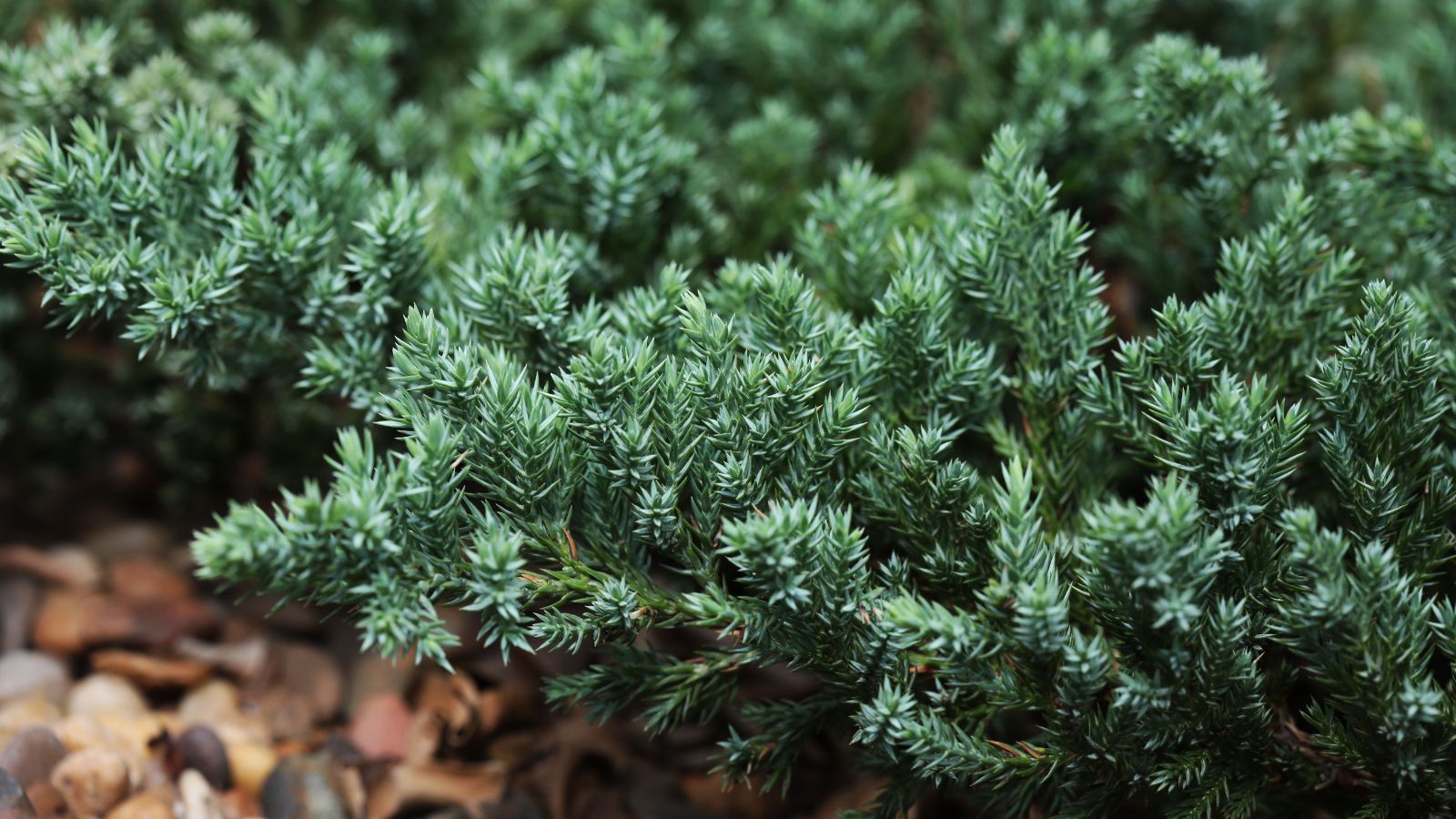
If you’re looking for a ground cover that can grow well with little care, creeping juniper is the one for you.
It grows alongside the banks and slopes or in rock gardens and makes an ideal foundation plant for your flower bed. Plant creeping juniper near decks and garden seating and enjoy its subtle fragrance and evergreen appearance.
If you have a hillside home and want to improve the look of uneven rocky terrain, creeping juniper is the ground cover to choose. You won’t have to invest too much time in taking care of it or have to plant many batches to cover a large area.
Espoma Bio-tone Starter Plus Organic Plant Food (4 lbs.)

The Ultimate Starter Fertilizer with both Endo & Ecto Mycorrhizae
- Grows larger root mass to help plants establish fast
- Reduces transplant loss
- Promotes bigger blooms
- Microbe enhanced all natural organic fertilizer with no sludges or fillers
For use on everything you plant. Use when planting all flowers, vegetables, trees and shrubs.
Buy at Epic Gardening ShopCreeping Juniper Overview

|
Scientific Name
Juniperus horizontalis
Common Name(s)
Creeping juniper, blue rug juniper, creeping cedar
Family
Cupressaceae
Height and Spread
Up to 3 feet tall, and up to 20 feet wide
|
Light
Full sun to partial shade
Soil
Loamy or slightly clay
Water
Low
Pest and Diseases
Bagworms, spider mites, aphids, Cercospora blight
|
All About Creeping Juniper

Juniperus horizontalis is native to northern North America, mainly Canada and Alaska. It is also grown locally in Montana to Maine, Wyoming, and northern Illinois. The plant can tolerate fierce conditions and thrive in both extremely hot summers as well as chilly winters.
This low-growing evergreen ground cover is a tough perennial that you can grow anytime between early spring and late fall. However, the best time to plant is in the spring when the temperature rises. Spring is ideal, as it allows the roots to get set before hot and dry weather takes over.
It may be difficult to find a hybrid plant that has male and female flowers, as reproduction takes place on separate plants. If you’re hoping for cross-pollination between creeping junipers for juniper berries and naturally spreading shrub, buy separate male and female plants.
Types of Creeping Juniper
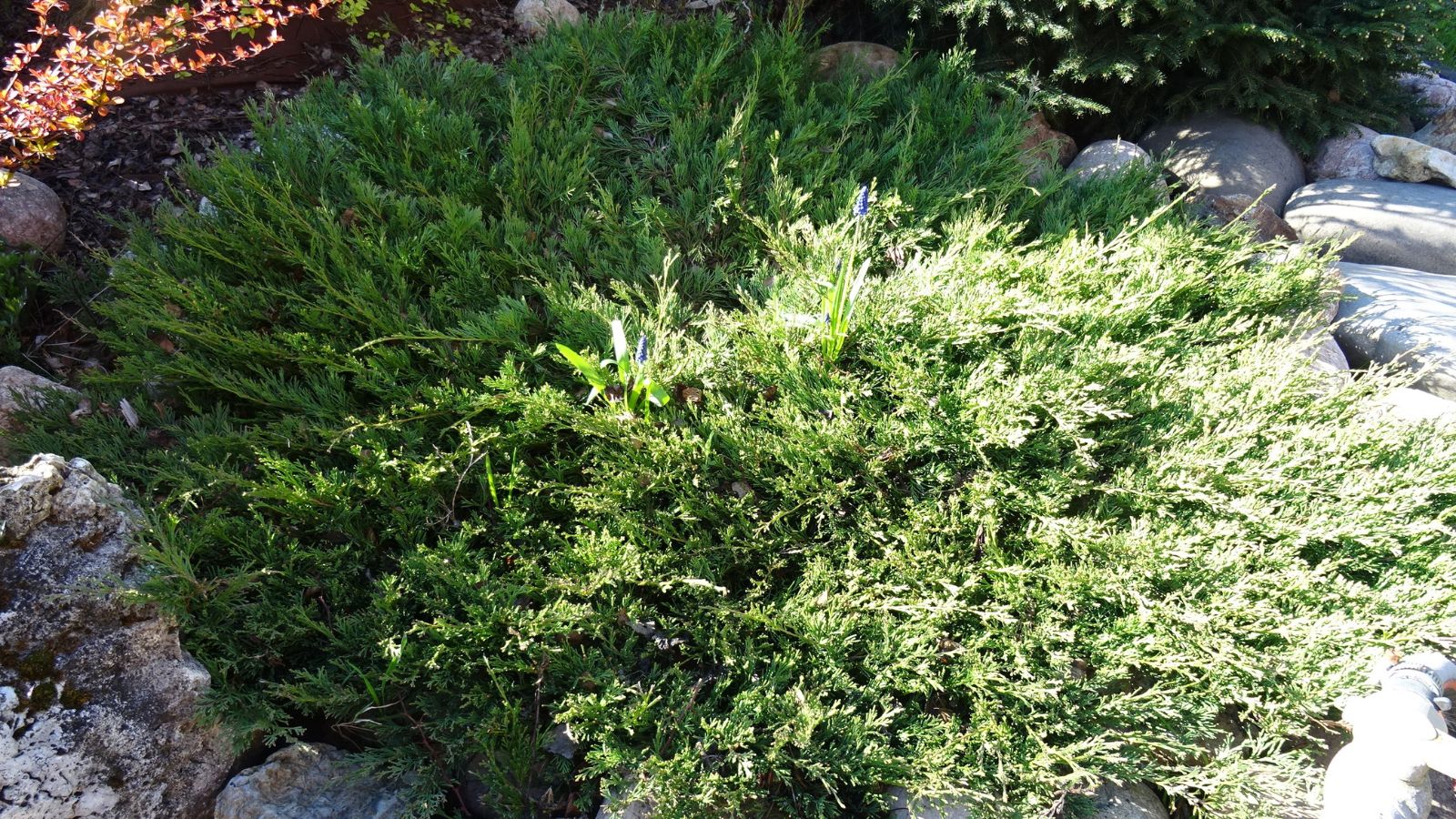
Reaching up to two feet, low-growing creeping junipers can spread easily to six to eight feet. There are three main varieties:
- Juniperus horizontalis “Wilton,” can grow as high as six inches and is a spreading shrub that grows to 8 feet. It has silver-blue foliage and is more common in 4 to 10 zones.
- Juniperus procumbens “Nana” is a compact plant that can grow up to 1 to 2 feet in height and width. It has soft blue-green foliage and grows well in zones 7-11.
- Juniperus conferta or Shore Juniper is ideal for sandy and poor soils. If you live in zones 5 to 10, you can grow Shore Juniper. It bears golden-green foliage and can spread out to 8′ wide and 12-15″ tall.
Creeping Juniper Care
This creeping plant is easy to grow and look after. The tough, hardy foliage requires little attention on your end. You can practically neglect them and still have thriving foliage throughout the year.
Let’s look at the different requirements you need to meet for healthy planting, growth, and care of the blue rug.
Light and Temperature
Although juniper shrubs do not have any specific light requirement, they do grow well in full sun. So, if you’re planning to plant these in your yard, make sure you don’t plant them in a shady area of the garden. Plant creeping juniper in full sun with possibly some afternoon shade.
Water and Humidity

Juniper bushes are drought tolerant, making them an ideal cover in hotter climates. When transplanting for the first time, you’ll need to make sure and give them ample water. Once established, they’ll survive for longer periods without a drop to drink.
Soil

Like many groundcovers and drought-tolerant plants, creeping juniper can grow in a variety of soils. However, it prefers sandy soil with medium moisture and excellent drainage. It can’t tolerate wet soil, so either make sure your soil has adequate drainage or add some extra perlite or sand to increase porosity. If you plant creeping juniper in sandy soil, you’re set!
Fertilizer

Evergreen plants like these usually don’t need much fertilizer. Don’t fertilize the first year when it’s establishing itself. But once the roots are settled in, you can use a well-balanced, complete fertilizer generally used for shrubs and trees. Fertilize in the fall for optimal growth.
Creeping Juniper Propagation
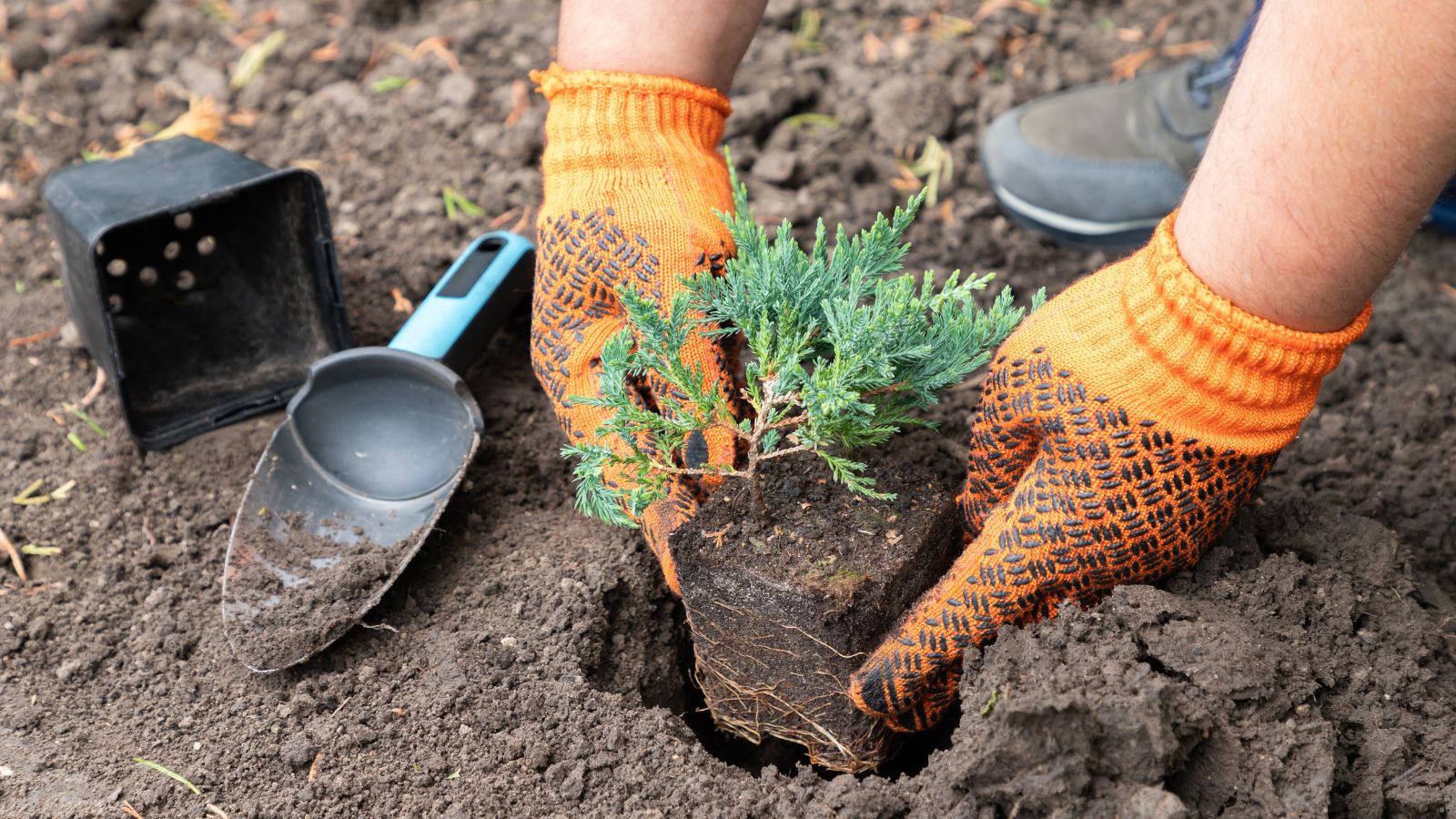
You can propagate creeping juniper at any time except in extreme winters. Spring or early fall is the ideal time to move your plant or plant a new batch. All you have to do is dig the entire plant and its roots and replant it elsewhere.
Propagating from existing juniper plants through cuttings can be an exhausting process and will take years before you can see significant growth, so it’s usually better to buy more at the local nursery or garden center.
Pruning Creeping Juniper

It doesn’t require pruning or cutting most of the time. You can cut it back if it exceeds its boundaries, but we recommend selecting a variety that spreads to the size of the site you’re planting out.
Troubleshooting
There are a few serious issues you might run into when growing your Juniperus horizontalis varieties. Here’s what to do to troubleshoot these problems!
Growing Problems
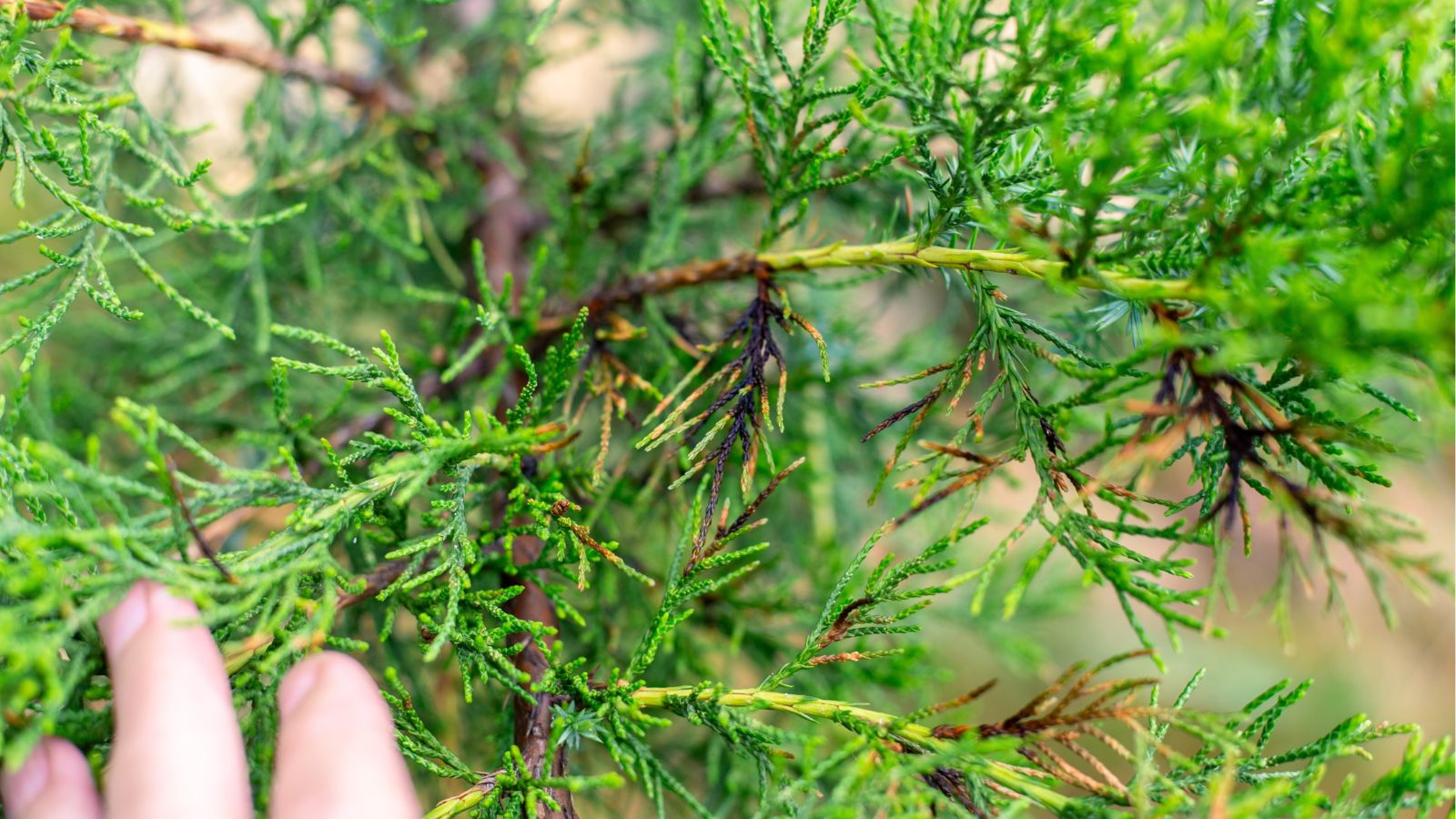
Juniper shrubs are tolerant of most soil conditions, but they need well-drained soil for optimal growth. If you leave the soil moist and soggy, they’ll start to rot out from the roots and die a quick death. This is especially important when growing juniper in containers.
Pests

Pests you’ll encounter mainly include bagworms, spider mites, and various types of aphids. If you see these pests, use one of many different organic control methods, like neem oil, or refer to our in-depth pest prevention guides.
Diseases
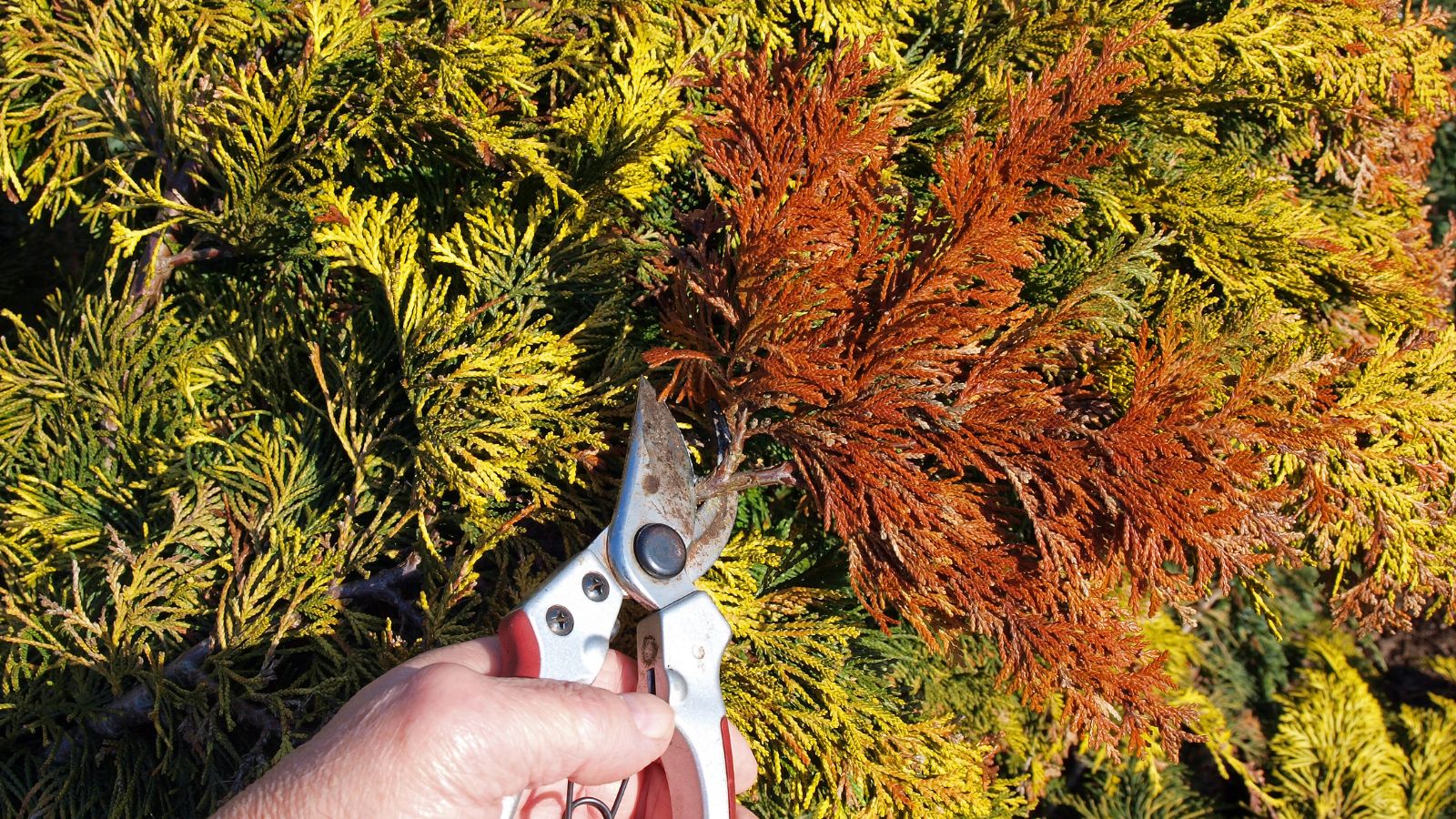
If you notice yellowing of your blue rug juniper, it may indicate a fungal infection, most likely from Cercospora blight. Once you’ve spotted the problem, make sure to trim off the affected parts of the plant carefully.
Sterilize your pruning snips before you use them on any other plant. Failing to do so will just spread the fungal disease throughout your garden as you use your shears elsewhere
Frequently Asked Questions
My plant is turning yellow. What should I do?
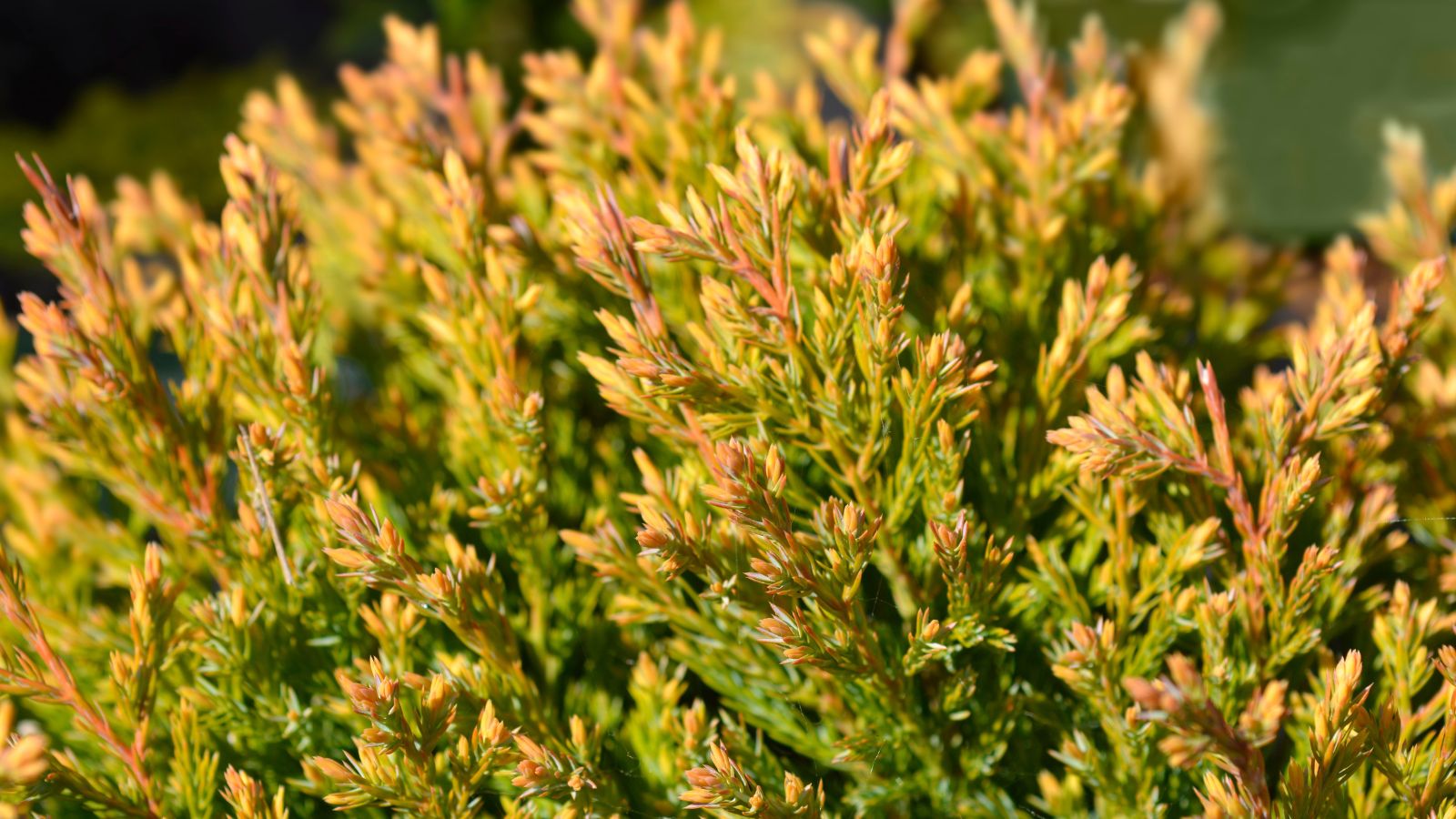
Yellowing juniper can be an indication of fungal problems. Refer to the disease section above. However, some cultivars of creeping juniper are naturally yellow, like the “Lime Glow” variety above, so confirm that your variety isn’t supposed to be that color first!
Is juniper shrub invasive in nature?
It isn’t invasive when it comes to taking over sections of native landscapes. But if you prune it, it can spread at an increased rate. This is why pruning is not recommended for creeping juniper.
Is it tolerant to foot traffic?
No, not really. It’s best to plant it where people won’t be walking regularly.
How quickly does creeping juniper grow?
It takes about 2 years to full mature and flush outward.
Is creeping juniper invasive?
It’s not, but it can get aggressive with excessive pruning. Only prune when necessary.
How big do creeping junipers get?
Creeping juniper grows to about 2 feet tall and up to 20 feet wide.
What is creeping juniper good for?
Creeping juniper makes a great cover for sloped ground and retaining walls or as a plant for soil erosion control in rocky areas.
Will creeping juniper choke out weeds?
Yes! As a ground cover, creeping juniper will choke out weeds and unwanted plants.





