The Best Way to Use Cow Manure in the Garden
Humble cow manure is a phenomenal addition to most gardens. If you're not familiar with how to use it, this informative guide by gardening expert Rachel Garcia will explain everything you need to know!

Contents
It may be smelly and gross, but no gardener can deny the benefits of cow manure. Using it as fertilizer is an age-old practice that can revive tired soil. It contains plenty of nutrients that boost plant growth and overall resilience, and it is completely organic.
This guide covers the basics of turning cow dung into a valuable addition for garden beds. By the time you work through the steps, you may find manure is not as unpleasant as it seems at first. Here is how to make the most of this natural resource.


Medium Modular Metal Raised Garden Bed Kit – 15” Tall
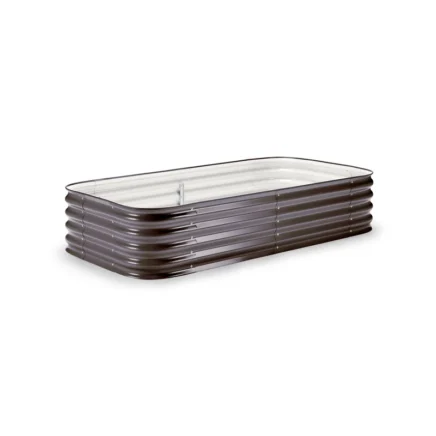
Medium Modular Metal Raised Garden Bed Kit – 15” Tall

What Is Cow Manure?

You may think cow manure is just poop, but it is actually so much more than that. Cattle typically feed on grain and grasses that retain plenty of nutrients even after digestion. When manure is cleaned out of a cow’s stall, it often includes hay, straw, or other organic matter from the ground. Combined with the digested plant material in the dung, this creates one highly nutritious load of material for your garden.
Cow manure contains most of the macro and micronutrients required for plant growth, particularly nitrogen, which is the most important. Overall, it is a fairly balanced fertilizer with the lowest nitrogen content of all the commonly used animal manures. Exact NPK values depend on the cow’s diet, bedding, and even its age, but they typically fall around 3-2-1. This makes cow manure suitable for almost any plant, from ornamentals to vegetable crops.
Why Cows?
You can collect manure from many animals, but only some types are appropriate for gardening. It is essential that your manure comes from plant eaters, since carnivorous animal waste can contain dangerous pathogens.
Chicken and horse manure are also popular, but cow manure contains less nitrogen, making it more versatile. Nitrogen promotes leafy, green growth, which can pull energy away from flowering and fruiting crops. Because cow manure is more balanced, it can be used on practically anything.
There is also plenty of it available. Cow manure is produced in larger quantities than chicken or horse manure, and cattle are raised throughout the United States, so it is usually easy to source (with gloves, of course).
You cannot apply manure directly to garden beds fresh from the cow. It must be composted first. In its raw state, manure is high in ammonia and can burn or dehydrate plants, which is the opposite of what you want. Fresh or poorly composted manure may also contain invasive weed seeds or harmful pathogens.
Composting sterilizes the manure so nothing harmful is introduced to your garden. If you still feel unsure about its safety, you can ask your supplier whether the cows were exposed to any chemicals.
Benefits of Using Cow Manure

There are plenty of benefits to list, so we’ll start with the most important: how manure helps the soil. Our minds often jump straight to nutrients, but cow droppings are also an excellent soil amendment. They help aerate compacted soil, turning heavy clay into something much closer to loamy goodness. This also improves the soil’s ability to retain moisture, which means less watering for you.
Composted cow droppings are completely organic, which is a major advantage. They bring no risk of chemical exposure to your plants. Even if cattle were given medication or grazed on pesticide treated fields, the composting process breaks down those chemicals. Manure is also a natural way to fertilize. Even without human involvement, it would gradually decompose and return nutrients to the soil.
When applied correctly, manure rarely burns plants. Instead, it supports vigorous growth and leads to a more productive garden. This is a time tested method that gardeners continue to rely on. It is also inexpensive or even free, which makes it even more appealing. What more could a gardener ask for?
Drawbacks of Using Cow Manure

There are some drawbacks to using cow manure in the garden, but most can be avoided with proper composting. If manure is not composted correctly, the resulting fertilizer may contain chemical residues that can damage plants. It may also carry viable weed seeds that will cause trouble later. Most importantly, raw manure can harbor harmful bacteria such as E. coli. With thorough composting, these risks are eliminated.
There is also the obvious drawback: the smell. Most people, including your neighbors, are not fans of the musky scent of fresh cow droppings. Fortunately, the odor fades during composting, so you will not deal with it for long. On hot days, composted manure may have a mild cow scent, but nothing overwhelming. If the smell is still too much for you, you can always purchase pre-composted manure from a garden center.
How To Compost Cattle Manure
To say composting is important is an understatement. This is the most vital part of the process and it needs to be done correctly. Fortunately, composting is much easier than it looks.
To achieve a healthy carbon nitrogen ratio, the manure must include both dung and bedding material such as straw. If the mix is too heavy on the manure side, blend in brown leaves, straw, or other dry organic matter to balance it out.
Hot Composting

This is the most popular and safest method. When organic material breaks down, it releases heat, and hot composting uses that heat to sterilize the manure as it decomposes. You simply encourage the microorganisms by giving them what they need to work: air, water, and plenty of organic matter.
Start by building a large, dome shaped pile of manure. A size of about three feet tall and wide is recommended, though you can go larger if you have the equipment to handle it. Larger piles require more work, so be realistic about the time you want to invest. Keep in mind that piles that are too small will not generate enough heat to break down properly.
If you live in a rainy area, build the pile under a roof to keep it protected. Otherwise, cover it with a tarp during bad weather. Place the pile away from your home, water sources, or recreational spaces, since it will smell at first.
Maintenance
Once the pile is formed, give it a thorough soak with the hose to jump start decomposition. Keep the pile moist but not saturated throughout the process. You can test it by squeezing a handful. If a few drops of water come out, the moisture level is perfect. Anything more or less needs adjusting.
Heating may begin within a day or take up to a month. Cold weather slows the process, so you can cover the pile with black plastic if needed. Check the internal temperature with a compost thermometer. Your target is around 130°F (54°C), which is hot enough to sterilize the manure.
When the pile reaches about 130°F (54°C) for three consecutive days, it is ready to turn. Using a compost fork or scoop shovel, remove the outer layer and place it in a new pile. Move the hot interior compost onto that second pile as well. This helps the material heat evenly and adds the aeration microorganisms need.
Moisten the pile again and allow it to heat up a second time. Once it reaches 130°F (54°C) and holds that temperature for three days, let it sit until it becomes dark, loamy, and soil scented. This may take a few days or several months, depending on the size of the pile. Very large piles may need to be turned more than once to ensure all material heats thoroughly.
In rare cases, compost piles can overheat and combust. If you ever see smoke, water the pile immediately to cool it down.
Vermicomposting

There has been great success using cow droppings as both bedding and food for worms. This composting method is ideal if you already have a worm farm, since you simply replace the worms’ usual food with composted manure. If you are new to vermicomposting, you can learn more about worm castings here.
Begin by creating a small pile of manure, watering it a few times, and letting it age. This allows the material to move past the heating stage so it will not harm the worms. Occasional watering helps it age and rinses away ammonia buildup, along with any traces of de worming medication the cow may have received.
Once the manure has aged, transfer it into your worm bin in place of the worms’ regular food. If you only have a small amount of manure, you can spread a two to four inch layer over the existing worm food without aging it. Because the layer is so shallow, it will not heat up enough to hurt the worms. The most common worm for this method is Eisenia fetida, the red wiggler, although several composting worm species will work.
With the manure in place, your worms will handle the rest. They will eat the dung and convert it into worm castings. These castings, mixed with any remaining compost, are known as vermicompost. The finished product will be dark and fine textured. Since the manure has aged and been processed by the worms, it is safe to use in the garden. Once you separate the castings from the worms, you can apply them directly to the soil or brew them into compost tea.
Can Cow Manure Be Composted Other Ways?

You aren’t limited to worms or large compost piles. Many gardeners also use the lasagna method. Despite the name, this has nothing to do with food. Instead, it involves layering fresh manure with carbon-dense materials. The manure forms the “green” layer, while the other materials form the “brown” layer.
The brown layer consists of carbon-rich organic matter such as cardboard, wood chips, straw, dry leaves, or paper. Most cattle bedding is considered brown material. Brown layers should be about twice as deep as green layers. Once the layers are built, water them thoroughly with a hose. The lasagna stack should sit for about a month. During this time, the layers heat up and cool down, gradually transforming into usable soil.
You can also till manure directly into garden soil and let it break down in place. After tilling, cover the ground with black plastic to suppress weeds and allow the manure to decompose through the season. If you choose this method, use an area of the garden you do not plan to plant in that year.
A composting tumbler is another option. These enclosed bins keep manure contained and make turning the contents simple. You will still need to add brown materials to maintain balance.
Finally, cow droppings can be turned into biochar, a pyrolyzed organic medium created with high heat and low oxygen. Biochar has excellent water retaining properties while also improving soil aeration.
How To Use Cattle Droppings

Cow manure compost can be used as both a soil amendment and a fertilizer. It can even replace soil entirely, but mixing it in is usually the best option. Thanks to its balanced pH, it works well for almost any plant.
Blend a two to three inch layer of compost into the soil until it reaches the consistency your plants prefer. You can also spread a half inch layer on top of the soil, or a full inch for very poor soils. Always apply fertilizer away from water sources so nutrients will not leach into waterways.
Composted manure is often used as a topper for lawn grass seedlings. It can be added to landscaping beds, vegetable gardens, and even houseplants. In some cases, it can act as mulch, although it also performs well when placed beneath a mulch layer.
If you end up with more fertilizer than you can use, share it with friends or neighbors. Avoid storing unused manure compost in your yard for long periods.
Where To Get Steer Manure

Store-bought fertilizer can be expensive, which is another reason cow manure is so appealing: it is often free. If you raise cattle or know someone who does, you will likely have more manure than you can use. If not, check with a nearby dairy farm and ask whether they have manure available. Many do. Some farmers process and sell composted manure themselves, which can be cheaper than buying from a retailer.
Most major garden suppliers, including Home Depot and Lowe’s, offer several brands of composted cow manure. You can also purchase it directly from suppliers like Black Kow or order it through Amazon.