Coreopsis Tripteris Care: Growing Tall Tickseed
Coreopsis tripteris, or tall tickseed, is a flowering perennial herb that will beautiful your low-maintenance garden.

Contents
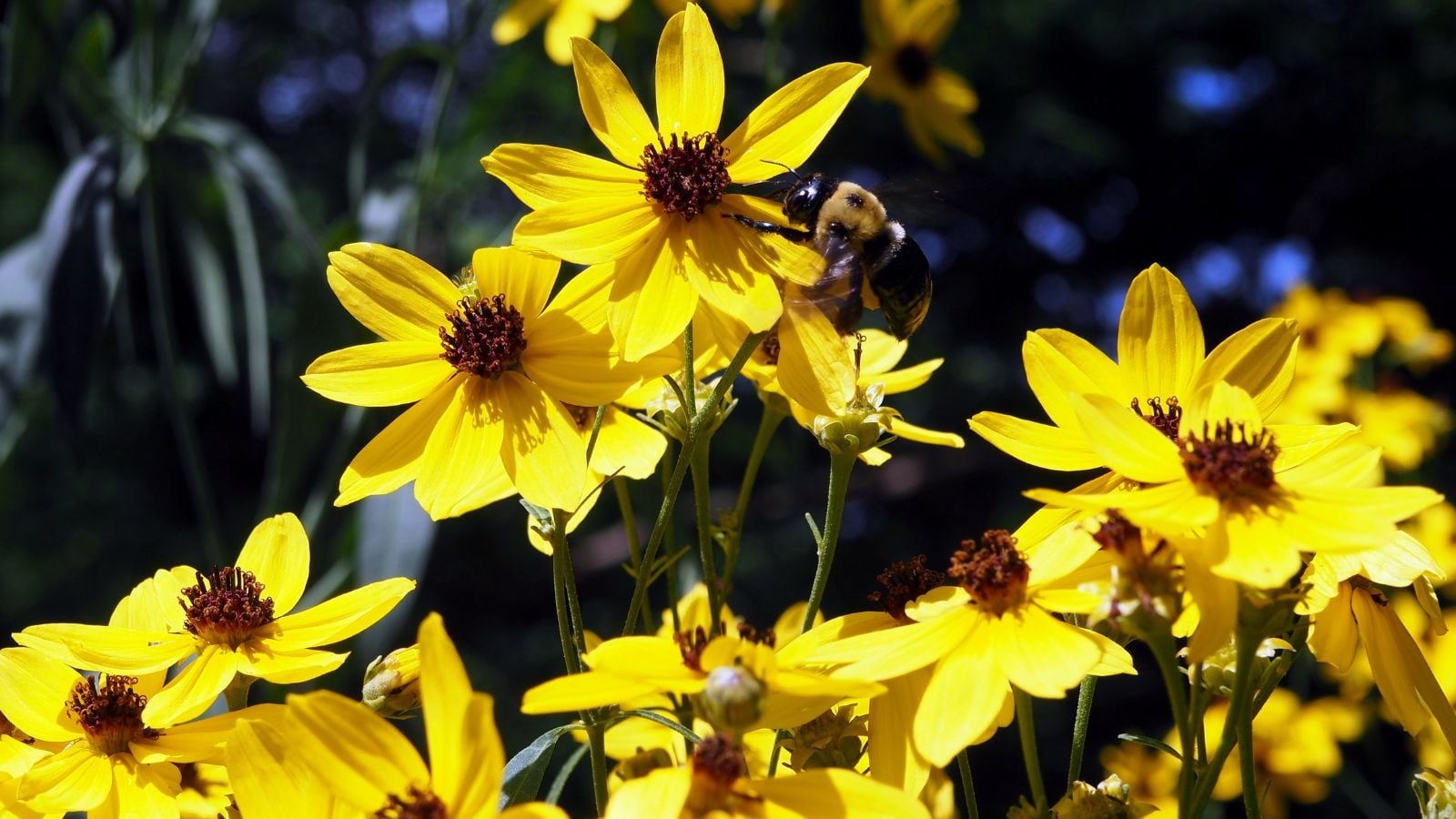
Coreopsis tripteris, or tall coreopsis is a flowering species of perennial herb that generally grows up to 6′ feet in height. With smooth-edged foliage and lovely yellow flowers, this plant will make a beautiful addition to your garden. You can expect a spectacular show of bright flowers from early spring to late fall.
While it is a low maintenance plant perfect as a xeriscape plant, you must know how to care for it to make sure it stays happy and healthy in your garden.
Double Sunburst Coreopsis Seeds

For ease of growing, this sunny perennial can’t be beat! Plants start producing semi-double and double yellow blooms quickly in summer and continue to flower until fall frost. Care-free plants thrive in full sun and grow well even in heat, humidity, and poor or dry soils. A great plant for the wildflower or pollinator garden or perennial border. Exquisite combined with blue flowers. Long-lasting flowers are beautiful in fresh arrangements and bouquets.
Buy at Epic Gardening ShopQuick Care Guide

|
Common Name(s)
Tickseed, tall tickseed, tall coreopsis, and Atlantic coreopsis
Scientific Name
Coreopsis tripteris
Family
Asteraceae
Height & Spread
2-8′ tall and 2-8′ wide
|
Light
Full sun
Soil
Clay, dry, shallow, rocky
Water
Dry to medium
Pests & Diseases
Generally resistant to pests and disease
|
All About Coreopsis tripteris
Found abundantly across Eastern and Central North America, it’s one of the most common native plants in the USA, Canada, and Mexico. It is commonly known as the tickseed plant in the native areas and prefers a moist and humid habitat.
Its native environments include cemetery prairies, black soil prairies, sandy prairies, limestone meadows, wetlands, and woodlands. Tickseed is perfect for native prairie gardens and wildlife gardens too.
It’s an easy-going plant that rewards the gardeners with its bright, yellow flower head with flat brown center disks in the summer. The flowers will add a spark of color to your garden, making it look more lively. The plant is commercially available to be used as an ornamental plant.
Types of Coreopsis tripteris
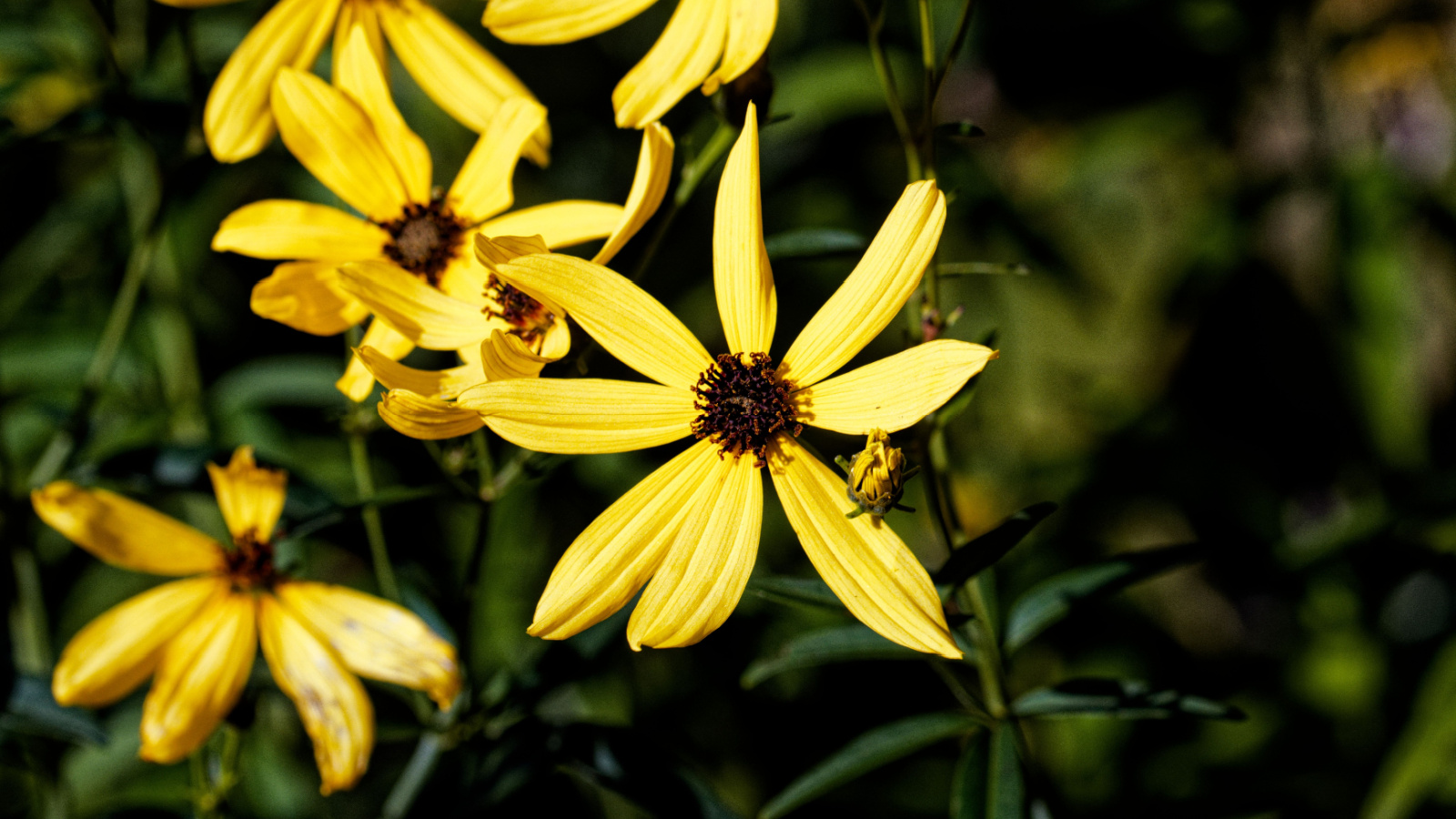
Coreopsis tripteris belongs to the Aster family, Asteraceae, and genus Coreopsis.
Gold Standard coreopsis is its famous cultivar. This cultivar is made by the Mt. Cuba Center by seeds obtained from Alabama. It combines all the attributes of the typical species with a smaller habit, featuring sturdy stems that never flop. This means that the flowers of Gold Standard coreopsis are bunched and presented in a better way as compared to the ordinary species.
Coreopsis tripteris Care
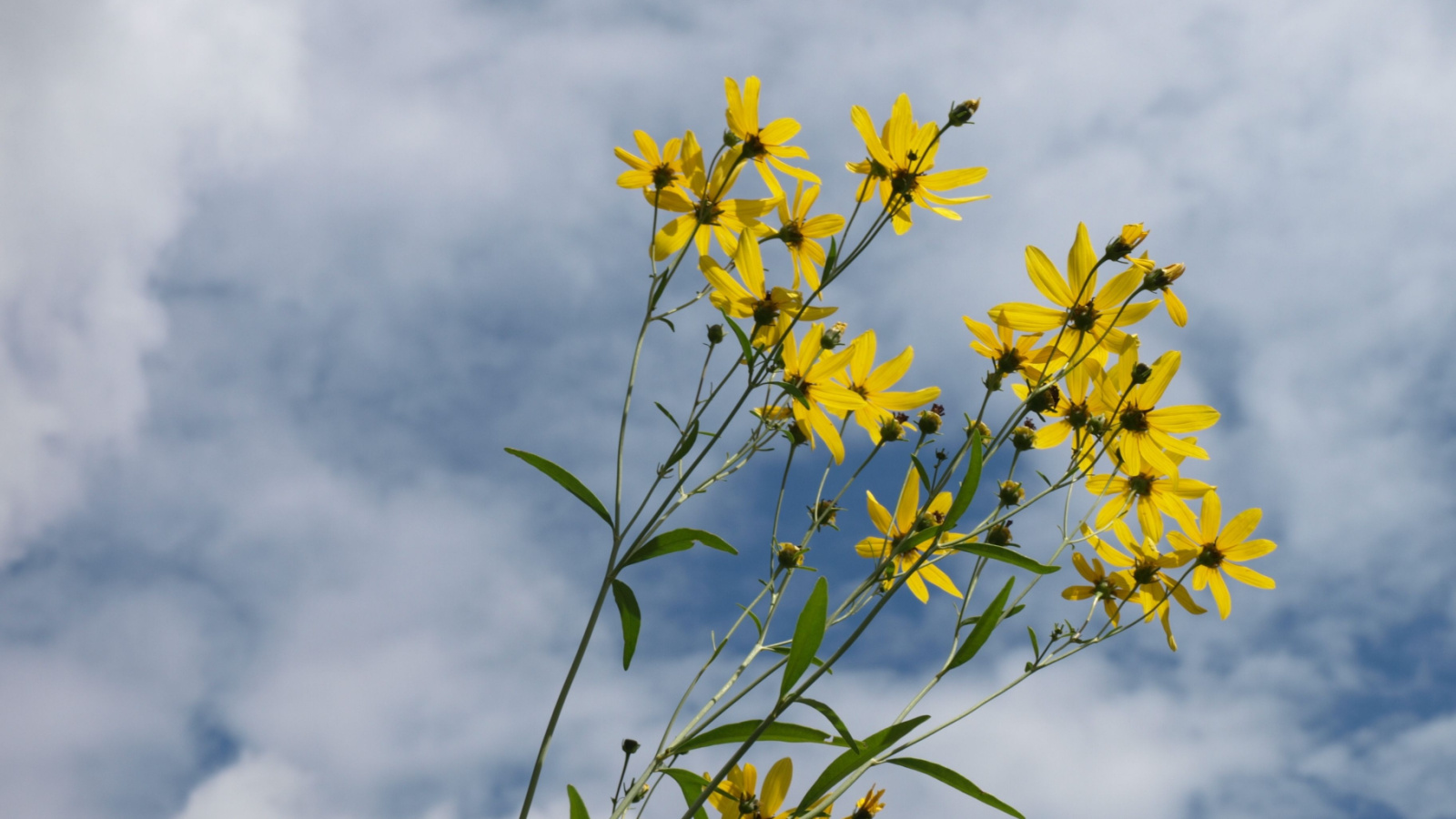
This is a hardy plant that is easy to grow and care for. It is unfussy, long-lived, and stays in bloom for extended periods. The following are the optimal conditions it needs.
Light & Temperature
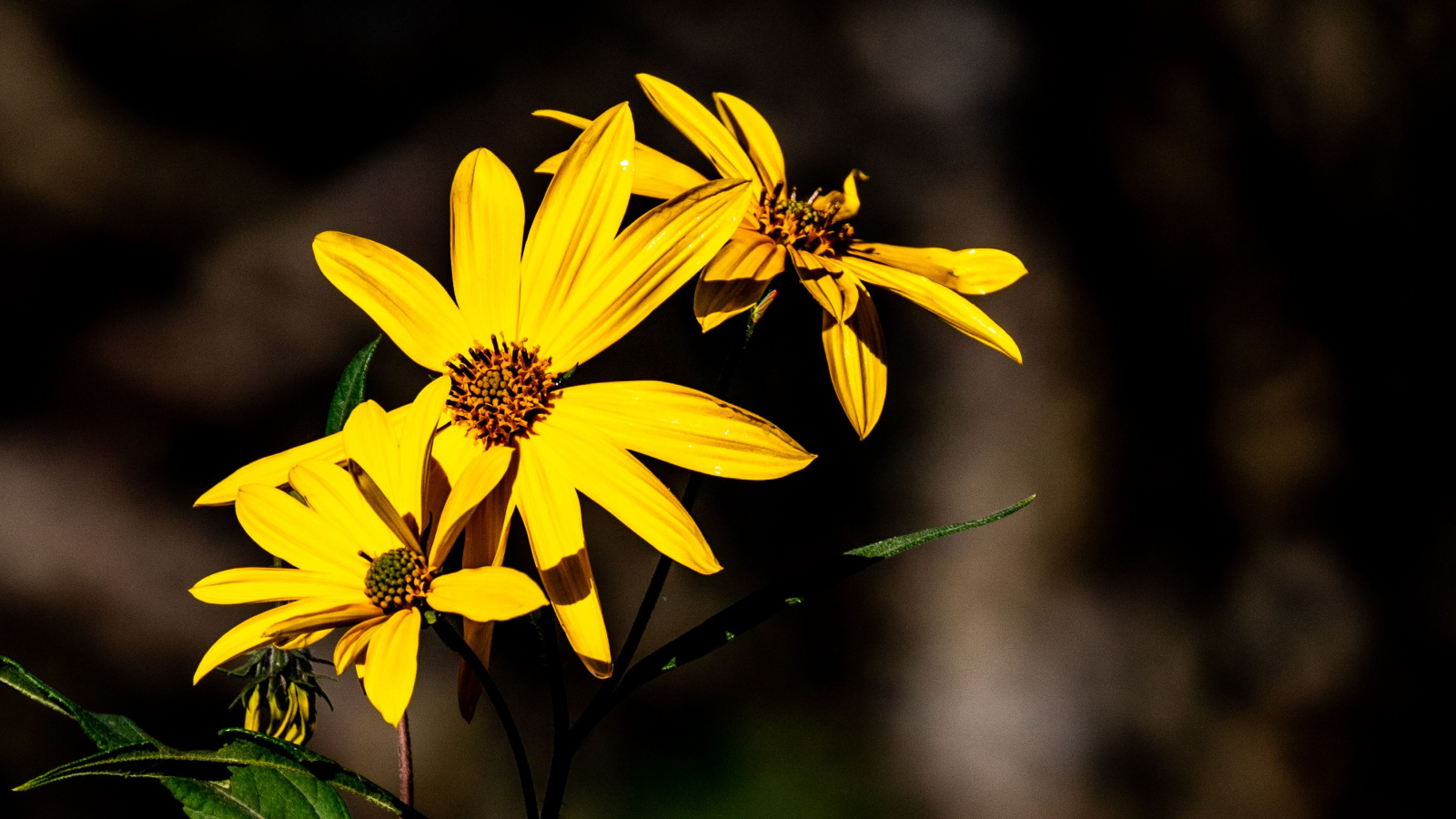
Coreopsis tripteris is a true sun lover. It enjoys full sun and partial shade, so look for a sunny spot to grow it in your garden. It is sturdy and heat-tolerant with USDA Hardiness Zones 4 through 9.
Water & Humidity

Tall coreopsis is drought tolerant. It has very low watering needs, especially during the colder months of the year. You can water it regularly during the bloom time but refrain from overwatering as it can lead to waterlogged soil.
Soil

This is a hardy plant that thrives well in rocky soils or sandy soil of poor to medium quality. The soil must be well-drained but the soil moisture must remain consistent. This is because in soil with consistent moisture expect fuller and taller plants as compared to plants that are grown in dry soil.
Poorly drained soils will most assuredly kill this drought tolerant plant, so plant in soil that drains well. Dry soil isn’t a problem as long as your tickseed is established.
Fertilizer

This plant does not require fertilizer for growing or blooming its yellow flowers. It grows and flourishes well in poor soil. You can top it off with some compost annually to feed the soil.
Repotting Coreopsis tripteris
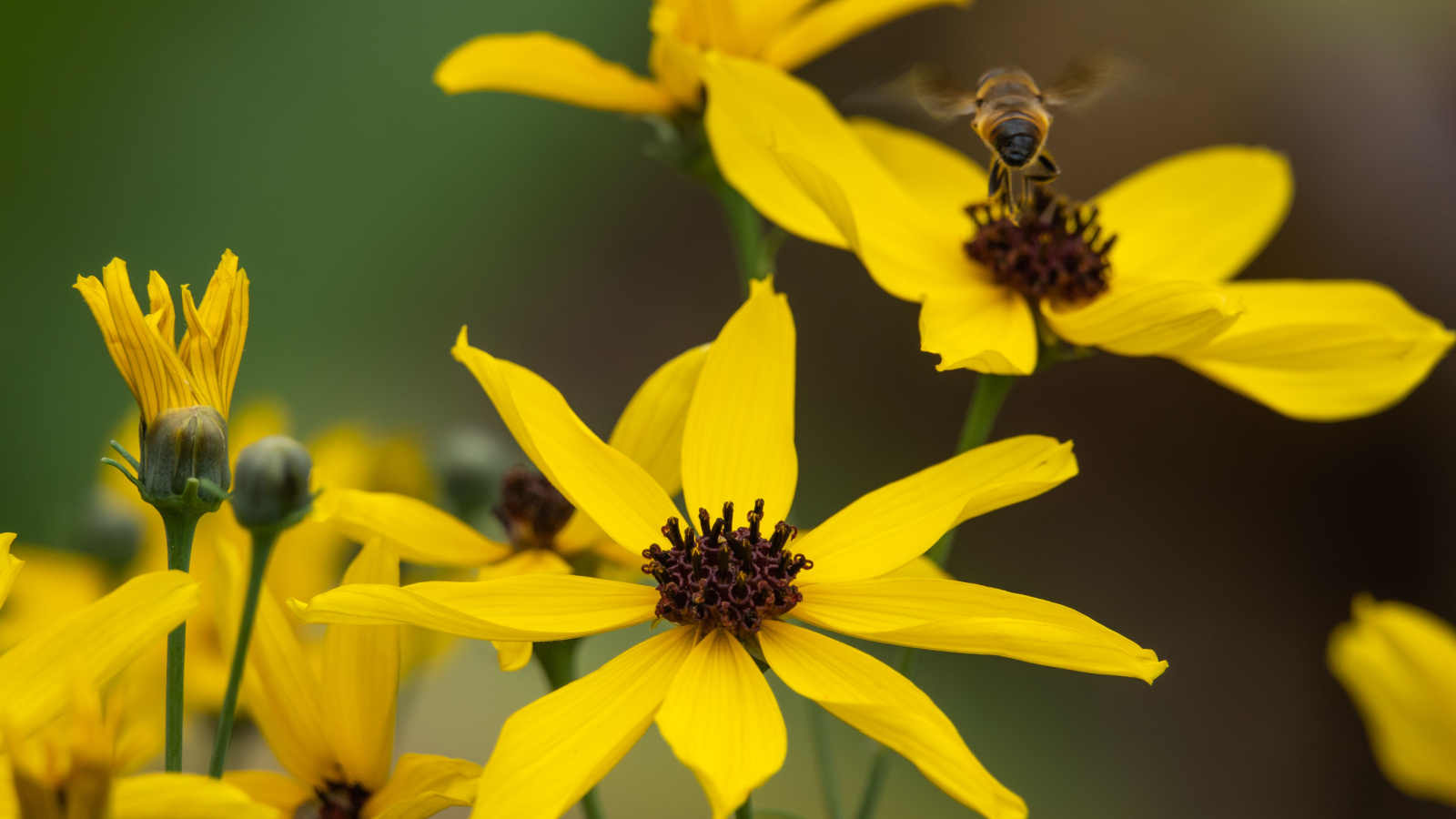
In the right growing conditions, this plant can naturalize to form large colonies as it self-seeds abundantly. If you plant it in a pot or borders, plant division will be required every one to two years.
Coreopsis tripteris Propagation

This plant generally propagates through seeds. It self-seeds vigorously like other members of the genus Coreopsis, which makes it the perfect plant for naturalization. Mature plants can also be propagated through division. Simply dig up the mature plants, divide the stems, and replant them.
Pruning Coreopsis tripteris

Pruning is good as it encourages additional bloom. Deadhead the old flower head before or after the flowering season to enjoy the full bloom.
Removing spent flowers is also a great way to avoid surplus self-seeding and restricting the spread of tall coreopsis in your garden. The best time for trimming your plants is in late April. This will also help in maintaining the desired height of the plant.
Troubleshooting
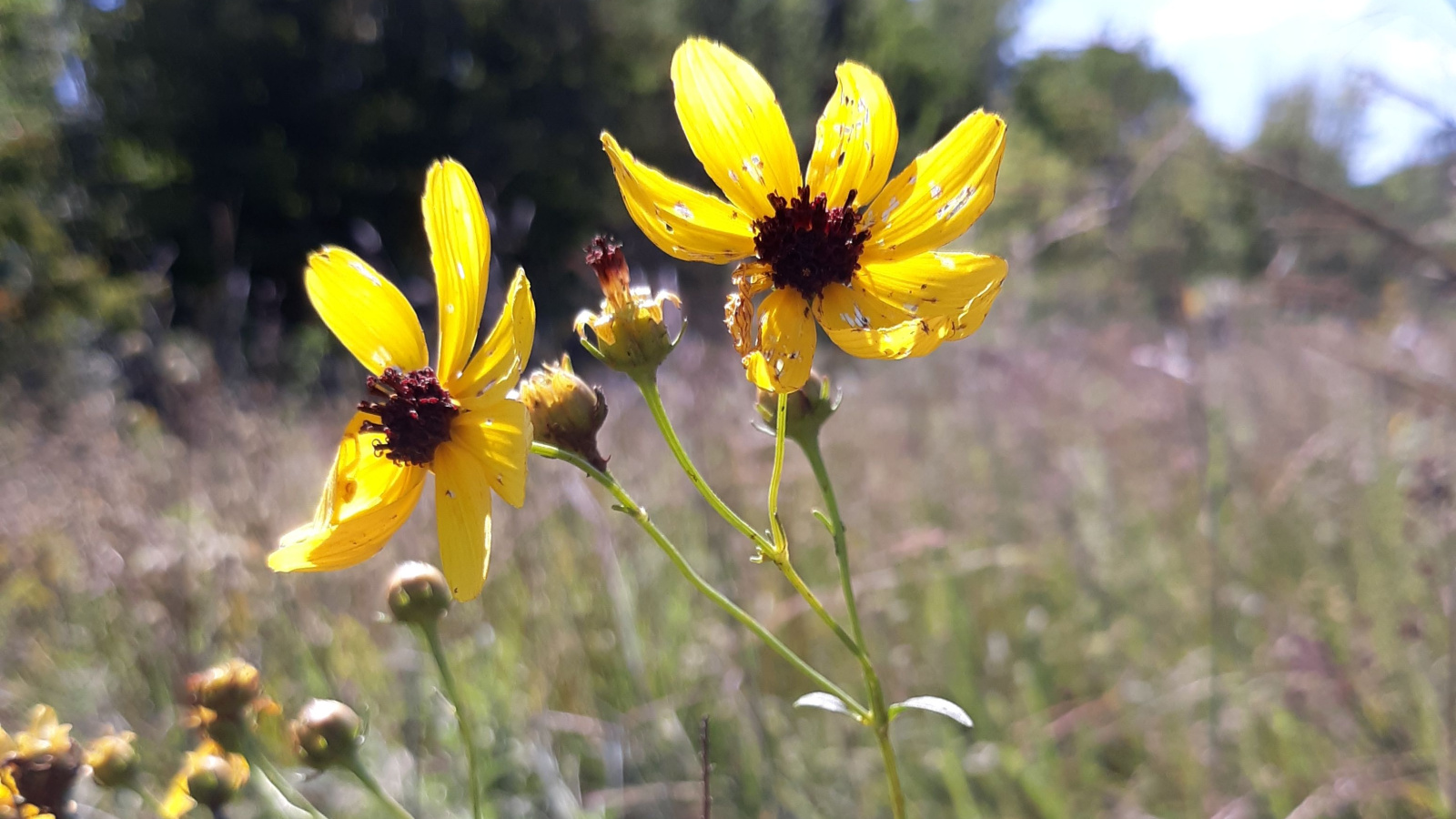
The good news for gardeners is that this plant does not have any serious insect or disease problems. However, overwatering can be a problem as waterlogged soil can be harmful to the plant.
Frequently Asked Questions
What is the best time to plant coreopsis tripteris?
You can plant coreopsis tripteris from spring to fall. Avoid planting in colder months as the plants are likely to be inactive.
How to distinguish tall tickseed from Helianthus spp?
Helianthus spp. is a type of sunflower. Due to the similar shape and color of the flower head, it’s easy to confuse it with this tickseed. An easy way to tell them apart is to look at the leaf arrangement of the plants. Helianthus spp. have plain, simple leaves. On the other hand, Coreopsis tripteris plants have odd-pinnate leaves.
What animals are attracted to tall tickseed plants?
Tall tickseed plants attract a variety of animals. Since they are long in height and grow in clumps, small birds like to hide in them and eat the seeds. They also attract bees and butterflies when in bloom.
What are the best places to plant coreopsis tripteris in a garden?
This plant loves the sun, so find a sunny spot for it. It is a great plant for the edges of the garden or other places that are likely to receive less water. It also makes for a great front line for deer as it is deer-resistant. Since it is a tall plant, it is ideal for low areas in the yard like the bottom of a slope, a ditch, etc.
What are the best garden partners for tall tickseed plants?
A: Here’s a list of best companions for your tall tickseed plants. These are all native to North America:
-
- Joe-pye weed
-
- Culver’s root
-
- Ironweed
-
- Bronze fennel
Does coreopsis spread quickly?
It does. Not only does it spread through soil via rhizomatic roots, it also readily self-seeds.
Do coreopsis come back every year?
In its hardiness range, it does return as a perennial plant in spring. In some areas it will remain evergreen.
Do you cut back coreopsis in the fall?
Wait until spring to cut the plant back.





