11 Tips For Growing Beautiful Dahlias in Pots or Containers
Thinking of planting some Dahlias in pots or containers, but aren't quite sure where to start? Getting your Dahlias to grow in pots is a bit of an art form. In this article, certified master gardener Liz Jaros takes you through her top tips for beautiful dahila blooms in pots or containers this season!


Contents
Known for their whimsical color palette and impressive bloom size, dahlias deliver a major dose of cottage charm wherever they’re grown. Blooming steadily from mid summer to late fall, they can be a delightful addition to any garden. Even the one on your balcony or patio. But can you grow dahlias successfully in pots or containers?
Despite a popular misconception that tubers must be grown in the ground, dahlias can actually do quite well in pots if cared for properly. They are hardy plants, and there’s some important factors to consider, like the size of your dahlias, before you start planting in pots or containers.
While these vivid perennial flowers can be a bit picky about their growing environments, they are still a garden staple for anyone that wants a little color in their flower garden. Follow these tips for container prep, plant selection, maintenance practices, and winter storage, and you’ll soon be potting dahlias like a pro.
Pick Your Pot

Before purchasing dahlias, take a close look at your personal container stockpile. Most of us have a mountain of last year’s pots stashed somewhere behind the garage or shed. Sift through them and pull out the ones you believe to be worthy dahlia vessels.
If you’re not happy with the options you already have, consider popping into an estate or rummage sale. Both can be excellent sources for bargain priced container garden gems.
The top priority for any recycled container is always disinfection. Empty last year’s dirt completely from the pots and wash them thoroughly with a solution of 9 parts water to 1 part bleach. Rinse carefully and allow them to dry.
Whether you’re working with old pots, incorporating some new pots into the patio scape, or starting completely from scratch, you’ll want to look for containers that meet the following requirements:
Width
Dahlia tubers need plenty of room to expand, and soil should never be completely dry. For the smallest, dwarf varieties, choose a container that’s at least 12 inches wide. 16 to 24 inch pots should be chosen for anything expected to exceed 1 foot in growth.
Height
Generally speaking, your dahlia containers should be at least as deep as they are wide, preferably deeper. Since tubers will be planted 6 inches or so from the surface, a taller container will give them more room to drain and reduce the likelihood of standing water. This is particularly crucial for dahlia cultivars with considerable stature, as their roots will reach down even further.
Material
Clay or terra cotta pots are porous, which helps with airflow, but also speed up evaporation. Choose clay pots only if you intend to water diligently. Plastic and cement containers will help keep temperatures even, but be careful not to overwater since they will retain more moisture.
Wood planters can make good dahlia containers as long as you’re sure they have not been treated with chemicals, and you stay on top of watering. Metal drums and tubs are having a garden moment lately, but they can get very hot on warm days. These containers should only be used if they are wide enough to keep roots from burning up inside.
Drain Properly

Examine your pots’ drainage holes and make sure water has an adequate escape route. Standing water is the quickest way to dash your dahlia dreams as it leaves them vulnerable to root rot and fungal disease.
If you’re working with recycled containers, make sure existing holes are clear and are between ¼ inch and ½ inch in diameter. Oklahoma State University Extension recommends covering about 20% of your container’s bottom surface with drainage holes. Using this as a rough guide, add more holes using the appropriate sized drill bit to achieve this ratio.
New containers will sometimes have indications where drainage holes should be drilled, or will need to be punched out with a hammer and screwdriver.
As far as covering drainage holes with stones or broken flower pot pieces, you may have heard that this is the best way to ensure proper drainage, but weathered gardeners will tell you to skip it. Gravel will create a whole stratification system that actually hinders drainage, and rocks can sometimes cause more problems than they solve. Properly watered pots with proper growing medium will drain just fine without losing soil.
Choose The Right Cultivar

Dahlias range in height from 10 inches to 7 feet, and their blooms range in width from 2 inches to 12 inches. Some will have bushier habits with multiple flower points, and others will only send up a spike or two. Know what you’re planting so you can choose the right pot, establish a proper maintenance plan, and achieve the desired effect.
Generally speaking, dahlias fall into height categories of dwarf, midsize, and giant. When planning a balcony or patio garden, your selection might be determined by the containers you have, or the limitations of your space.
It might also be influenced by your intended use, such as flower cutting, pollinator stimulation, or privacy. Think about these things before you buy, and purchase cultivars that suit your needs.
Unless you’re working with a mega-sized container, it’s best to consider small and medium dahlia cultivars for your patio garden. The video below outlines why selecting the right tubers are important.

Think about scale, as a towering, dinnerplate dahlia in a shallow container will look pretty goofy and might even topple over. Try to keep bloom heights roughly in line with pot heights, as you consider which dahlias to try.
Small

‘Fresco™’ is a dahlia variety that comes in many colors and tops out at 1 foot making this a good dwarf to try in smaller pots.
‘Figaro™’ has abundant, double blooms in an array of colors and a compact, showy habit.
‘Mignon’ has dark foliage with red, orange, pink, yellow, or white single form flowers and upright stems reaching 18 inches.
Medium

‘Happy Single First Love’ dahlias feature apricot petal tips with red centers. Foliage is dark and full, rounding out at 2 feet.
‘Impression Fabula’ has elegant pink petals with white tips make this 1-2 foot cultivar a pleasing choice for mid-sized pots.
‘Art Deco’ features 4-5 inch coral-pink flowers on 2 foot stems, consider Art Deco for prolific patio blooms.
Plant Properly

To ensure proper drainage and nutrient distribution, a potting mix specifically formulated for container gardens should be used to give dahlias a healthy growing foundation. No need to mix in soil from the garden as the two media will drain at different rates, and no need to mix in aerating materials (bark, sand, pearlite, etc.) since they will most likely already be in the bag.
Pay attention to the mix’s acidity, as dahlias require a pH level of about 6.5, and take note of any fertilizer that’s included so you can feed dahlias properly later in the season.
If green shoots have not sprouted yet, fill the bottom third of your container and place the tuber on top with its eyes pointing up. Make sure the root is centered, and cover it with an inch or so of potting medium. Mist soil to keep it wet, but not moist, and keep adding soil until shoots have breached the top of your container and soil level is about two inches below the rim.
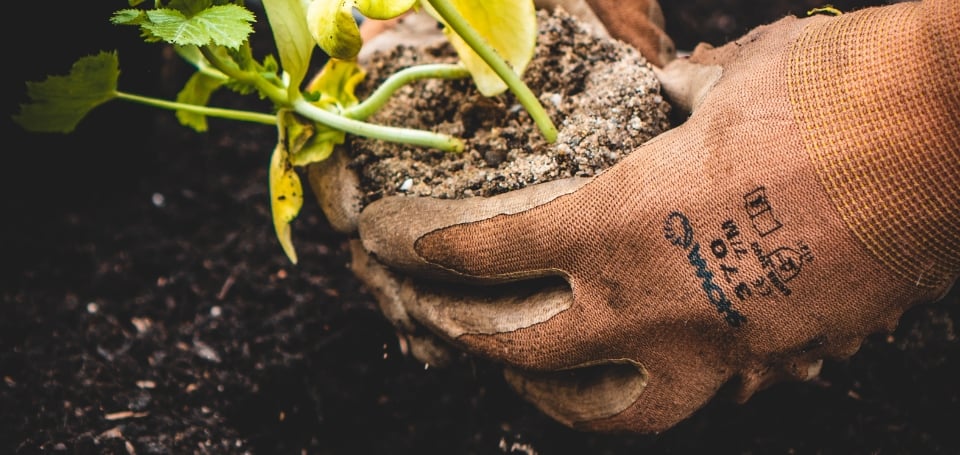
If dahlias are established and already growing above your pot’s rim, they should be planted in the same manner, but without the layering process. Potting soil should be packed in around your dahlias’ stems, and a two-inch space left on top for watering.
Stake for Stability

While dahlias with a smaller stature will not need staking, anything that’s going to grow more than 1 foot tall should be stabilized in some way. Strong winds and reckless children can be a dahlia’s worst enemies, so this is an important protective step.
At the time of planting, select a cane, stake, or cage that is equal in length to your variety’s mature height and drive it firmly into the soil about 4 inches away from the root.
Visit blooms regularly to monitor new growth and use garden ties or cloth strips to secure stems to the stake. Check regularly to make sure growth is not being inhibited by your ties and adjust as necessary.
Follow The Sun

Since dahlia’s are a sun-loving genus, choose a location for your containers that will get at least 6 hours of direct sun a day. Morning sun is preferable to afternoon sun, especially in warmer climates. If morning sun is not an option, stay on top of watering and give them some shelter in the afternoon if possible.
Water Evenly

Irrigation requirements will vary depending on region, but dahlias should never be completely dry and they should never be completely soaked. This is often the biggest challenge for gardeners growing dahlias in containers.
Check soil daily, if possible, by inserting your index finger two inches into the dirt. It should be consistently moist, but not muddy or wet. Irrigate your dahlias’ roots, not their foliage, using a watering can or drip hose designed for containers.
Fertilize Sparingly

Most likely, your potting mix was amended with fertilizer designed for early growth and your dahlias should not require additional fertilizer for another month or so. If no booster was added, you can start with a nitrogen rich fertilizer aimed at creating strong stems and leaves.
Once dahlias are established, however, and gorgeous blooms are the objective, they will benefit from a fertilizer with more potassium and phosphorus than nitrogen. Select products that are designed for blooms and contain a ratio of 5-10-10 or the equivalent, and apply according to product directions.
The process can be repeated 30 days later as dahlias will flower long into the fall, but that should be the last application. Dahlias will be preparing for dormancy soon.
Pinch & Prune

When your dahlias are showing 3-4 sets of leaves, you may want to pinch or prune off their tops to encourage a more compact flower display. Dahlias are naturally vertical in nature, but performing this little garden trick will encourage more side shoots and thus a rounder habit.
Use a small pruning tool to cut the tops off just above the third or fourth set of leaves. This process can be repeated in a few weeks to encourage even bushier dahlias, if so desired.
Conversely, if you’re looking for one or two large, showy dahlias to glow up your balcony, you can snip smaller, side buds off young plants with pruning shears and the result will be a more singular, upright habit with bigger blooms.
Remove Fading Flowerheads

To keep your dahlia pots bright and cheerful all season long, dying blooms must be removed every few days. This process encourages roots to direct energy toward creating new blooms rather than spreading seed.
To properly deadhead your dahlias, use your fingers or a small pruning tool to snip off spent blooms just above a set of leaves. Remember that spent blooms are pointed and new buds are rounded on a dahlia plant.
Knowing this can help prevent a maintenance error that rids your plants of their future flower heads! Consequently, not deadheading at all can also cost you blooms this season as well.
Overwinter

Once the first frost hits and/or their leaves turn brown, it’s time to tuck your dahlias in for winter. Overwintering is typically necessary in colder hardiness zones. One of the benefits of growing dahlias in pots is that you don’t really have to do much more than cut them down and drag your pots inside when the time is right.
Store them in a cool, dark room that doesn’t freeze but doesn’t exceed 50°F (10°C) in temperature, and give them a cup of water once a month. When spring rolls around again you can move them to a bright spot and nurture them out of dormancy.
Some drawbacks to this lazy gardener’s overwintering strategy is that your dahlias’ tuberous roots are likely crowded in the pot after a long growing season and will probably need a division in spring. Plus, dirt-filled pots are typically heavy, and most of us just don’t have the space for that kind of thing.
Steps For Overwintering
- Lift tubers from their pots.
- Cut stems off just above the eyes from which they grew.
- Clean roots off with a dry towel.
- Lay them out to dry out for a couple of days.
- Pack tubers loosely in a basket, box, or burlap bag.
- Cushion with peat moss, newspaper, or sand.
- Store in an environment between 32 and 50°F (0-10°C).
Final Thoughts
Whether you’re tight on garden space, lacking a backyard, or looking for something colorful to jazz up your hardscapes, you might want to try your hand (or glove) at potting dahlias. These colorful perennial flowers can add plenty of pop to just about any garden space. They require a bit of love and attention, but if cared for properly, they will not disappoint!