15 Tips For Growing Beautiful Begonias in Pots or Containers
Are you adding some begonias to pots or containers this season, but aren't quite sure where to start? Begonias can grow amazingly well in both pots and containers, if you provide them with proper care. In this article, certified master gardener Laura Elsner takes you through her top tips for beautiful begonias in containers this season!


Contents
Begonias are the perfect plants for shady spots in the garden. Some are prized for their gorgeous flowers, while others stand out for their striking foliage. They’re surprisingly hardy and make excellent container plants, depending on the variety you choose to grow.
Begonias are often thought of as traditional garden flowers—I always picture a big flower bed filled with wax begonias. But as I’ve grown as a gardener and learned more about the different types, I’ve realized there’s so much more to them than those small waxy blooms.
Begonias also thrive beautifully in containers, and many gardeners overlook just how versatile container gardening can be. If you’re short on space or want to bring their vibrant flowers closer to admire their intricate details, here are some of my top tips for planting begonias in containers this season.
Pick The Right Container

The container you choose for your begonia makes all the difference. Most importantly, make sure it has drainage holes at the bottom. If it doesn’t, use a plastic liner pot with drainage inside your decorative container. Begonias don’t tolerate soggy soil and will quickly rot if water can’t escape.
A large container filled with a mix of plants and flowers looks beautiful, but a single begonia in a smaller pot can be just as striking. Keep in mind that larger pots hold moisture longer and need watering less often than smaller ones.
The material of the pot doesn’t matter. Plastic, terracotta, ceramic, or metal all work fine. Have fun choosing your container, and consider picking a color that complements or contrasts with your begonia’s blooms for an extra touch of style.
Use Proper Soil

Begonias in containers prefer light, fluffy, well-draining soil in the garden, and they need the same type of soil when grown in containers. The good news is that regular potting soil works perfectly for begonias (no special mix required).
Avoid using black earth from the garden center. While it’s often cheaper, it’s formulated for in-ground use and is far too heavy for containers. It holds too much moisture, leading to soggy soil and rotting roots. For healthy, happy container begonias, always choose a quality potting mix that drains easily.
Water Regularly, But Not Too Much

One of the reasons I love begonias is because they can handle a bit of drought. Take lobelia, for example—if you forget to water it before work, there’s a good chance it’ll be brown and crispy by the time you get home. Begonias in containers aren’t that sensitive. While they don’t like going long periods without water, missing a day usually won’t hurt them.
When watering, I like to thoroughly soak the container. For smaller pots, I often place them in a shallow plate or tray of water and let them soak it up from the bottom. This helps keep the foliage dry, which reduces the chances of diseases and pests affecting the plant.
Pick The Right Location

When it comes to in-ground gardening, I usually tell clients to start by choosing a plant or flower they love. There’s almost always a spot in the garden that will suit it. Most yards have a mix of sun, shade, and everything in between, so there’s plenty of flexibility.
Container gardening, however, is a bit different. The placement is usually fixed, whether it’s by the front door for curb appeal or on the patio where you can relax and enjoy the view. There’s less freedom to move things around once the containers are set.
Begonias prefer sheltered locations. A covered deck, front porch, or shaded area under a pergola are all ideal spots for containers filled with begonias. They don’t handle wind, heavy rain, hail, or harsh sunlight very well. If your begonia containers are exposed to those conditions, you might want to reconsider your placement or choose a more weather-tolerant plant.
Pick a Variety For Sun or Shade

Begonias are generally known as shade perennials, and that’s true. When planted in the right hardiness zone and given enough shade, many begonias will return year after year without needing to be replanted. However, some varieties can handle more sunlight than others.
Here’s a quick breakdown of different types of begonias and their shade and sun preferences:
Full Shade
Many varieties of begonias actually don’t thrive in full shade, which is defined as less than four hours of sunlight per day. If your containers are in deep shade, try growing rex begonia varieties. These begonias are prized for their intricate, colorful foliage rather than their flowers.
Because flowers need sunlight to bloom, rex begonias are perfectly suited to low-light conditions. While they do produce flowers, they’re not particularly showy, so keeping them in the shade where they don’t bloom isn’t a drawback. Growth may be slower in full shade, but that’s rarely an issue for container gardening.
Part Shade
This is really the sweet spot for begonias. Tuberous begonias—the ones with the large, showy flowers—thrive in part shade. Too much sun can scorch their leaves and make them crispy, while too much shade can limit blooming.
All types of begonias grow happily in containers that receive partial sun or dappled light, making this the ideal condition for keeping them healthy and vibrant all season long.
Full Sun
There are a few begonia varieties that can handle full sun. Wax begonias, particularly those with darker foliage, are the most sun-tolerant. The Cocktail Mix™ series is a great example, as they thrive in full sun and look fantastic in containers. These varieties are perfect for bright spots where other begonias might struggle, adding reliable color and texture even in strong light.
Plant Them Properly

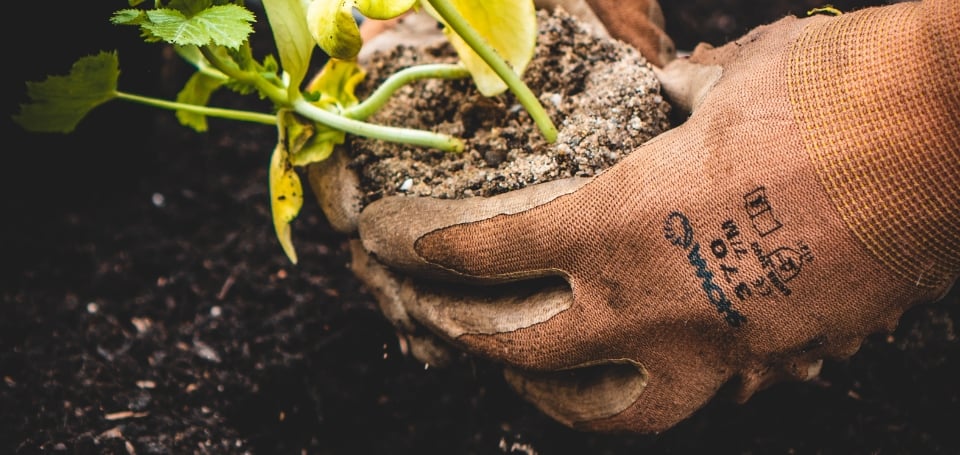
How you plant begonias in containers can make all the difference to their success. Before planting, always loosen or “crack” the roots, especially if the plant is rootbound. When you remove the begonia from its nursery pot, check for a dense mat of roots at the bottom. If you see one, gently break up the roots with your fingers before planting. If left compacted, the begonia will struggle to establish and grow.
Planting depth is equally important. Don’t sink begonias too deep below the rim of the pot, as this can trap moisture and lead to mold or root rot. On the other hand, don’t mound them above the rim either, as the exposed root ball will dry out quickly, and watering will become messy.
The best approach is to plant your container begonias so the soil line is even with the rim of the pot. After planting, gently press down the soil around the edges to create a small dip. This helps keep water from spilling over and ensures it soaks evenly into the soil.
Use Fertilizer (Sparingly)

Don’t underestimate the importance of fertilizing container plants. In pots, roots have limited space and can’t reach out to find nutrients the way they would in the ground, so regular feeding makes a big difference.
You don’t need anything fancy. An all-purpose 20-20-20 fertilizer works perfectly, or you can use a bloom-boosting 15-30-15 if you want to encourage more flowers.
I like to fertilize every two weeks. Always water your begonia containers first, then apply the fertilizer solution afterward. Never fertilize dry plants, as it can burn the roots. Also, try to avoid getting the fertilizer mixture on the foliage. Aim directly for the soil to keep your begonias in containers healthy and thriving.
Don’t Sleep on Basic Maintenance

No plant is completely maintenance-free, but container begonias are about as easygoing as they come. They do, however, need a little attention to keep them looking their best in containers. Because container plants grow in a smaller space and are often placed where you’ll see them up close, a bit of regular care goes a long way.
Start by removing any yellow or crispy leaves, but only the ones that are visible. I don’t recommend lifting or digging through the plant to find hidden yellow leaves, since that can cause more harm than good. Just clip off any unattractive leaves you can see to keep the plant tidy.
Next, pick off any flowers that are turning brown. I also like to trim back plants occasionally to maintain a neat shape. Begonias aren’t aggressive growers, but if you’ve planted them with something like senecio ivy, you may need to prune the ivy back from time to time to prevent it from overtaking the begonias.
Watch For Pests and Diseases

The most common pest to affect begonias is the spider mite. The best way to deal with spider mites (or mealybugs, scale, and aphids) is to prevent them from showing up in the first place. Prevention starts with healthy plants. Make sure your begonias are growing in quality potting soil, receiving even moisture, and getting the right amount of sunlight (not too much or too little). Regular fertilizing also helps keep them strong and more resistant to pests.
If you do find spider mites, prevention advice won’t do much good in the middle of an infestation. You’ll recognize them by the fine webs they create on the plant. Look closely and you’ll see tiny, fast-moving bugs darting through the webbing. Despite the name, they’re not actually arachnids.
Begonias are sensitive to insecticidal soaps, so instead use a horticultural oil, such as neem oil. Test it first on a few leaves to make sure it doesn’t cause damage, and never spray during the heat of the day. Wait until the container is shaded before applying the oil.
Powdery mildew is the most common disease affecting container-grown begonias. Again, prevention is key. Water from the bottom by filling a tray and allowing the soil to soak up the water, rather than spraying the foliage. If you do spot powdery mildew, a gray, powder-like coating on the leaves, treat it with a copper fungicide.
If any of your container begonias develop serious pest or disease issues, discard the potting soil and start fresh the next season. In some cases, it’s best to pull affected plants mid-season and replace them to prevent the problem from spreading.
Keep in mind that different types of begonias are prone to different issues. For example, Rieger begonias have their own set of problems. Whatever the variety, monitor your plants regularly to catch any issues early.
Troubleshoot When Needed

If your begonias aren’t thriving in containers, don’t worry. It might be a simple fix. Begonias are generally easy to care for, but a few common issues can hold them back. Let’s take a look at some of the most frequent problems and what might be going wrong.
Crispy Leaves
This problem is usually caused by one of two things: too much sun or not enough water. Check how much sunlight your container is getting. If it receives six or more hours of direct sun a day, your begonias may be getting scorched. It could also be a sign of underwatering. Stick your finger into the soil to test it; if it feels bone dry, it’s time to water.
The soil should stay evenly moist but never soggy. In rare cases, crispy leaves can be caused by fertilizer burn. If you suspect that’s the issue, flush the pot thoroughly with water to wash away excess salts. No matter the cause, start by trimming off the damaged leaves, then correct the problem by watering more consistently or providing extra shade.
Yellowing Leaves
Yellowing leaves are most often a sign of overwatering. The soil should never feel soggy. Aim for it to be evenly moist, like a wrung-out sponge. Sometimes, yellowing can also point to soil that’s too heavy, which usually means it’s holding too much water and not draining properly.
This is still an overwatering issue at its core. Make sure your containers are filled with a quality potting mix rather than garden soil. Potting soil is lighter and designed to drain well, keeping your begonias healthy and preventing root rot.
No Flowers
If your begonias aren’t producing flowers, it’s often a sign they’re not getting enough sunlight. Try moving the container to a brighter spot where it receives a bit more sun each day.
Lack of blooms can also mean your begonias need a boost of nutrients, especially if they’re growing in a small container with limited soil. Fertilize regularly with an all-purpose or bloom-boosting formula to encourage healthy growth and plenty of flowers.
Overwinter in Cold Climates

The final topic to cover in the mechanics of growing container begonias is overwintering. Many people keep begonias as year-round houseplants. Angel wing begonias, for instance, are a popular indoor variety with beautiful white blooms. So yes, it’s entirely possible to bring your favorite outdoor begonia inside for the winter.
If your begonia is growing in a small pot, simply move it indoors to a bright spot with indirect sunlight. Hold off on fertilizing during winter and reduce watering to prevent soggy soil.
For larger containers, it’s best to dig up the begonia and replant it in a smaller pot using fresh potting soil. Water it well and place it in a bright, indirect light location indoors.
Be cautious when bringing plants inside for the winter. Never overwinter begonias that show signs of pests or disease, or that were growing near affected plants. It’s not worth the risk of introducing bugs into your home.
And one last tip about soil: while outdoor potting soil quality is fairly forgiving, it’s important to invest in a higher-quality indoor mix for overwintering. The more expensive blends are usually better aerated and less prone to harboring pests. I learned that lesson the hard way one year when I used cheap soil and ended up with a house full of fungus gnats!
Make Design a Priority
Now that we’ve covered all the mechanics of growing begonias in containers, it’s time for the fun part: design.
A well-balanced container typically has three components: the thriller, the filler, and the spiller. The thriller is the star of the show, the tall centerpiece that draws the eye first. The filler makes up the bulk of the arrangement, adding color, texture, and shape. And finally, the spiller cascades gracefully over the sides of the container, softening the edges and completing the look.
Begonias can play any of these roles, depending on the variety you choose, though they’re most often used as filler plants. In the next section, we’ll look at which types of begonias work best as thrillers, fillers, or spillers in a beautifully designed container.
Nonstop® Red

This is probably my favorite (and most versatile) begonia. I can’t help but hum Scarlet Begonias while planting them. This tuberous variety produces large, rose-like blooms in a rich, intense red. They make the perfect filler plant in a container design, adding bold color and lush texture that tie the whole arrangement together.
T-Rex® Painter’s Palette

This rex begonia variety is known for its stunning foliage, with swirls of deep burgundy, pink, and white that create a painterly effect. It makes a beautiful statement as a filler plant in a mixed container, but it’s also striking enough to stand alone in its own pot.
Amstel Blitz

The Amstel Blitz begonia is a bright yellow Rieger variety—a hybrid between wax and tuberous begonias. It combines the soft, fleshy leaves of a wax begonia with the larger form and showy blooms of a tuberous type.
Belleconia™ Soft Orange

This hanging begonia variety, Belleconia™ Soft Orange, features delicate peach-colored flowers that dangle gracefully like ballerina tutus. They look beautiful in hanging baskets or as a spiller in a mixed container. I often use them in place of fuchsias. They offer the same soft, cascading look but are much hardier and easier to grow.
Ambassador White

The ambassador white begonia is a classic wax variety, small and low-growing with fleshy green leaves and masses of white flowers accented by bright yellow centers. It makes a lovely filler plant and works beautifully in elegant, monochromatic designs.
I especially love using it in a pure green and white container. Try planting a tall emerald cedar as the centerpiece, surround it with ambassador white begonias, and finish with simple ivy spilling over the edges for a timeless, polished look.
Pick Your Colors Wisely

This is where the real fun begins: designing your perfect container arrangement.
Start by thinking about the design elements around your home. For example, if you have a bright yellow front door, make it pop by planting Nonstop® Yellow begonias in your front container display.
Next, consider the color or texture of your thriller plant. A silver queen sansevieria pairs beautifully with a silvery swirled Escargot rex begonia for a monochromatic look. Or you can play with contrast. The classic pairing of blue lobelia with Nonstop® Red begonias always looks stunning.
Don’t forget about your container itself. A turquoise pot filled with Nonstop® Deep Rose begonias creates a striking, cheerful focal point.
Of course, once you’ve thought through all these ideas, feel free to toss the “rules” aside and just plant what you love. Mix bold colors, textures, and shapes to create your own tropical punch-style arrangement. Have fun with it and design something that makes you smile every time you see it.
Plant Complementary Companions

While I do love a small terracotta pot overflowing with a single begonia plant, I more often include begonias as part of a container design. There are many plants that pair beautifully with begonias. Here are a few of my favorites, though there are countless other possibilities and combinations to explore.
Palms
I love majesty palms that can be purchased at almost any hardware store or garden center. They are usually fairly inexpensive. I love using them as a thriller plant and planting begonias underneath.
Elephant Ear Alocasia
Elephant ears are similar to palms in that they make a great thriller plant. They are beautiful large arrow shaped leaves. Plant begonias underneath for a tropical container design.
Coleus
Coleus and begonias are the best of friends. The intense and unique color patterns on some coleus really blend and pop when combined with begonias. Coleus is also very easy to grow.
Try mixing Wizard Rose coleus together with Ontop Fandango begonias for a fabulous pink and white color combination. Add a palm or an alocasia as the thriller, and golden lysimachia to spill out and you have a gorgeous container.
Golden Lysimachia
This has to be one of my favorite spiller plants. It has bright golden foliage and spills beautifully out of containers. Tuck it underneath begonias for a professionally finished pot.
Get Creative With Hanging Baskets

Begonias are ideal candidates for hanging baskets. Of course, the hanging varieties are the obvious choice. These types produce flowers that drape gracefully downward. Some beautiful options include Dragon Wing® Red, Angelique, and Bossa Nova Rose.
Tuberous begonias also fill out beautifully in hanging baskets. Their large rosettes of flowers create a bold display that stands out even from a distance.
Wax begonias can make wonderful hanging baskets, too. Use a wire basket with a coconut coir liner and fill it with soil. Carefully snip small holes in the bottom of the liner and tuck wax begonias through them, then plant more begonias on top. Over time, they’ll grow together into a lush, compact ball of blooms.