The Perfect Potting Mix Recipe for a Blooming Christmas Cactus
Christmas cacti erupt into bloom around the holidays. Though they have the word “cactus” in their name, they need care similar to orchids and air plants rather than cacti. Grow them in a good potting mix to encourage as many blooms as possible. Christmas cactus grower Jerad Bryant shares the perfect recipe for success.


Contents
A perfect potting mix recipe does exist for a blooming Christmas cactus, but the truth is that many different mixes will work well for your plants. Don’t worry if you don’t follow the recipe completely. Your cacti will thrive as long as they grow in well-drained soil that’s not too wet or, conversely, too bone dry.
The goal is to have water soak into the roots and drain readily. You don’t want moisture pooling around the succulent leaves, and you especially want to avoid soggy soils. It’s best to grow this cactus look-alike in free-draining soil that’s porous, fertile, and absorbent.
This is because this cactus isn’t a true cactus at all! It’s a succulent epiphyte, meaning it grows above the ground on tree branches and tall structures. Like an orchid, it uses its roots to attach itself to structures. The roots catch water and nutrients as rainfall pours down the trees.
Keeping this native environment in mind is key when you’re looking for the perfect potting mix recipe for Christmas cactus.
Holiday Cactus

Holiday Cactus: A Festive Showstopper That Lasts
The Holiday Cactus, also known as the Thanksgiving Cactus, is your go-to fall and winter bloomer, delivering a burst of colorful flowers just when most plants are taking a break. It’s like holiday magic—on a stem!
Buy at Epic Gardening ShopThe Perfect Potting Mix Recipe
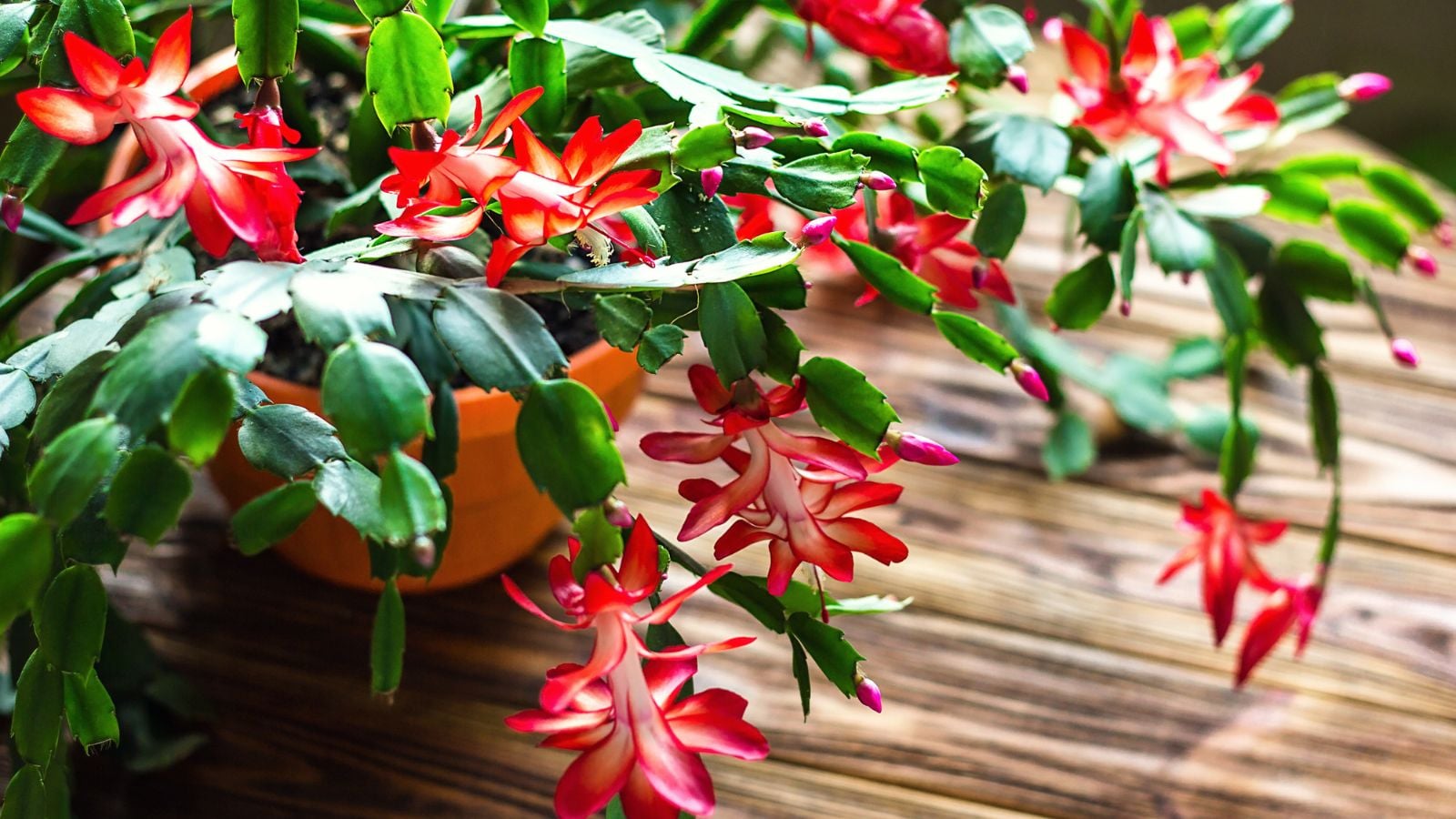
So, what’s the perfect potting mix recipe for a blooming Christmas cactus? We’ll cover how to make your own soil mix, and we’ll discover which options are best to purchase if you don’t want to make your own.
If you just bought a blooming cactus, hold on! Don’t transplant it yet, and wait until after the blooms fade to move it into better soil.
Homemade Blend

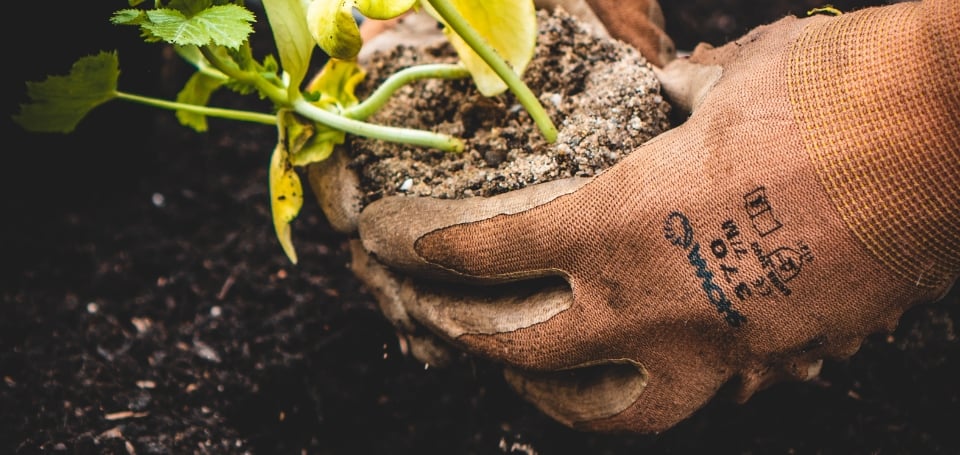
A homemade soil blend will vary depending on the specific components you choose. Follow this basic recipe to create a well-draining potting mix that’s perfect for all holiday cacti, including both Christmas and Thanksgiving cactus plants.
Here’s the recipe:
- 2 parts potting soil or compost
- 2 parts coarse sand
- 1 part perlite, vermiculite, or pumice
With parts, each part equals the same amount. If you need five quarts of soil, you’ll mix two quarts of potting soil with two quarts of coarse sand and a single quart of perlite or a similar amendment. If you need more of the mix, simply increase each amendment in equal amounts.
For outdoor specimens, use compost instead of potting soil. Compost is easy to make at home, and you won’t have to worry about finding coco coir, peat, or another similar amendment at the store. Simply repurpose your kitchen scraps and garden clippings into compost, then use the finished product to make the perfect mix.
Use potting soil indoors, as compost may be smelly or have flies that’ll escape into your home. You may, however, use compost for indoor Christmas cactus plants if you sterilize the amendment first.
Store-Bought Potting Soil

There’s no shame in buying a soil mix! This is best for houseplant lovers with little gardening space, or busy professionals who want their cactus to bloom but don’t have time to make a custom soil mix. Many other plants grow in similar conditions to Christmas cacti, including true cacti, orchids, and succulents.
For best results, choose a soil mix made for succulents and cacti. These blends should have plenty of porous materials, like pumice or perlite, and they often contain sand. They’ll work well for your Christmas cactus, as they allow water to drain freely without turning soggy.
If you can’t find a succulent soil mix, choose a blend for orchids and epiphytes. These soil mixes will be incredibly free-draining, and many consist of bark and moss. If the mix lacks moisture-absorbing particles, like peat or coco coir, add some potting soil or compost to help it become more absorbent.
Care for Blooming Christmas Cactus

Once you find the perfect soil mix, it’s time to care for your Christmas cactus! Water it consistently, give it plenty of light, and watch for pests and diseases to ensure it stays healthy. These cactus look-alikes are incredibly adaptable, and they often bounce back from growing issues with a little care and maintenance.
Fertilize Blooming Plants

The Christmas cactus needs few nutrients to thrive. It isn’t used to growing in fertile soil, as it typically receives nutrients from rainfall and tree debris that falls near its roots. For best results, fertilize the plants with a low dose of fertilizer before the blooms open.
Holiday cacti bloom in response to changes in day length. They need 13 or more hours of uninterrupted darkness for a few weeks to form blooms. When you begin giving them longer nights, also fertilize with a low dose to ensure the plants have what they need to bloom.
During the growing season, you may fertilize potted plants once a month with a low dose of a well-balanced organic fertilizer. Use one with equal parts nitrogen, potassium, and phosphorus, or a mix that’s close to having equal parts.
In-ground specimens may not need extra fertilizer! Check the soil first with a soil test, then determine whether or not to fertilize based on the nutrient levels.
Choose a Good Location

A blooming Christmas cactus dislikes changes to its environment. Once the blooming buds appear, try not to move the plant or change its light levels. Stop fertilizing. Keep its conditions stable, and continue caring for it as normal.
Your Christmas cactus needs a location with bright, indirect light for most of the day. It appreciates filtered light that’s similar to what it grows under in its natural habitat. The tree canopy shades direct sunlight, creating a filtered situation in the forests where it grows.
Aside from the light, also ensure your cactus is far from hot or cold drafts. Keep them away from heaters, open windows, and frequently-used doors. Ensure they have regular airflow, either in an open spot or a location with a fan nearby.
Check Soil Moisture

While the blooming Christmas cactus puts on its show, continue moderating the moisture levels to ensure the soil stays moist, but not soggy. Check the dirt often with your finger, and hold off on watering if it feels moist already.
Potted plants will need more water than those in the ground or raised beds. This is especially true for outdoor potted plants. Check them often, and add plenty of water if the soil is dry. Don’t let it get bone dry, but let it dry some between waterings.
Best Practices

If you just bought a Christmas cactus, there are some things you should consider before moving it into better soil. The plant is sensitive while it’s blooming, and it needs special care to survive the cold months.
Transplant After the Bloom Period

If the cactus is already blooming, you don’t need to transplant it! Simply leave it in the nursery pot and place it in a well-lit, cool location. The cactus prefers night temperatures that fall between 55 and 65°F (13 and 18°C) both before and during the blooming season.
After the blooms fade, you may transplant your potted Christmas cactus into a larger container with the perfect potting mix recipe. That way, your plant will bloom next year and have all the nutrients it needs to thrive from spring through fall.
Move Cacti Indoors

These cacti aren’t frost-hardy. They’ll turn mushy and rotten if they experience frosts, freezes, or cold weather. Keep them safe in a hoophouse or greenhouse, or move them indoors well before the first frost date.
For reliable blooms, it may be better to leave the cacti indoors year-round. It’s easier to control the day lengths and temperatures when you don’t have to move them each year. The moving process can set back the flowers, causing sporadic blooming or none at all!
The important thing is to keep them safe from cold weather. Try moving them indoors early, in midsummer, rather than in the fall. The cactus plants will adapt to the indoors, then you may begin the blooming process by promoting darkness and cool temperatures starting in September or August.
Note that Christmas cacti need long nights and cool temperatures for about two months before the buds begin to open and bloom. Mark the days on your calendar so you don’t forget!
Key Takeaways
- These cacti aren’t really cacti! They’re succulent epiphytes, and they need consistent moisture, indirect light, and airflow to thrive.
- The best Christmas cactus potting mix recipe is one that’s porous, absorbent, and well-draining. Incorporate coarse sand and perlite (or pumice and vermiculite) with potting soil or compost to make a proper mix.
- Avoid transplanting blooming cactus specimens. Let them finish blooming, then transplant them into the perfect potting mix.
- These plants are not frost-hardy. Move them indoors to enjoy their blooms, or protect them outside to help them endure the elements.