How to Plant, Grow, and Care for Chicago Hardy Fig
The Chicago Hardy Fig is a fig tree which can handle a good chill. From propagation through harvest, this guide by horticultural expert Lorin Nielsen reveals all the important info you need to grow these trees and harvest their delicious fruits.

Contents
One of the oldest cultivated crops, figs have been a staple food for centuries. There are many cultivars, but the Chicago hardy fig is quickly rising in popularity. Known for its impressive cold tolerance, this tree handles cooler conditions far better than most other fig varieties.
It also performs beautifully in warmer, Mediterranean-type climates. Thanks to its wide climate adaptability, it can be grown across much of the continental United States. In regions where winters are still too cold, it can be grown in a container and moved indoors for protection.
Figs have played an important role throughout world history, largely because they are so easy to grow. The Chicago hardy fig has an especially broad range and is even easier than most to care for. Here is everything you need to know to enjoy a hearty harvest from this reliable tree.
Quick Care Guide

|
Common Name(s)
Chicago hardy fig, Bensonhurst purple fig
Scientific Name
Ficus carica
Height & Spread
10-15′ tall, 9-12′ canopy width
Hardiness Zones
6-10, may survive as low as zone 5
Light
Full sun best, partial shade OK
|
Water
Moderate, but don’t overwater
Soil
Organically-rich, well-draining moist soils
Fertilizer
Compost or balanced 5-5-5 slow-release
Pests
Root knot nematodes, scale, aphids, mites
Diseases
Leaf spots, blights, rusts
|
All About Bensonhurst Purple Fig

Figs are an unusual crop, and I personally adore them. The fruit we love to eat is actually made up of inverted flowers. The pear-shaped fig is filled with these internal flowers, each producing a small, hard fruit called an achene. The achenes give figs their signature crunch, while the flowers provide the pulp and sweetness.
This Mediterranean fruit is among the earliest cultivated crops. Thanks to the Chicago hardy fig, gardeners in cooler regions can now grow their own fig harvest.
The Chicago hardy fig, also called the Bensonhurst Purple fig, is not the only cultivar available, but it is prized for its cold tolerance. Most figs grow in zones 7 through 9. This one tolerates temperatures in zones 6 through 10 and may even survive the chilly winters of zone 5.
Characteristics
The purplish brown, medium-sized fruit is delicious. Inside the skin is sweet, fine-grained pink flesh that is perfect for eating fresh. In warm climates, the tree may produce more than one crop, with an early set of figs appearing before the main harvest.
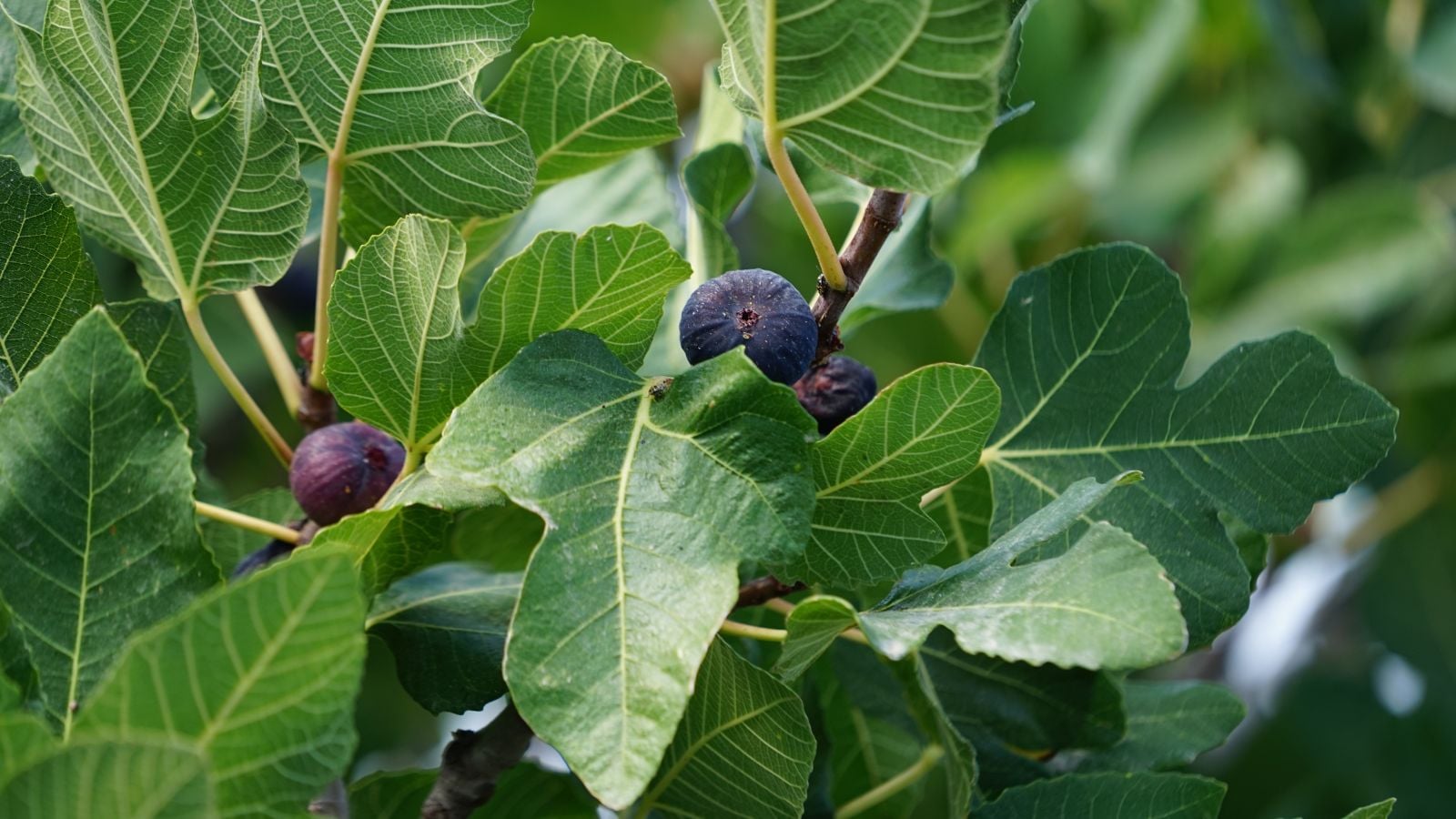
Older bark has an attractive silvery grey color, while new stems appear greenish. The leaves have three to five lobes and are hairy and rough on the upper surface and smooth underneath. They can reach up to 10 inches long.
In spring, small greenish flower structures form near the branch tips. These come from fruiting buds and eventually develop into figs. The main harvest ripens in late summer or early fall, although any figs that overwinter may be ready as early as June.
Established trees become drought-tolerant thanks to their extremely deep roots. Choose a planting site carefully, as fig roots can cause problems for nearby water or sewer lines. Younger trees need regular watering during their first year to become fully established.
A beautiful and reliable plant, the Chicago hardy fig is well worth the time and effort needed to grow it.
Fruit Production

The hardy Chicago fig is self-pollinating, so you only need one tree to produce fruit. Planting two trees may boost your harvest, but it is not required. Unlike some other figs, it does not rely on fig wasps or other insects for pollination.
In warmer climates, this variety can produce two harvests a year. The first is the breba crop, which develops from buds that overwintered on older wood and begin growing as the tree comes out of dormancy. The main crop forms on first-year wood.
If your breba crop starts to turn black, remove those figs right away. Blackened fruit has already died and will not ripen.
You can tell the age of the growth by its color. Young stems are green and smooth, while older wood develops grey bark.
Once fruit begins forming, it is a good idea to use bird netting to protect the harvest. This helps keep birds away and may also deter squirrels and other wildlife from stealing your figs.
How to Grow
Growing a tree is a bit more involved than caring for a typical houseplant, but it is far from impossible. With the right care and consistency, you can enjoy abundant fig harvests from your Chicago hardy fig for many years to come.
Light

Chicago hardy fig grows best in full sun. Aim for six to eight hours of light each day. In warmer regions, it can tolerate partial shade as long as it still receives plenty of brightness.
Water

For the first year after planting, water your Chicago hardy fig regularly. Aim for at least one inch of water per week in cool weather. During heat waves, you may need to water every two to three days. Keep the soil consistently moist but not soggy.
As the tree develops deeper roots, it becomes very drought resistant. Mature trees typically need about an inch of water every two weeks. Provide a bit more during very hot weather, but avoid overwatering. Too much water can dull the flavor of the fruit.
If you are growing your fig in a container, monitor soil moisture closely. Water when the soil is dry about two inches below the surface. Containers lose moisture faster than in ground plantings, especially in summer.
When watering a container grown fig, water until moisture drains from the holes at the bottom. If the soil has become extremely dry, water may run straight through. If that happens, moisten the soil lightly, wait a few minutes, and then water again more thoroughly. This helps the soil rehydrate properly.
Soil

Hardy fig prefers organically rich, well draining soil. Most loamy soils work well because they stay moist without becoming wet.
Work compost into the planting hole at planting time, as figs grow best in enriched soil. Mulch around the tree to help maintain soil moisture.
Fig trees tolerate slightly acidic to neutral conditions, but for the sweetest fruit, aim for a soil pH between 6.0 and 6.5.
Temperature and Humidity
There is a good reason this variety is called hardy. The stems tolerate temperatures as low as 10°F (-12°C), and the roots survive down to -20°F (-29°C). The tree may lose its leaves and young stems in extreme cold, but it is resilient. As long as the rootstock is protected, it will regrow in spring.
In northern climates, plant your fig in a sheltered spot along a south-facing wall. The wall’s radiated heat creates a small microclimate that protects the tree from harsh winds and deep cold.
Microclimates like this make it possible to grow figs as far north as zone 5. In these colder areas, it is best to grow the tree in a container so it can be moved indoors during severe weather.
Overwintered figs brought indoors do not need a light source during dormancy. Store them in an unheated garage or shed to shield them from the worst of the cold. While figs do require chill hours to produce fruit, most varieties need fewer than 100 hours.
Fertilizer

While hardy figs appreciate rich soil, an annual application of compost in spring is usually all they need. Pull back the mulch, spread one to two inches of compost around the base of the tree, then replace the mulch and let the compost break down into the soil.
If you prefer using a commercial fertilizer, choose a balanced, slow release option such as 5-5-5. Apply it in early spring as new growth begins, then reapply in late spring and midsummer. Avoid fertilizing in fall or winter, since the tree will be dormant during those months.
Overwintering Outdoor Figs

If you live at the edge of the Chicago hardy fig’s range, it may still survive outdoors through winter, but it does require extra protection.
Start by applying a thick layer of mulch around the base of the tree. Make the mulch at least four inches deep and spread it out as wide as the canopy. Wood chips, leaves, straw, or hay work well. This insulates the roots and helps prevent freezing.
Next, wrap the branches in a warm insulating material. Carpet padding, old blankets, or wool plant wraps are good options. Secure them with twine. Wrap the trunk in a similar material for added protection.
Finally, cover the entire tree with an outer layer such as a plant bag, a tarp tied around the trunk, burlap, or even a plastic cover. This final layer provides additional insulation from harsh winter weather.
Remove all coverings in late winter so you can prune before the tree breaks dormancy. With this level of protection, your fig has a much better chance of surviving severe cold.
Pruning

Pruning your Chicago hardy fig depends heavily on your climate and whether you plan to grow it as a shrub or a tree. It may seem complicated at first, but once you gain some experience, fig pruning becomes straightforward.
In regions where winter temperatures drop to 10°F (-12°C) or lower, the shrub form is the most reliable. Keeping the plant smaller makes overwintering much easier. Shrub-style figs rarely produce a breba crop because they fruit primarily on new growth.
For shrub-grown plants, move container figs indoors once the leaves begin to fall, which signals the start of dormancy. In late winter, prune to maintain size but avoid removing more than one-third of the plant at a time. For in-ground shrubs, mulch heavily around the base to insulate the roots and use a frost blanket or plant cover to keep temperatures stable.
Gardeners in warmer climates can grow their fig either as a shrub or a full tree. Chicago hardy figs naturally tend toward a multi-trunk habit. If you want higher yields, allow multiple trunks to develop. This takes more space but produces more fruiting wood and a larger harvest.
If space is limited, train your fig as a single trunk tree. The canopy will still spread, but the base will stay narrow.
In January or February, inspect the plant closely. Prune branches to improve airflow and light penetration into the center of the canopy. Remove older grey wood or any dead or diseased branches.
You can also top the fig to keep it shorter and more compact. Look for central branches that have outward-facing offshoots. Cut just above these offshoots to reduce height and direct growth toward the sides. This improves light exposure to the inner trunk area and stimulates healthy new growth.
Finish all major pruning while the tree is still dormant in late winter. Once warm weather arrives and new shoots appear, allow the growth to continue naturally.
As the tree begins to leaf out in spring, check any overwintered breba fruit. Remove any figs that have turned black, as they will not ripen. Clearing these early helps the tree shift energy toward producing fresh fruit.
Wear sturdy gloves during pruning or harvesting, as fig sap can irritate the skin.
Propagation
Propagation of the Chicago hardy fig is done via tip cuttings or air layering. These methods are the most reliable.
Tip Cuttings

At the end of winter or the very beginning of spring, once new growth appears, you can take fig cuttings. Choose a healthy tip about six to eight inches long and make your cut just below a leaf node.
Place up to four cuttings in a six-inch deep pot filled with moistened sand. A two-liter bottle with the bottom removed makes an excellent makeshift greenhouse lid to keep humidity high around the cuttings. Keep them in a warm, humid environment of at least 70°F (21°C), and provide bright but indirect light.
Wait until both leaves and roots have formed before repotting the young plants.
Air Layering

Pick a large diameter young twig or small branch and remove a three quarter inch wide ring of bark just below a leaf node. Wrap the exposed section with moistened sphagnum peat moss. Hold the moss in place with polyethylene film, securing both ends tightly with twine or cable ties.
The film helps retain moisture, and the moss creates a medium where new roots can form. Within three to five months, you should see signs of root growth. When roots are visible, cut just below the rooted section and remove the film carefully without damaging the new roots. The rooted piece is then ready for planting.
Other propagation methods exist, including transplanting sucker shoots, grafting, or growing from seed. However, these methods are not usually reliable for the Chicago hardy fig. Seeds do not reliably produce true-to-type plants, and suckers may not root well. Grafting a Chicago hardy fig onto different rootstock can also cause issues, since many rootstocks do not tolerate cold as well as the Chicago hardy fig itself.
Harvesting
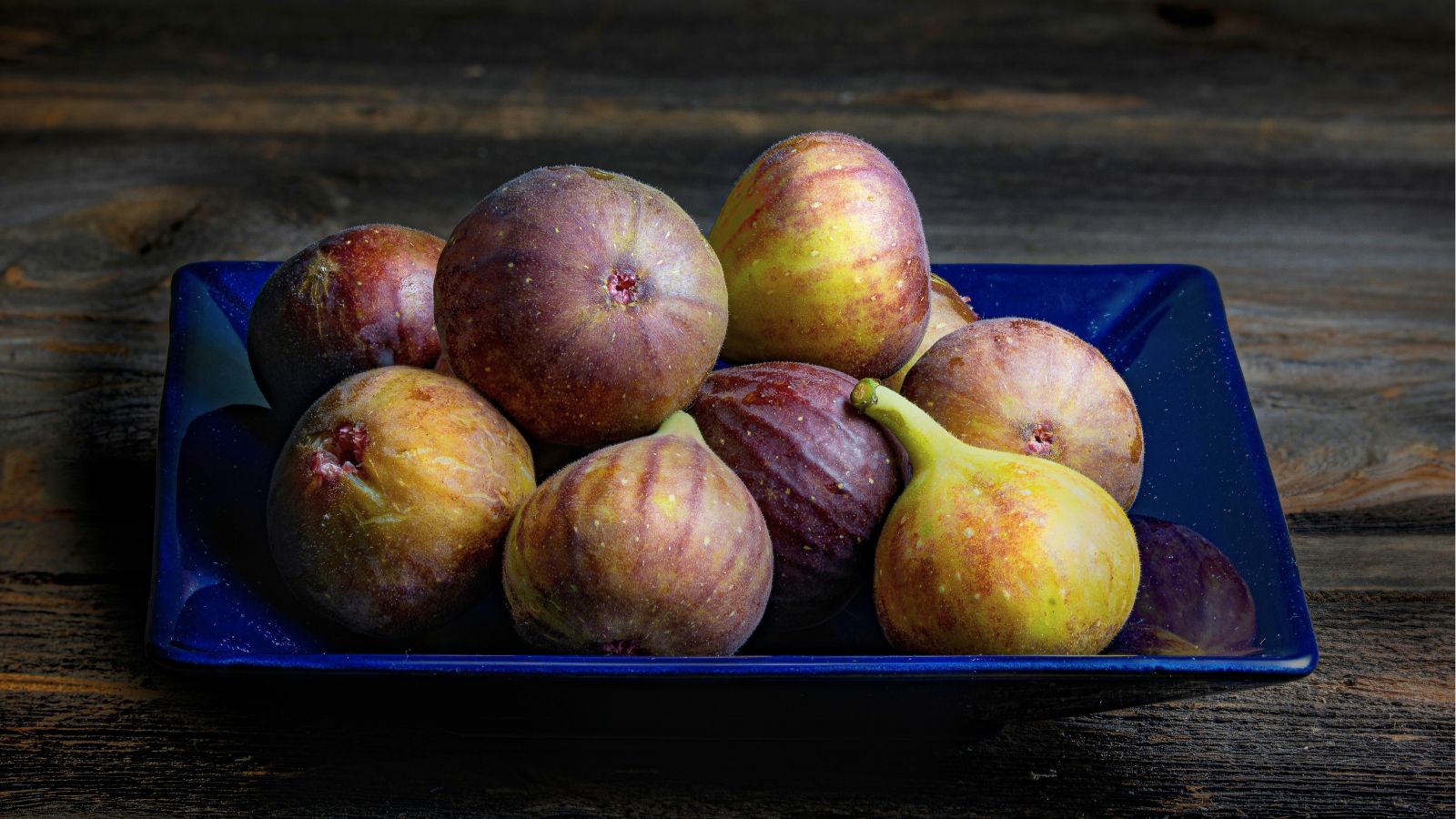
When ripe, figs are delicate, but you must wait until they reach full ripeness before harvesting. Figs do not continue to ripen after they are picked.
Chicago hardy figs turn a deep purplish brown when ready. They should feel slightly soft when gently squeezed, but not mushy. Squishy figs are usually overripe.
Use sterile pruning shears to snip the stems cleanly. Some figs may detach easily on their own, but avoid pulling, as this can damage the fruit. Any ripe figs that do not release with a gentle tug should be clipped to keep them intact.
Preserving
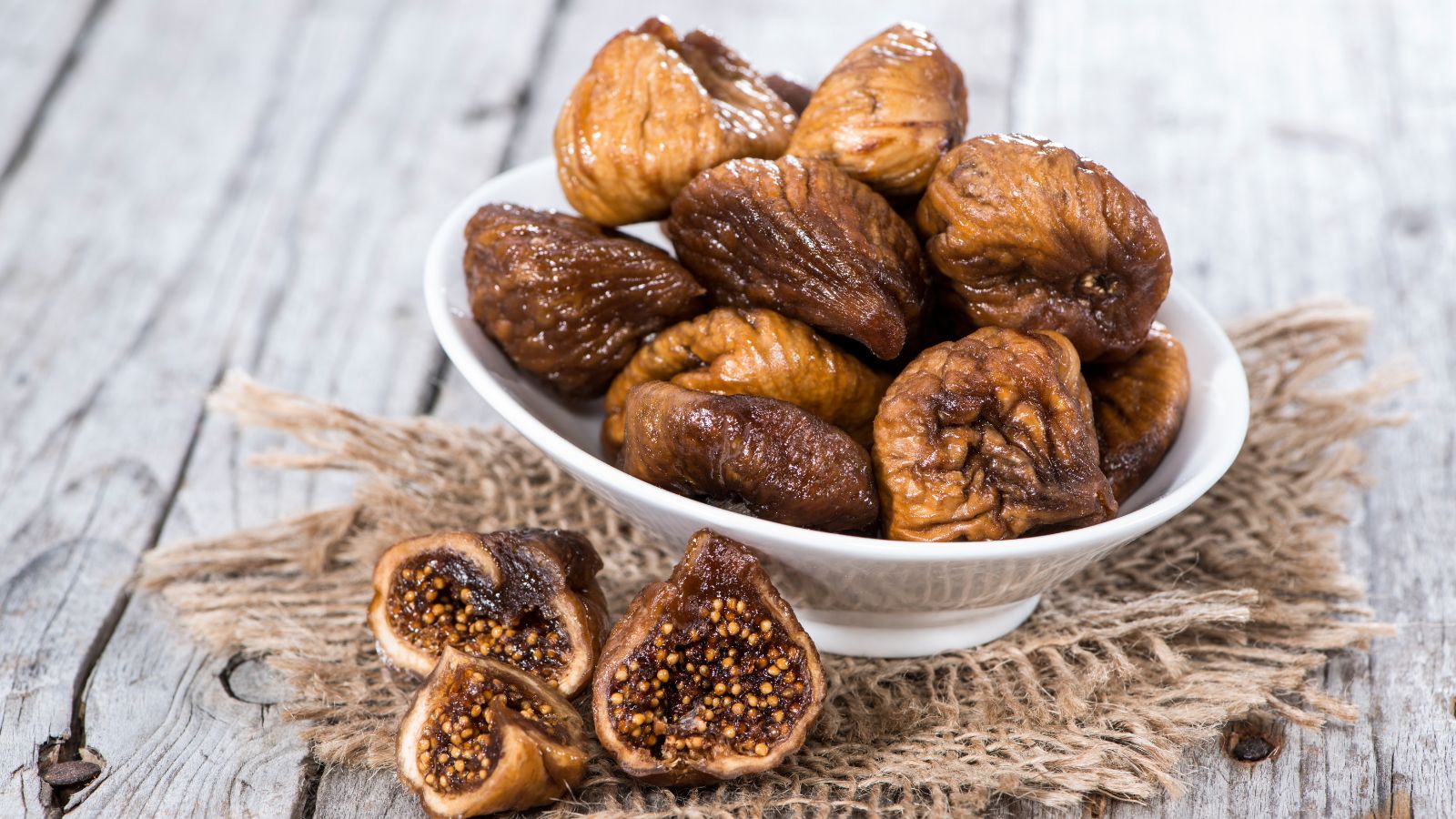
Fresh figs have a very short shelf life once picked. They typically last only two to three days in the refrigerator before they begin to spoil.
To extend their usefulness, you can freeze figs whole and thaw them later when needed. You can also dry them using a dehydrator or by freeze drying, both of which are popular methods for long term storage. Figs can also be canned using a tested, food safe recipe such as fig preserves.
Troubleshooting
Generally, the Bensonhurst Purple fig is a resilient variety with excellent pest and disease resistance. It rarely shows signs of trouble.
Still, pests can be persistent, and fungal diseases can strike under the right conditions. Here are the most likely issues you may encounter with your hardy fig tree.
Growing Problems

An established Chicago hardy fig is quite drought-resistant, but it still needs consistent moisture. If the leaves begin to yellow during the growing season, the tree is thirsty and needs water.
Avoid overwatering, though. If the fruit tastes watery or bland, the tree has received too much moisture. Provide enough water to keep it healthy, but err on the side of moderation.
In zones 5 and 6, the tree is susceptible to cold damage. Twig dieback is common, with older grey wood surviving while younger growth may die back. Be sure to winterize outdoor figs in these regions or bring container grown trees indoors for overwintering.
Pests
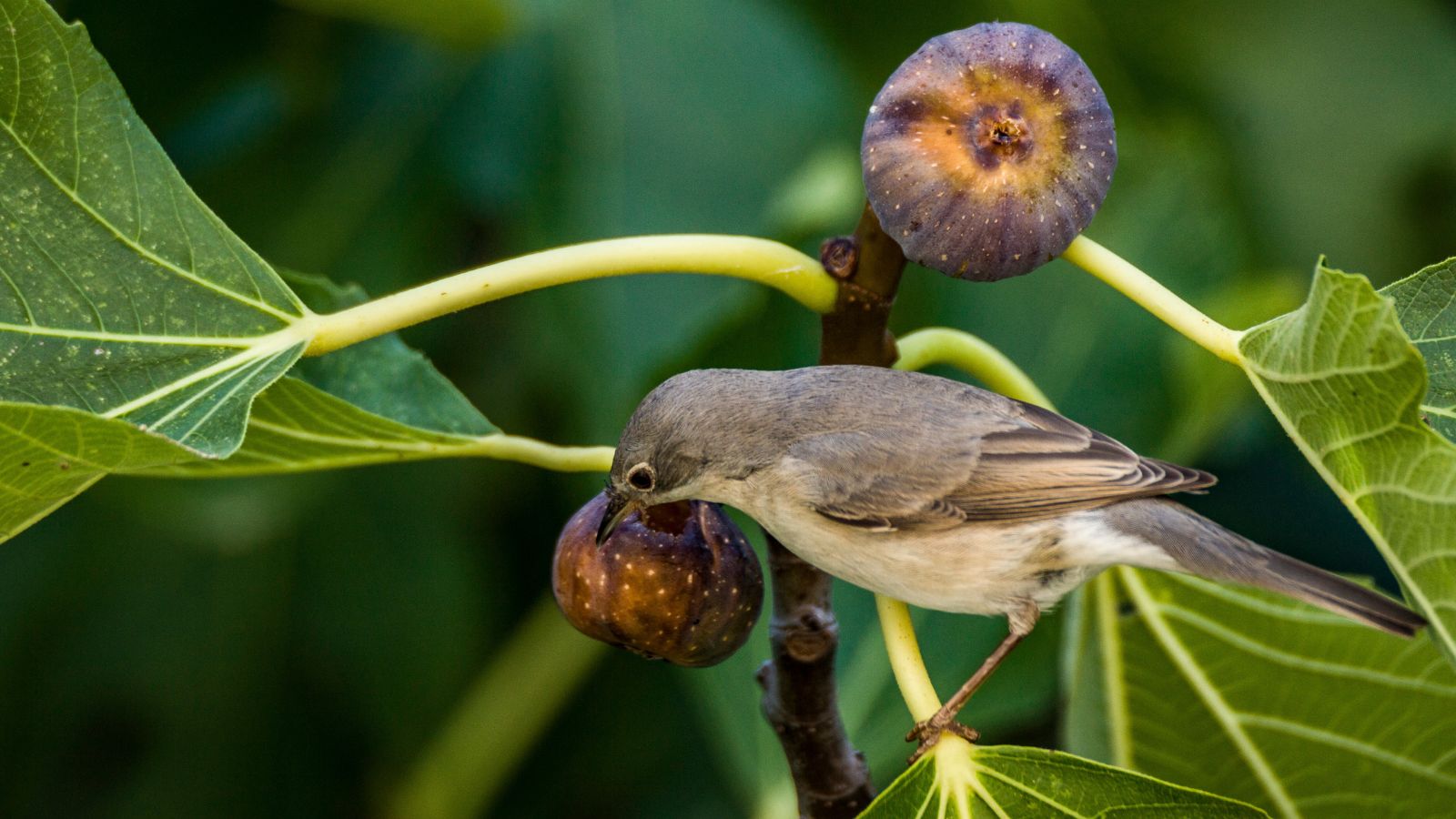
Your biggest and most frustrating pest when growing the Chicago hardy fig is birds. They love ripe figs just as much as you do, and a single flock can wipe out an entire harvest.
Use bird netting to keep them away. Hanging reflective tape can also help, and as a bonus, it may deter squirrels and other wildlife that might snack on your fruit.
While not common, a few other pests may show up. Here are the main ones to keep an eye out for, along with links to more detailed information about each:
Diseases
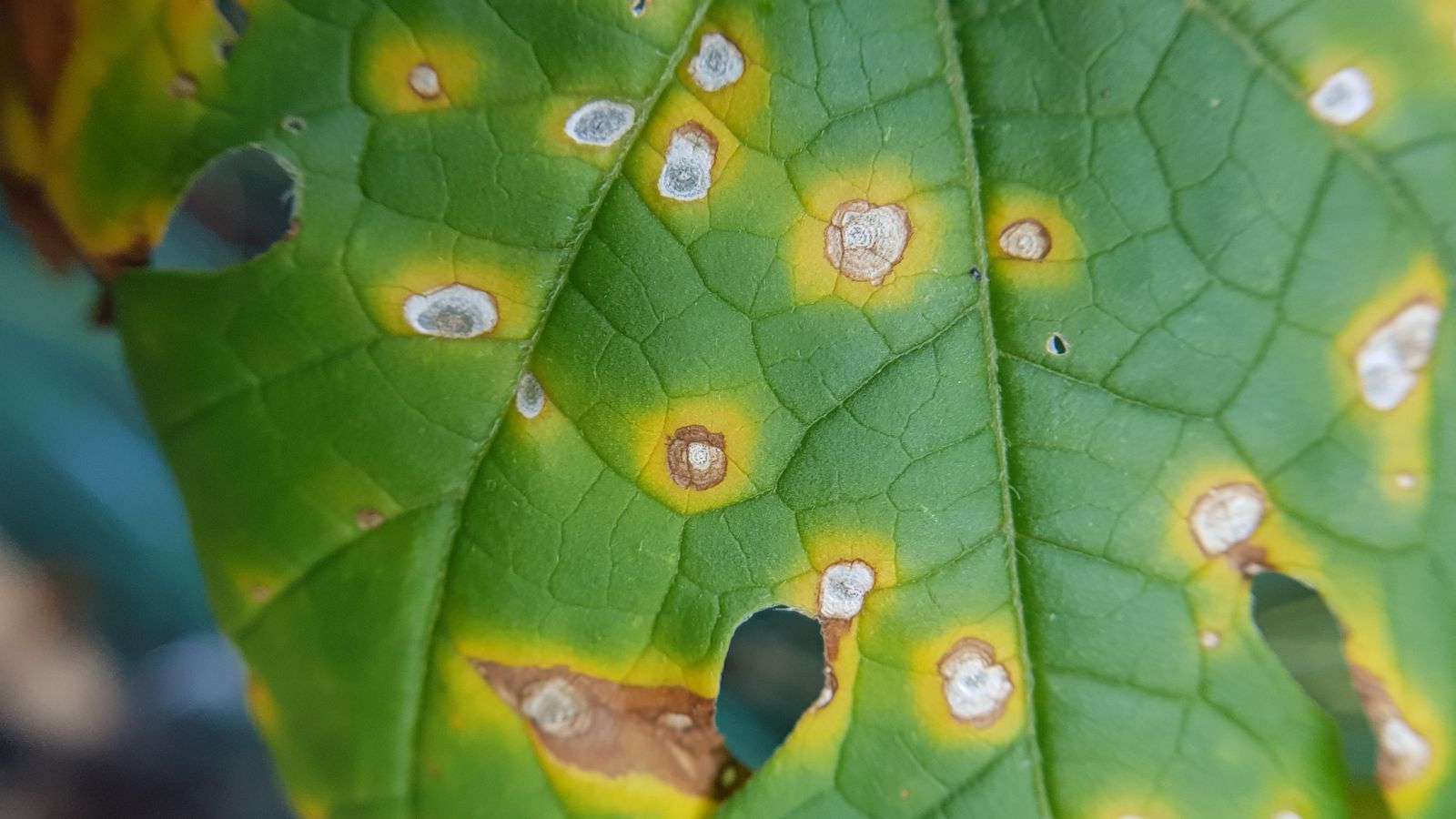
Your hardy fig is naturally resilient and can withstand most diseases, but some can still cause seasonal damage. If left untreated, they may linger and return the following year.
Most issues appear on the leaves. Watch for septoria or alternaria leaf spot, and keep an eye out for anthracnose, which can show up as either a leaf spot or a blight. Rust diseases may also appear from time to time.
For most of these problems, a copper-based fungicide will provide effective control.
Frequently Asked Questions
Are there wasps inside my figs?
A Bensonhurst purple fig doesn’t require the services of a fig wasp to pollinate it. While some species do have a mutualistic relationship with the fig wasp, Chicago hardy figs do not. They’re self-fruitful. So have no fear, there’s no wasps in your fruit!
Can I espalier my fig tree?
Yes! It’s best to espalier to a T-shape so that new growth can develop from the older growth.