How to Plant, Grow, and Care For Cerinthe
If you're looking for a pretty, low-maintenance flowering plant that's great for feeding pollinators, check out Cerinthe. Join pollinator enthusiast Melissa Strauss to learn how to plant and grow this lovely plant.


Contents
Plant life from the Mediterranean region is loved for its ability to adapt to a climate that shifts between hot, dry summers and mild, wet winters. With deep root systems and slow and steady growth, they can conserve resources and thrive in this unique climate. Plants like lavender, thyme, rosemary, and others can survive in rocky soil through long periods of drought.
The adaptability of these plants makes them great low-maintenance options for the earth-conscious gardener. Their low water needs and pollinator-supporting flowers contribute more than just beauty to your garden’s biodiversity. Cerinthe is one of these Mediterranean natives, and if you’re not familiar with it yet, stay tuned—it’s a great little plant!
Cerinthe Overview

|
Plant Type
Hardy annual or evergreen perennial
Family
Boraginaceae
Genus
Cerinthe
Species
Major
|
Native Area
Mediterranean region
Exposure
Full sun to partial shade
Height
18”-48”
Watering Requirements
Moderate
|
Pests & Diseases
Aphids, slugs and snails, leaf miners, root rot, powdery mildew, damping off
Maintenance
Low
Soil Type
Well-drained, moderately fertile
Hardiness Zone
8-10 (7 with winter protection)
|
What Is It?

Cerinthe is an annual or short-lived, evergreen perennial, depending on your climate. It’s typically grown for its attractive foliage and striking flower bracts. Like many of its Mediterranean neighbors, it’s an excellent plant for the water-wise gardener. For pollinator enthusiasts, this addition will bring all the bees to the yard!
Characteristics

Cerinthe is visually dramatic and beautiful, with several characteristics that make it noteworthy in the garden. The most prominent feature is its blue-green, waxy foliage, which has a silvery sheen and a soft, fleshy texture. The growth habit is slightly cascading, with branches that bend gently downward.
At the ends of branches are tubular blue-violet flowers surrounded by colorful bracts. The bracts are vivid and showy, even more than the actual flowers. They are long-lasting and retain their color in the garden for an extended period of the season.
These plants typically reach a height of 18-24 inches with a spread of 12-18 inches. It’s popular with pollinators, and the violet flowers are especially appealing to bees. The flowers are nectar-rich, making this a stellar addition to the pollinator garden.
Native Area

Cerinthe is native to the Mediterranean regions, specifically southern Italy and Greece.. It grows naturally in open woodlands, dry grasslands, and on rocky hillsides. It’s well-suited to similar climates around the world, characterized by cool, wet winters and dry, hot summers.

Planting
Cerinthe is easy to grow from seed and prefers a sunny location with well-drained soil. They are hardy in warmer climates, so you can plant them in spring or fall. In cool climates, plant these in the spring, after the threat of frost has passed, and grow them as annuals.
Transplanting

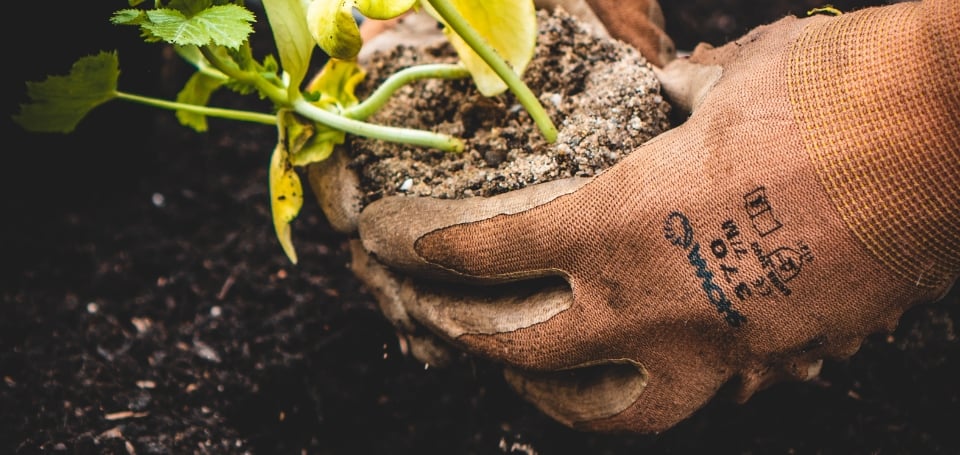
Once mature, cerinthe doesn’t like its roots disturbed. Therefore, it’s best to transplant your seedlings while they are young, before they have developed deep roots. When your seedlings have two to four true leaves, and after the last anticipated frost, is the ideal time. Choose a cloudy day to minimize stress.
Water your seedlings several hours ahead of transplanting. Try your best to keep the root ball intact when removing from the container and planting. Space your plants about a foot to 18 inches apart to give them adequate ventilation.
For the first two weeks after planting, keep the soil moist, but not soggy. Mulch gently around the base to protect the roots and prevent moisture from evaporating too quickly.
Growing From Seed

You can start cerinthe seeds indoors about four to six weeks before your last frost date. Alternately, you can directly sow them in the garden after that date. Because the roots don’t like disturbance, I recommend planting directly in the ground for more vigorous plants and faster growth.
Cerinthe seeds have a tough outer coating, so they benefit from soaking and scarification to facilitate germination. Soak them overnight before planting, or scarify them beforehand to prepare them for planting. Both of these actions will accelerate the germination process.
These seeds don’t require light to germinate, so plant them about 1/4 inch deep in cells with potting mix or directly in the garden. Keep the soil moist while waiting for the seedlings to sprout. Once they germinate, thin your seedlings by removing the weaker plants and leaving the stronger ones.
If you’ve started your seeds indoors, allow them to harden off for a week before planting. Place them outside for an hour on the first day, gradually increasing the time until they are outdoors all day. Your cerinthe plants need moisture to establish roots, so make sure the soil doesn’t dry out completely until they’re well settled. Then they will be drought-tolerant.
How to Grow
Cerinthe is easy to grow and care for, and rewarding for gardeners who want an easy-going, low-maintenance plant that also looks great and feeds wildlife. It has few enemies in the garden, and once established, it rarely needs attention.
Light

Cerinthe thrives and performs best when grown in full sun, receiving at least six hours of sunlight per day. In hot climates, it tolerates partial shade or dappled light, but it may grow leggy and bloom poorly. Sunlight promotes dense and compact growth, resulting in vivid and abundant flowers.
Water

Water is a flexible element in caring for your cerinthe. This plant appreciates moderate watering and requires moist soil to establish a strong root system. Thanks to its Mediterranean roots, however, it is quite drought-tolerant once established.
When you initially plant your cerinthe, keep the soil moist, but not soggy and wet. Waterlogged soil can easily lead to root rot and soft, leggy growth. During periods of drought, water deeply, but infrequently. In hot, dry climates, it will need more water.
Soil

The ideal soil conditions for cerinthe are well-drained and moderately fertile. It thrives best in a mix of sand and loam, similar to its native environment. Drainage is the most essential aspect, as the roots are likely to rot in wet and clay-heavy soil.
Overly fertile soil can lead to excessive green growth and limited flowering. In most cases, it’s not necessary to amend the soil to increase its nutrient composition. Cerinthe is tolerant of a range of pH levels, but ideally, neutral to slightly alkaline is best.
Temperature and Humidity

Cerinthe thrives in mild temperatures, ideally between 60-75°F (16-24°C). The top of the plant is frost-sensitive, but the roots can tolerate some cold weather. In zones 8 and 9, it may die back in the winter and return in the spring. It germinates well in cool spring weather.
In hot climates, it may suffer during the hottest part of the year. In these regions, some afternoon shade will reduce stress. It prefers dry to moderately humid environments. This will help prevent fungal diseases, which are more common in areas with high humidity. In these regions, ensure that your plants have sufficient room for air circulation.
Fertilizing

Cerinthe doesn’t need fertilizer, and too much nitrogen is a negative. It will encourage green growth, but limit flowering. If you have poor or sandy soil, incorporating compost at the time of planting will provide your plants with the necessary nutrients.
Maintenance

Pinching back your plants while they are young is good for growth and plant structure, as it encourages branching. You will have a bushier, more compact, and attractive plant this way. It will also cause the plant to produce more flowers.
If you want more flowers, deadheading can help your plant in this department, but it’s not a critical need. However, cerinthe does tend to reseed, and deadheading is a good way to prevent this if you prefer to keep it under control.
In terms of pruning, because it’s usually grown as an annual, it’s not that important. In mild climates, if your plants get leggy and floppy, you can cut them back by half to thicken them back up.
Propagation

Cerinthe is best propagated from seeds. It’s easy to grow it this way, and it doesn’t root well from cuttings. These plants mature from seed to flower quickly, so there is no real advantage to attempting to propagate them by cuttings.
Common Problems
Under ideal conditions, cerinthe is a low-maintenance plant with few issues. Under less-than-ideal conditions, several problems can arise, particularly in areas with high humidity.
Pests

Aphids are the most common pests to attack cerinthe plants. They cluster on tender new growth and suck out the sweet sap. You may notice shriveling and distorted leaves. Further inspection is likely to show these small insects that every gardener dreads.
Neem oil or insecticidal soaps are good controls for aphids, but can harm pollinators. A strong stream of water from a hose is a good first defense, as this knocks them off the plants. The best defense against these pests is to attract beneficial insects that prey on them. Ladybug and lacewing larvae are voracious predators that love to feast on aphids.
Slugs and snails can also be a problem, damaging seedlings and consuming tender new growth. They prefer damp conditions, so keep an eye out for these during periods of heavy rainfall. You can pick them off by hand if you see them, but they mainly feed at night. Sprinkling diatomaceous earth around the base of the plant is a more effective method of control. Use beer traps as a last resort.
Leafminers are less common but still possible. They leave tunnels in foliage that look like squiggly white lines. Neem oil and insecticidal soaps are also effective against these pests, as are beneficial nematodes.
Diseases

Overwatering, poor drainage, and high humidity are the most common causes of disease issues for Cerinthe. Fungal diseases are the main problems for these plants. Root rot can happen as a result of overwatering and poor drainage. Roots sitting in wet soil will break down and become vulnerable to fungus. Stop watering in ground plants, and remove potted plants to see if there is healthy whitish root tissue. Trim away the black or brown rotted roots and repot in a new container.
Humidity, overcrowding, and overhead watering are all conditions that can contribute to the development of powdery mildew. This white mold grows on the leaves and interferes with photosynthesis, resulting in an unhealthy plant. Remove damaged leaves as they crop up and avoid watering overhead to prevent powdery mildew.
If you start your seeds indoors, these plants tend to fall victim to damping off disease easily. Use sterile seed-starting mix when starting seeds indoors to avoid fungal infections. Avoid overwatering, and maintain ventilation in your space.
Growth Problems

If you’re experiencing growth issues, such as weak, leggy stems or a lack of flowering, it’s likely due to an environmental problem. Leggy stems that are floppy with sparse foliage can happen for two reasons. Either they aren’t getting enough sun, or there is too much nitrogen in the soil.
If you’re experiencing a shortage of flowers, it’s also likely the result of excessive nitrogen. If there is plenty of green growth but not many blooms, this is the cause. Too much water can also slow flower production, but this issue is less common.
Frequently Asked Questions
What can you plant cerinthe with?
Other plants native to the Mediterranean region, such as oregano, rosemary, lavender, and thyme, make great companions for cerinthe, as they share similar needs.
Is Cerinthe safe for pets?
Yes, this plant is non-toxic to both people and pets.
How do you overwinter Cerinthe?
In mild climates, no protection is necessary. In warm climates that experience some cold weather in the winter, mulch over your plants in the fall to insulate the roots. North of zone 8, these are typically annuals, though with protection, they can survive in zone 7.