The Best (and Worst) Broccoli Companion Plants
Finding the right broccoli companion plants can be tricky. We demystify the process and make it an easy process!

Contents
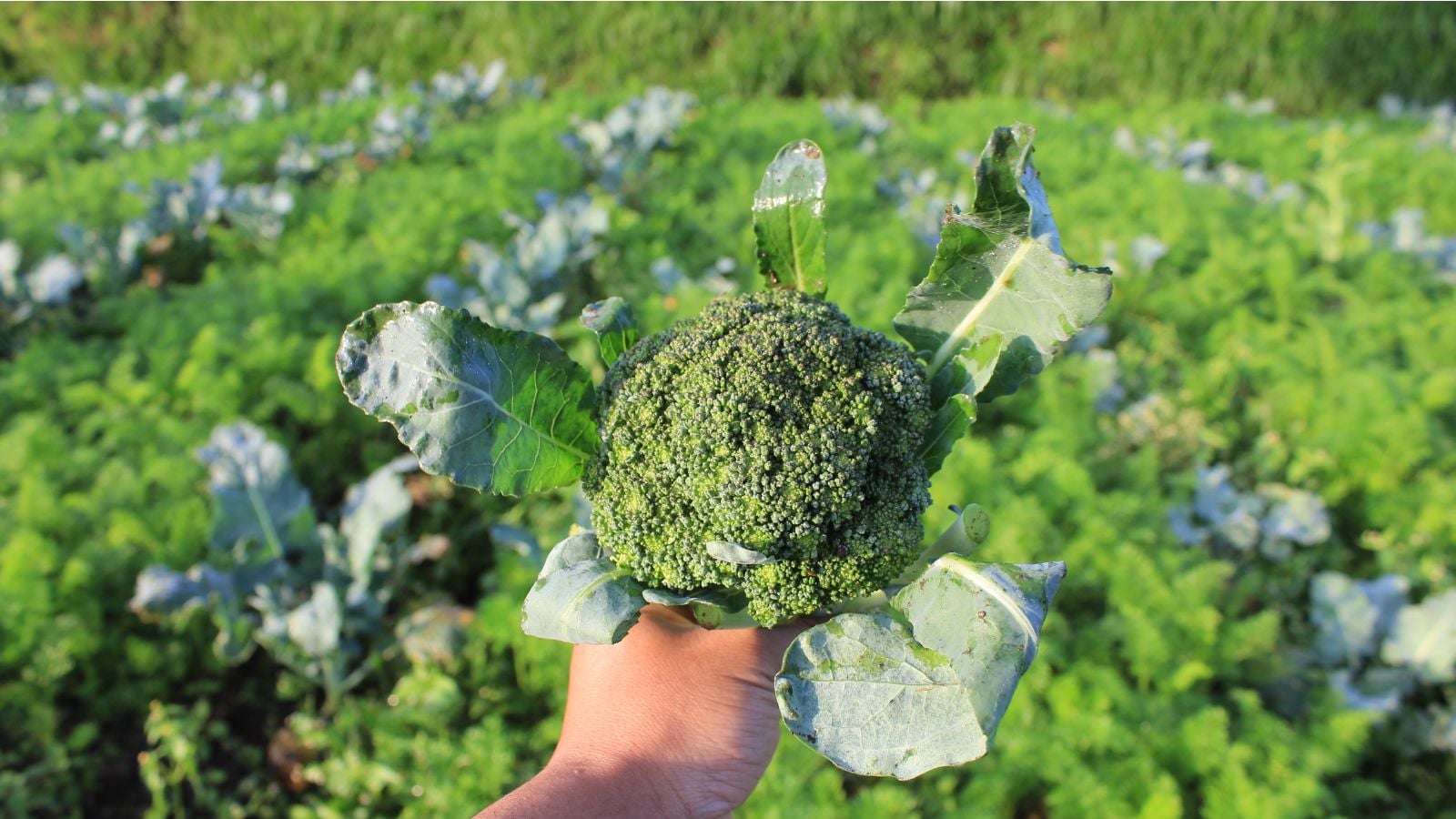
Broccoli is a delicious cool-season vegetable that many gardeners love to grow. Broccoli plants can become quite large, so choosing the right broccoli companion plants is one of the best ways to maximize space in your garden.
There are many types of broccoli, but the most common is the Calabrese variety you see in stores. This is a heading type that can take up several feet of space. If you are growing in a raised bed or container, smart companion planting becomes even more important so you can make the most of every inch.
Because broccoli has high nutrient and water needs, it pairs best with plants that can coexist with a very hungry, very thirsty crop. It is also worth remembering that members of the cabbage family face a lot of pest pressure, so selecting companions that help reduce pests is essential when planting a brassica like broccoli.
Let’s take a look at the best companion plants to grow alongside broccoli.


What Is Companion Planting?

Companion planting is a traditional gardening method where plants are intentionally grown near others that support them in some way. Although companion planting guides can sometimes feel complicated, there is real science behind these plant relationships.
One reason this practice remains so popular is that it can attract beneficial insects for pollination or divert pests using trap crops that protect your main plants. Some companions even improve the flavor of neighboring vegetables through chemicals released by their roots.
Low-growing companions act as living mulch, cooling the soil, conserving moisture, and suppressing weeds. They also help you make the most of limited space by filling both vertical and horizontal gaps. Taller companions can provide shade for heat-sensitive plants and even serve as natural row markers so you do not overplant or lose track of where seedlings are.
The Best Broccoli Companion Plants
Overall, companion plants are an excellent way to maximize both garden space and harvest quality. Let’s look at some of the best companion plants for broccoli.
Greens

Broccoli, or Brassica oleracea var. italica, grows very well with leafy greens such as lettuce, swiss chard, and spinach. These greens stay low to the ground while broccoli grows tall, which creates a natural shade layer. Planting broccoli near leafy greens can even extend their growing season by keeping the soil cooler and helping delay bolting. Lettuce in particular performs best when protected from hot afternoon sun.
Leafy greens also make excellent use of ground-level space. They cool the soil, suppress weeds, and fill areas that would otherwise remain open while broccoli develops its larger frame. For all these reasons, leafy greens are excellent broccoli companion plants.
Herbs

Successful broccoli companion plants often include aromatic herbs like rosemary, which can deter common broccoli pests such as cabbage loopers and cabbage moths with its strong scent.
Herbs like basil, mint, thyme, sage, and dill offer similar benefits, repelling insect pests through their intense fragrance and flavor. In fact, the smell of these herbs can even discourage cabbage moths from laying eggs on broccoli.
Scented flowers like chamomile also make great companions. They attract beneficial insects and are even said to improve the flavor of broccoli when grown nearby.
Flowers

Chamomile isn’t the only flower that pairs well with broccoli. Nasturtiums are excellent companions because they act as a living mulch. Their sprawling growth surrounds the base of broccoli plants, shading the soil, conserving moisture, and suppressing weeds much like traditional mulch. They are also light feeders, so they will not compete with broccoli for nutrients.
Geraniums are another strong choice. They help deter cabbage worms and other pests that commonly target brassicas, offering natural pest protection while adding color to the garden.
Root Crops

Another benefit of companion planting is filling the space below the soil surface. Root crops like potatoes, beets, and radishes grow well with broccoli because they have different nutritional needs and occupy different parts of the soil profile. Their growth happens underground, so they use a separate zone of space from broccoli’s shallow, fibrous roots.
Potatoes prefer soil rich in magnesium and phosphate, while broccoli needs calcium and nitrogen. Even though both are heavy feeders, their contrasting nutrient requirements make it possible for them to grow close together without competing too heavily. The same is true for broccoli and beets. Broccoli pulls calcium from the soil, but beets prefer lower calcium levels, which makes them natural companions.
Radishes take up very little root space and grow quickly. They also thrive in the partial shade created by taller broccoli plants, making them an easy and efficient companion crop.
Alliums

One plant family that grows especially well with broccoli is the allium family, which includes onions, shallots, and garlic. Onions are even said to improve the flavor of broccoli, making them a popular pairing. Shallots also grow well alongside broccoli and fit easily into mixed planting spaces.
Garlic is an excellent companion because its strong scent helps repel pests, much like aromatic herbs do. This natural protection reduces pest pressure on your broccoli and may even enhance its flavor as it grows.
Other Vegetables

If you want to get creative with your broccoli companion planting, you can try growing celery alongside it. Broccoli is said to develop better flavor when planted near celery, and celery grows more comfortably in the shade that tall broccoli plants cast. Just be sure to leave enough space for both, since each can grow quite large and may compete for nutrients if crowded.
Rhubarb is another good large companion for broccoli. As with celery, avoid planting them too close together. Both need adequate space, light, and nutrients to thrive. Rhubarb also helps deter cabbage whitefly and other leaf-eating insects because its leaves contain toxic oxalic acid.
Cucumbers can also be planted with broccoli, but keep in mind that cucumbers are heavy feeders. If you pair the two, make sure your soil is rich in organic matter and replenish nutrients regularly. Plant one cucumber near broccoli and give it plenty of room to spread.
What Not To Plant With Broccoli
While there are many great broccoli companion plants, there are also several not-so-good options. Avoid these pairings to maximize your harvest.
Nightshades

Broccoli does not grow well when planted near members of the nightshade family, since these vegetables are heavy feeders that compete directly with broccoli for nutrients. This group includes peppers, tomatoes, and eggplants, all of which can quickly strip the soil of the resources broccoli needs. Tomatoes are especially nutrient hungry and make particularly poor companions.
Keep hot peppers well away from your broccoli beds, and avoid planting any nightshades nearby if you want strong, healthy broccoli plants. This separation helps ensure each crop has enough nutrients to grow properly.
Heavy Feeders

You should also avoid planting summer squash, winter squash, melons, and corn near broccoli because these crops draw heavily on soil nutrients and will compete directly with broccoli. Corn, for example, needs frequent soil amendments to perform well, and even a single squash plant can take up a large amount of space and nutrients that would otherwise support your broccoli.
Asparagus also requires rich soil and will compete with broccoli for the same resources, leaving both plants stunted and underperforming. Strawberries are especially poor companions because they are heavy feeders and tend to attract pests. It is best to plant strawberries well away from your broccoli to prevent competition and pest issues.
Beans
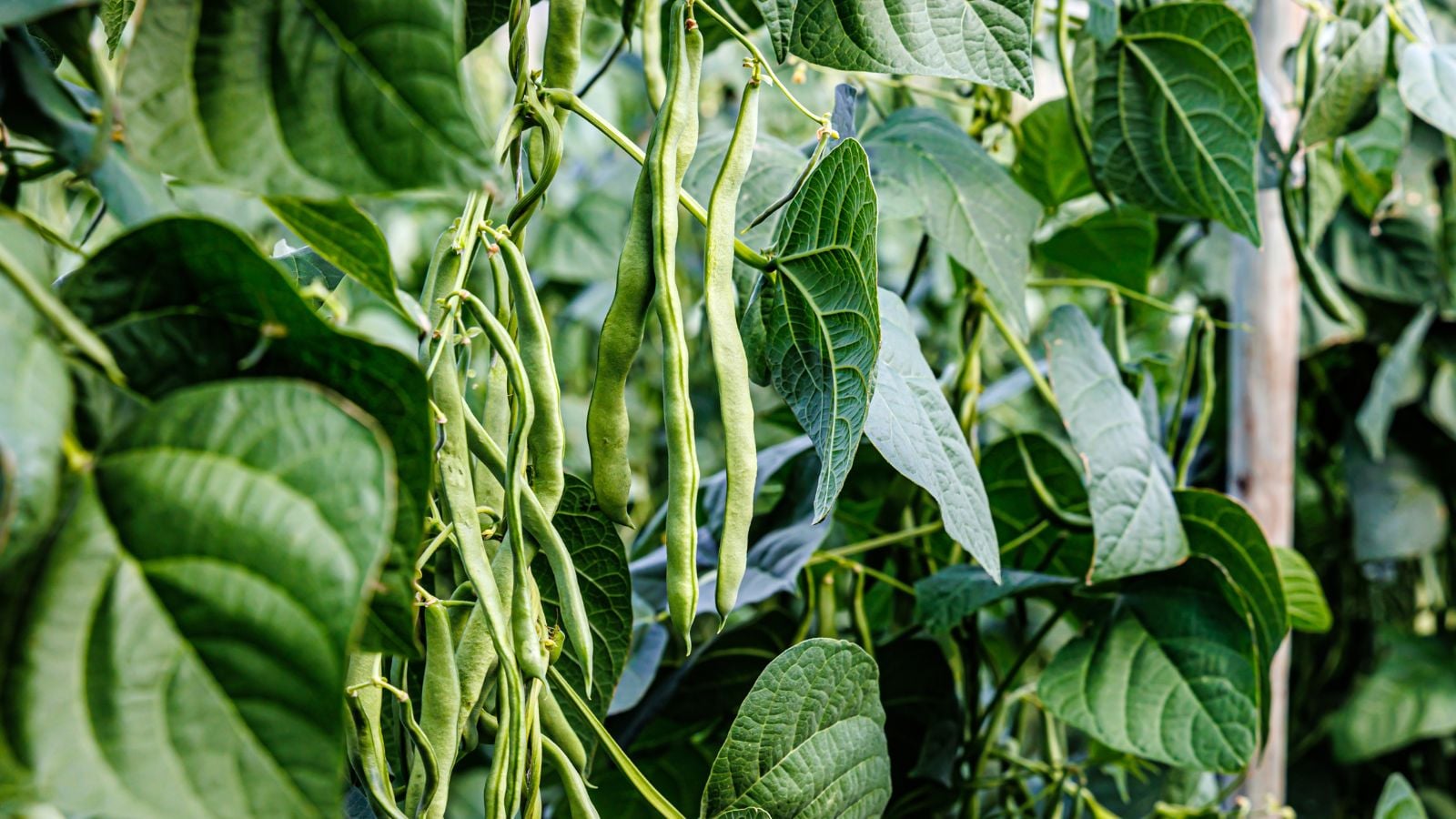
Beans, including both bush beans and pole beans, are poor companion plants for broccoli because they fix nitrogen in the soil and make it too rich for brassicas. This applies to all legumes. Their nitrogen-fixing activity creates soil conditions that can overwhelm broccoli and other members of the cabbage family, which prefer more balanced nutrient levels. For best results, plant beans well away from your broccoli in the garden.
Brassicas

Finally, it is best to avoid growing broccoli near other brassicas such as kale, cabbage, brussels sprouts, and cauliflower. Pests that target one brassica will quickly move to all the others, since they feed on the same plant family. By clustering brassicas together, you increase the risk of attracting whiteflies, cabbage loopers, and cabbage moths that can damage your entire crop.
For example, even though Brussels sprouts have similar nutritional needs to broccoli, they can attract double the pest pressure. Keeping brassicas spaced apart in the garden helps prevent pests from spreading easily and reduces the chance of losing multiple crops at once.





