Blight On Plants: Identification And Control
What is blight on plants? We explain common forms of blight, how they appear, and basics on how to control or treat this category of diseases.


Contents
Plant and animal diseases are a huge threat to the livelihoods of agrarian societies. The word “blight” does not refer to one specific plant disease, but rather a general term that describes conditions that severely hinder the healthy growth of plants. Blight on plants has had a significant impact on human populations, movements, and diets throughout history.
Some most notable blights include the potato blight that caused the Irish Potato Famine of 1846-50, the bacterial leaf blight in rice that swept through Asia in the 1960s that caused the lost of up to 80% of crops, and the southern leaf corn blight epidemics of 1970-1971 which total 1 billion dollars in economic damages.
There are many different causes of blighting on various crops and economically important vegetables. Many of these pathogens are specific to a few plant species and are not genetically related to each other. In this article, we will provide an overview of different plant diseases known as blights and provide a general description of each type and their control methods.
Epic GardenBox Greenhouse

Looking to stretch out your growing season? Our Epic GardenBox Greenhouse is here to help with that. This small, portable cold frame warms the soil by trapping in heat from the sun, protecting your plants from wind & frost—making whatever you’re growing a lot happier.
Buy at Epic Gardening ShopWhat Is Blight On Plants?

Blight refers to a group of plant pathogens that cause plants to undergo chlorosis (yellowing) then browning and then die-off in parts of the plant. The impacted areas could include leaves, branches, flowers, fruits, stalks, seedlings, tubers, etc. As with many plant pathogens, many types of blights are highly contagious. Bacteria, fungi, and oomycetes are causal factors of blight. Weather conditions such as storms or changes in humidity and temperature typically exacerbate the damage. As a general best practice to prevent blight, source seeds or disease-free plants from certified providers to limit the risk of contamination.
Bacterial Diseases
Bacteria are single-celled prokaryotic organisms with a wide range of genetic and metabolic diversity. Pathogenic bacteria are typically in spaces between cells and tend to colonize xylem vessels. They may also produce plant toxins that lead to cell death or necrosis.
Bacterial Blight

Bacterial blight includes two types of pathogenic bacteria, Pseudomonas savastanoi, which affects soybeans, and Pseudomonas syringae pv. pisi that impacts field peas. Both are early-season diseases that are most visible on young leaves. P. savastanoi overwinters on host debris and is transmitted by rain, wind or surface contact with infected material. P. syringae pv. pisi, on the other hand, is predominately a seed-borne pathogen that impacts peas after a frost or severe weather conditions.
After the bacteria enters a plant through the stomata or wounds, they produce a toxin that stops chlorophyll production. Brown spots may be visible on the margins of cotyledons and young plants might appear stunted or even die. In later growth stages of infected plants, the leaves will develop yellow spots that eventually turn reddish-brown and dry out as lesions. Seed pods might also develop lesions and shrivel although seeds will not exhibit symptoms.
Both types of bacterial blights can be managed through planting resistant varieties, waiting to plant after wet or severe weather, and when you practice crop rotation. For P. syringae pv. Pisi, growers can also source disease-free seeds from reputable suppliers.
Bacterial Leaf Blight Of Rice

Bacterial leaf blight (BLB) or kresek disease is caused by the pathogenic bacterium Xanthomonas oryzae. This is a serious disease for Oryza sativa (rice) and impacts rice growers worldwide in tropical and temperate regions. In addition to rice, it can also impact grass and wild rice species.
The bacteria favors warm and wet weather and nitrogen-rich environments. Monsoon and typhoon seasons are particularly damaging. This pathogen can travel by rain, wind, irrigation, plant-to-plant contact, and human handling during transplanting or while using contaminated tools. The bacterium enters the host through the natural uptake of water or via wounds. Since rice cultivation requires transplanting, this process might result in wounds at the roots or openings when the tip of the seedlings is clipped as a part of the operations. Once inside the plant, the pathogen moves systematically through the xylem.
The two symptoms of this disease are long yellow lesions along the blade and plant wilt (kresek disease). Bacterial ooze may be visible on the lesions. Total production will decrease and the seeds of infected plants may also appear discolored. For plants suffering from kresek disease, their leaves will curl and turn a greenish-gray color. Plants often do not survive wilt. The most reliable methods of prevention are using resistant varieties, practicing field sanitation, and implementing proper spacing and fertilizer management.
Bacterial Seedling Blight Of Rice

Burkholderia plantarii is a relatively new disease that was first recorded at a rice nursery in Japan in 1985. It has since been found across rice-growing regions in Asia. Once inside the host plant, this bacterium produces a phytotoxin called tropolone, which causes the blight symptoms. Infected seedlings show chlorosis and stunted growth of leaves and roots.
Common Blight

Common blight is a warm-weather disease caused by the bacterium Xanthomonas campestris pv. phaseoli that impacts runner beans, french beans, mung beans, garden lupin, and peas in a vegetable garden. It enters the plant through natural plant openings or wounds and can affect leaves, stems, pods, and seeds.
This disease first manifests as water-soaked angular leaf spots. The spots expand over time and dry out as plant tissues die. The brown patches will be surrounded by a ring of yellow leaf tissue. On stems, the bacterium will result in brown patches with no yellow ring. Infected stems may also wilt. Discoloration can also be seen on pods and seeds along with bacterial ooze under very humid conditions.
Common blight can be controlled by using disease-free seeds, practicing crop rotation, removing volunteer plants and weed hosts, and limiting the use of overhead watering to keep foliage dry. Good sanitation practices are also important as the bacterium overwinters on host debris and on the soil surface. There are also cultivars with some disease tolerance or resistance.
Fire blight

Fire blight, a bacterial disease caused by Erwinia amylovora, attacks pome trees and mountain ash. It also can impact raspberry, hawthorn, serviceberry, and cotoneaster. It prefers warm weather conditions and surges after severe weather like storms, strong winds, or hails that create wounds in susceptible plants.
Fire blight bacterium overwinters on infected plants and in cankers formed during the previous season. It can multiply in leaves, flowers, fruits, bark, twigs, and shoots of plants. The disease’s name comes from the telltale symptom of this disease which turns infected plant parts black or brown, resulting in a burned appearance. In shoots, this results in a very characteristic hook shape as the shoots wilt and start to die back. Infected fruits will shrivel and mummify.
There are no plants in the pome family that are completely resistant to fire blight although some have a better chance of survival. Act quickly and prune infected branches with sanitized tools to prevent disease progression before the bacteria eventually kills the entire plant.
Halo blight

Halo blight is a significant agricultural disease for the bean industry. It is a seed-borne disease caused by the bacterium Pseudomonas savastanoi pv. phaseolicola and is very hard to control once it’s taken hold. This disease leads to halo-like leaf chlorosis and lesions that stunts plant growth and eventually kills infected plants. The bacterium also attacks pods and appears as water-soaked brown spots with crusty bacterial ooze.
Fungal Diseases
Fungi are the leading cause of plant ailments with over 8,000 pathogenic species. Fungi can cause both preharvest and post-harvest blemishes and rot on leaves, fruits, and tubers and produce toxins that impact humans and other animals.
Chestnut Blight

Chestnut blight has been one of the most devastating ailments for the chestnut tree population in North America. Chestnut trees were a pervasive native tree to the continent until the arrival of the fungus Cryphonectria parasitica with imported Japanese chestnut trees in the late 19th century. While Japanese and Chinese chestnut trees can be infected, researchers found that they have some resistance and this disease is not fatal. However, American chestnuts do not have any resistance; by the 1940s, over 3.5 billion chestnut trees had been felled by this disease.
The chestnut blight first manifests as cankers on the above-ground parts of the chestnut tree. Fungal spores of C. parasitica germinate and enter the tree via the bark. Plant tissue dies surrounding the cankers and causes the tree to be water-stressed and vulnerable to other infections. Over time, cankers can girdle the entire tree and all above-ground parts of the tree will die. The disease can persist on plant debris for up to two years after the death of the tree. This fungus can also exhibit orange spore tendrils that protrude from the cankers.
Researchers are currently exploring ways to create hybrid chestnut varieties with better resistance to C. parasitica.
Coryneum Blight

Coryneum blight or shothole blight is a disease that impacts almonds and stone-fruit trees. This disease is caused by the fungus Wilsonmyces carpophilus which infects leaves, twigs, branches, buds, flowers, and fruits. This fungus prefers cold and wet conditions in spring and is commonly dispersed by rains during this period.
As the name suggests, plants suffering from shothole blight have holes in their leaves that resemble “shotholes”. Raised purple spots or lesions can be found on leaves and fruits.
One of the most recommended and effective control methods is to prune infected branches when the trees are dormant. Commercial growers may also apply fungicide treatments as a preventative method during wet periods and throughout the growing season.

Early Blight

This plant disease is significant for plants in the Solanaceae family including potatoes and tomatoes, and often is called tomato blight. Early tomato blight first appears as brown lesions on leaves surrounded by a yellow halo. Over time, the lesions may develop concentric rings or a “bullseye” pattern, which is a characteristic sign of this disease. Lesions can girdle the stem and lead to “collar rot”.
Early blight can impact fruits and tubers and manifest as brown patches that may also have concentric rings. Tomato fruits may drop prematurely. Infected tubers have leathery patches and often with a raised purple border.
The fungus Alternaria solani causes early blight and prefers humid and warm conditions. This fungus may persist from season to season on volunteer potato or tomato plants and also on weed hosts from the nightside family. Controlling weeds and volunteers and removing infected plant material are some key cultural practices. Limiting overhead water can also help to keep leaf moisture low during the growing season, as can drip irrigation. Plant tomatoes in a way that provides good airflow to reduce the risk to tomato plants. This disease is also associated with nitrogen deficiency in the soil. Minimizing plant stress and setting a routine fertilization schedule later in the season can aid in preventing blight.
Learn More: Alternaria Leaf Spot
Leaf Blight, aka Botrytis Blight
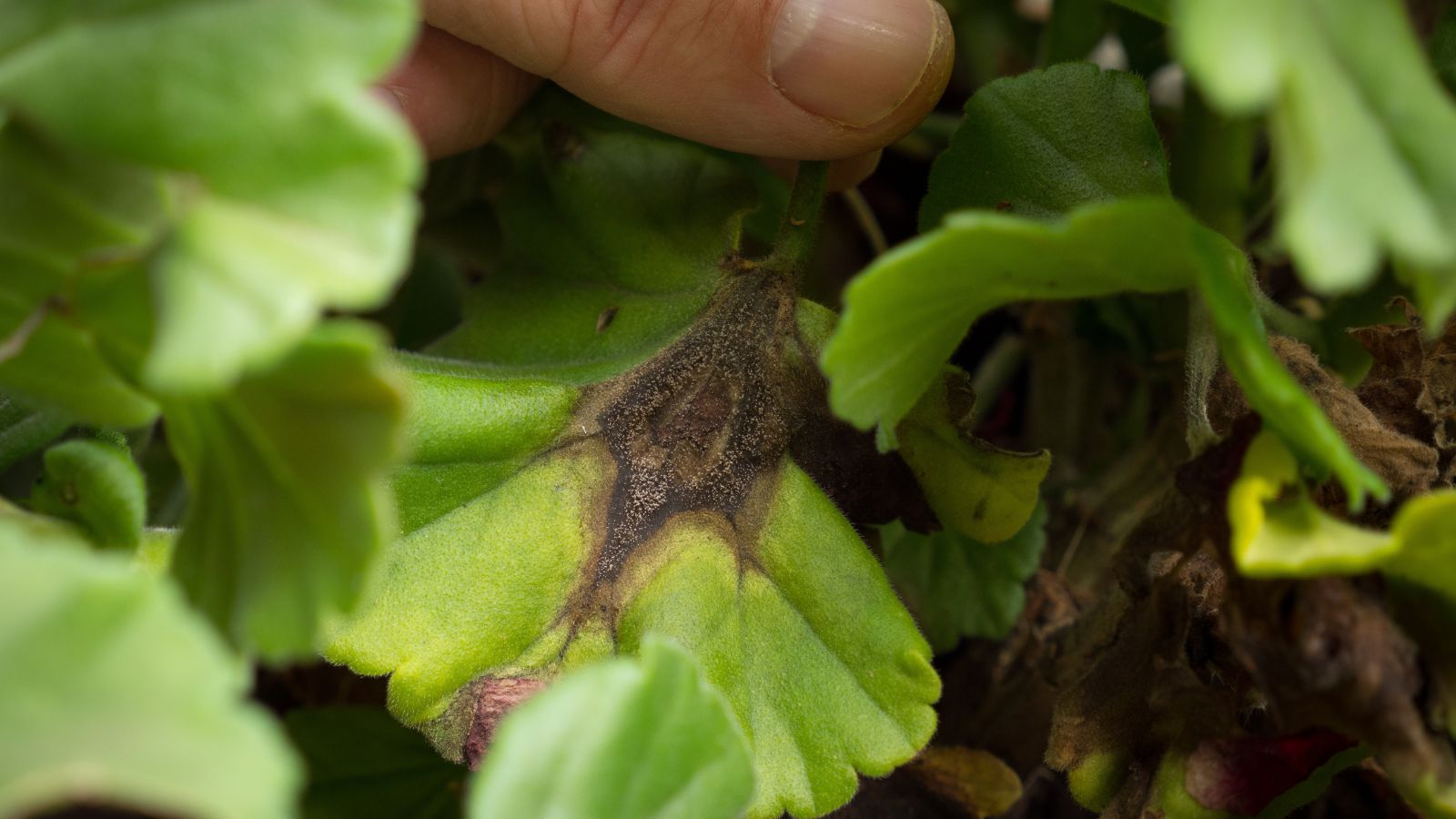
Botrytis blight or gray mold is a fungal disease that impacts a range of plants including ornamentals such as roses. This disease is caused by the fungus Botrytis cinerea, which thrives in cool, humid temperatures of spring and fall. B. cinerea produces grape-like clusters of fungal spores that spread by wind or water. Spores can enter hosts through wounds. This fungus can also overwinter on plant debris.
The symptoms of this disease appear on leaves, flowers, buds, and stems. Brown, water-soaked spots first appear at the onset of the disease. Over time, the brown spots will develop fuzzy mold and the petals may matte together. On stems, lesions may form and cause dieback and wilt.
The best control methodology for Botrytis blight is proper sanitation and watering. Remove infected plant debris and do not put them in the compost pile along with other materials. Trying to increase airflow around plants also helps to prevent blight.
Learn More: Botrytis cinerea
Leaf Blight of Grasses/Grains

Ascochyta leaf blight is caused by the fungal pathogen Ascochyta spp and affects Kentucky bluegrass, tall fescue, and perennial ryegrass in the summertime. Turf grasses typically can recover quickly after being infected by Ascochyta spp.
Little is known about the environmental factors of this pathogen although the disease is most prevalent during a hot, dry period followed by a cool and rainy period. The blades of the grasses will rapidly change to a straw color and form large, irregular patches very similar to drought. However, this disease progresses very quickly and healthy leaves can be found interspersed within the patches. Leaves also may show bleached tips and die back.
Leaf Blight of Wheat

Alternaria triticina is a fungus that causes leaf blight of wheat and other cereals. The fungus transmits through infected seeds, contaminated soil and plant residue, and splashbacks from rain. Plants become more susceptible with age and A.triticina does not impact seedlings less than four weeks old. Wet leaves in high-humidity environments are particularly at risk for this fungal disease.
Leaf blight on wheat starts as small lesions on lower leaves and can spread to upper leaves, sheaths, and seed heads. These lesions are caused by a plant toxin secreted by the fungus. Sporulation and secondary transmission by wind can also occur. Heavy infestations will lead a field of wheat to take on a bronze and burned appearance.
This pathogen can survive on plant residue for several months so it is recommended to remove any infected material. Pre-soaking seeds in hot water (52–54°C for 10 minutes) can help cut down the fungal presence while preserving seed viability.
Southern Corn Leaf Blight

Southern corn leaf blight is brought on by the fungus Cochliobolus heterostrophus. Some early blight symptoms include elongated lesions on lower leaves which will spread to upper leaves over time. This fungal disease proliferates during rainy weather and under frequent dewy conditions. It is more prevalent in corn planted in fields that previously had grown corn. Commercial growers can spray fungicides during flowering or early grain development periods.
Oomycete Disease
Oomycetes or “water molds” are some of the most devastating plant pathogens. Although Oomycetes have some similarities to fungi such as their filamentous growth habit and reproduction via spores, they are actually a distinct group of a few hundred organisms more closely related to algae.
Late Blight (Phytophthora infestans)

The infamous late blight is the cause of the Irish Potato Famine and the most notorious of all potato diseases. The study of late blight in the 1800s kick-started the field of plant pathology after the scientific community identified Phytophthora infestans as the cause of this plight, instead of the wrath of God.
Late blight on potato plants start as water-soaked or chlorotic spots on leaves that rapidly expand to black and brown lesions on infected leaves and stems. In humid conditions, P. infastans creates white spores that can be seen on leaves. An entire plant can die from late blight in a few days after the appearance of the first lesions. Potato tubers can also be infected and will rot due to secondary infections.
Tomatoes are also susceptible to late blight. Tomato leaves, stems, and fruits can all be infected. Like potatoes, tomato plants can also perish in a few days and farmers lose their entire tomato crop. There was an epidemic of late blight in tomatoes in 2009 in the United States from infected transplants.
No potato cultivar is completely resistant to this disease, but some are more resistant than others. The top predictor of the spread of late blight is the weather conditions. Humid environmental conditions with high condensation creates the optimal environment for this pathogen. Good draining, air circulation, and regular foliar sprays are some control methods. Tubers are another way of harboring dormant inoculants. Remove all potato tubers from the ground and destroy any volunteer plants in subsequent seasons.
Unknown Disease Classification
Citrus Blight

Citrus blight is a prevalent citrus disease that is found in many citrus-growing regions of the world including Florida and Brazil. It is not as common in citrus-growing regions with a generally arid climate and winter rainfall like California and the Mediterranean. Even though this disease has been observed for over 100 years, scientists today are still unable to pinpoint its cause.
This disease is considered a decline disease that impacts trees as young as four years of age. The plant pathogen causes blockage to the xylem and prevents the effective transportation of water and nutrients. During the onset of the disease, infected trees show some wilt and dropping of leaves and a gray cast to the canopy. As the disease progresses, the trees develop more permanent wilt, leaf drop, and dieback. These trees do not typically die, but will quickly become unproductive due to the loss of the canopy and nutritional deficiencies. The unknown characterization of the disease makes it difficult for researchers to recommend control methods.
Frequently Asked Questions
Can plants recover from blight?
Some diseased plants can recover, but this highly depends on the species of the pathogen and the host. For example, Japanese and Chinese chestnut trees can suffer damage from chestnut blight and recover after infected limbs have been removed. However, the same pathogen is fatal for American chestnut trees.
How does a plant get blight?
Plants can get blight when a blight pathogen enters healthy plant tissue. Infections can occur through naturally occurring openings in the plants like the stomata or through wounds.
When do you spray for blight?
Sprays are most effective for blight at the start of the disease seasons and may require multiple applications and removals of the infected plant material.
What can I plant after blight?
Different blights affect different species of plants. One recommended disease control methodology is to practice crop rotation with non-host varieties to cut down on residual pathogens in plant debris or soil.
Does blight stay in the soil?
Yes, some blights can persist in the soil for years after the initial host has died. Having weed hosts also helps to maintain the blight pathogen population so it is important to remove weeds and employ garden sanitation best practices.