5 Best Sweet Onions to Grow This Year
Sweet onions are milder and more versatile than their pungent storage counterparts, perfect for fresh eating and summer cooking. Gardening expert Madison Moulton shares five reliable sweet onion varieties that deliver exceptional flavor and performance in the garden.


Contents
The difference between biting into a sharp storage onion and a freshly harvested sweet onion is night and day. Sweet onions are mild enough to eat raw (albeit in modest amounts) without overpowering everything else on your plate. Plus, they caramelize beautifully when cooked.
The downside is that sweet onions don’t store as long as their stronger-flavored relatives. But if you’re willing to use them within a few weeks, the flavor is absolutely worth the trade-off. Some yellow onions also have the characteristics of a sweet onion with better storage capabilities, giving you the best of both worlds.
These five varieties are among the best sweet onions for home gardeners that actually deliver on flavor.


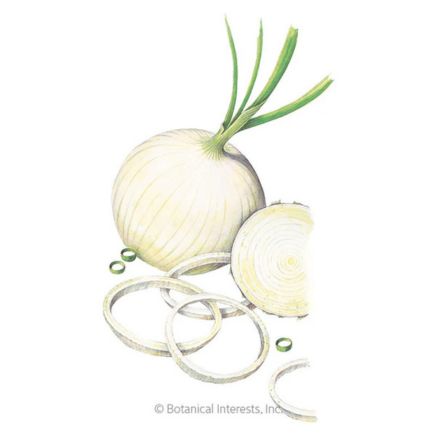
‘Yellow Sweet Spanish Utah’

This variety is a solid all-around performer that’s been popular with home gardeners for decades. The bulbs grow large, often reaching four inches or more in diameter. They have mild yellow flesh and a classic sweet onion flavor.
‘Yellow Sweet Spanish Utah’ is a long-day variety, so it needs 14 to 16 hours of daylight to form bulbs. If you’re in zones 3 through 6, this is a reliable choice that performs consistently year after year.
The onions mature in about 110 to 130 days from transplanting, putting harvest somewhere in mid to late summer, depending on when you started them. They’re versatile in the kitchen, working equally well raw in salads or cooked in dishes where you want that mild sweetness to come through without the sharp bite.
These are more pungent than true sweet onions, so use them sparingly. After curing, they will last a few weeks in storage, but it’s best to use them sooner rather than later.
‘Texas Early Grano’

If you’re in the South or another warm-climate region, ‘Texas Early Grano’ is one of the best sweet onion options available. This short-day variety needs only 10 to 12 hours of daylight to bulb, making it ideal for gardeners in zones 7 through 11 who can plant in fall for a spring harvest.
The onions are large and flat with pale yellow skin and exceptionally mild, sweet flesh. They’re ready to harvest earlier than most other varieties, maturing in around 100 to 110 days from transplanting.
‘Texas Early Grano’ has a reputation for being one of the sweetest varieties you can grow, genuinely mild enough to slice thick and eat raw on sandwiches or burgers. The texture is crisp and juicy. However, like all sweet onions, they have a limited storage life.
This variety thrives in warm weather and can handle heat better than many other sweet onions. If you’ve struggled with onions in hot climates before, this one is worth trying.
‘Walla Walla’

Named after the Washington region where it was developed, ‘Walla Walla’ is probably the most famous sweet onion variety in the country. It’s an heirloom that’s been grown since the early 1900s, prized for its large size and exceptional sweetness.
‘Walla Walla’ is a long-day variety requiring 14 to 16 hours of daylight to form bulbs, so it’s best suited to northern gardeners in zones 3 through 6. The bulbs can grow impressively large under good conditions, sometimes exceeding a pound each. They have golden-brown skin and white, mild flesh that’s sweet and juicy.
The flavor is outstanding when fresh, with that signature sweet onion mildness that makes it perfect for eating raw. These onions mature within 125 days from planting, depending on your climate and planting time.
Storage is where ‘Walla Walla’ falls short. Use them quickly after harvest, as they tend to soften and deteriorate faster than many other onion varieties.
‘Yellow Granex PRR’

‘Yellow Granex PRR’ is a short-day variety bred for disease resistance, making it an excellent choice for gardeners dealing with pink root in their soil. This fungal disease can devastate onion crops, but ‘Yellow Granex PRR’ has been selected for tolerance (indicated by the name), allowing it to produce well even when conditions aren’t perfect.
The onions are large with light yellow skin and sweet, mild white flesh. They’re similar in flavor to ‘Texas Early Grano’ but with the added benefit of that disease resistance. If you’ve had trouble with onions in the past due to soil-borne diseases, this variety is worth trying.
‘Yellow Granex PRR’ needs 10 to 12 hours of daylight to bulb properly, so it’s suited to southern gardeners in zones 7 through 10. The onions mature in about 100 to 160 days from transplanting, depending on growing conditions.
These onions are versatile in the kitchen with that characteristic sweet onion mildness, said to be the sweetest of the sweet onions. They work well both raw and cooked, though they truly shine when used fresh.
‘Gladstone’

‘Gladstone’ combines the best traits of sweet onions with improved uniformity and disease resistance. It’s an intermediate-day onion requiring 12 to 14 hours of daylight, growing best in the middle of the U.S. in latitudes 32 to 42.
The bulbs are round and uniform with golden-brown skin and exceptionally sweet white flesh. ‘Gladstone’ produces consistently even in less-than-ideal conditions, which makes it more forgiving for beginner gardeners who don’t have perfect soil or ideal growing weather.
The onions mature in about 110 days and reach a good size without requiring excessive fertilization or perfect growing conditions. The flavor is sweet but still punchy, working well in any application where you’d use a sweet onion.
If you’re looking for reliability and consistency in a sweet onion variety, particularly if you’re newer to growing onions, ‘Gladstone’ is a smart choice.