Bare Root Strawberries: How and When To Plant Them
Planting bare root strawberries is pretty straightforward, but there are some steps you'll want to make sure that you don't miss when you do. In this article, organic gardening expert Logan Hailey walks you through what bare root strawberries are, how to plant them, and what time of year is the best time to plant them.


Contents
There is nothing quite like the sweet juiciness of a fresh-picked strawberry on a warm summer’s day. Growing strawberries in your garden is an incredibly rewarding and surprisingly beginner-friendly process. You can grow strawberries in hanging baskets, patio containers, raised garden beds, or even as a trailing groundcover.
Once established, strawberry plants are easy to care for and eager to yield continuously throughout the season and many seasons to come. Plus, the high price tag and potential pesticide contamination of store-bought strawberries provide all the more reason to grow your own.
But if you’ve ever researched how to plant strawberries, you may find that they are different from other fruit and vegetable starts. The cheapest and most common way to propagate strawberries is from “bare root” crowns.
Bare root strawberries look like dead little alien roots, but they are a reliable planting material for starting the best strawberry patch you’ve ever grown. The only problem is, there is a lot of confusion around exactly how to plant and store bare root strawberries.
After growing strawberries from bare root crowns on more than ten different professional organic produce farms, I can assure you it’s not nearly as complicated as it may seem. Let’s dig into all the strawberry details!
What are Bare Root Strawberries?

Bare root strawberries are exactly what they sound like: strawberry crowns with naked roots. When they arrive in the mail or at your local nursery, they look like barren, spindly roots without any soil. I’ve often joked that the long stick-like appendages of a strawberry crown look like a hairdo gone wrong.
This propagation material is unnervingly different from the vegetable plugs or fruit containers we often see at garden stores.
Bare root strawberries are crowns that have been dug up from mother strawberry plants and then washed, refrigerated, and eased into dormancy for shipment all over the country. This dormant phase is what makes strawberries so much more amenable to shipping and storage than other types of plants.
They may arrive bundled together, with or without sprouts at the top of the crowns. The roots sometimes even look dead, but rest assured, strawberries are resilient and ready to grow even if there isn’t any green on them. As we’ll explore below, it’s quite easy to figure out whether or not your plants are rotten or damaged before planting them.
How Are Strawberries Propagated?

Unlike the majority of our garden crops, strawberries are propagated asexually, or vegetatively. This means that they are not usually grown from seeds (sexual reproduction), the way that kale, spinach, or carrots are.
Instead, strawberries are reproduced through a method of cloning that results in baby plants that are genetically identical to the mother plant. Once you establish strawberries in your garden, you will notice that the plants do this naturally through their continuous production of “runners” called stolons. At the end of these stolons are new baby plants that can root and grow in the soil, so that strawberry patches can spread in the wild.
For plant production, nurseries will dig up these strawberry plants in their dormant state, storing them in refrigerators until they are ready to ship in the spring. This is technically “vegetative” propagation material. There was no sexual pollination of flowers or seeds planted from the fruit. Garlic, potatoes, and sweet potatoes are also propagated by vegetative reproduction instead of true seeds.
Bare Root vs. Plugs

The key difference between bare root vs. plugs is the presence of soil. Bare root strawberries are just the strawberry crown, typically without any leaves or soil. Plugs include cell trays full of potting soil and living, growing roots.
The reason bare root strawberries are so popular is that their crowns are much easier to store and ship. After all, mailing soil could get pretty heavy and messy.
The other key difference is dormancy. Bare root strawberries arrive in dormancy or a state where they have just broken dormancy. On the other hand, strawberry plugs are already rooted and actively growing. They are typically purchased with full leaves and roots intact.
Both types of propagative material can be planted right away or stored until the weather is right. Storing plugs is pretty straightforward because you can keep them just like any other potted nursery plants. But storing bare root plants requires a little extra knowledge to ensure they don’t rot or break dormancy too soon before planting.
Anatomy of a Strawberry Crown

The hardest part about growing strawberries is planting them. But once you get the hang of it, it is super easy. After strawberries are in the ground, it’s just weeding, watering, and smooth sailing until they start flowering and fruiting. But first, you’ll need to understand a little bit of strawberry anatomy.
A bare root strawberry crown has three main sections:
Top/Leaves

This is the portion of the crown where leaves will eventually sprout. Bare root crowns may arrive with or without leaves. Sometimes they are brown and wilted, other times they are small and green. It just depends on the storage conditions, shipping, and dormancy temperature. Either way is fine as long as there is no mold present.
Crown

While the whole bare root strawberry is often called a “strawberry crown,” the crown is technically just the very middle of the plant. This woody central brown section is where the magic of strawberry growth all begins.
It is also the key location where your strawberry planting can get messed up if you bury the crown too deeply. If you plant it too shallowly, the crown will dry out, and the roots will get exposed. The soil level should perfectly cover the bottom third portion of the crown, so just the top growing points are above ground.
Roots

The roots of a strawberry are pretty straightforward. They typically arrive long, moist, and hair-like. They can be pruned before planting to prevent “J-root”, which is what happens when the roots are accidentally looped upward in a planting hole.
The location of the crown during planting is the most important part of the whole process. Be sure you’ve identified the different parts of your bare root strawberries before proceeding.
Types of Strawberries
A common misconception is that bare root strawberries are a specific cultivar or type of strawberry itself. They aren’t. They are simply the form a plant arrives in. Any strawberry variety can be delivered as a bare root or as a plug.
With this understanding, we can explore the different types of strawberries. You may have heard the confusing terms ever-bearing, June-bearing, and day-neutral strawberries. These categories of strawberries describe how quickly the plants will produce fruit after planting and the seasonality of when the fruit will be ready.
Ever-Bearing
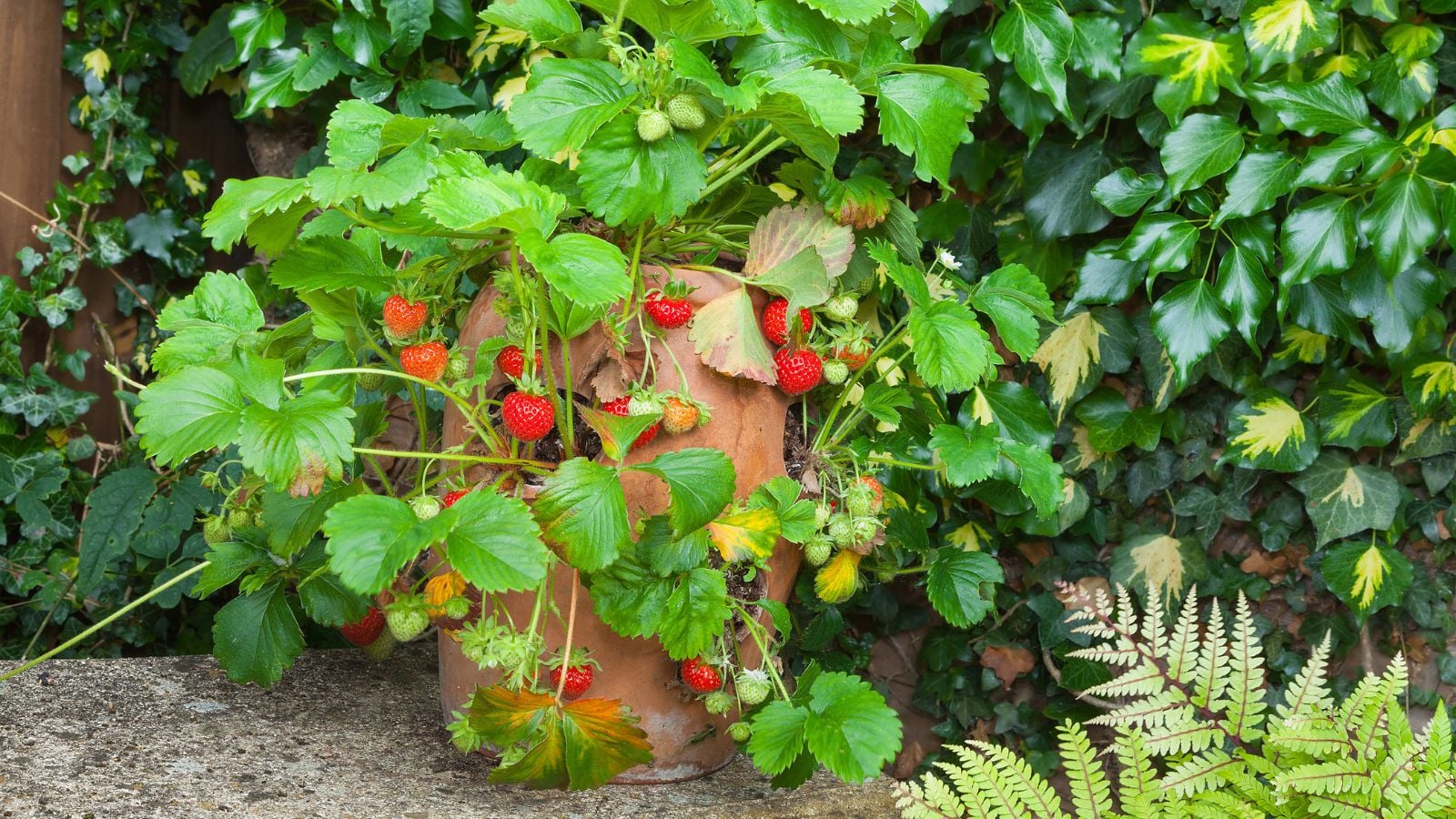
Ever-bearing strawberries are older types that have been largely replaced by day-neutrals. Basically, these varieties were bred to be planted in late spring or the fall and begin their major harvests the following year. The name “ever-bearing” is a bit of a pseudonym since they actually tend to produce two to three big flushes throughout the spring, summer, and fall.
Ever-bearing varieties remain popular because they don’t produce as many runners, which means less pruning and hopefully more fruit. If you plant bare root ever-bearers, the strawberries should yield in the first year. However, your second-year harvests will be larger once the plants are more established.
Best Ever-Bearing Varieties: ‘Ozark Beauty’, ‘Fort Laramie’, ‘Quinalt’
June-Bearing

June-bearing strawberries are the traditional types that have been grown for centuries. They are extremely popular for canning and preserving because they produce one big flush of giant, juicy berries during a few-week period of June or early July, depending on your region. June-bearing strawberries don’t give you a consistent snack from the garden all season long.
June-bearers will flower in the first year, but it is recommended to remove the flowers so they can put energy into the roots. The real magic begins in the second year after planting when June-bearers take off and yield in great abundance.
These types are most commonly planted in the spring in cold growing zones and in the fall in growing zones 7 and warmer. They don’t reach their peak production until the following year. In order to remain productive, June-bearers typically need a lot of pruning and refreshing each year to keep the big flushes coming.
Best June-Bearing Varieties: ‘Earligrow’, ‘Yambu’, ‘Galletta’, ‘Brunswick’, ‘Jewel’
Day-Neutral

Plant breeders took ever-bearing types and drastically improved them for continuous yields, better disease resistance, faster growth, and better flavor. They begin yielding fruit in the same year they’re planted. In other words, you can order bare root day-neutral strawberries, plant them right after the first frost, and eat strawberries from the garden beginning in midsummer.
These types are the most consistent producers for those of us who like to snack on garden-fresh strawberries all season long. Instead of producing in one or a few big flushes, day-neutrals have a continuous supply of flowers, green fruit, and ripe fruit that keep growing throughout the summer and fall.
Day-neutral strawberries are often grown as annuals because of their high production in the first year and cheaply available crowns. Pulling them out after each season actually helps improve yields and cuts down on the risk of strawberry plant diseases. That being said, you can keep day-neutrals as perennials in your garden. They just may not be productive after 2-3 years.
Best Day-Neutral Varieties: ‘Albion’, ‘Seascape’, ‘Portola’
Buying Bare Root Strawberries

Bare root crowns are sold by every major nursery and produce seed company. They are very widely available online thanks to their ease of shipping (compared to regular plug plant starts).
When you order crowns, the seed company will typically give you an estimated shipping date for your growing zone. It is important that you don’t receive the crowns too early before your last frost. Otherwise, they could rot in storage.
On the flip side, if you order crowns too late and plant them in later spring, you may not get a major harvest off of them in the first year. However, they will still have plenty of time to establish themselves for the following year.
Storage

When your crowns arrive in the mail, there are some super important steps you should take right away! Ideally, those plants should get in the ground as soon as possible on the day you receive them. But we all know that life doesn’t always work that way. Here’s how to store the crowns for maximum viability.
Remove Rubber Bands
First things first, get those rubber bands or ties off of the bundle of crowns so they can breathe. Gently cut or remove the bands and loosen the roots away from each other. Make sure there are no signs of any damage to them, where the rubber bands may have been constricting the plant.
Check for Signs of Mold
Inspect your crowns carefully to ensure no mold or mildew has formed during transport. If you find any moldy crowns, throw them away immediately so they don’t spread to the rest of your batch. Pathogens are the biggest threat to strawberries and can quickly take over your crop before you even get to harvest any berries.
Ensure a Moist Environment for Roots
Ideally, you should plant your bare roots right away, but if you need to wait a few days, it is an absolute must to get those roots moist. Dry roots mean dead strawberry plants. But rotten roots are also a no-go. The happy medium is a moderately moist environment.
You can do this by misting the roots and wrapping them in paper towels or by burying them in a clean peat moss/sawdust mixture with water added. Avoid misting the leaves or crown if possible, as these are the areas most susceptible to fungal growth. Separate the crowns for a bit of airflow between them.
Keep Them Dormant
Store strawberry crowns in a root cellar, unheated garage, or refrigerator. I usually keep them in the box they were shipped in or an airtight container. You want these crowns to stay dormant under cold conditions. If the strawberries break dormancy from warmth, they will die very quickly if they are exposed to a cold snap again. Ideal storage is between 28 and 32°F.
Delayed Planting

If it is an unusually cold spring or you haven’t prepared your garden beds yet, it’s best to just root your strawberry crowns indoors in pots to ensure they don’t rot in storage. Trust me, I’ve learned this the hard way.
Life happens, and your bare root strawberries will suffer if they have to wait more than one to two weeks to get planted. If you cannot get them in the ground for whatever reason, simply plant your strawberries in pots by the windowsill.
Keeping them in soil and allowing them to break dormancy in the safety of your home is a far safer bet than risking rotting or freezing. Then, you can always transplant them out like a normal garden crop once their roots and new leaves are established in the pot.
Planting
Planting bare root berries is surprisingly similar to planting regular old starts. The only difference is you don’t have a cell plug or soil-covered root ball to deal with.
When to Plant Strawberries

Strawberries are most commonly planted in the spring, just after the last frost date for your region. They can establish their roots and begin fruiting (if day-neutral) the same year. Young strawberries are not frost-tolerant, so it is important to protect them if you suspect a cold snap before they get established.
When fall comes, the well-rooted berries can be deeply mulched and go into dormancy through the heavy frosts of northern winters. They will grow back in the spring with extra vigor and higher yields.
Southern growers (zones 7 and warmer) may opt to plant strawberries in the fall to allow establishment over the mild winters. Sometimes mature plantings are actually lifted from the soil in the fall and relocated to other parts of the garden.
Many southern growers also opt to grow bare root day-neutral types as annuals to make weeding and management easier. In this case, you simply replant the strawberries every fall just like you would with broccoli or another annual vegetable.
Preparing Planting Beds or Pots

Strawberry beds should have a generous helping of compost or decomposed leaves added to the soil and raked clean. Strawberries prefer a rich, well-drained soil that is slightly acidic. Use a tape measure to mark off at least one square foot of space per plant. Some gardeners prefer 18 inches between plants for maximum airflow.
If you are growing in a container or pot, it needs to be at least six inches deep to give the strawberry plenty of space to root. Hanging baskets work great for a beautiful edible display of berries.
To Soak or Not to Soak?

Many gardeners and commercial farmers prefer to soak their plants before planting to “awaken” them from dormancy and hydrate the roots. Adding diluted kelp or fish emulsion gives them an extra boost as they go into the ground.
About one to 12 hours before planting, soak the crowns in water or a diluted kelp/fish solution. Only soak the roots and avoid submerging the entire plant because the crowns are susceptible to rot.
On the other hand, some say that soaking is just an added step. It is not completely necessary, and your strawberries should perform just fine without soaking as long as you thoroughly water them in after planting.
Not Too Shallow, Nor Too Deep

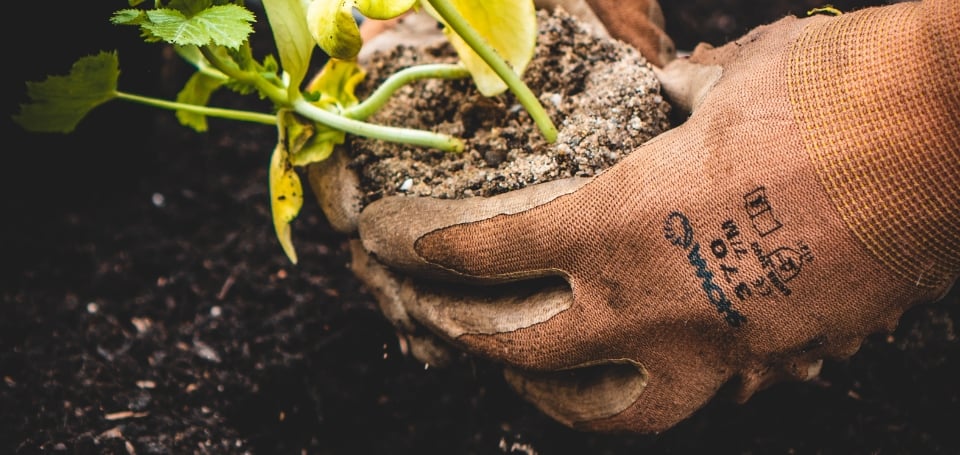
When you’re finally ready to get those crowns in the ground, use a hori hori knife or garden trowel to make a six-inch deep hole. Place the strawberry plant in the hole with the roots facing straight down into the soil.
This is the most difficult and important part of planting because most beginners accidentally “J-root” the plant’s root system, which can end up slowing the establishment. You should not allow the roots to loop upwards in a “J” shape. If your crowns have very long roots, don’t be afraid to give them a little haircut so you can more easily plant them straight down into the soil.
Once in the hole, use one hand to position the strawberry crown perfectly in line with the soil. The top of the crown and the leaves should be above ground, and the soil level should cover the bottom two-thirds of the crown, with roots fully submerged.
Backfill with soil, ensuring that the plant is not too shallow or too deep. You can lightly tamp the soil down to ensure that water won’t wash it away and expose the roots.
Don’t Make This Beginner Mistake

The biggest beginner mistake when planting bare root strawberries is burying the crown too deeply or planting too shallowly and exposing the roots. The former will result in a rotting crown or a buried growing tip that cannot sprout new leaves. The latter will lead to drying out and potential failure of rooting. Get it just right and you should have happy strawberry plants!
Be sure to thoroughly water-in the bare root plants. Young strawberries should never dry out during their initial establishment phase. This can lead to smaller strawberries or even plant death if not addressed early on. Ideally, use soaker hoses or drip irrigation to water from the base of the plant. A straw or leaf mulch will help maintain soil moisture.
Frequently Asked Questions
Do bare root strawberries produce fruit in the first year?
If you choose a day-neutral variety, bare root strawberries will yield in the first year. In fact, when planted in early spring, the first season of production is often the most abundant for day-neutral strawberries. Remove all blossoms during the first 4 weeks of root establishment and then begin harvesting berries in midsummer.
How long do bare root strawberries take to produce?
Bare root strawberries usually take about 3 months to produce berries from the time of planting. If you choose June-bearing or ever-bearing types, they may not yield in abundance until the second year of growth. Day-neutral strawberry varieties are the best for first-year growth.
Why are my bare root strawberries not growing?
If your strawberries aren’t growing after replanting, it could be a variety of different reasons. Make sure they are in an optimal growth area with regards to sunlight, and are in strawberry friendly soil. Make sure to check your watering schedule, and make sure there’s no root or plant disease.