How to Plant, Grow, and Care For Balloon Flowers
Are you looking to plant balloon flowers in your garden? These perennials feature stunning, large flowers atop short or tall stems that will captivate any garden guests. Take a look at this article for absolutely everything you need to know to successfully grow these plants in your own backyard.

Contents
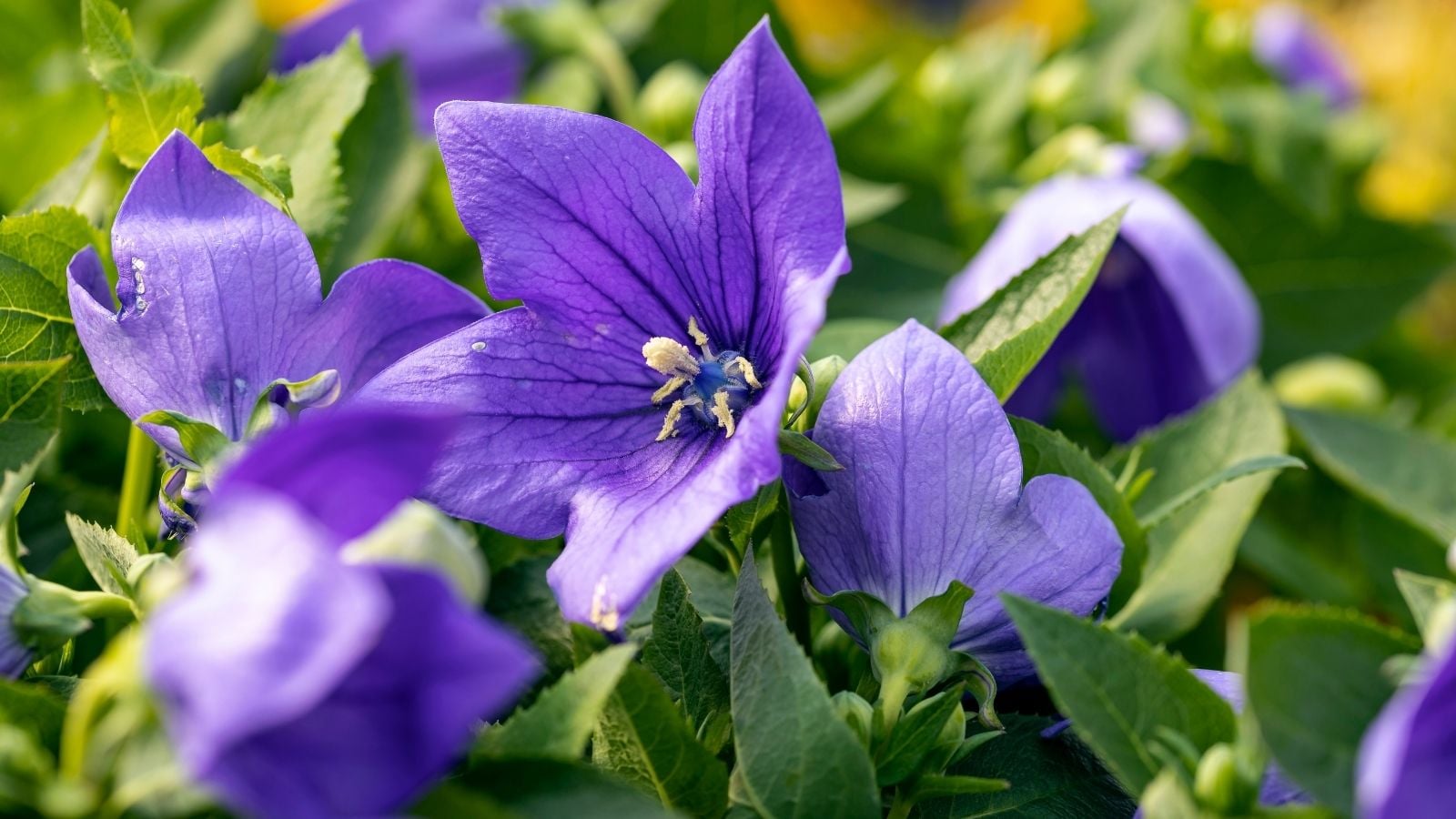
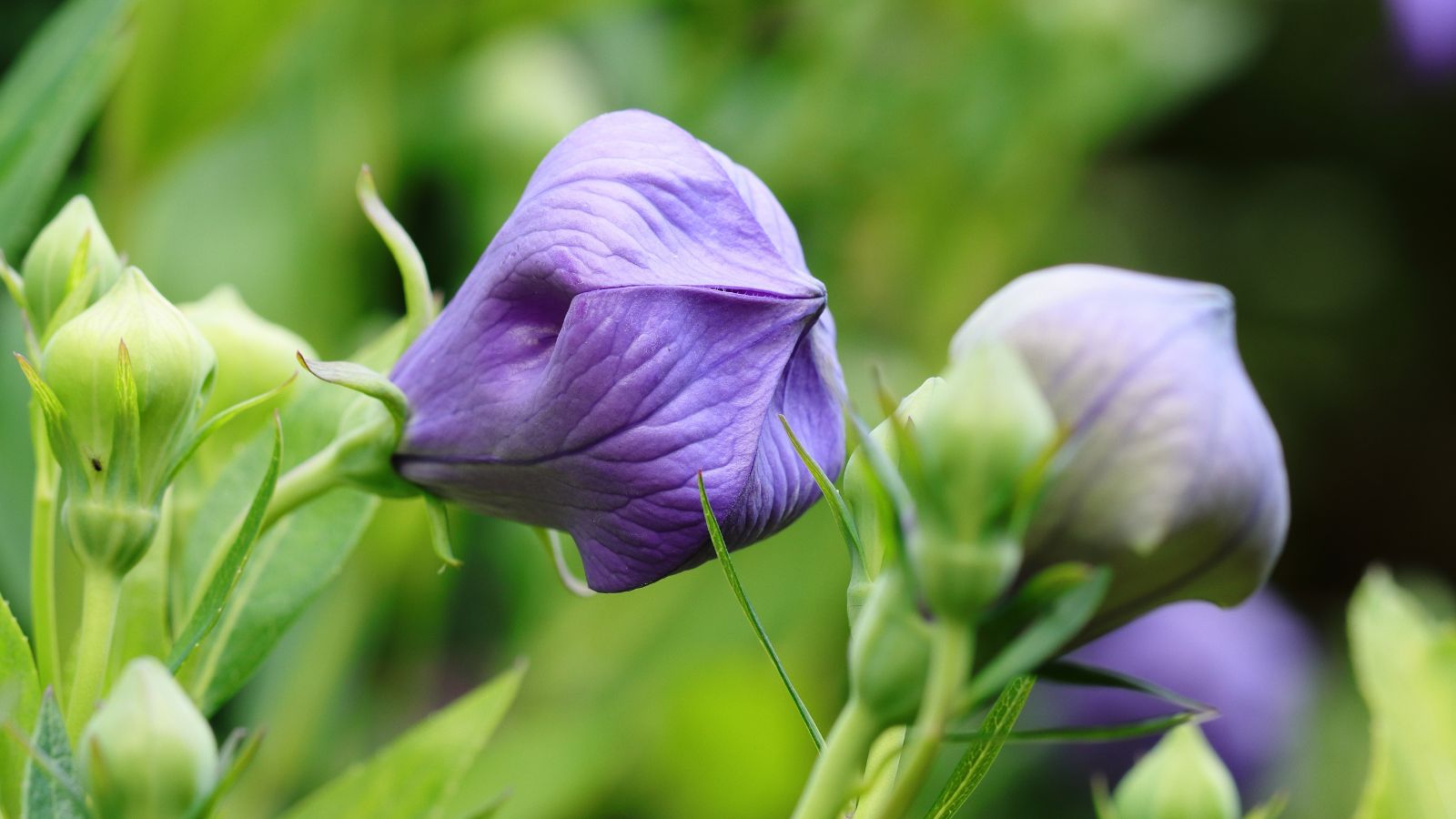
Balloon flowers, botanically known as Platycodon grandiflorus, are among the most distinctive flowering perennials. The plants earn their name from the unique buds, which swell into a balloon shape before opening into star-shaped blooms. Each petal features darker veining that adds extra depth and visual interest.
These perennials are very low-maintenance and need little attention once established. When planted en masse, they create flowing waves of color in containers or garden beds. They also work well in mixed perennial plantings, where they complement surrounding plants while still standing out.
With minimal care requirements and a wide range of cultivars available, balloon flowers are an easy addition to almost any garden and a strong candidate for planting this season.


Balloon Flower Plant Overview

|
Plant Type
Perennial
Family
Campanulaceae
Genus
Platycodon
Species
Platycodon grandiflorus
Native Area
Asia
Hardiness Zone
USDA 3-8
Season
Summer
|
Exposure
Full Sun to Partial Shade
Maturity Date
1 Year
Growth Rate
Fast
Plant Spacing
20 inches
Planting Depth
10 inches
Height
12-30 inches
Heat Tolerance
Moderate-High
|
Watering Requirements
Low
Pests
Snails, Slugs
Diseases
Crown rot, Root Rot, Pwdery Mildew
Maintenance
Low
Soil Type
Loamy, Well-draining
Plant With
Dahlias, Salvias, Bee Balm
Don’t Plant With
Water-dependent Plants
|
What are Balloon Flowers?

Balloon flowers belong to the Campanulaceae family and are botanically known as Platycodon grandiflorus. They are the only species in the Platycodon genus, which is where the common name comes from. These plants are also known as Chinese bellflowers, reflecting their region of origin.
Although native to Asia, balloon flowers are now popular garden plants worldwide and feature in many home landscapes. Their appeal lies in the unusual blooms, which slowly inflate like balloons before opening into star-shaped flowers with five distinct petals.
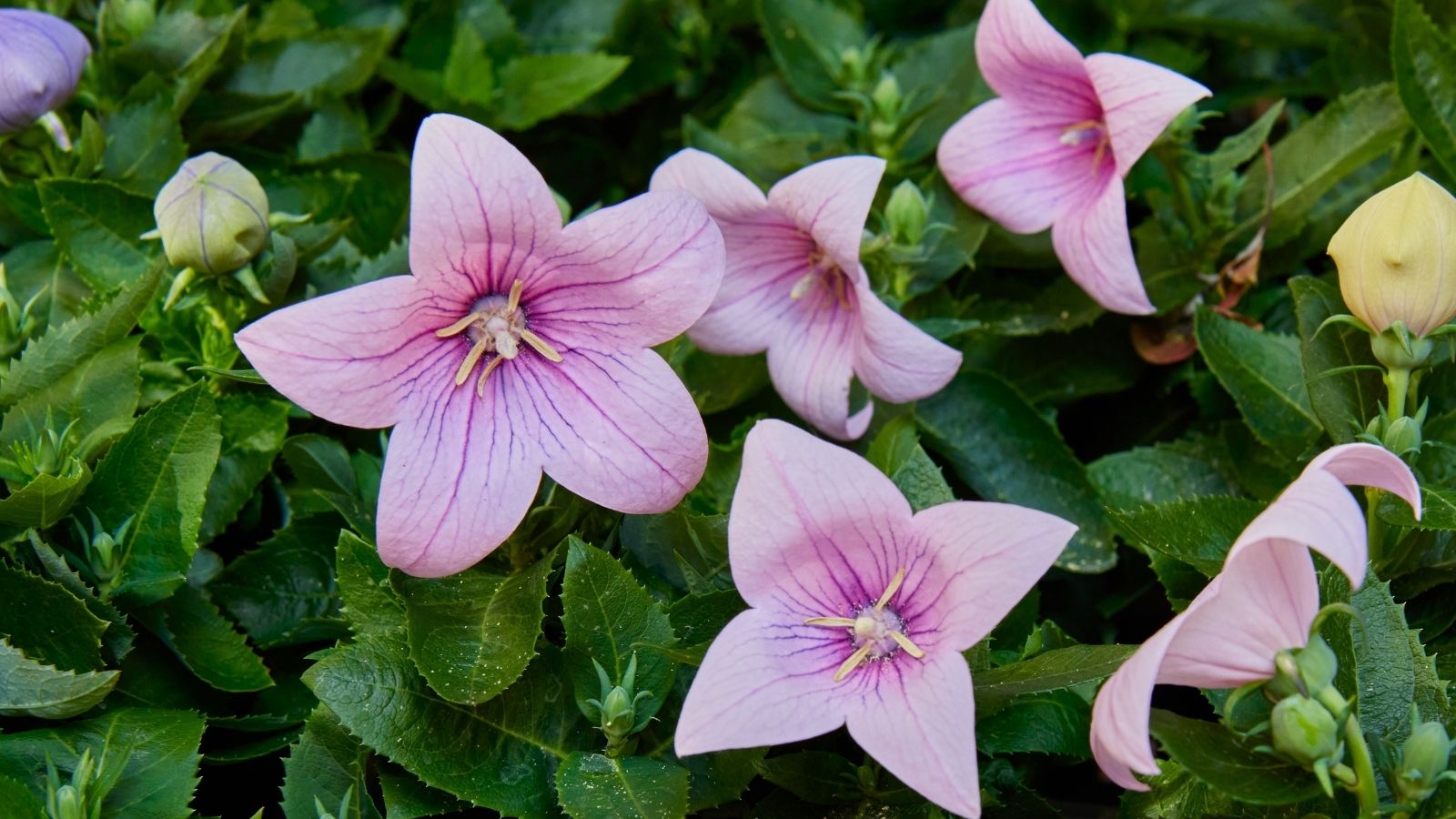
Because blue is relatively rare in flowering plants, blue Chinese bellflowers with purplish tones remain one of the most popular choices. These blooms also come in bright white and soft blush pink, making them easy to incorporate into a wide range of garden styles.
White Platycodon plants grow naturally across parts of Asia and are especially valued in Korea. The roots are harvested as a vegetable known as doraji, which can be eaten fresh or dried. Doraji also plays a role in traditional remedies, particularly for respiratory conditions such as asthma and bronchitis.
Planting
Plant seeds or seedlings in early spring once the ground has warmed. Enrich the soil with organic matter such as compost before planting to loosen the soil and improve nutrient availability. The deeper you loosen the soil, the easier it is for roots to grow downward and for plants to establish quickly.
Space plants about 20 inches apart. Smaller varieties tolerate closer spacing, while larger cultivars need more room to grow. Check the plant label for mature size and use that measurement as a spacing guide.
Loosen the soil beneath each planting hole, but set plants at the same depth as they grew in their original pot or tray to avoid burying the stems too deeply. Sow seeds on the soil surface in the same way you would when planting in trays.
Water thoroughly right after planting to support early growth. This step is especially important for seeds, as moisture triggers germination.
Thin seedlings once they begin sprouting to maintain adequate spacing. Proper thinning improves airflow and reduces competition as plants reach their mature size.
Planting in Pots
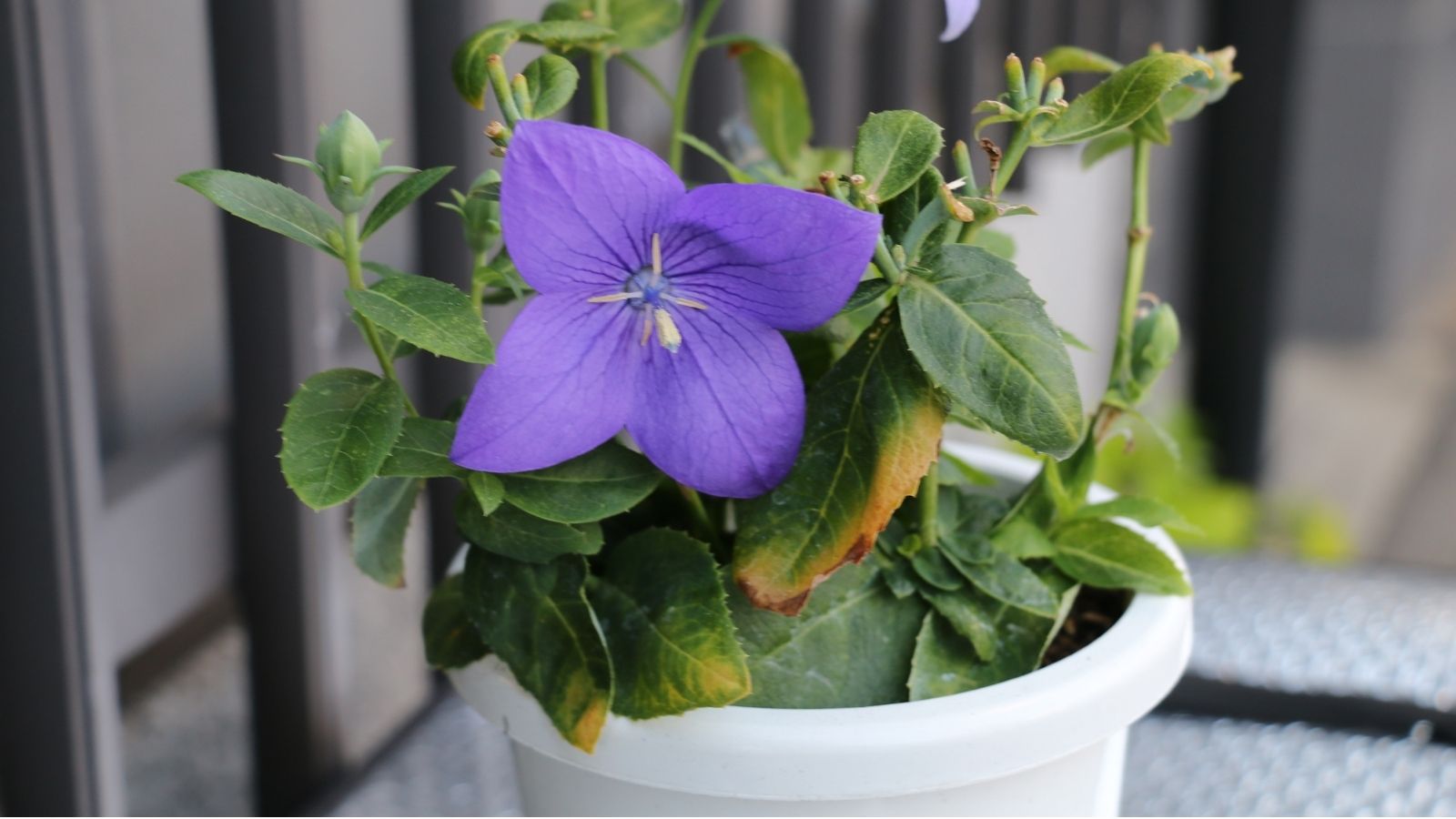
Balloon flowers are suitable for planting in containers and make excellent patio displays. Choose a dwarf variety that will not feel restricted by pot size. Shorter plants also look more balanced in containers, as tall stems from larger varieties can appear awkward in smaller pots.
Select a deep container with enough room to support root growth. A pot about 12 inches deep provides sufficient space for most dwarf cultivars. Make sure the container has adequate drainage holes to prevent roots from sitting in water.
If you are reusing a container or making your own pots, drill additional drainage holes in the base if needed. Space the holes evenly to prevent water pooling on one side, which can encourage bacterial or fungal problems.
Fill the pot with a well-draining potting mix. The mix should be light and airy to improve drainage and prevent the container from becoming overly heavy when watered. Avoid using garden soil, as it often drains poorly and may introduce pests or diseases. You can amend heavier mixes with coconut coir and perlite to improve drainage.
Sow seeds directly into the container to avoid disturbing the roots later, or start seeds in trays and transplant seedlings into their final pots once they are large enough to handle.
How to Grow
Growing Platycodon grandiflorus successfully requires the right balance of light, water, soil, climate, and fertilization. Understanding how each of these factors affects growth will help you produce healthy plants and abundant blooms in your garden.
Light
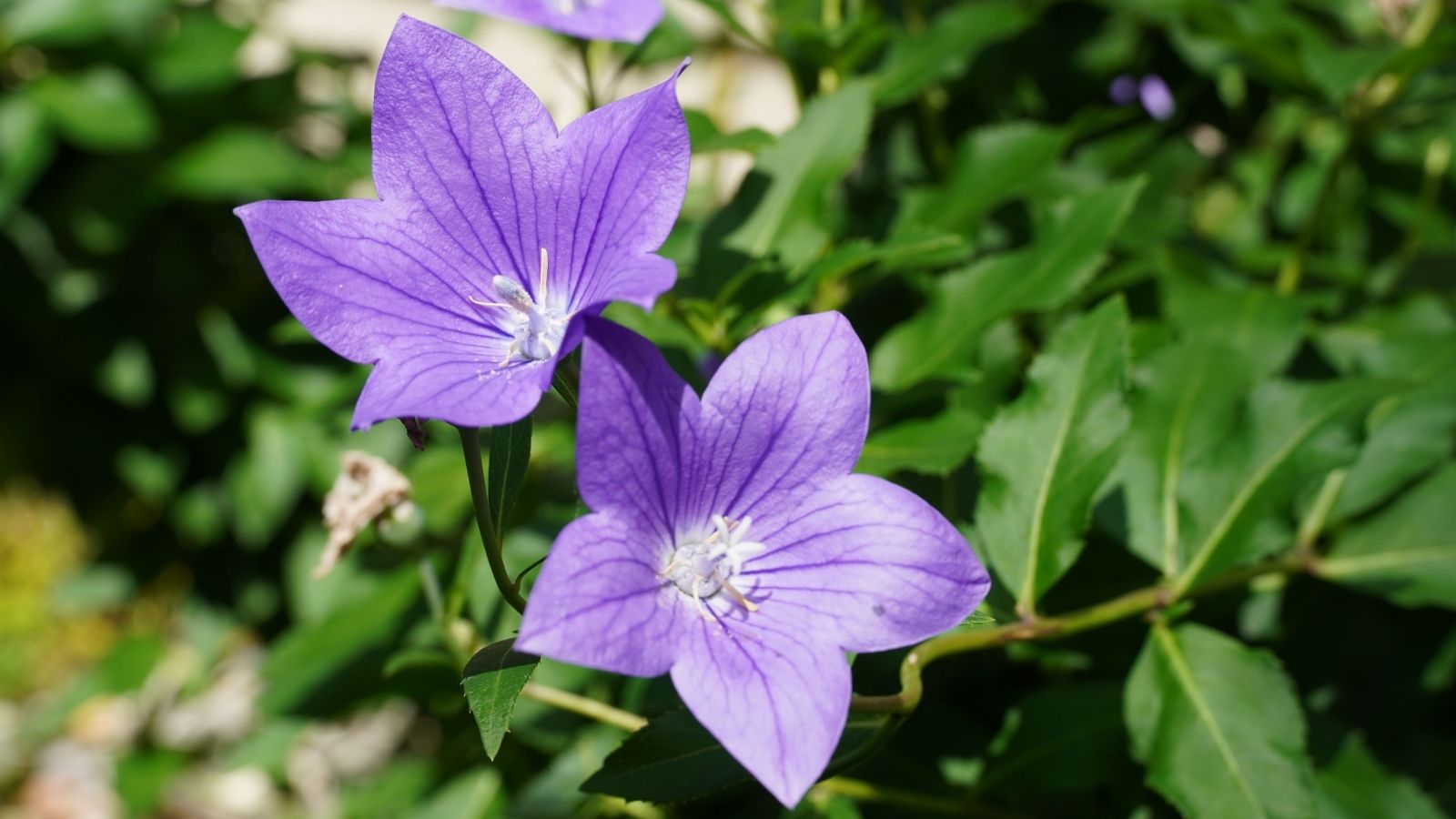
Chinese bellflowers perform best when planted in full sun. This improves overall growth and encourages the highest number of blooms.
At least six hours of sunlight is ideal, but this can be excessive in very hot climates. In areas with extreme heat, provide plenty of morning sun with partial shade in the afternoon to prevent stress and support healthy flowering.
Water

Newly planted Platycodon grandiflorus prefer consistently moist soil and need regular watering during the first few weeks after planting. Once the long taproots develop, you can reduce watering. These deep roots access moisture lower in the soil, where it does not evaporate as quickly, allowing the surface layer to dry out for several days without stressing the plant.
After plants are established, rainfall usually meets most watering needs in moderate to high rainfall regions. During dry spells or periods of hot weather, provide additional water to prevent stress. Even so, Chinese bellflowers are considered slightly drought-tolerant once mature.
Soil

Like most flowering perennials, Platycodon grandiflorus prefer loamy, well-draining soil. Because of their thick roots, clay soil is not recommended, as excess moisture retention and compaction can lead to root rot. Soil pH is not a major concern, but these plants perform best in slightly acidic soil rather than alkaline conditions.
Climate and Temperature
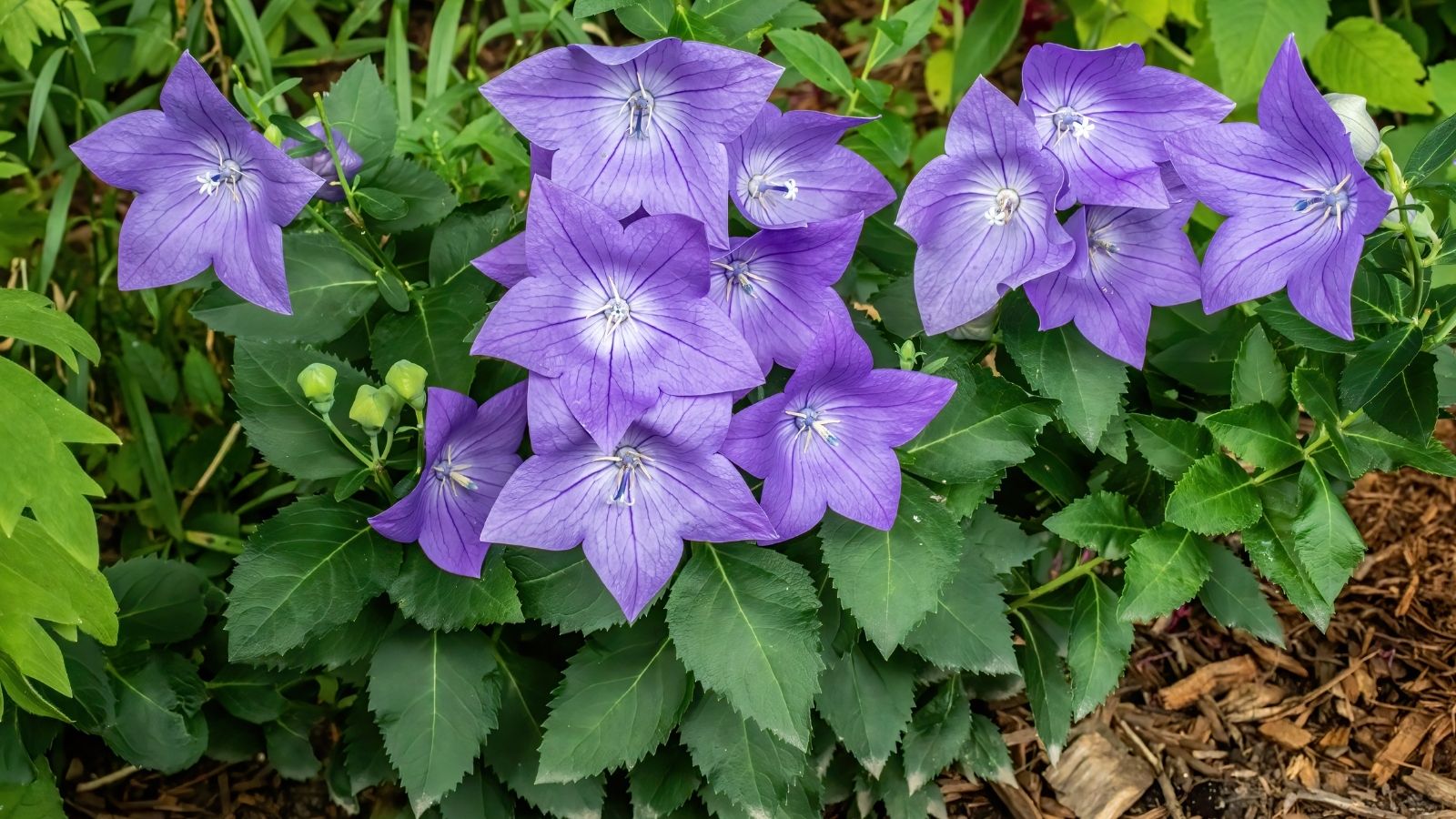
Balloon flowers grow best in mild climates across USDA Zones 3 to 8. Extended periods of high heat above 85°F (29°C) can cause heat stress and reduce flowering, while frost may damage tender new growth. Despite this, plants tolerate temperature fluctuations well and usually recover once conditions improve.
Humidity is not a major limiting factor, as Platycodon grandiflorus adapts to both humid and dry environments. However, high humidity can increase the risk of disease, so gardeners in these areas should monitor plants closely and maintain good airflow.

Fertilizing

If you plant balloon flowers in nutrient-rich soil, fertilizing is unnecessary. Adding fertilizer when conditions are already favorable can cause growth problems. Excess nitrogen encourages plants to spread outward rather than grow upright, which can interfere with neighboring plants in mixed beds.
If growth appears weak, enrich the soil by applying compost as a mulch around the plants or apply a slow-release fertilizer once in spring to improve overall growing conditions.
Maintenance
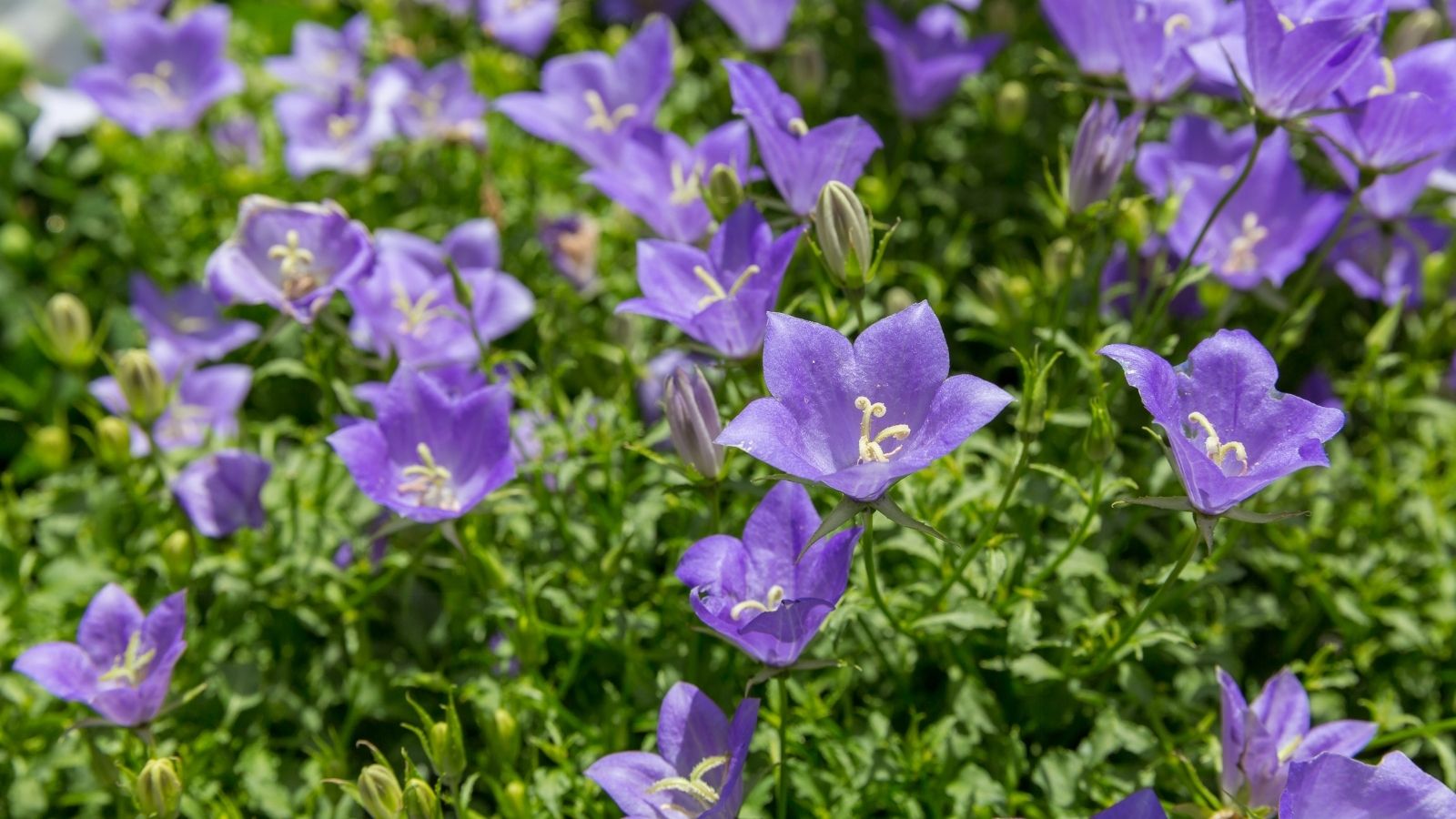
Balloon flower maintenance focuses mainly on keeping plants looking their best and is not always essential. You can prune stems back in the latter part of spring to encourage denser, more compact growth, but plants will grow well without pruning when conditions are right.
If stems stretch or appear leggy, pruning usually corrects the issue. In fall, cut back dying stems to ground level to prepare plants for healthy growth the following season.
You can also do lighter, more controlled trims in early or late spring, depending on how the plant performs. Take care with spring pruning, as damaging new growth can lead to problems later in the season.
If pruning does not improve growth habit, excess nitrogen in the soil may be the cause. A soil test can help identify nutrient imbalances so you can adjust conditions to support upright growth and flowering.
Deadhead spent flowers throughout the season to encourage continued blooming and maintain a tidy appearance. If you plan to sow seeds next season, leave flowers on the plant until seed pods dry and are ready for harvesting.
If seed collection is not your goal, remove flowers toward the end of the season. Seeds spread readily if left alone and may germinate in unexpected areas of the garden.
Apply organic mulch regularly to retain soil moisture without causing waterlogging. Compost works especially well, as it improves soil structure and nutrient availability as it breaks down. Other organic mulches, such as bark chips or straw, are also effective.
Mulching also suppresses weeds, reducing the need for frequent weeding. Keep mulch from piling up directly against stems to prevent rot.
Propagation
Balloon flowers are usually propagated from seed. You can also propagate them from cuttings, but they are not suitable for division because their long taproots are sensitive to damage.
Propagating From Seed

At the end of the flowering season, brown seed pods develop around the blooms. Once the pods have fully dried, remove them from the plant and bring them indoors to open. Each pod contains several tiny brown seeds shaped like grains of rice.
A single flower can produce well over 100 seeds. Unless you plan to plant that many, store the extras in a paper envelope in a cool, dry place for sowing next season.
Start seeds indoors in seedling trays over winter if you collected them the previous year, or sow them directly into the garden in early spring once all risk of frost has passed.
When starting seeds in trays, scatter them lightly over a seed starting mix. Press them gently into the surface to ensure good contact with the soil, but do not cover them completely, as light helps with germination. Small leaves should emerge in about two weeks.
Once seedlings develop a few true leaves, move them outdoors briefly each day to acclimatize to outdoor conditions. After a couple of days, transplant them into the garden. Handle seedlings carefully, as disturbing the roots can slow establishment.
Keep young plants well watered after planting. With good care, they can produce blooms within the same growing season.
Propagating From Cuttings
Although seed sowing is the most reliable propagation method, balloon flowers can also be propagated from cuttings. This approach suits impatient gardeners who do not want to wait for plants to produce seeds before multiplying them.
Using a clean pair of pruning shears, remove a cutting at least four inches long. Take cuttings from firmer growth near the base of the plant for the best chance of rooting.
Strip the leaves from the bottom half of the cutting and dip the cut end in rooting hormone powder. Rooting hormone encourages faster root development and improves success rates. It also supports stronger root systems, which is especially important for Platycodon grandiflorus due to its deep taproot.
Plant the cutting into a pot or tray filled with a lightly moistened mix of peat moss or coconut coir and perlite. This combination improves drainage, reduces the risk of rot, and creates the ideal structure for root formation.
Once new growth and leaves appear, transplant the cuttings into individual pots or directly into the garden. Take care not to damage the developing roots during transplanting, as root disturbance can slow establishment. Water thoroughly after planting to help the cutting settle in.
Varieties
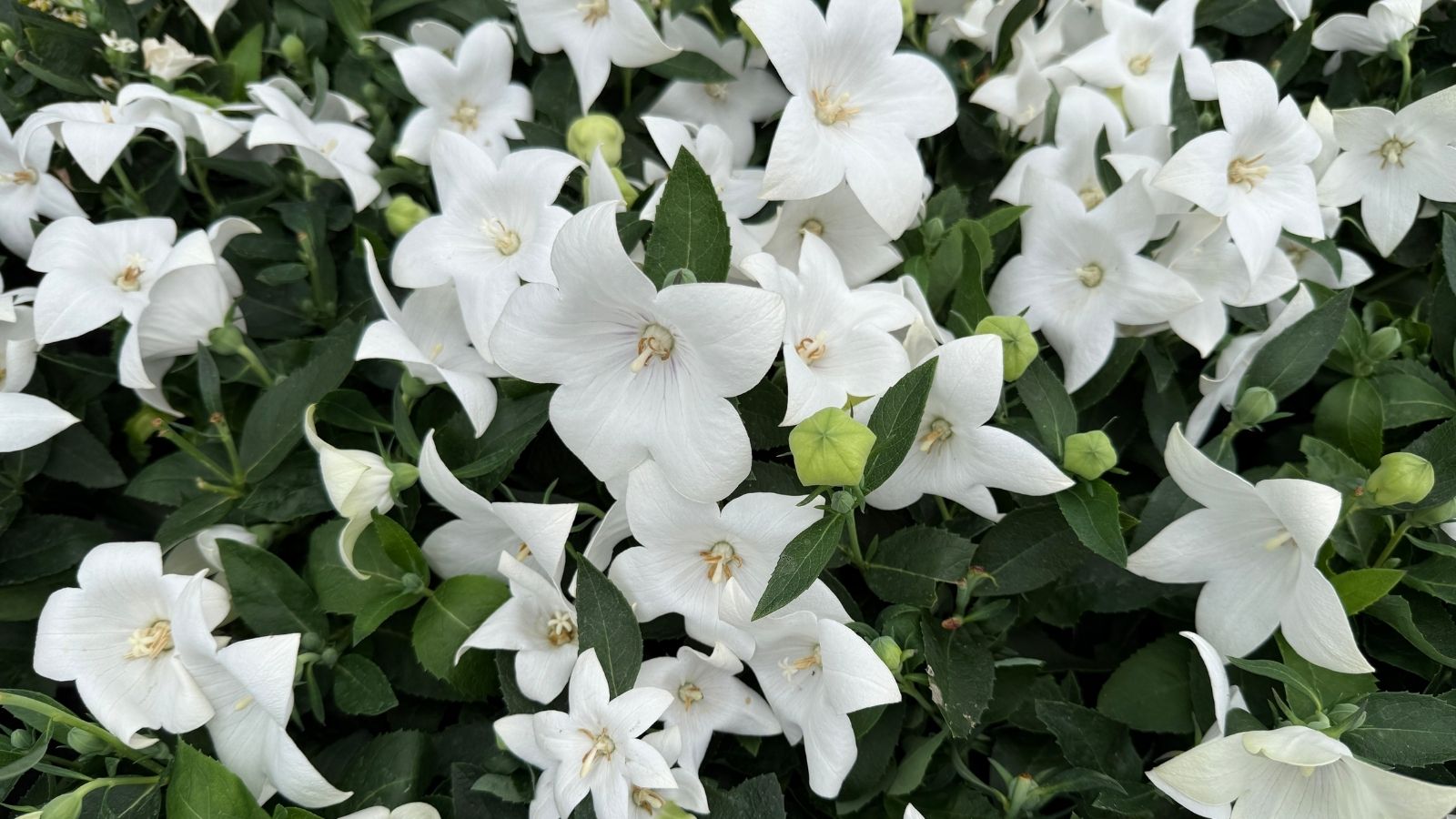
Most Platycodon grandiflorus cultivars look quite similar, with blue or purple star-shaped flowers emerging from inflated buds. However, plant breeders have developed several standout varieties, including bicolored blooms and double-flowered forms, giving gardeners far more choice than the classic look.
For a traditional balloon flower appearance, ‘Fuji Blue’ is a reliable favorite. The flowers show blue tones with a subtle purple cast that can shift depending on light levels. The petals are slightly translucent, creating an eye-catching effect in full sun. This cultivar grows on the taller side, reaching up to 24 inches in height.
‘Sentimental Blue’ offers a similar color palette but with a more compact growth habit. Plants typically reach a maximum height of 18 inches and often stay shorter, making this cultivar ideal for filling gaps in garden beds or edging borders.
Not all balloon flowers have the standard five petals. Some cultivars feature ten petals instead. These double-flowered types result from selective hybridization, with an extra layer of petals filling out the traditional star shape for a fuller summer display. ‘Astra Double’ is a dwarf option, while ‘Double Blue’ grows taller, reaching up to 30 inches.
Moving beyond blue flowers, several standout cultivars add variety. ‘Fairy Snow’ is a dwarf plant with crisp white blooms highlighted by bluish purple veins along the petals. ‘Astra Pink’ stays relatively compact and produces yellow balloon buds that open into soft pastel pink flowers.
A rare and striking option is ‘Mother of Pearl’. This cultivar features pale pink flowers accented by deep pink veins that fade toward the petal edges, making it a strong focal point in mixed perennial plantings.
Common Problems
Platycodon grandiflorus plants experience few disease issues when grown in the right conditions. Most popular cultivars also show strong disease resistance, which greatly reduces the likelihood of problems.
In wet or humid weather, or when plants experience stress, issues such as root rot, crown rot, or powdery mildew may appear. These problems remain uncommon in most regions and are usually linked to poor drainage or excess moisture.
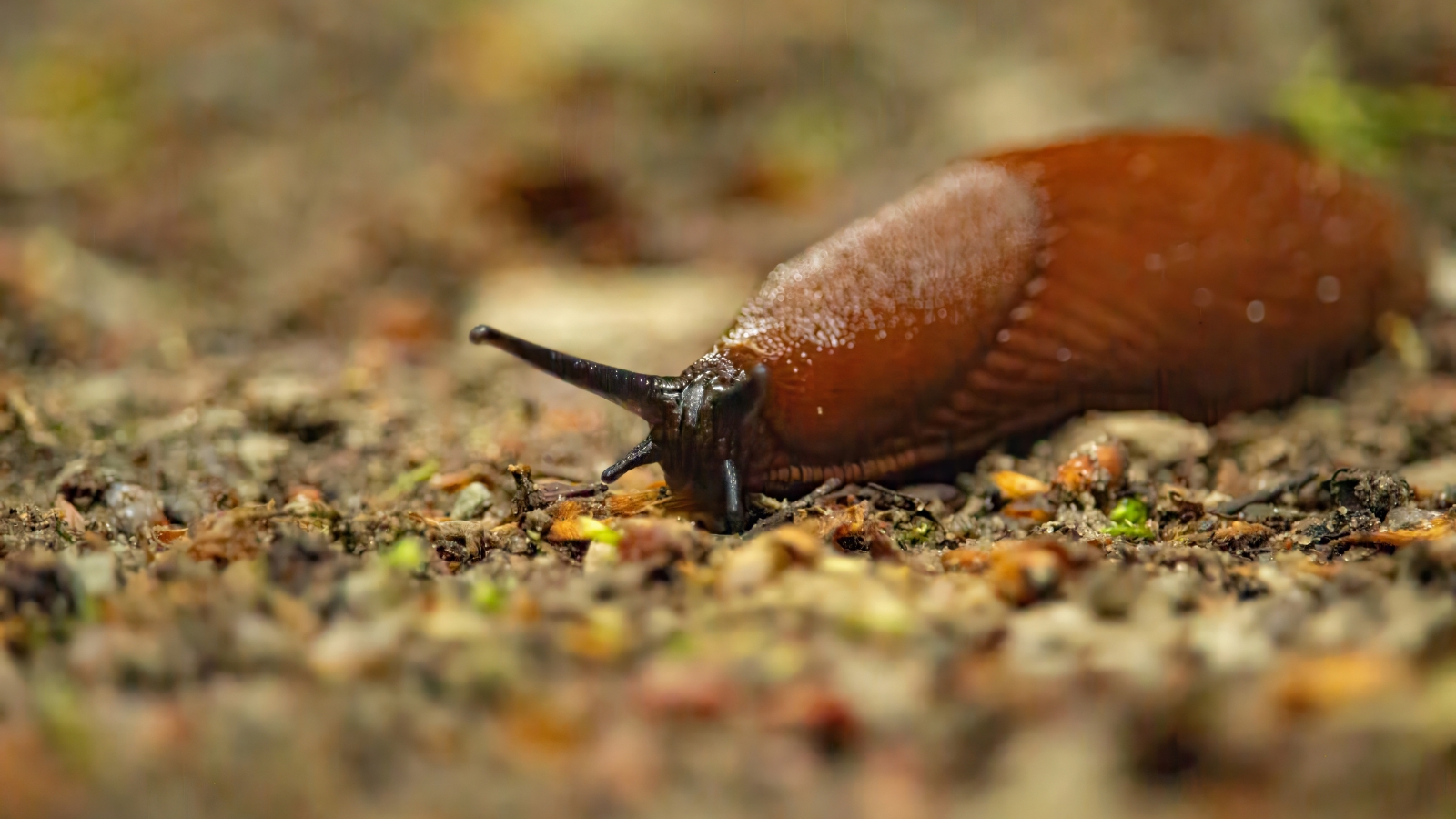
When it comes to pests, balloon flowers may attract slugs and snails during rainy periods. These pests feed on foliage but are easy to manage with simple control methods, such as beer traps.
To make a beer trap, place a deep tray or small bucket into the soil so the rim sits level with the ground. Fill it with beer and leave it overnight, when slugs and snails are most active. The scent draws them away from your plants and into the trap, where they drown. While not glamorous, this method is effective and keeps foliage damage to a minimum.
Frequently Asked Questions
Are balloon flowers hardy?
Platycondons are quite hardy and can withstand colder temperatures, growing in USDA Zones as low as 3. They do not do well in higher temperatures and handle cooler weather better.
What can I plant with balloon flowers?
Balloon flowers are great companions for most flowering perennials, as long as they do not require too much water. Bee balm, daylilies, and salvias are all great options. You can also plant multiple cultivars of different colors together for a uniform display with pops of color.
Will the flowers rebloom?
Chinese bellflowers are perennials and will continue to flower year after year. They may die back a little in the cold winter months but will grow and flower again the following spring.
Should I deadhead balloon flowers?
While it is not absolutely necessary, balloon flowers will perform best when deadheaded regularly. Some cultivars, particularly the double bloom types, respond well to deadheading. Remember to avoid this step if you are planning on harvesting seeds from your plant.





