How to Plant, Grow, and Care for ‘Ballerina Red’ Armeria
In dry, temperate areas, gardeners look for border plants that shine from spring through fall. 'Ballerina Red' Armeria is the perfect candidate! Follow along as experienced gardener and master naturalist Sarah Jay details how to grow this carefree plant.


Contents
Gardeners along coastlines and in rockier areas sometimes struggle to find perennials that can handle all the salt spray and low soil nutrients. Armeria pseudarmeria is one choice that won’t promote a struggle or regret. As a first-year flowering perennial, this species is a great choice.
With numerous cultivars available, it can be hard to choose. But the striking ‘Ballerina Red’ armeria is preferred in areas that need a little extra color, and punctuated blooms from spring through summer. Walkways, borders, and edges are perfect places for these crimson blooms.
Armeria – regardless of the species or variety – is typically a low-maintenance plant, even in extreme conditions. The only thing to avoid is high fertility. Otherwise, these plants practically take care of themselves.


‘Ballerina Red’ Armeria Overview

|
Plant Type
Herbaceous perennial
Family
Plumbaginaceae
Genus
Armeria
Species
pseudarmeria ‘Ballerina Red’
|
Native Area
Portugal
Exposure
Full sun to partial shade
Height
8-10”
Watering Requirements
Low
|
Pests & Diseases
None
Maintenance
Low
Soil Type
Chalk, clay, loam, sand
Hardiness Zone
6-7
|
What Is It?
The most common armeria cultivated in North America is Armeria maritima. This plant and all members of the Armeria genus are commonly known as thrifts or sea pinks, alluding to their ability to pop off in harsh conditions. They are also called lady’s pincushions due to their rounded structure.
Armerias thrive in rough, rocky areas in and around the Mediterranean. This natural range has led them to become a favored plant for waterwise gardening in coastal and generally rough regions. Armeria pseudarmeria is no exception.
Characteristics

Most members of the Armeria genus have a similar structure. They are small, clumping evergreen plants with lance-shaped leaves. They have compound, ball-shaped blooms in varying colors, ranging from white to pink, all the way to deep purple and red. These have a full flush of flowers in spring, and then bloom sporadically through summer and fall.
Ballerina red armeria has deep red blooms and a stature that reaches under one foot tall, making it great for planting anywhere lower-stature plants fit in. Unlike other species, this armeria blooms in the first year, rather than the second. The fronds and blooms are salt and sun-tolerant, providing color through the elements in coastal areas.
Native Area

Armeria pseudarmeria is native to Portugal, along its rocky coastline. Seaside cliffs, rocky slopes, and salt marshes are its home. Thriving in areas that could be either consistently moist or completely dry, this plant takes the extremities like a champ.
Along its native range, A. pseudarmeria thrives in highly sunny sites with poor fertility. The marshes and coastal places this plant is from lack trees, and are therefore susceptible to intense winds, and unhindered sunlight.
‘Ballerina Red’armeria is a cultivated plant developed alongside other cultivars in the ‘Ballerina’ series. These were selected from the wilds of Portugal and introduced into gardens as xeriscaping became a more popular mode of gardening. ‘Red’ was a Fleuroselect Gold Medal awardee in 2009.
Planting

As mentioned, ‘Ballerina’ Red Armeria is perfect for garden borders, particularly in water-wise and xeriscaped gardens. Coastal gardens benefit from the salt tolerance and short stature that enables them to withstand high winds. In-ground plantings should have rocky or sandy soils, whereas container plantings should have soil with excellent drainage.
Transplanting

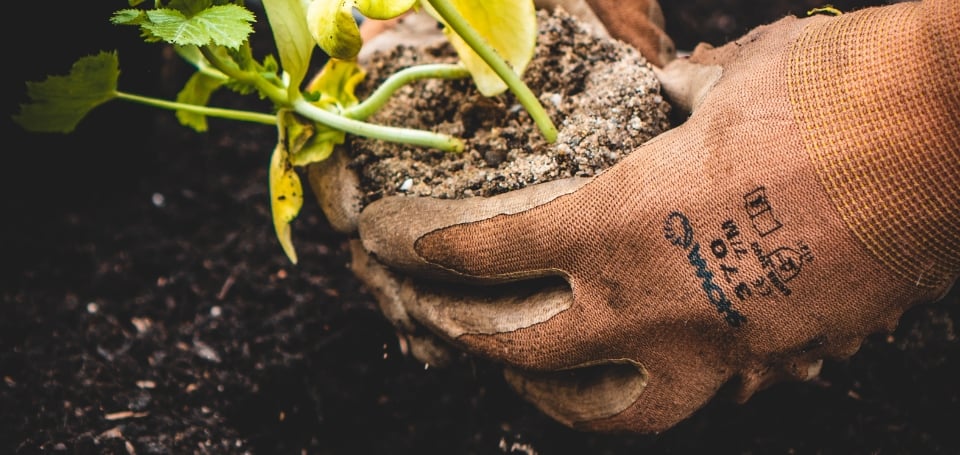
Dig a hole in your container or garden bed that is just as deep and twice as wide as your ‘Ballerina’ transplant. Remove it from its nursery pot, and gently loosen the roots.
Then place it in the hole and backfill, ensuring the soil is in line with the crown. In containers, provide a well-draining soil that is slightly sandy. In the ground, look for a sandy or rocky spot.
Because ‘Ballerina’ Red Armeria has a wild home in rugged regions, the roots are not very deep. That makes selecting a container more contingent upon how wide your plant is. Find one that’s a couple of inches wider than the clumps you’re planting.
Growing From Seed

‘Ballerina’ Red Armeria is easy to grow from seed. If you live in a warm climate, grow your seeds in spring or fall. In colder climates, sow in spring to avoid frosts. You can sow these directly in temperate areas, but in areas with more extreme temperatures, sow them indoors ahead of your last frost.
- Wait for 6-8 weeks before your last frost, and gather your seed starting supplies.
- Sow seeds in clusters in cells or in flats, pressing them into the soil surface.
- Keep the soil moist as the seeds germinate and keep them in an area that is at least 70°F (21°C).
- In about 3-4 weeks, your seeds will germinate. When all threat of frost has passed, and transplants are a few inches tall, with a few sets of true leaves, plant them out.
How to Grow
You don’t have to wait long for your ‘Ballerina’ Red Armeria to flower because it blooms in the first year. Keep the plants in the right conditions, and they will thrive.
Light

Full sunlight is what you need to cultivate these stunning round blooms. You can give them partial shade in areas with hot summers to keep them cool, but ensure they have access to at least morning sun. Harsh afternoon sun in hot areas may be too intense. Grow yours in a container if you want to experiment with the light conditions throughout its lifecycle.
Water

Young armerias and new transplants need a bit of water to settle in, but once established, you don’t need to water much. In their natural habitat, these plants get residual water from the nearby seaspray or from marshlands. However, they are used to long periods of dryness. Too much moisture will cause problems for them.
Soil

Chalky, sandy, or loamy soils are best for ‘Ballerina’ Red. In containers, amend potting soils with a hefty dose of sand, or use a succulent mix to keep yours happy. In the ground, avoid overly fertile or heavily clayey soils. These promote conditions that lead to rot.
Temperature and Humidity

Ideal temperatures for armerias are temperate, with nighttime temperatures hovering around 55°F (13°C) at night, and between 60 and 70°F (16-21°C) during the day. Though these are the optimal temperatures, heat tolerance is one of their best characteristics.
The hardiness of this cultivar is limited, with only zones 6 and 7 as its range. When possible, bring them indoors before temperatures are consistently below 40°F (4°C).
Fertilizing

Whatever you do, do not fertilize this plant! As it prefers to subsist in areas with basically no soil fertility, adding fertility could damage your plant. Along with consistent moisture, this is absolutely something to avoid. Fertile soils and added nutrients do not apply here.
Maintenance

‘Ballerina’ Red Armeria doesn’t self-seed vigorously, but it can spread out. Divide yours in spring to grow them in other areas of the garden. After the first frost, they’ll die back and can be cut to the ground, but this is only necessary if you want to keep the garden looking tidy.
Deadhead after they bloom in spring and summer. After they finish flowering in fall, you can collect seeds for growing next season. Wait until the flower heads have browned completely. Remove the flower heads and extract the seeds. Then plant them a couple of months ahead of your last frost in spring.
Propagation
The best way to propagate your ‘Ballerina‘ Reds is through division. Seed is a close second option. Both are very easy! Try them out and determine which is best for you. Propagation by cuttings is yet another way to cultivate more of these plants.
Cuttings

In summer, as your ‘Ballerina’ Red Armeria is actively growing, look for vigorous stems with no flowers that are about four to six inches long. Remove the lower leaves, and use sterilized pruners or snips to make a clean cut at the base of the stem.
Dip it in rooting hormone, and stick it in a pot with sandy soil or a succulent mix. Place the container in bright indirect sunlight, and keep the soil consistently moist. In a few weeks, tug the base of the stems gently. If you feel resistance, you have new ‘Ballerina’ Reds to plant out in fall or spring.
Division

Wait for the temperate weather of spring or fall, and locate clumps of armeria. Using a shovel, dig a few inches around the basal rosette of the plant and lift it from the garden. In containers, simply extract the entire plant. Then inspect the base and locate separate clumps.
Gently divide the clumps by hand and replant them. If you are dividing in fall and live in an area with cold winters, replant in containers and shelter them through the cold indoors. Then, plant or move your container outdoors in spring. If you’re dividing in spring, simply plant your divisions where you want to grow them for the season.
Common Problems
These plants are hardcore! They have virtually no pest or disease issues. The only thing to be aware of is the potential for rot in consistently moist or overly fertile conditions.
Root Rot

To avoid root rot, ensure you’re growing your ‘Ballerina’ Red Armeria in a sandy, loamy, or chalky soil. Good drainage is key. Do not fertilize the plant, and don’t plant in rich soils. If you do, you increase conditions where the fungi and water molds that cause rot thrive.
If you start to notice the base of the plant has browned and become mushy, and the leaves are soft and damp, rot may have taken hold. Remove the plant from its location, and take a look at the roots. If all are brown and rotten, the plant is done for.
Dispose of it in the trash, and do not compost. If there are some healthy, whitish colored roots, remove the rotten ones with sterile pruners. Then replant in a well-draining medium and do not water until the plant has rooted again.
Frequently Asked Questions
Is Ballerina Red Armeria a perennial?
Yes! Especially in its hardiness range of zones 6 and 7, the plant will return in spring. Outside this range, shelter yours through the cold.
Where is the best place to plant armeria?
Find a rocky, loamy, chalky, or sandy spot for planting. This could be in a container, or in the ground. Ensure the area isn’t getting consistent moisture, and doesn’t have high fertility. One of those hard-to-grow-in spots is perfect.
How big do ballerina armeria get?
The cultivars in the Ballerina series stay under one foot.
Should you deadhead Armeria?
You don’t have to, but you can deadhead as flowers fade in spring, summer, and fall.