Preparing Your Garden for Autumn: Essential September Tasks
Autumn is a special time for the garden. Leaves change colors, fruit ripens, and cool temperatures arrive. This transitional season is ideal for cleaning up the yard and getting it ready for what’s to come. Learn what to do this month alongside Pacific Northwest gardener Jerad Bryant.


Contents
September is my favorite month in the vegetable garden. It seems as if everything grows on its own. All I have to do is water the beds and ensure no pests are taking over my crops.
This is, of course, not true, although it seems like gardening is effortless in summer. Tomatoes, zucchini, and beans ripen overnight with little help from the gardener. Corn ears develop husks, and dahlias enjoy a special bloom period all to themselves.
As there is less cultivating to do in September, now is a good time to think of your autumn garden tasks. Autumn and winter are harsh periods for many perennials, and most summer crops die with the kiss of frost. Prepare your beds, set up some compost, and get ready to set your garden up for success with these autumn garden tasks!


Harvest Summer Crops

It’s time to pick fruits and vegetables in September! Don’t let them sit on the vine, as it’s crucial to complete this autumn garden task when they’re ready. They’ll last longer in storage if you get them on time from the garden.
Think of squash, for example. Let them ripen on the vine too long, and they’ll swell and develop hard seeds inside. Pick them when they’re young for the best flavor and most tender texture.
Some crops may rot if they sit in the garden too long. Don’t let corn, beans, and potatoes get too wet in the fall. Pick them when they’re ready to eat, before intense rainfall returns during autumn.
Ripen Produce Indoors

In gardens with cold winters, pick leftover tomatoes and peppers to ripen indoors. Do this autumn garden task before the first frost arrives. Frosty weather can turn green tomatoes mushy and brown.
Partially ripened tomatoes will mature on the countertop, so long as they’re in the breaker stage. This stage occurs when the tomatoes “break” their green color and shift to red, yellow, or variegated hues. The breaker stage happens when 40-60% of their skin changes color.
Peppers are a bit different. They may turn from green to their ripe color indoors on a sunny windowsill. Leave them long enough and they’ll shrivel and dry into dried peppers.
Sow Seeds

Other crops love the chilly weather that’s about to come in September. Root vegetables, like beets and carrots, grow best when the weather is cooling. Their roots will have more flavor than similar crops grown in the summer garden.
Some crops will overwinter in regions with mild frosts. You may leave carrots, beets, and parsnips until you’re ready to pick them. Mulch them with compost, then excavate them when you’re ready to harvest.
You may sow quick growers now for rapid harvesting in September. Sow radishes, arugula, lettuce, and onion sets in your garden beds.
Others, like fava beans, work well as cover crops from autumn through spring. Mulch the soil where you plant seeds to give them extra cold protection for the winter. If you don’t have compost, try using leaf mold, fallen leaves, or straw.
Clean Debris

Cleaning the yard as part of your autumn garden tasks prevents diseases and pests during the next season. Debris, like dead leaves and leftover produce, creates ideal overwintering conditions for pests.
You don’t have to throw dead plants away! Simply compost them or bury them deep underground. Use hot compost to ensure the pests die, as cold composts may allow them to overwinter.
Yard waste piles up quickly. To transport the debris, you’ll need a wheelbarrow or similar cart. Gorilla Carts® offer superior transporting to wheelbarrows, and they’re easy to pull on uneven surfaces. Try a lightweight poly cart, or go for the heavy-duty steel option.
You’ll need to bury the debris a foot or deeper underground if you’re using the burial method. Dig a trench, or make holes sporadically throughout the garden. Recycling the waste now will allow for the nutrients to leach into the soil for next year’s crops.
Make Compost

What is compost, exactly? Many gardeners confuse stinky, messy piles with hot compost. Hot compost is well-balanced, quick-working, and easy to maintain. It requires daily care; take ten minutes a day and you’ll have ready compost in three weeks!
Cold composting may be preferable if September is especially chilly in your region. Compost works slowly when the temperatures cool, and it’ll stop altogether with ice or snow. Make a pile of winter compost, then practice hot composting in spring to further recycle the debris.
For some gardeners, bins or tumblers work better than simple piles. These machines cost some money, but they’re easy to set up and use. Keep all composts moist, at about 50% moisture, and turn them daily to aerate their centers.
Divide Perennials

Fall is a great time to consider propagating your favorite wildflowers and perennial herbs. Plants with multiple stems, like peonies and irises, are perfect for dividing in autumn. Dig them up, slice them into parts, then plant the parts throughout the yard.
Consider dividing these perennial flowers in September for a bountiful garden next year:
- Peonies
- Phlox
- Astilbe
- Lily of the Valley
- Irises
- Daylilies
- Hostas
- Oriental Poppy
- Lilies
- Salvia
- Black-eyed Susan
- Bleeding Heart
- Columbine
- Geranium
- Coneflower
- Coral Bells
- Lady’s Mantle
- Shasta Daisy
- Veronica
- Gaillardia
- Painted Daisy
- Coreopsis
- Goldenrod
- Ligularia
- Yarrow
- Ferns
- Sweet William
- Lobelia
- Bugleweed
Some herbs overwinter in warm regions. Divide your bee balms, winter savory, and oregano to propagate them further. If your autumn is chilly with frequent harsh frosts, mulch these perennial herbs and divide them in spring instead.
Plant Saplings
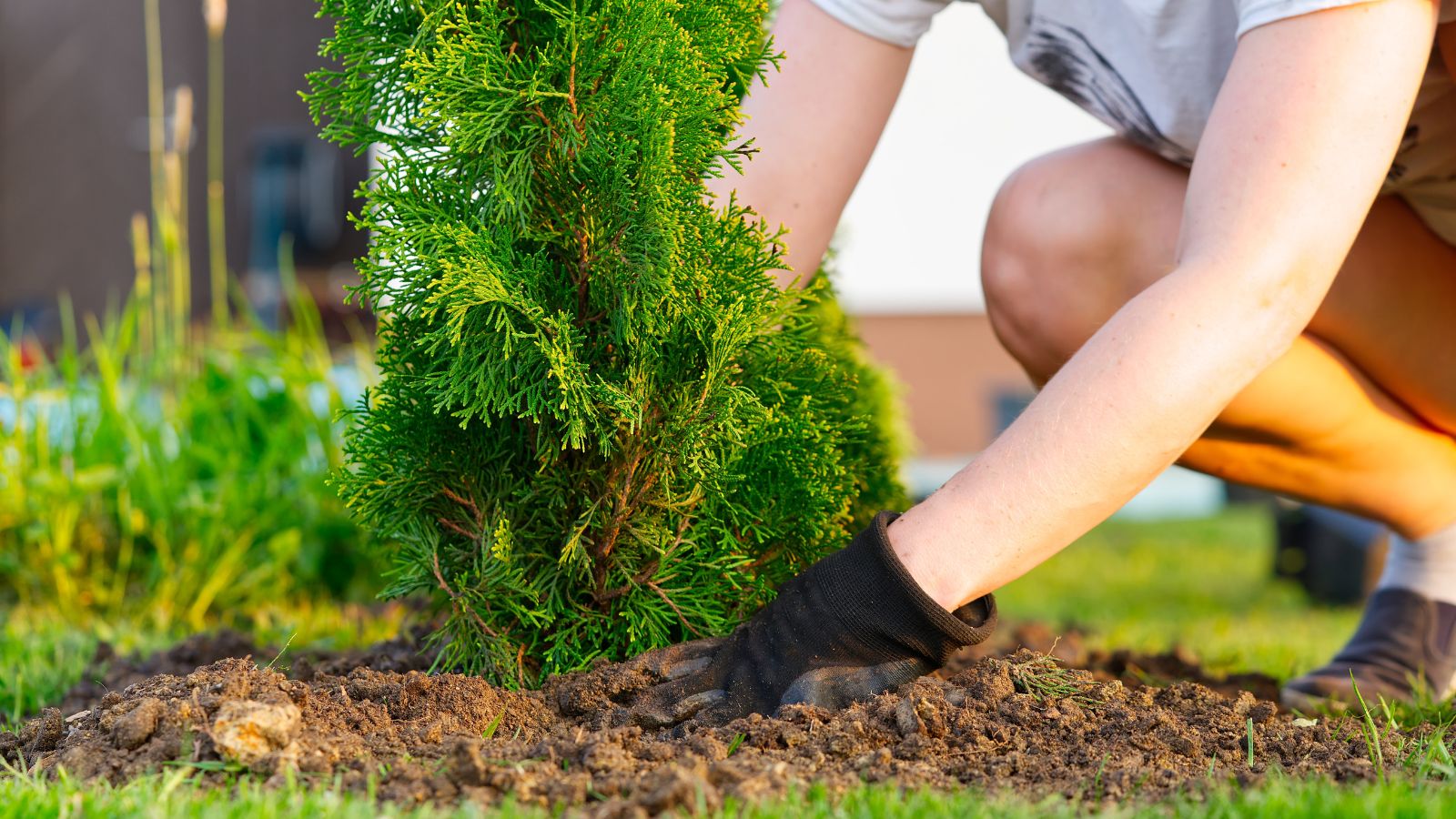
Autumn isn’t just for dividing—it’s a great season to plant trees! Get your fruit, shade, and flowering trees in the ground now so their roots have the cool seasons to establish themselves. Then, in spring, they’ll have bountiful flowers and fruits for you to harvest and enjoy.
Though it may seem harsh putting trees in the soil now and not letting them bask in the summer sunshine, they’ll appreciate the treatment. Autumn and late winter provide the perfect conditions for tree roots to grow. With ample roots, they’ll be able to support more shoots during the growing season.
For this autumn garden task, start by digging a hole as deep and twice as wide as the roots. Support bare-root trees while you plant them, and add stakes now if your sapling needs them. Place the tree in the hole, then add the soil you dug out back into the hole until it covers the roots. Water the tree well, and add mulch like compost on top of the dirt.
Plant Bulbs

As September rolls around, you’ll notice spring-blooming bulbs are available at nurseries and garden centers. You may even receive a catalog in your mailbox! This is because September is perfect for planting cold-loving bulbs in regions with cold winters.
Plant snowdrops, crocuses, daffodils, tulips, and aconite. They’ll use the autumn months to sprout ample roots in the ground. Then, the next spring, you’ll have colorful blooms throughout your garden.
Establish a Lawn

Use the sunshine while you’ve got it to complete your autumn garden tasks! Many grasses sprout best in September during the last remnants of summer. The seeds appreciate the waning temperatures and occasional rains that occur in the season.
Sow plenty of seeds, or use sod for an instant lawn. Water both well and keep them moist while they establish. It’s essential to maintain consistent moisture on the lawn for healthy growth next spring.
Let the grasses grow, then mow them once before the first frost. Let seeds grow for two months, and sod for two to three weeks before mowing.
Reseed Bare Lawns

Not only is September great for establishing lawns, it’s also perfect for reseeding bare patches. Sow seed thickly, placing much more than recommended on the seed bag. Cover the seeds with a fine layer of soil, then water them well.
As mentioned above, you’ll want to wait two months before mowing the new seedlings. Let them flourish, then chop them to two inches or taller.
Choose the right seed for the site. Opt for shade-loving species in shady gardens, and sun-loving ones in exposed areas.
Watch for Slugs and Snails
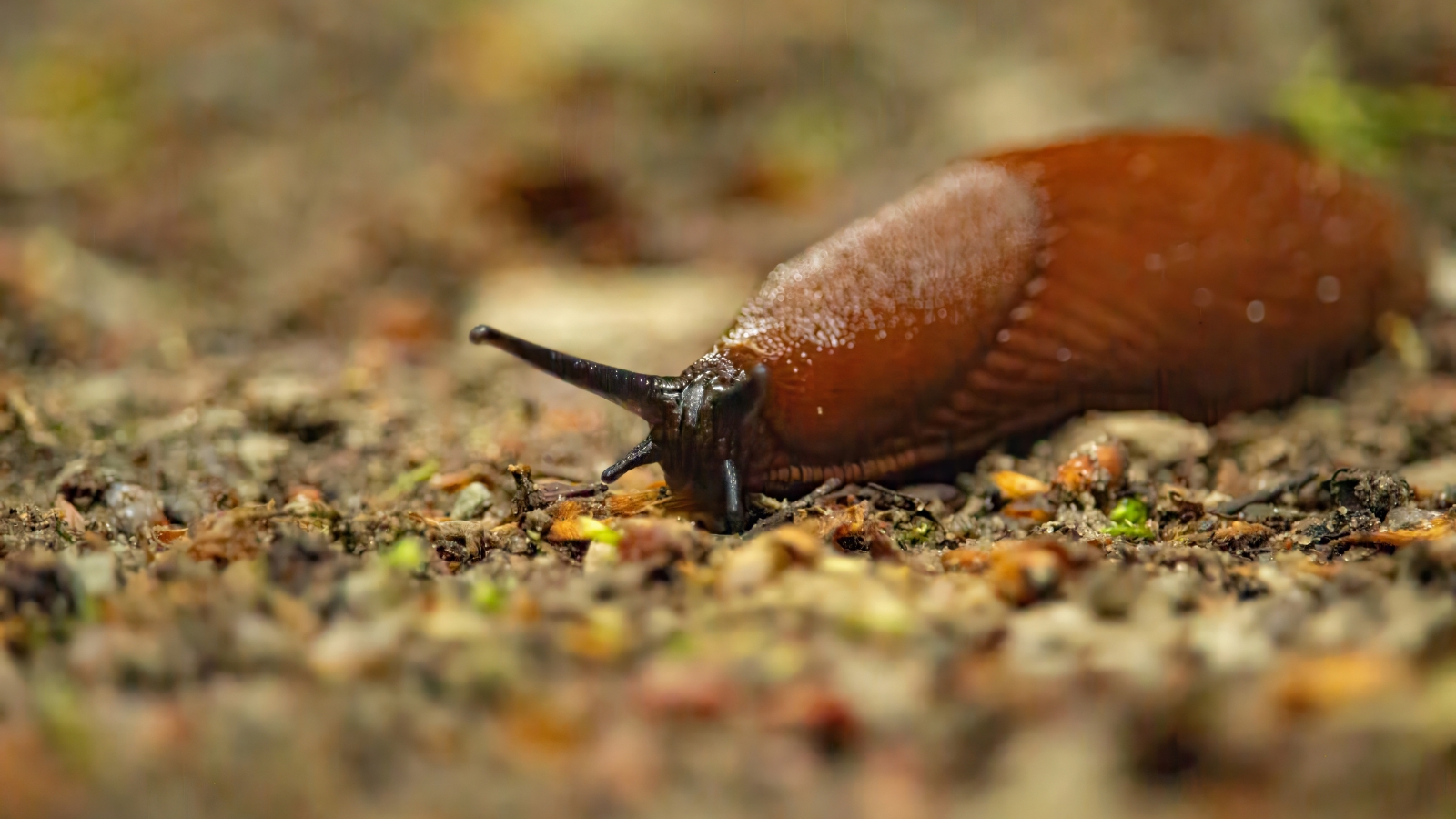
As rainfall returns, so too do the slugs and snails! They love moist, cool weather that’s common in autumn and spring. They’ll creep into the site and munch on your tender seedlings before they can mature.
Don’t let the slugs wreak havoc in your garden. Trap them with beer or dough traps, then empty them in the morning. They love yeast, and the smell of it in beer and dough brings them in.
Flat boards are also attractants. The slugs hide underneath them when the sun rises. Lift them over in the day to find them, then pick them off and remove them from the garden.
Bring Houseplants Indoors

Houseplants won’t survive the winter. They’ll need some special treatment to stay alive. Start by cleaning them with moist cloths. Hose them down and wipe them off.
Look for pests after spraying. Ensure none are hiding on the stem junctions or leaf undersides. Spray the leaves with a protectant like neem or mineral oil, then let them dry.
Bring the houseplants indoors near a sunny window and watch them while they adapt to your home. Consider adding grow lights if your house is dark, and set them on timers for worry-free care.