How to Plant, Grow, Care for Astilbe
Proper astilbe care will produce a display of gorgeous astilbe flowers to brighten your garden spaces! These shade-loving perennials are a great way to add color to darker areas of your garden. This guide reveals our top tips to care for your astilbe plants.


Contents
Gardeners aim to bring beauty to outdoor spaces while supporting the insects that live alongside us. Many seek ornamental plants that attract pollinators and add visual interest, which makes astilbe an excellent choice. This section covers astilbe care and explains how to grow it successfully in a shade garden.
Astilbe features plume-like flowers and glossy green foliage that brighten flower beds and borders. This ornamental is largely trouble free and easy to grow. As one of the best shade tolerant plants available, astilbe grows well in porch planters, beneath trees, and along part shade borders where it adds texture and color.
Astilbe attracts bees, butterflies, and hummingbirds, while remaining resistant to deer and rabbits. It also pairs beautifully with other ornamentals such as peonies, daylilies, and many iris varieties, making it a versatile addition to mixed plantings.
The name Astilbe means “without brilliance,” yet modern hybrids offer vibrant colors and striking forms. Closely related to hydrangea and bergenia, astilbe now comes in a wide range of shades that suit many garden styles. The following sections explore this attractive ornamental in more detail.


Quick Care Guide

|
Common Name
Astilbe, False goat’s beard, False spirea
Scientific Name
Astilbe spp.
Family
Saxifragaceae
Height & Spread
1-4 feet tall, 6 inches to 2 feet wide
|
Light
Shade to partial shade
Soil
Well-drained, high in organic matter
Water
Regular, even watering
Pests & Diseases
Asiatic garden beetle, black vine weevil, leaf spots, powdery mildew, wilt
|
All About Astilbe

The botanical name is Astilbe spp., and there are at least 16 varieties of this herbaceous perennial. Common names include false goat’s beard and false spirea. These plants are native to eastern Asia and North America and are prized for their attractive foliage and showy blooms. Gardeners especially value the rich color range, from deep purple to magenta.
Astilbe plants have fern-like foliage with dark green leaves, sturdy stems, and plume-shaped flowers that range from white to purple. The cultivar ‘Bridal Veil’ produces pure white flower spikes that contrast beautifully with dark green foliage. Each plume contains many tiny flowers and blooms from early summer through early fall. Plant astilbe in a shade garden where it stays protected from hot weather, and avoid full sun, which can stress the plants.
By growing several varieties, you can enjoy continuous color throughout the summer. For a more compact option that reaches a maximum height of two feet, choose Chinese astilbe (Astilbe chinensis). Astilbes symbolize patience and dedication and are often given as a meaningful expression of love.
Planting

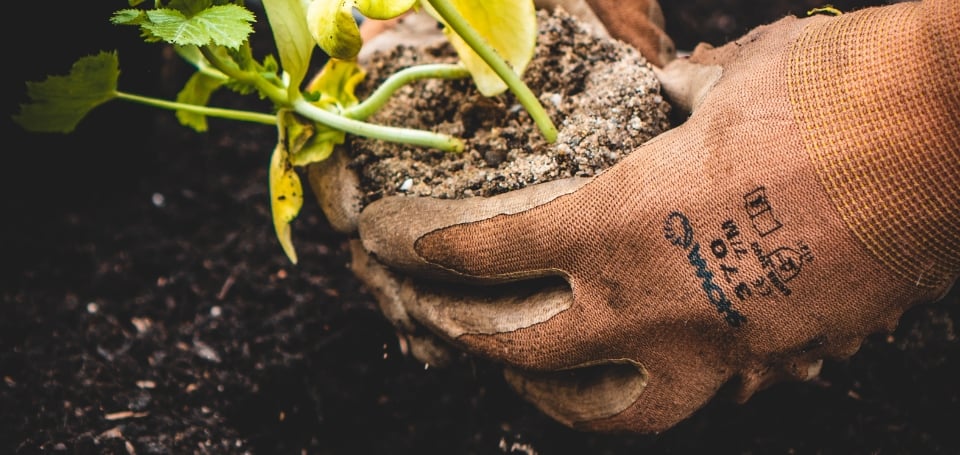
Plant astilbes in spring once the danger of frost has passed. If you are dividing an existing astilbe, divide plants in spring or fall when growth slows and the plant is not directing energy into new foliage.
Choose a planting site with partial shade to full shade. In hot climates, astilbe planted in full sun often struggles. In full shade, plants may produce fewer flowers, but the foliage remains lush and attractive.
Astilbe also grows well in containers and garden beds, provided the soil stays consistently moist and drains well. Regular nutrients throughout the growing season help maintain strong growth and vibrant blooms. You can grow astilbe from seed, purchase plants from a local nursery, or divide established clumps.
Care
With a clearer understanding of this shade-loving perennial, you may be wondering how to grow astilbe in your own garden. This section outlines the key growing requirements to help you get started successfully.
Light

Astilbe generally prefers light or partial shade but will tolerate full sun in northern zones if plants receive afternoon shade. Dark green foliage grows well in deep shade, but producing showy flowers requires at least four to six hours of sunlight per day.
Water

Water astilbe in the morning to supply enough moisture for the warmer part of the day. Keep the soil consistently moist but never soggy. Astilbe dislikes dry soil, which causes leaves to curl and droop. Astilbe is not drought-tolerant, although some varieties, such as Chinese astilbe (Astilbe chinensis), tolerate dry conditions better than others.
Water deeply at least once per week, and increase frequency during hot weather. Apply mulch to help retain moisture, as dry soil negatively affects growth and flowering. Always water at the base of the plant to prevent splashing water onto the foliage, which can encourage fungal disease. Continue watering until the ground freezes, then prepare plants for winter dormancy.
Soil

Astilbe plants prefer well-drained soil that is high in organic matter. Organic material helps retain moisture and prevents the soil from drying out during hot summer months. These plants do not perform well in heavy clay soils and prefer a slightly acidic pH of 6.0.
If your soil contains a high percentage of clay, amend it with additional organic matter such as peat moss, perlite, or coarse sand to improve drainage.
Temperature

Depending on the variety, this ornamental grows well in USDA zones 3 through 8. Ideal growing temperatures range between 65 and 75°F (18 to 24°C). Astilbe does not perform well in areas with extreme heat or cold. During winter, apply a layer of mulch around the crown after seasonal pruning to protect the roots from cold damage.
Fertilizing

Astilbe plants are heavy feeders and need consistent nutrients throughout the growing season to stay healthy and produce full flower heads. Fertilize in spring using a slow-release, balanced organic fertilizer with an NPK ratio of 3-1-2. Continue to amend the soil with compost during the growing season. In late summer, apply a high nitrogen fertilizer to support ongoing foliage growth and overall plant vigor.

Pruning

As the flowers fade in fall, you can leave them in place for winter interest if you live in a warmer climate. In areas with harsher winters, pruning helps astilbe survive the colder months. Cut all foliage back to within three inches of the soil surface. After the first hard freeze, apply mulch around the plant to protect the roots. New foliage will emerge in spring.
Propagation

There are three methods for propagating astilbe: starting from seed, dividing existing plants, or using stem cuttings. Each method has advantages and disadvantages, with some being more reliable than others.
Starting astilbe from seed is enjoyable but takes the longest, as astilbe grows slowly. You can collect seed from existing plants, although aged seed often has better germination rates. You can also purchase seed from a local supplier and start it indoors at least eight weeks before the last frost. Seedlings should be large enough to handle outdoor conditions by late spring.
Dividing mature astilbe plants is one of the most effective propagation methods. Divide plants in early spring or late fall, when they are not actively growing. Water the plant well before digging to make lifting the root ball easier. Once exposed, separate the clump into sections. Plant each division in a hole twice as wide as the root section and amend the soil with compost. Water thoroughly after planting to reduce transplant stress.
Stem cuttings offer another propagation option, although it is less commonly used. Take cuttings at any point during the growing season, choosing stems without flower buds. Cut just above a leaf node, remove one third of the lower leaves, and place the cutting into prepared soil or a container. Keep the soil moist but not wet, and allow at least three weeks for roots to form.
Troubleshooting
Ornamental plants can sometimes experience growing problems, pests, or diseases. This section outlines common issues that may affect astilbe and provides guidance on prevention and treatment.
Growing Problems

Astilbe requires consistently moist soil and ample nutrients to stay healthy. The most common growing problem occurs when the soil dries out, causing leaves to curl, turn brown, and eventually die back. Provide frequent watering during hot weather to prevent stress. Astilbe may also fail to bloom if plants do not receive enough light. In this case, transplant them to a location with increased sun exposure.
Insufficient nutrients can also limit growth and flowering. Because astilbe is a heavy feeder, it needs enough stored energy to produce blooms. Follow the fertilizing and watering recommendations outlined earlier to support strong growth and reliable flowering.
Pests

The Asiatic garden beetle commonly affects many ornamental plants, with adults emerging in June and peak populations appearing in July. These reddish-brown beetles lay eggs in the soil at the base of astilbe plants. Once the larvae hatch, they feed on the roots and weaken the plant.
Because the beetles are active at night, use light traps or hand-pick them after dark to reduce populations. Pyrethrin-based treatments can help control adult beetles, although they do not provide complete control.
Black vine weevil is another common pest that attacks astilbe. The larvae feed on the roots, causing plants to weaken and eventually die. Adult black vine weevils are black, about one half inch long, with a beaded thorax and long antennae. Apply insect pathogenic nematodes to the soil as a first line of defense to target larvae before they mature.
Since adult weevils do not fly, spread diatomaceous earth on the soil surface for added protection. In severe infestations, use a biological insecticide containing Beauveria bassiana, a naturally occurring soil fungus.
Diseases

Fungal species in the genus Cercospora cause leaf spots. Spores spread by wind or splashing water, such as when irrigation hits the foliage or splashes soil onto the plant.
Infected leaves develop small purple or maroon spots that enlarge over time and eventually cause leaf drop. The disease usually starts at the bottom of the plant and moves upward. To prevent leaf spot, remove fallen leaves from around the plant and always water at the base to avoid splashing. Sulfur and copper-based fungicides help prevent spore spread but do not cure infected plants. Remove affected leaves promptly and apply an organic fungicide if needed.
Powdery mildew is another fungal disease and spreads under similar conditions. Affected leaves appear dusted with a white, powdery coating. If left untreated, leaves turn yellow and die. Prevention through good airflow and proper watering is the most effective approach. Organic fungicides can help manage mild infections, but remove severely affected plants to prevent further spread.
Fusarium wilt is caused by a soil-borne pathogen that damages the plant’s vascular system and has no cure. Plants show symptoms similar to drought stress, including wilting and browning leaves, often affecting only one side of the plant at first. Leaves eventually droop and dry out completely.
Remove the entire plant, including all roots, and discard the surrounding soil, as the pathogen can persist for long periods. Prevention is critical, and some mycological soil additives show promise in reducing Fusarium presence in the soil.
Frequently Asked Questions
Do astilbe need to be cut back in the fall?
Yes, in late autumn cut back the stems to 3 to 4 inches above the soil level. Cover the roots with mulch to provide protection during the winter months. However, do not mulch until the first freeze to prevent root rot and to deter rodents from taking residence.
When should I prune astilbe?
Unlike other flowering plants, dead-heading astilbe won’t encourage new flowers to grow. Trim off old flowers as they die throughout the season or leave in place if you prefer the look of the dried flowers. Then prune the whole plant back in the fall to prepare for winter.
How do you keep astilbe blooming all summer?
Provide plenty of nutrients to this heavy feeding plant. In the spring or early summer feed a slow-release fertilizer, amend the soil regularly through the season with compost, and in the late summer feed with a high nitrogen fertilizer. Also, do not place them in an area that receives full sun without any afternoon shade.