Aspirin For Plants: Does It Actually Help?
Many people recommend aspirin for plants, claiming all sorts of benefits. While research has been done, it's important to break down what the evidence shows us. Does aspirin work in the garden? We explore the science!

Contents
As gardeners, we all wish there were a quick fix for keeping plants healthy and thriving. Some people turn to household items in search of easy solutions, and one product almost everyone has on hand is aspirin. Since aspirin helps people feel better, it raises the question of whether aspirin for plants could offer similar benefits in the garden.
Researchers still need to conduct more studies to determine whether aspirin truly works for plant care. Early findings suggest there may be some truth to the idea, but the real question is whether aspirin delivers the wide range of benefits often claimed.
Cut flower arrangers have long suggested that aspirin helps flowers last longer in a vase. Others claim it can produce larger, healthier tomatoes, prevent certain plant diseases, or improve drought tolerance. Gardeners have repeated these ideas for years, but not all of them hold up under closer scrutiny.
To sort fact from fiction, it helps to look at the science behind using aspirin on plants. Understanding what research supports and what remains unproven will clarify whether this common medicine cabinet staple deserves a place among your gardening supplies.
Epic Organic Garden Straw

Epic Organic Garden Straw is a weed seed-free mulch that helps create a healthier, more resilient garden. It locks in moisture, blocks weeds, and regulates soil temperature, giving your plants the stable environment they need to thrive, without introducing unwanted seeds or chemicals.
Buy at Epic Gardening ShopWhat Is Aspirin?
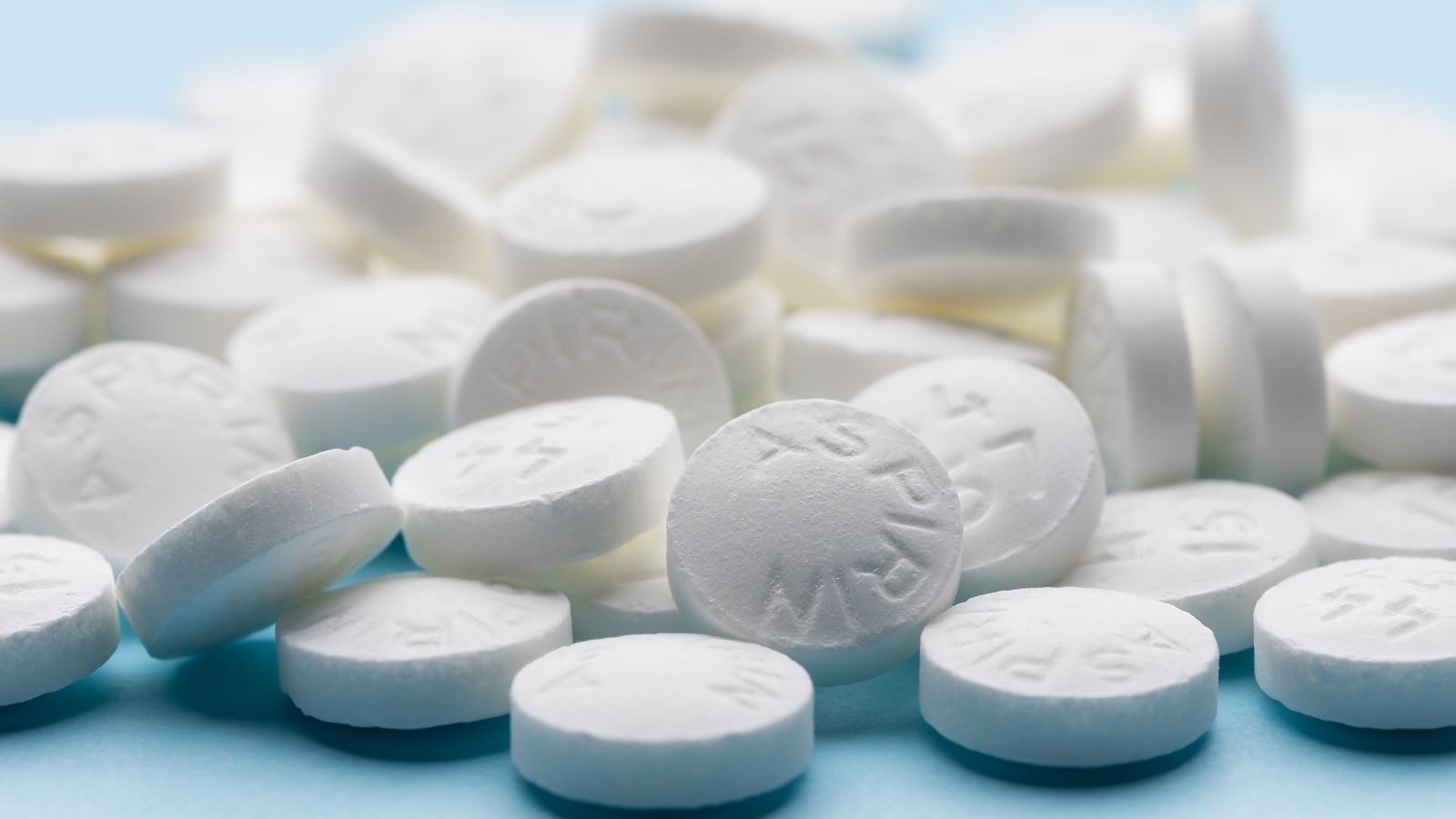
From its earliest form, what we now call aspirin served a wide range of medicinal purposes. Its first documented use dates back to ancient Sumeria, where clay tablets recorded it as a treatment for fevers. Indigenous peoples in the United States brewed beverages from willow bark to ease aches and pains. The Greeks and Chinese also used willow for similar remedies. In other regions, people relied on different plants that contained the same natural compound. This substance became the natural predecessor of modern aspirin.
That predecessor is salicin, a compound found in many Salix species, Spiraea species, and a handful of other plants. In the late 1830s, Italian chemist Raffaele Piria first synthesized salicin in a laboratory, producing the purified form known as salicylic acid. Today, many people recognize salicylic acid as an over the counter treatment for removing warts, but doctors once used it widely to reduce fevers and relieve pain.
Aspirin itself first appeared in 1897, when German chemist Felix Hoffmann, working for Bayer, synthesized acetylsalicylic acid. Early development proved uncertain. At the same time, Bayer had discovered another powerful drug intended for use in cough syrups, which we now know as heroin, a highly addictive and dangerous substance. As a result, Bayer set aspirin aside and nearly abandoned it until another scientist at the company continued its development.
Chemical Compounds
The primary differences between salicin, salicylic acid, and acetylsalicylic acid are minor at the chemical level, but significant in how each one is used today.
Salicin often occurs alongside other organic compounds and does not form uniformly across plant material. Some plants contain higher concentrations than others, which made accurate dosing difficult. In some cases, bark derived salicin also included unwanted or potentially harmful substances.
Salicylic acid removes those additional organic compounds and represents a purified form of salicin. This potent compound is commonly used topically to exfoliate or remove outer layers of skin. Early medical use also involved internal treatment for pain and fever, similar to willow bark remedies. However, salicylic acid frequently caused stomach irritation and damage to the stomach lining, which limited its safe internal use despite its effectiveness.
Acetylsalicylic acid, the active ingredient in aspirin, differs only slightly in chemical structure. That small modification reduces the risk of gastric irritation and made widespread medical use possible as a pain reliever and fever reducer. This same change later proved critical in treating heart attacks, a benefit that researchers did not fully recognize until the 1970s.
The name aspirin likely combines three elements: “acetyl,” which identifies the modified compound; “Spiraea,” the meadowsweet related plant originally used in salicylic acid development; and “in,” a common suffix for medications at the time.
Common Claims For Aspirin & Plants
Beyond modern medicine, many gardeners claim aspirin works in a range of garden applications. But how effective is aspirin in the garden, really? Looking at the available research helps clarify what science has uncovered so far.
Aspirin For Cut Flowers

Let’s consider this claim first. Many gardeners dissolve an aspirin tablet in water and use it in a vase for cut flowers, believing it helps them last longer.
In reality, this method does not work. Cut flowers produce callose, a sticky substance that seals wounds in the stem. Most commercial flower preservatives address this directly. They contain sucrose to feed the flowers, an acidifier to neutralize callose so stems continue drawing up nutrients, and an antibacterial or antifungal agent to prevent mold and rot.
Aspirin does not prevent callose buildup. Because of this, flowers still seal off their stems and dry out, even when submerged in aspirin water. Once the plant blocks water uptake, aspirin offers no benefit.
For the longest vase life, use a commercial flower preservative. If you cannot access one, some florists suggest adding a small amount of 7-Up to the water. It contains sucrose and citric acid, which can help feed flowers and reduce mold or mildew buildup, but this solution only works for short term use.
Taking this idea further, aspirin does not work well for preserving Christmas trees either. Trees do not produce callose in the same way as cut flowers, but they still require large amounts of water and sugar. Aspirin water does not meet these needs and provides no meaningful benefit.
Aspirin For Pests & Diseases

Many people make a wide range of claims about using aspirin in the garden, including suggestions that it works as both a pesticide and a fungicide.
Some evidence suggests that salicylic acid may help prevent certain bacterial diseases, but it does not cure them. In one study, scientists from the US Department of Agriculture sprayed tomato seedlings with a salicylic acid solution and later exposed them to a plant pathogen, specifically the bacteria responsible for potato purple top disease. Plants treated before exposure showed nearly a 50% reduction in bacterial spread.
This effect acted as a preventative rather than a treatment. When researchers applied salicylic acid after infection occurred, it showed little to no impact on disease progression. Researchers believe the early application triggered a preemptive systemic resistance response in the plant’s immune system, helping it defend against infection. The acid did not cure the disease but instead boosted the plant’s natural defenses.
Further research revealed that many plants naturally produce salicylic acid at infection sites during systemic disease responses. This compound does not attack pathogens directly. Instead, it signals the plant to activate its immune response. When growers apply salicylic acid externally, plants appear to initiate the same internal defense mechanisms.
A 2019 study found that while salicylic acid effectively triggers systemic acquired resistance, it also has limitations. Plants metabolize it quickly, giving it a short active lifespan. In addition, excessive amounts can become toxic to plant tissue.
It is important to note that these findings relate to salicylic acid itself, not aspirin. Aspirin contains acetylsalicylic acid, which researchers have not studied in the same way. Because of this, it remains unclear whether aspirin applications provide similar immune-boosting effects or pose the same toxicity risks when overused.
Even less research supports claims that aspirin works against garden pests. People often assume that disease prevention also deters insects, but evidence does not support this idea. Boosting a plant’s immune response through salicylic acid does not appear to create resistance to insect damage. While healthy plants may tolerate pests better, that does not make aspirin an effective pesticide, especially since it does not act as an antifungal.
In short, dissolving aspirin tablets in water may offer limited preventative benefits against some bacterial plant diseases, although research has not confirmed this conclusively. It does not function as a reliable pest deterrent.
Aspirin For Rooting Plants

This idea traces back to earlier salicin forms from which salicylic acid, and later acetylsalicylic acid, were derived. Gardeners believed that cutting large amounts of willow branches and soaking them in water would create a solution that helped plants root more quickly. This mixture, commonly called willow water, became popular for encouraging root development.
The problem with this idea is that aspirin does not act as a rooting hormone. Only a small group of naturally occurring rooting hormones exist, known as auxins. Auxins suppress side budding and promote root formation. One of the most common auxins used by home gardeners is indole-3-butyric acid, which appears widely in commercial powdered rooting hormones.
Researchers have conducted limited testing to see whether salicylic acid influences root growth, but results remain inconclusive.
At least one 2008 study on sunflower seed germination examined whether acetylsalicylic acid or salicylic acid promoted stronger root development in newly germinated seeds. Extremely small amounts led to slight elongation of early embryonic roots. As researchers increased the concentration, results worsened. Higher doses caused severe negative effects, and at the highest levels, seeds failed to germinate and died. Overall, researchers found no practical benefit.
No current research explicitly states that gardeners should never use aspirin as a rooting hormone. However, existing evidence shows no meaningful advantage. Plants root best when their natural systems handle the process, or when gardeners apply a true auxin such as indole-3-butyric acid. Aspirin does not provide reliable support for root development.
Aspirin For Plant Tolerances

Can aspirin improve a plant’s drought tolerance, or its ability to handle heat or cold?
Some evidence suggests this may be possible. While researchers more often study salicylic acid for this purpose, acetylsalicylic acid may also help plants tolerate certain stresses.
This effect links back to systemic acquired resistance, or SAR. Just as aspirin can trigger a plant’s defense response against bacterial infections, it may also activate defenses that help the plant protect itself from environmental stress.
The limitation is that this response does not replace good plant care. Regular feeding, consistent watering, and proper maintenance of leaves and stems produce stronger and more reliable results than spraying plants with aspirin water.
Using aspirin this way also carries potential risks. Aspirin water sprays offer only short-term immune-related effects and do not provide a long term solution. Focus instead on proven practices. Use cold frames during cold weather, apply shade cloth during periods of intense heat, water consistently, and meet each plant’s basic needs. This approach leads to better production and clearer results.
Aspirin For Tomatoes

Now we reach the final claim: using aspirin on tomato plants. Some gardeners believe aspirin improves yields, produces healthier plants with sturdier leaves, and boosts overall performance.
Research on this topic shows mixed results. In 2004, a master gardener from the University of Rhode Island tested an aspirin spray on cucumbers, basil, beans, and tomatoes in her home garden. She reported dramatic results, including larger, more vigorous plants, heavy fruit production, and reduced disease symptoms after spraying with aspirin water. These claims attracted widespread attention and appeared in several newspapers, where others frequently cited them.
The following year, Dr. Rebecca Brown, then a professor and department chair, collaborated with the master gardener and additional participants to run a more structured trial. The study included a water only control group and two treatments designed to trigger systemic acquired resistance. The results showed no reduction in yield on ‘Early Girl’ tomatoes when researchers applied aspirin or another product called Messenger. However, the study also revealed high variability, which made it difficult to draw firm conclusions without more extensive testing.
In a later discussion, the original master gardener, Martha McBurney, noted that the 2004 growing season brought cooler and wetter than normal conditions. These favorable environmental factors may have improved plant health independently of aspirin use.
In 2009, Dr. Brown addressed the topic again in a follow up interview with Avant Gardener. She explained that while both aspirin and Messenger showed slightly higher yields, the fruit size from treated plants was smaller than that of the control group that received only water. This finding directly contradicted the earlier anecdotal reports of larger fruit and increased plant size.
Dr. Brown also cautioned that excessive aspirin use can damage plants. Solutions stronger than two aspirin tablets, or 250 to 500 milligrams, per gallon of water caused leaf scorching and other injury. Overapplication clearly poses a risk rather than a benefit.
Overall, while early claims suggested aspirin dramatically improved tomato growth, controlled testing has not supported those conclusions. Aspirin sprays do not appear to offer meaningful improvements in tomato size, vigor, or yield, and excessive use may harm plants rather than help them.

Final Thoughts
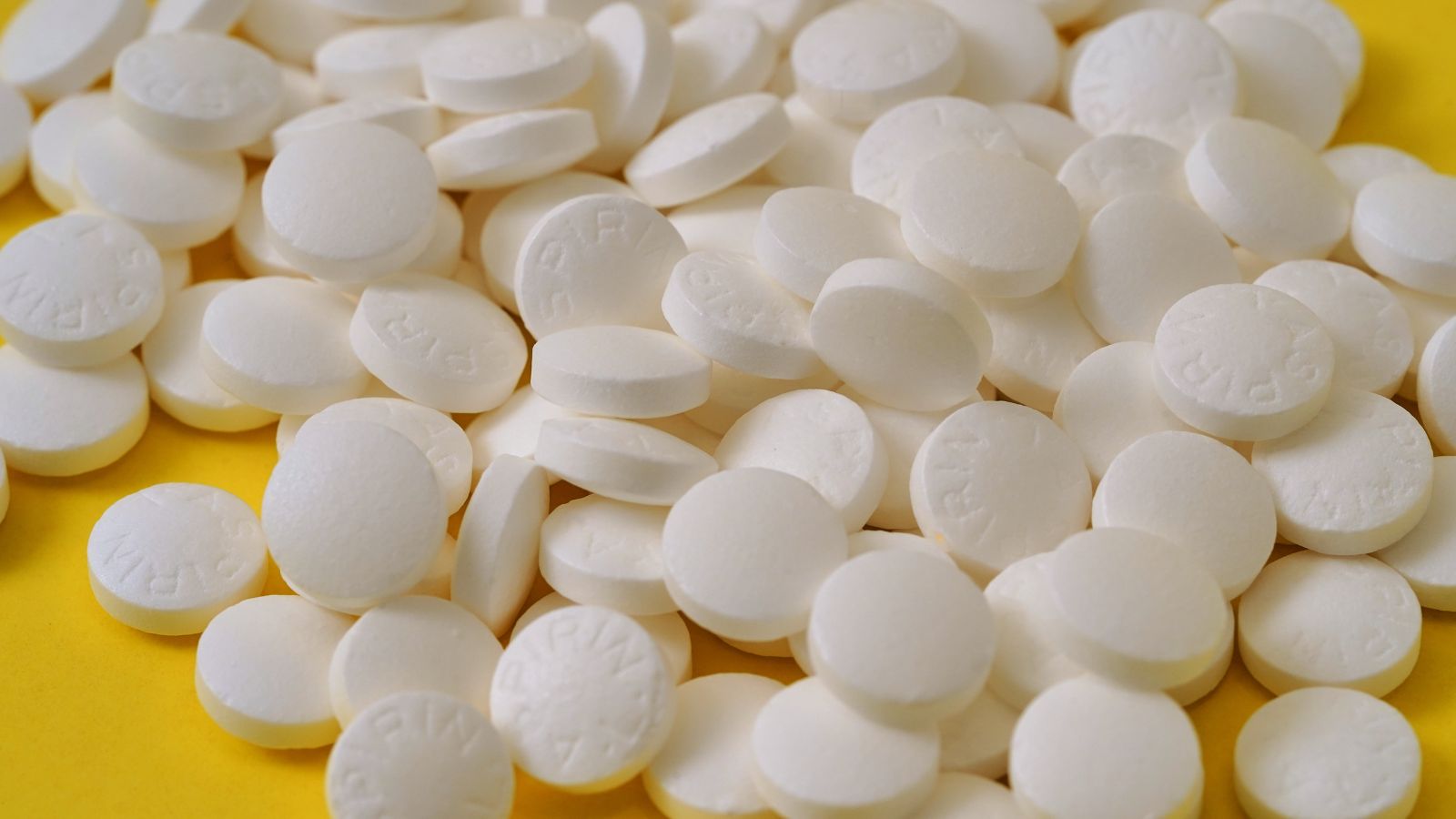
Overall, aspirin sprays may have some effect on plants, but whether those effects actually benefit garden growth remains unclear. Aspirin does not act as a miracle treatment for tomatoes, does not improve sunflower germination or rooting, and offers no proven long term solution. While it may trigger certain systemic responses, research has not yet shown that these responses translate into consistent or lasting results.
This uncertainty highlights how much more research scientists still need to do before confirming any real gardening benefits. Science moves slowly, and many questions around aspirin and plant health remain unanswered. Future studies may uncover useful applications, especially as researchers continue exploring systemic acquired resistance.
For now, though, the evidence does not support using aspirin as a regular garden remedy. Given how little we know and the potential risks involved, it makes sense to avoid aspirin in everyday gardening practices. That recommendation may change with future research, but at present, skipping this home remedy remains the most responsible choice.