The Best Arugula Companion Plants (and What to Avoid)
Selecting the right arugula companion plants can spell garden success! Choose the right pairings and you can increase your chances of a productive, healthy garden. Our guide shares what to choose and what not to choose for best result.

Contents
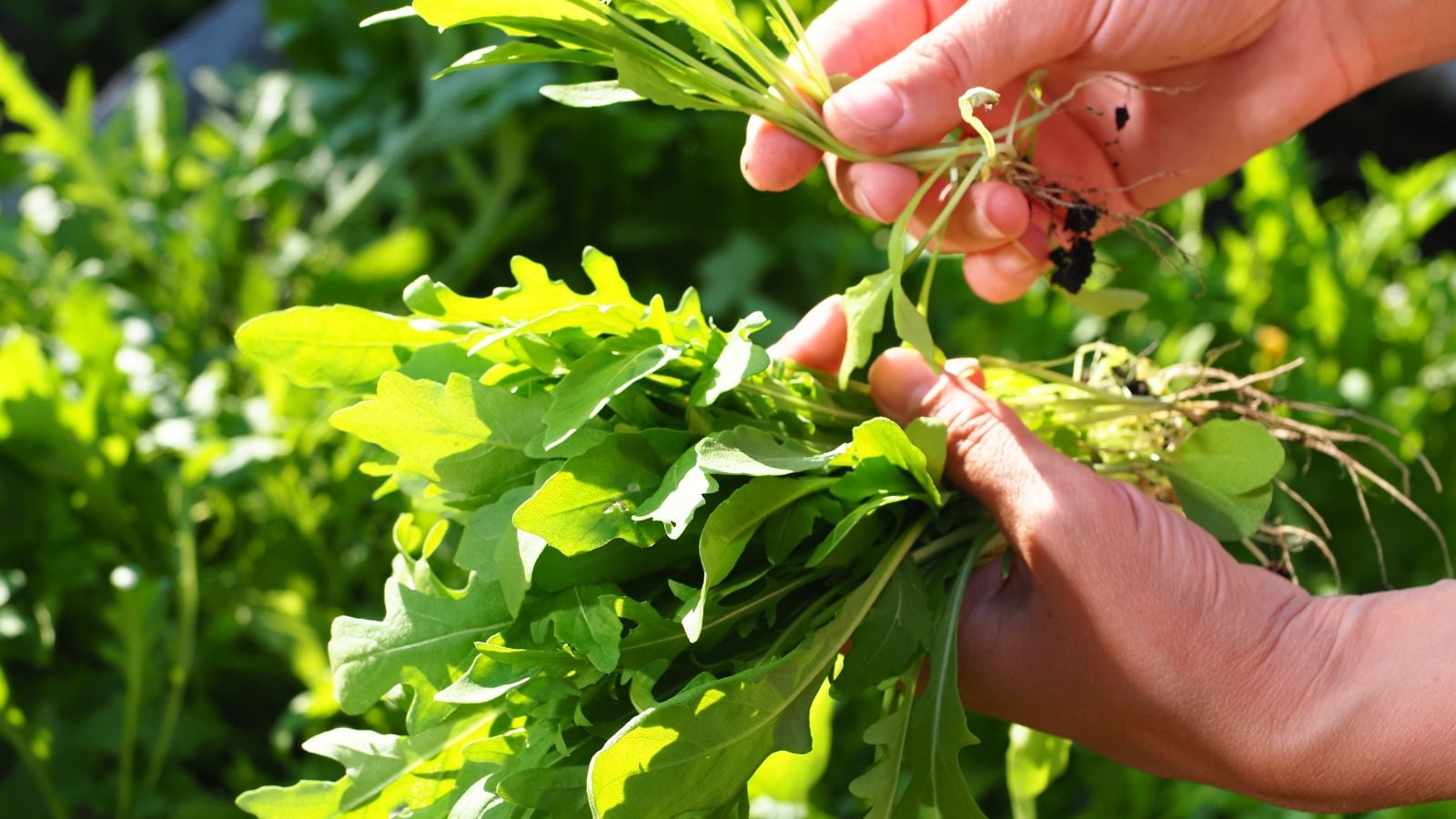
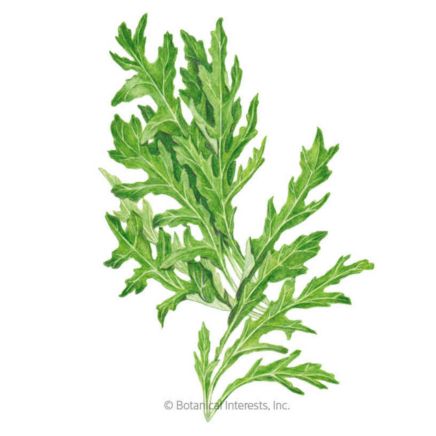
Arugula, also referred to as rocket or roquette, is a savory salad green packed with flavor and nutrients. Its peppery leaves add a spicy zing to salad mixes, sandwiches, pesto, pizza, and sautéed dishes. Beyond its culinary appeal, arugula is also a valuable partner in the garden. Let’s take a closer look at arugula companion plants.
Arugula, Eruca sativa, belongs to the mustard family, which includes brassicas. This group features many familiar vegetables such as kale, broccoli, cabbage, and collard greens. These fibrous crops are well known for their nutritional value, and arugula is gaining popularity with gardeners not only for its health benefits but also for its fast growth. You’ll often find arugula in mesclun seed mixes or prepackaged salad blends, where it complements other baby salad greens.
Ready to make arugula a staple in your garden? Let’s explore arugula companion plants, and which ones are best kept at a distance.


What Is Companion Planting?

There are many benefits to companion planting. By diversifying with compatible plants, you can improve the overall vigor and productivity of the garden. Companion planting focuses on growing plants that perform well in close proximity and provide mutual benefits to one another.
This approach differs from monocropping in a garden bed. When arugula is grown on its own, plants compete for the same nutrients. This can weaken growth and make arugula more susceptible to insect infestations.
In contrast, companion plants can occupy different layers and zones in the garden, allowing you to harvest more food from the same space. Good arugula neighbors can attract pollinators, discourage pests, deposit nutrients, and create microclimates that protect arugula.
For pest management, compatible aromatic plants may act as natural repellents. Intercropping can also confuse pests, discouraging them from settling on your crops. Some companion plants even attract beneficial insects that help manage pest populations.
Other companion plants, such as beans, help replenish nitrogen in the soil and support the health of neighboring plants. You can take advantage of vertical space by training beans onto a trellis or pairing them with companion root vegetables. Root vegetables help loosen and improve soil structure as they grow.
Low-growing companion plants can function as living mulch or ground cover. This helps retain soil moisture, prevent erosion, and reduce weed competition. Taller plants can act as nurse plants for young seedlings, providing shelter from intense sun and wind. These microclimates are easy to create and can significantly improve garden health.
Companion planting with fast, mid, and slow-growing crops also improves garden organization. Fast-growing plants such as radish or spinach can serve as living markers, helping prevent accidental double planting over slower-growing crops like corn, cabbage, or cauliflower. Now let’s explore which plants grow well with arugula and which ones are best avoided.
Good Arugula Companion Plants
Arugula is a fast-growing plant that thrives in cooler weather. It is resilient and has only one major pest: flea beetles. Flea beetles feed on the tender leaves of arugula, leaving behind tiny holes in the foliage. Companion planting can help make it harder for flea beetles to locate arugula plants in the garden.
Cool-Season Companions

First, let’s consider cool-season companion varieties for planting arugula. Root crops such as carrots, beets, onions, and garlic thrive in cooler weather and make excellent companions. These crops help maximize garden space because they primarily grow below ground. The leafy tops of carrots and beets can also provide light shade for arugula plants.
In addition, the pungent aroma of alliums like onions and garlic helps deter garden pests, making them classic companion plants for arugula and other brassicas.
Other cool-weather crops that grow well alongside arugula include leafy greens such as spinach, lettuce, and Swiss chard. When planted together, they create an instant salad garden bed.
Some gardeners prefer to broadcast these seeds rather than spacing them individually. This method produces a dense planting of salad greens that can be thinned regularly to harvest tender baby leaves.
Herbs

Some companion plants, such as aromatic rosemary, may help repel pests from arugula. Many herbs discourage pests and may even confuse them, making it harder for insects to locate arugula plants.
You can sow arugula alongside herbs such as dill, thyme, mint, chives, parsley, coriander, sage, basil, oregano, and borage. Plants in the mint family are particularly effective deterrents for common garden pests. Dill is another excellent companion for brassicas and is frequently used in natural pest management strategies.
Flowers

If you would like a pop of color in your garden, consider growing arugula with flowers such as chamomile, nasturtium, and petunias. Chamomile attracts pollinating insects, and its strong fragrance can help mask arugula from garden pests. Nasturtium can also be used as a ground cover.
Vegetables

Some companion plants are nitrogen fixers that replenish nitrogen in the soil, improving the health and flavor of arugula plants. Bush beans are particularly useful because their height also provides light shade. Other tall-growing companion plants to grow with arugula include corn and peas.
Celery is another vegetable worth considering, as it shares similar sunlight and water requirements with arugula. There are even recipes that pair celery and arugula together. When growing these arugula companion plants, you’ll often find they naturally complement one another in the kitchen as well as in the garden.
What Not To Plant With Arugula

There are some garden plants that do not mutually benefit arugula. Let’s explore this shortlist of poor companions.
Although strawberries can be an attractive ground cover, they are not good companion plants for arugula and can impede growth. This is true for all members of the Brassica family. If you are planting strawberries, it is best to position them one or two rows away from arugula.
Most plants in the nightshade family, Solanaceae, are incompatible with arugula. Nightshades prefer a more acidic soil pH of 5.5 to 6.5, while arugula grows best in a more neutral range of 6.5 to 7. For this reason, it is not recommended to grow arugula next to eggplant, peppers, potatoes, or tomatoes.
Keep in mind that planting brassicas together can attract shared pests and increase the risk of infestation. This also applies to crop rotation. For example, it is best not to plant arugula in a space that was recently occupied by cabbage.
One final consideration is that some arugula companion plants may not be good neighbors to each other. Dill and carrots, for example, are not compatible when planted together, even though each one individually makes a good companion for arugula.
Frequently Asked Questions
How far apart should you plant arugula?
Arugula seeds can be planted an inch apart in 10-inch rows. When young leaves are 4 inches tall, you can thin to 4-6 inches apart.
When can I plant arugula outside?
Arugula is a cool-season annual that is perfect when you are eager to grow before your last frost date in early spring. You can also grow arugula in late summer or early fall to extend your garden harvest. Arugula can tolerate light frosts with its optimum growing conditions ranging from 45-65°F (7-18°C). For continual harvests, it is recommended to stagger planting arugula every 2-3 weeks. Be wary, once the weather gets hot, arugula will bolt and the leaves will turn bitter.