How to Plant, Grow, and Care for Arabian Jasmine
Mysterious and alluring, the sweet jasmine flowers of the Arabian jasmine plant are beautiful. They are stunning additions to any tropical garden. This care guide by Epic Gardening Founder Kevin Espiritu will help you grow them with ease.

Contents
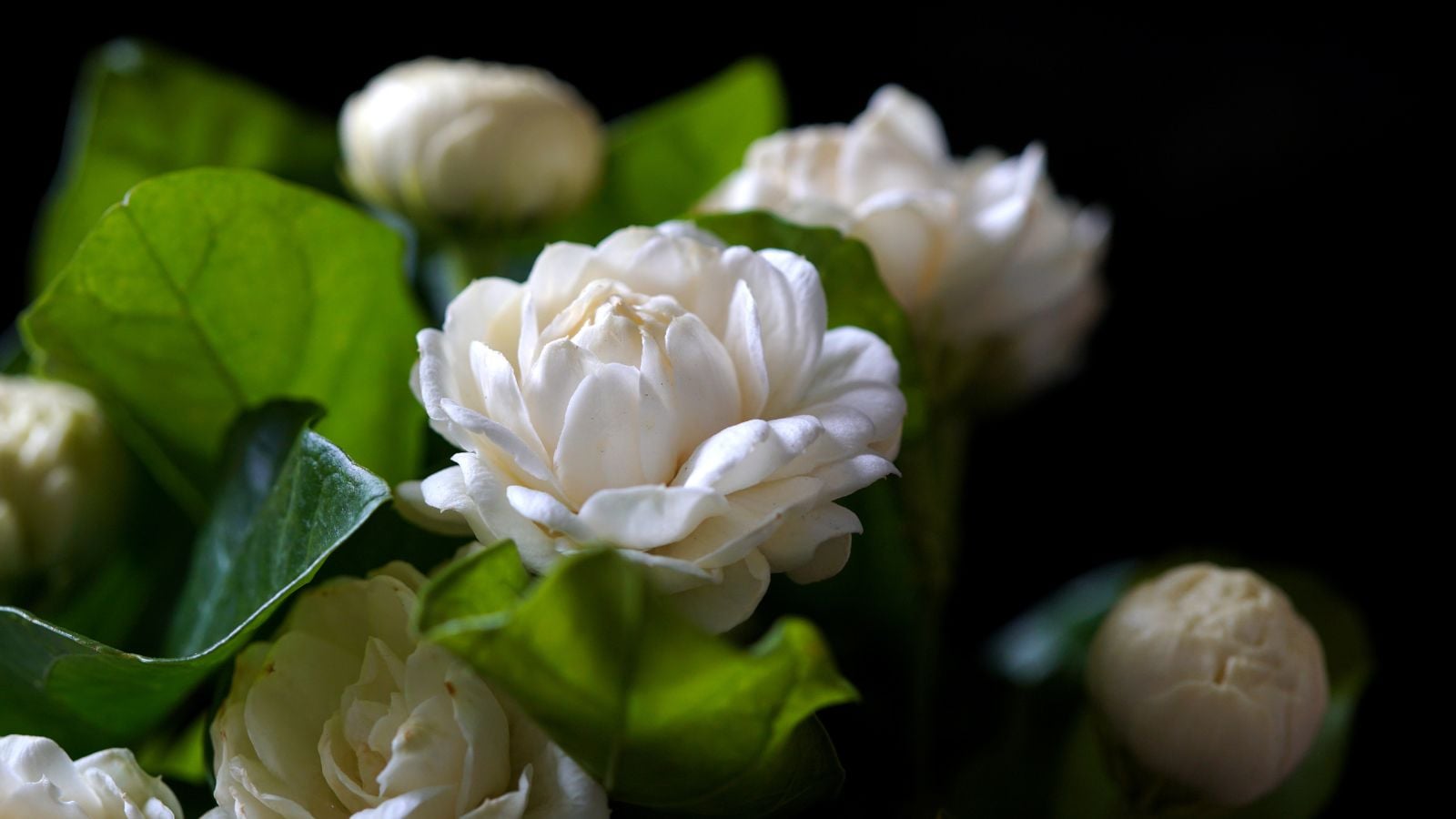
Exotic and alluring, the Arabian jasmine plant is native to Southeast Asia. Known botanically as Jasminum sambac, it is prized for its sweet, fragrant flowers. It is the national plant of the Philippines and one of the three national plants of Indonesia, and its blossoms are used in China to scent jasmine tea. In Hawaii, the flowers are often woven into leis.
This tropical plant is a true treasure in the garden. Its fragrance adds atmosphere, and its dark green leaves create a lush, appealing look. If you want to bring a touch of the tropics to your outdoor space, Jasminum sambac is a beautiful choice.
Espoma Bio-tone Starter Plus Organic Plant Food (4 lbs.)

The Ultimate Starter Fertilizer with both Endo & Ecto Mycorrhizae
- Grows larger root mass to help plants establish fast
- Reduces transplant loss
- Promotes bigger blooms
- Microbe enhanced all natural organic fertilizer with no sludges or fillers
For use on everything you plant. Use when planting all flowers, vegetables, trees and shrubs.
Buy at Epic Gardening ShopQuick Care Guide

|
Scientific Name
Jasminum sambac
Family
Oleaceae
Zone
9-11 outdoors, can be grown in other zones if wintered indoors
Height & Spread
Variable, spreads rapidly. Can be grown as a shrub or vine.
|
Light
Full sun to partial shade. Full sun is best for flowering.
Soil
Loose, friable, humus-rich.
Water
Water when soil is dry to 2″ depth
Pests & Diseases
Aphids, spider mites, black scale. Also leaf spot & root rot.
|
All About Arabian Jasmine
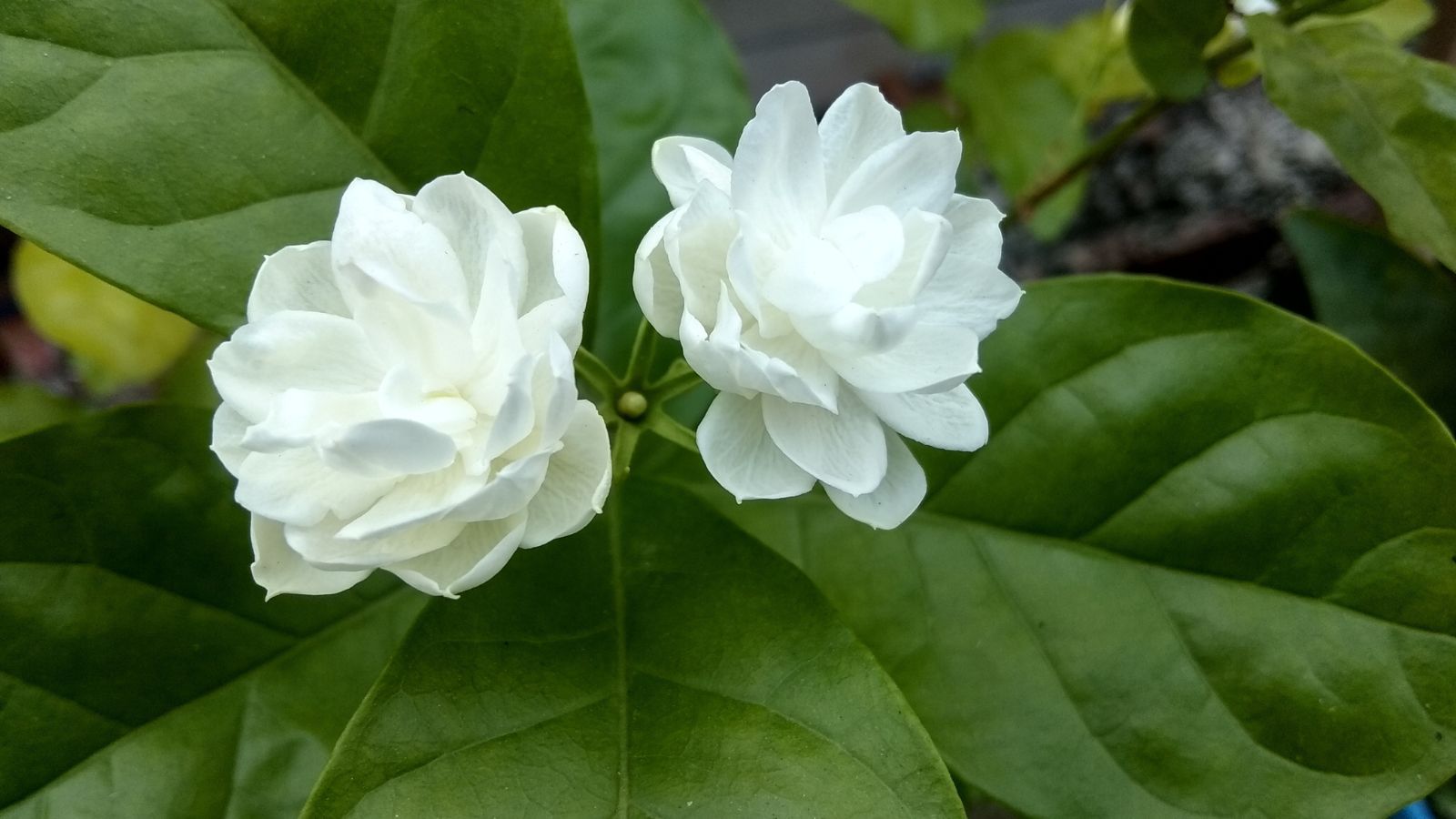
Its names are many: Sampaguita in the Philippines, Pikake in Hawaii, Mogra in India, and Melati Putih in Indonesia. But the charm of Arabian jasmine extends far beyond its tiny, waxy white flowers. Without support it grows as a mounding, trailing shrub, but with guidance it can twine upward to form a shrubby, vine-like plant.
Evergreen and tropical, these plants are lush and full. Some cultivars, such as the rare ‘Arabian Nights’, release their fragrance only at night, while others perfume the garden throughout the day.
The stems are softly downy and hold large oval leaves that can reach about three inches long. Flowers form in cymes or clusters of three to twelve blooms. Each is roughly an inch across with a waxy texture. Fresh blossoms open white, then fade to light pink as they age before turning yellowish brown.
In their native tropical Asian habitat, stems can reach up to 25 feet long. In gardens, they usually grow three to ten feet, depending on whether they are trained as shrubs or vines.
As members of the Oleaceae family, these plants are true garden standouts. Whether you grow them for their fragrant buds or rich foliage, there is plenty to appreciate. Their flowers are used to scent jasmine tea and produce essential oils, adding even more appeal.
Popular cultivars include ‘Maid of Orleans’, ‘Belle of India’, and ‘Grand Duke of Tuscany’, along with many others.
How to Grow
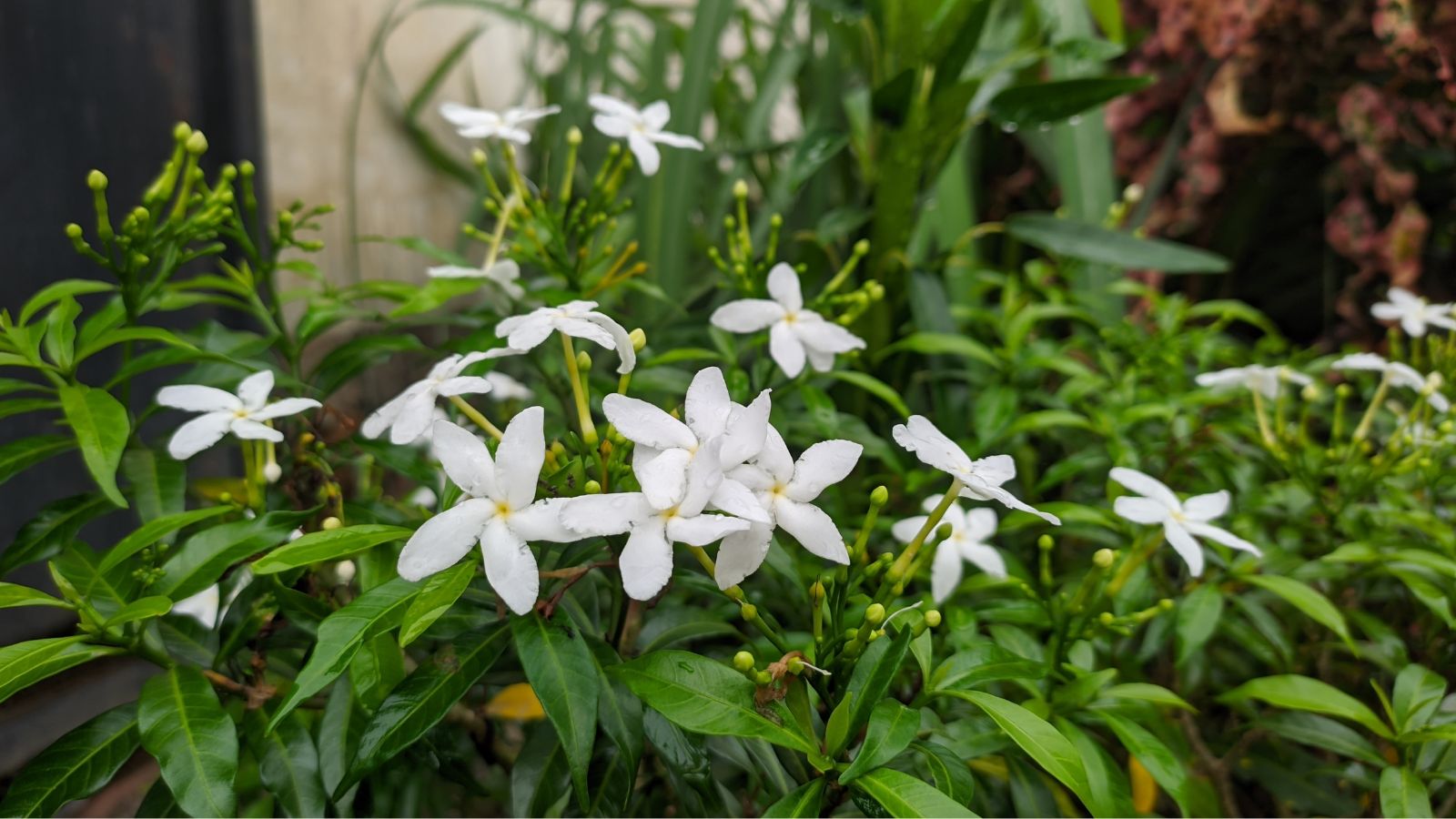
With the right care, your plant can bloom throughout the year. Sampaguita is easy to grow, although it does prefer a warm, tropical environment. Here is what you need to keep those white flowers blooming and the vines climbing.
Light
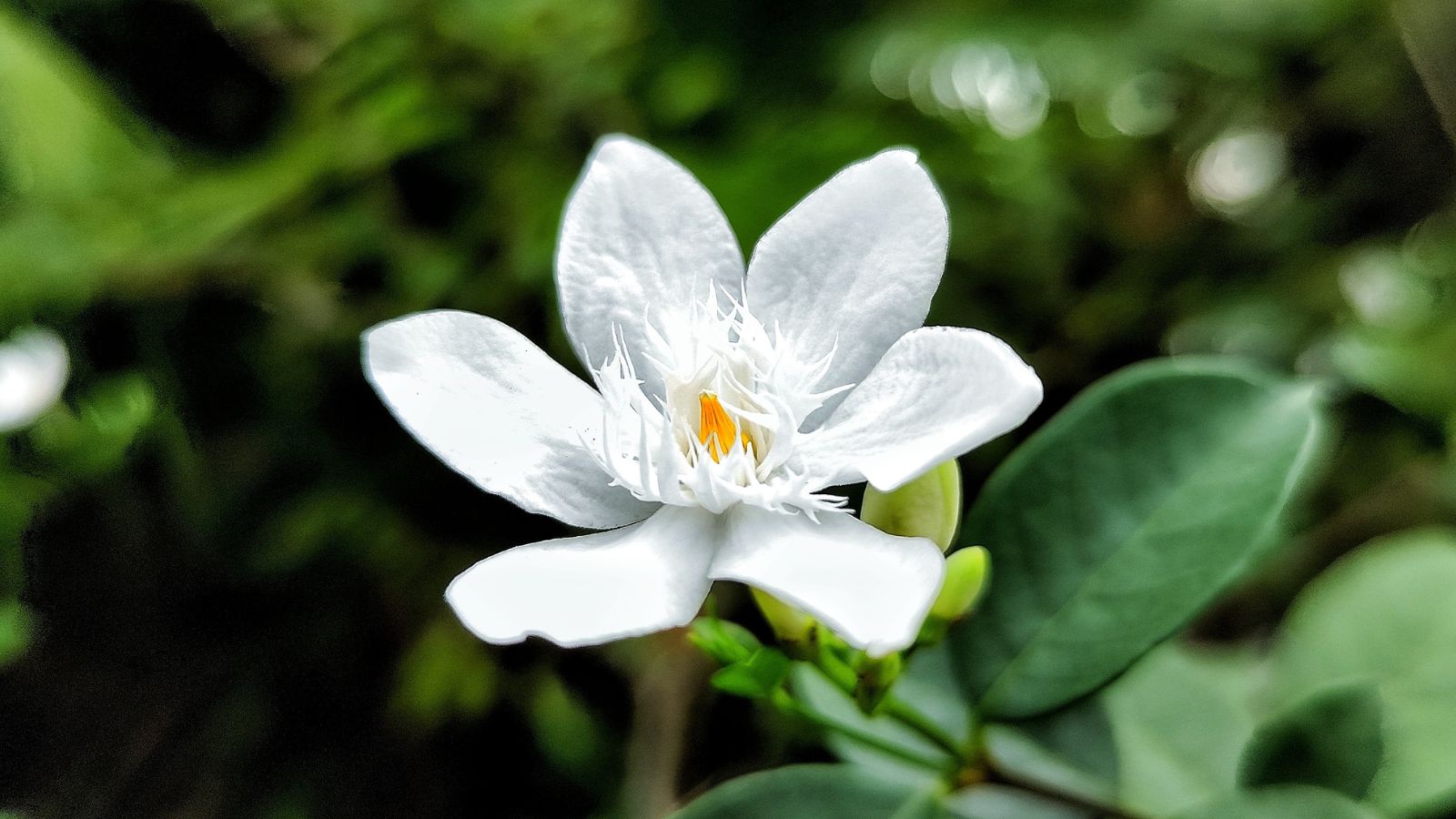
When planting Arabian jasmine, select a location where it can receive full sun to partial shade. Aim for at least six to eight hours of light per day.
Water
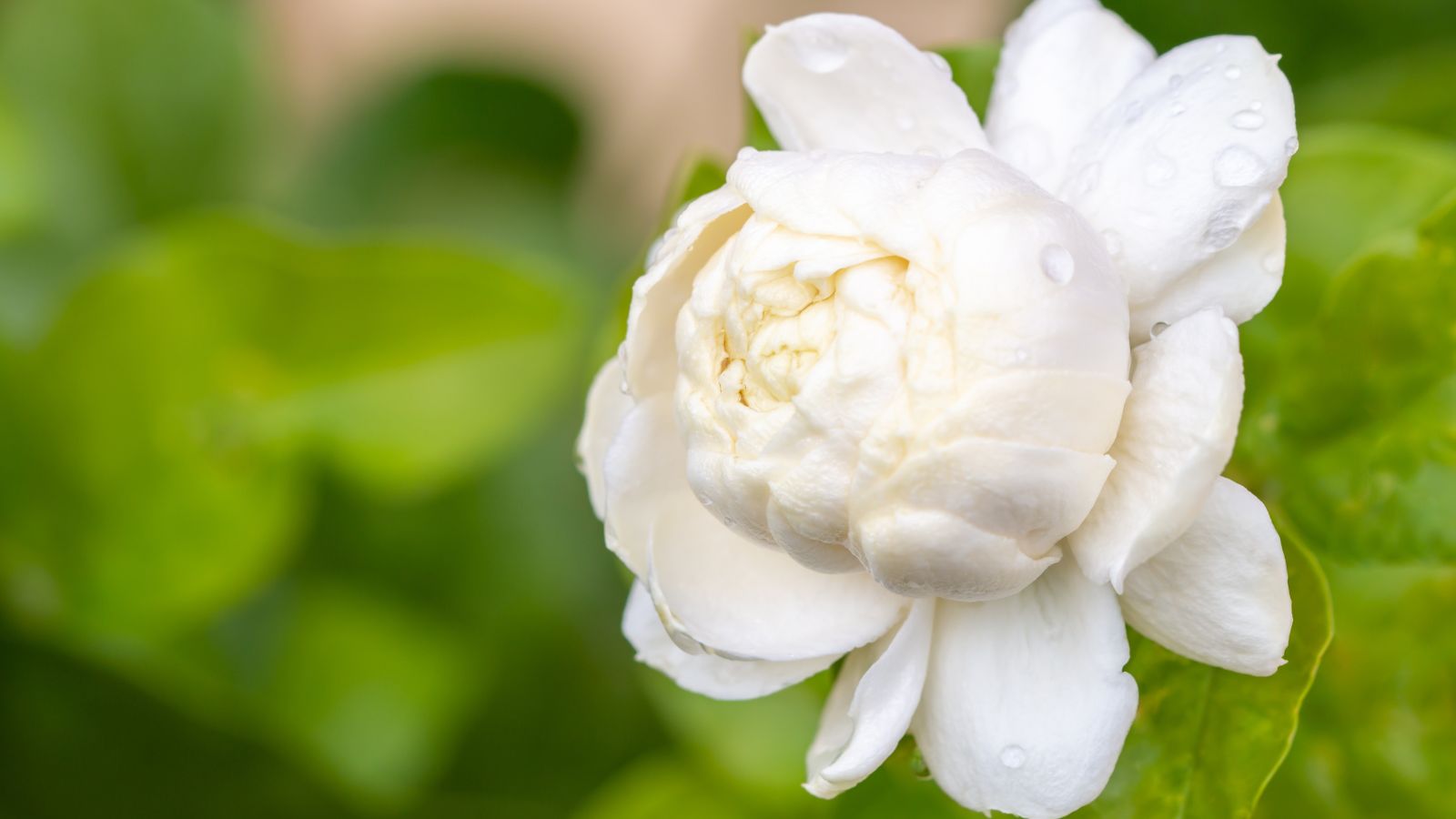
Regular watering is essential to keep the soil consistently moist. Sambac jasmine prefers at least one inch of water per week, and more during hot weather. Always check soil moisture before watering. If the top two inches are dry, it is time to water. Avoid overwatering, since it can lead to stem or root rot.
This ornamental plant thrives in humid conditions. Even if your climate is not naturally humid, keeping the soil moist usually provides enough surrounding moisture for the plant.
In winter, reduce watering and always check the soil first. If growing jasmine indoors, keep it away from heater vents. The plant loves warmth, but direct airflow from a heater can dry the soil too quickly.
Soil

Loose, light, humusy soil is ideal for Arabian jasmine. It should drain well while still holding enough moisture to keep the roots evenly hydrated. Rich soil with plenty of compost will keep Sambac jasmine thriving.
Aim for a soil pH between 4.9 and 7.5, with an optimal range of 5.5 to 6.0. When the pH rises above 6.5, iron becomes less available to the plant. Keeping the soil slightly acidic ensures better nutrient uptake and healthier growth.
Temperature and Humidity

Tropical plants like Arabian jasmine love warm temperatures. It grows best in zones 9 through 11, although gardeners outside those areas can overwinter the plant indoors as long as it receives plenty of bright light.
During the growing season, the ideal temperatures for flowering are 80 to 90°F (27 to 32°C) during the day and 70 to 80°F (21 to 27°C) at night. It can tolerate cooler conditions, but it does not handle frost well.
Fertilizer

When you first bring home an Arabian jasmine plant, hold off on fertilizing. Give it time to settle in and establish itself in its new spot.
For outdoor plants, fertilize four times a year. The first feeding should be right after late winter pruning. The remaining three should be spaced evenly through spring, summer, and fall. A 10-30-10 fertilizer works well for encouraging flower production. Use a slow-release granular formula and broadcast it evenly beneath the plant.
For indoor jasmine, use a liquid fertilizer diluted in water. Water the plant thoroughly first, then slowly pour the diluted fertilizer over the soil and let any excess drain away. Empty any catch trays afterward. Because liquid feeds are diluted, apply monthly. If indoor temperatures drop below 70°F (21°C), reduce feeding to every six weeks.
Repotting
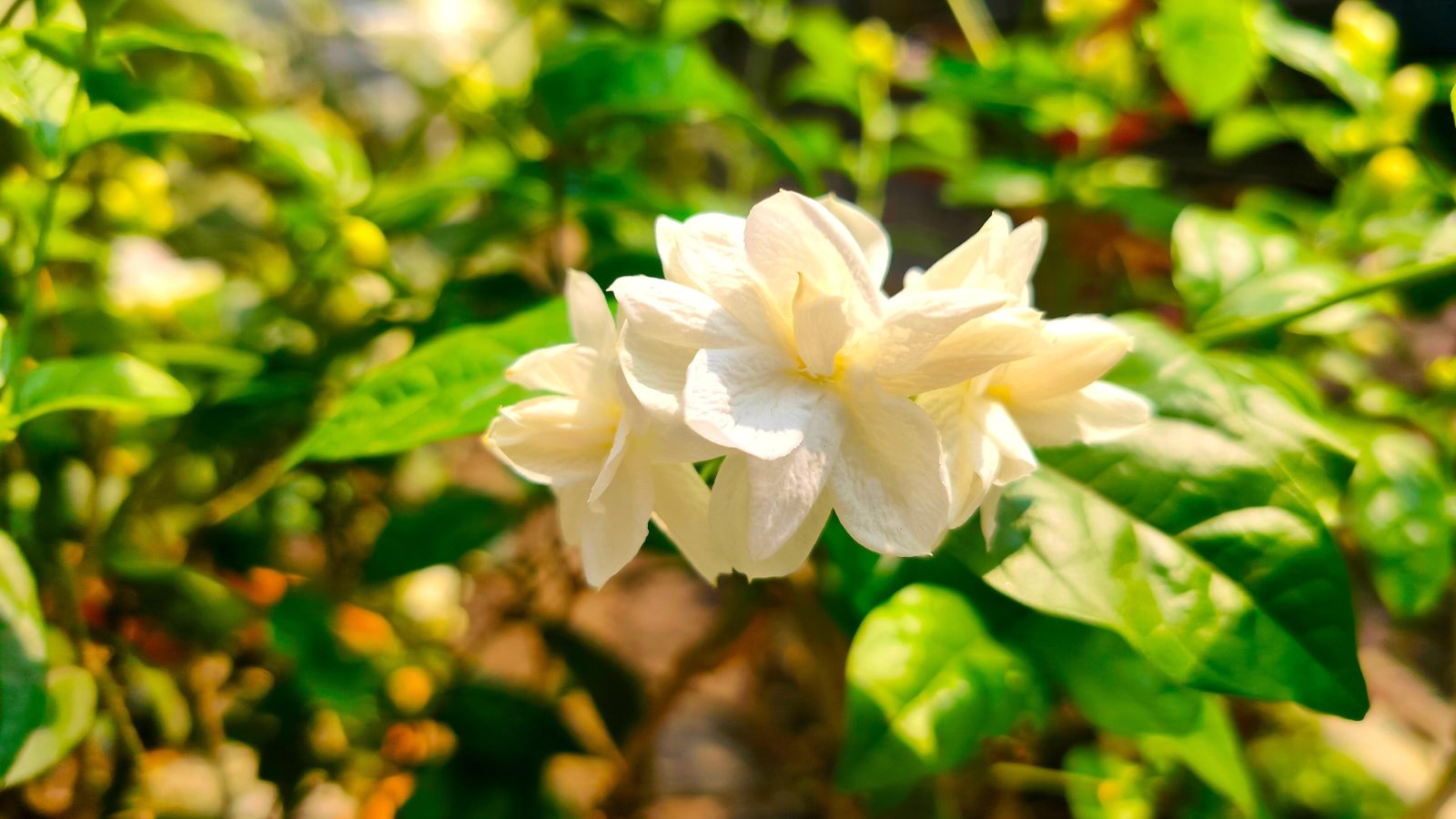
Jasminum sambac does not like oversized pots. When repotting, choose a container only two to three inches wider or deeper than the previous one. Larger pots hold too much moisture, which can create problems for jasmine.
Set the plant at the same depth it was growing in before. Do not add extra soil on top of the crown, as this can damage the stem.
Pruning
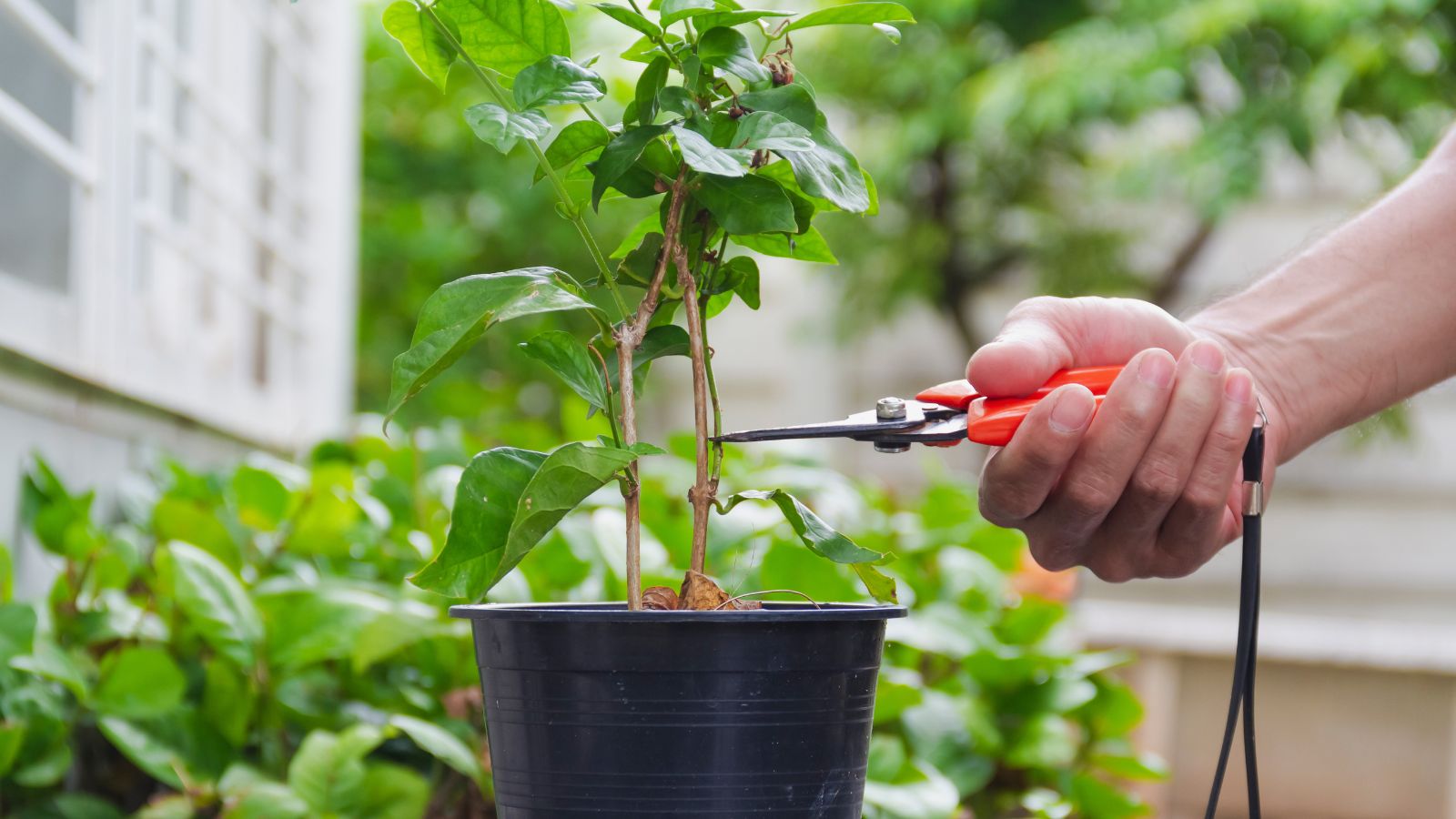
Once blooming ends and winter arrives, it is time for the main pruning. Trim away all dead or dying vines and remove any spent flowers. Use clean, sharp pruning shears to make precise cuts. Whenever possible, cut just above a node or bud to encourage new growth and future fragrant blooms.
If you are growing jasmine as a garden vine, this winter pruning will be your most thorough session of the year. During the growing season, you can tip-prune to encourage more flowering or lightly shape the plant to maintain its height.
Those growing Jasminum sambac as a shrub will need to prune more regularly. It grows quickly, and in Florida, it is classified as a class II exotic invasive because of its vigorous spread. To keep it from overtaking the garden, trim it back whenever it starts to exceed its space. Many gardeners maintain their jasmine shrubs at two to four feet tall, with five feet as the typical upper limit.
Propagation
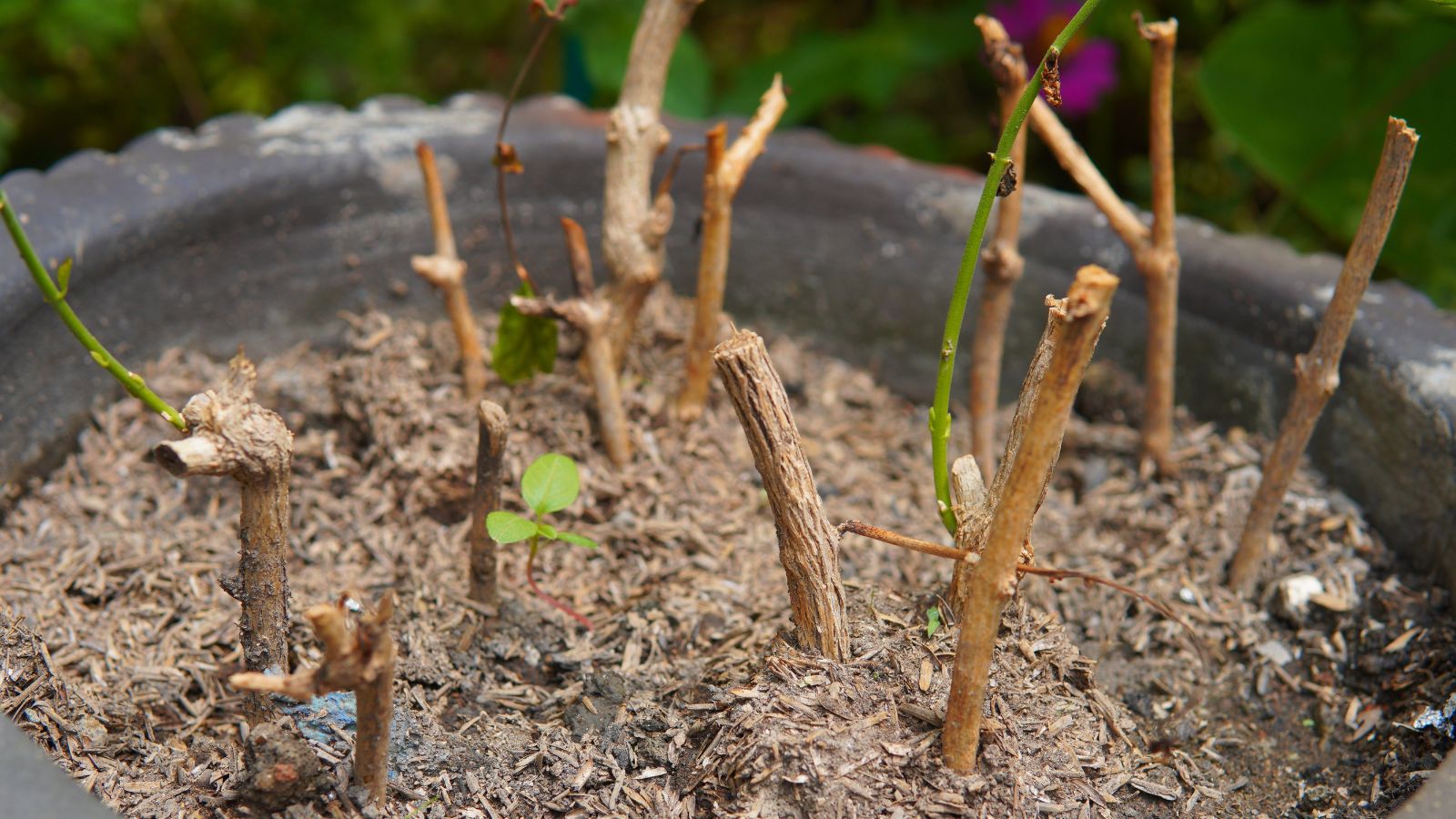
Jasmine plants are most often propagated from cuttings, and there are a few specifics to keep in mind for this species.
Arabian jasmine is a semi-hardwood plant. Older, fully hardened growth is not ideal for cuttings because it lacks the vigor needed to root well. For the best results, take cuttings from the previous season’s growth.
Make each cut just below a leaf node. Remove all but the top three leaves, and take off any buds or spent flowers. Dip the cutting in water, then in rooting hormone, and place it into prepared potting soil.
Have your materials ready beforehand and plant the cuttings immediately after taking them for the highest success rate.
Troubleshooting
Most jasmine issues don’t result from garden pests or diseases. They’re related to care.
Growing Problems
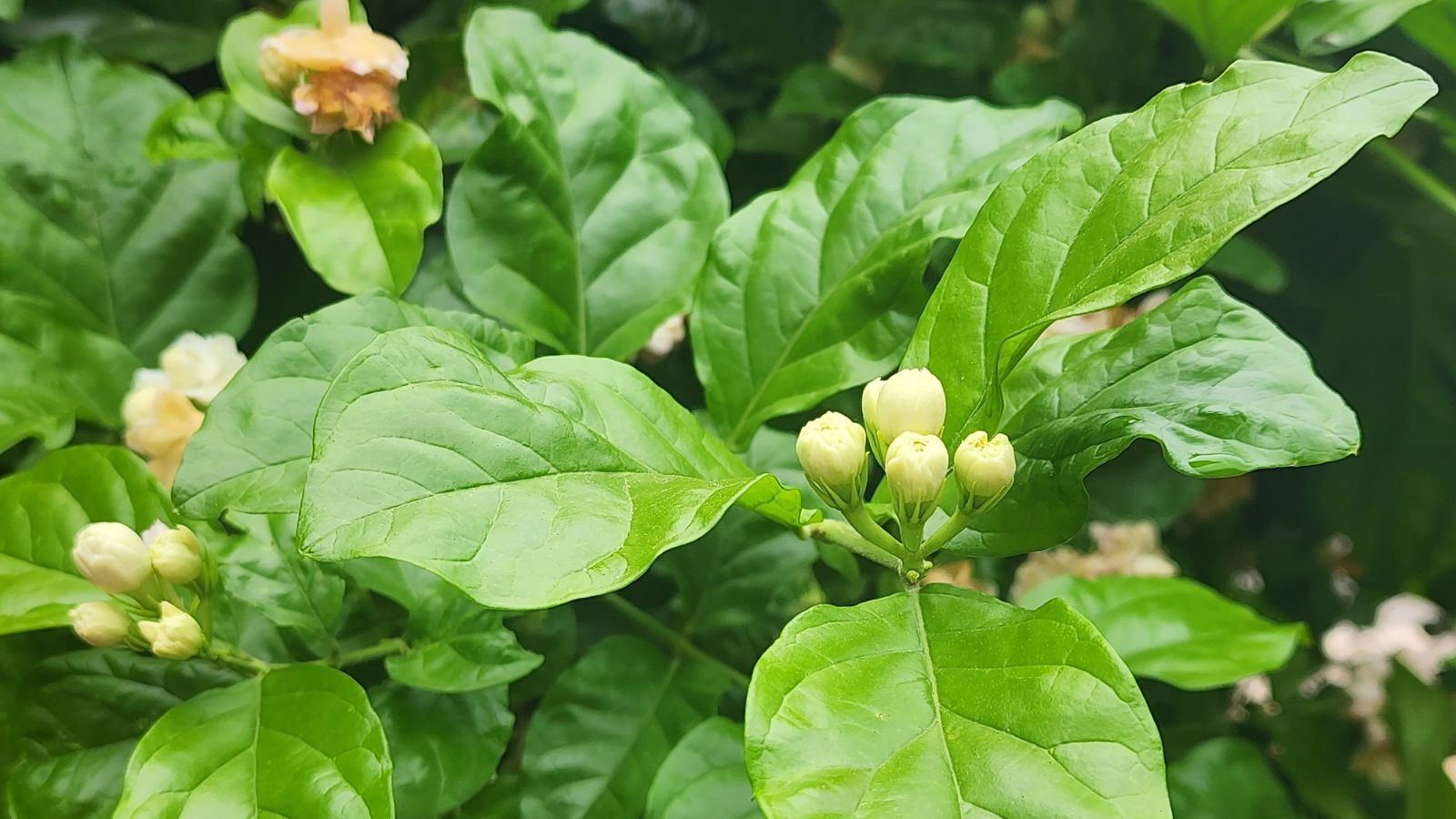
If your garden jasmine is not producing flowers, it is likely not receiving enough light. Move it to a brighter location to encourage blooming.
Yellow leaves can have several causes, but the most common is underwatering. Jasmine is not a drought-tolerant plant. It prefers consistent moisture and adequate humidity. Without enough water, it will droop and gradually turn yellow, so increase watering as needed.
However, too much water can cause the same symptom. If the soil is muddy or waterlogged, yellowing may indicate overwatering.
Nutrient issues can also lead to yellow leaves. Overfertilizing can burn the roots and cause discoloration, while underfertilizing can leave the plant lacking essential nutrients. Perform a soil test to determine nutrient levels. A professional test is most accurate, but a home kit can provide helpful guidance while you wait.

Pests

Three particular pests are common on the Arabian jasmine. All three are sucking pests:
- Aphids
- Spider mites
- Black scale insects (Saissetia oleae)
Click on the pest type to find more information about control methods for that specific pest!
Diseases

Leaf spot and root rot are the most common diseases affecting this plant. Prevent fungal root rot by avoiding excessive watering and ensuring the soil drains well. Water at the base of the plant rather than over the foliage to reduce the risk of leaf spot. If leaf spot develops, treat it with a biofungicide or a copper fungicide spray.
Frequently Asked Questions
Is Arabian jasmine safe around my pets?
Absolutely. Jasmine species are perfectly safe around pets and people.
When should I pick my jasmine flowers?
Right after they have fully bloomed. But be forewarned, they don’t last long. They stay white and fresh for about a day before they start to brown.
Is Arabian jasmine an indoor or outdoor plant?
Most jasmines are perfect indoor plants. Common jasmine, winter jasmine, and Arabian jasmine are some of the most common that are perfect for indoor growing.
Does Arabian jasmine need a trellis?
Arabian jasmine does best when it can climb a fence or trellis. If you’re growing it in a container, give it a lattice or small trellis to climb.





