Never Pay for Annuals Again: 11 Easy Flower Seeds to Collect in the Garden
Annuals can be pricey, and buying them every year is a significant investment. By collecting seeds from your garden, you can skip those costs altogether. Gardening expert Melissa Strauss fills you in on which great annuals are easy to collect from.


Contents
Every spring, gardeners flock to the nursery in search of beautiful, colorful annuals. Annuals have many benefits in the garden. Their fast growth and long flowering season mean that they do their job quickly and efficiently.
Many annual flowers are fantastic pollinator food, and come in a diverse range of colors and forms. They’re nice for containers and garden beds and are easy to clean up at the end of the season. Many even make stunning cut flowers.
Unfortunately, they do pose a significant expense every year. Fortunately, it’s easy to collect seeds from many of your favorite flowering annuals. This has quite a few benefits; money savings isn’t the only one!
By collecting seeds from your plants, you can preserve your favorites and choose the strongest plants to harvest from. Open-pollinated plants are ideal for pollinators, as they help maintain a diverse plant population.
Collecting seeds reduces waste, as it reduces the need for disposable nursery pots and seed packets. It creates the wonderful feeling of completing the lifecycle in your garden, as well. Let’s look at some great annuals that are easy to collect seeds from.

Kilimanjaro White African Marigold

Kilimanjaro White African Marigold Seeds

Zinnias


|
botanical name Zinnia elegans |
|---|---|

|
sun requirements Full sun |

|
height 1’-5’ |

|
hardiness zones 2-11 |
Zinnias are such a joy to grow. They are big and bold annuals that offer variety in the garden. They’re easy to grow and have excellent pollinator value. Their nectar-rich blooms also make great cut flowers. When you discover a plant that produces truly spectacular flowers, these annual seeds are easy to collect.
Allow a couple of flowers to remain on the plant; don’t deadhead them entirely. Wait until the petals shrivel or fall off, and the flower head is completely brown and dry.
Snap or cut the dried seed heads off and separate the arrow-shaped seeds from the chaff. Dry them in a well-ventilated spot for about a week before storing them.

Marigolds

|
|
botanical name Tagetes spp. |
|---|---|
|
|
sun requirements Full sun |
|
|
height 6”-4’ |
|
|
hardiness zones 2-11 |
Marigolds are beautiful, low-maintenance annuals that are great to collect seeds from. In fact, marigolds grown from seeds will grow larger and stronger than those transplanted. This covers both French and African marigold species.
As summer begins to fade into fall, allow some flowers to remain on your marigold plants. Let these turn completely brown with shriveled or no petals at all.
Pinch off a dry, brown seed head and pull apart the base. The small, slender, dark seeds are easy to separate. Dry them for a week before storing. You can store them for up to four years!
Cosmos

|
|
botanical name Cosmos spp. |
|---|---|
|
|
sun requirements Full sun |
|
|
height 1’-6’ |
|
|
hardiness zones 2-11 |
Cosmos are such pretty little annuals. Their feathery and fernlike foliage adds airy texture to your flower beds. They also make excellent cut flowers. Be careful when watering these, though. Only water at the base, as they are prone to powdery mildew.
Cosmos are great self-seeders, but you can collect the annual seeds if you want to be more specific about where they grow. Allow the seed heads to turn brown and spiky before collecting the long, slender, dark brown seeds. Select your seeds from the strongest and most floriferous plants.
Sunflowers

|
|
botanical name Helianthus annuus |
|---|---|
|
|
sun requirements Full sun |
|
|
height Up to 20’+ |
|
|
hardiness zones 2-11 |
Sunflowers are one of my favorite annuals. They perform excellently in the heat of my zone 9 summers. It’s easy to collect and save these annual seeds for next year, as long as you can protect them from birds and small animals. Everyone loves to eat sunflower seeds!
Wait until the back of the flower head turns brown before cutting. The seeds should be plump. Cut a bit of the stem with the head and hang it to dry. Give it a week or two to dry completely.
Use your hand or a stiff brush to rub the seeds loose. Let them dry for a few more days before storing them.
Calendula

|
|
botanical name Calendula officinalis |
|---|---|
|
|
sun requirements Full sun |
|
|
height 1’-2’ |
|
|
hardiness zones 9-11 |
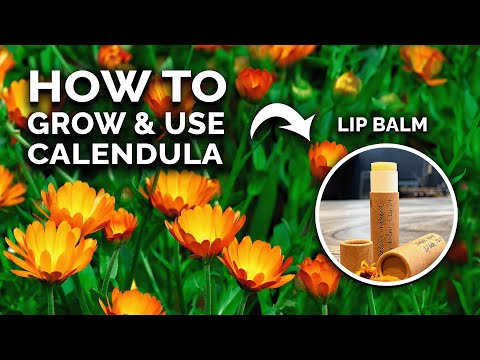
Calendula is a delightful, cool-weather annual flower that grows excellently from seeds. The large, interestingly shaped annual seeds are also easy to collect.
Simply leave a few flower heads intact when your calendula plants begin to fade. They will swell as the seeds ripen, and the pod will grow plump.
Wait until the petals fall, then allow the heads to dry for as long as possible. Snip them off and break them open. The curvy seeds should be brown and hard, and come away easily. Let them dry for a few days indoors before storing them in a cool spot. They last up to three years in storage.
Nasturtiums

|
|
botanical name Tropaeolum spp. |
|---|---|
|
|
sun requirements Full sun to partial shade |
|
|
height 1’-10’ |
|
|
hardiness zones 10-12 |
Nasturtiums produce large, distinctive seeds that are easy to identify and collect. If you’re not careful, they can easily self-seed, and you’ll have them popping up all over next season. They grow in clusters of up to three, and are round, green, and wrinkled. They resemble a dried-out pea.
Wait until the seeds turn light brown or drop to the ground. You may have to gather them from the ground as they drop them as soon as they’re ripe. Dry these for a week, maybe two, depending on the moisture level in your home. Store them in a breathable container for up to five years.
Love-in-a-Mist

|
|
botanical name Nigella damascena |
|---|---|
|
|
sun requirements Full sun |
|
|
height 1’-2’ |
|
|
hardiness zones 2-11 |
It’s simple and satisfying to collect the seeds produced by this annual. Love-in-a-mist produces unique and distinctive pods that are easy to harvest. After the flowers fall, balloon-like pods grow in their place. Allow these to dry and turn brown and papery.
Snip the pods off or snap them off by hand. You may be able to hear the seeds rattle around inside. Place them in a paper bag to dry for a few days before cracking them open. Shake out the seeds and store them in a cool, dry spot for up to three years.
Sweet Peas

|
|
botanical name Lathyrus odoratus |
|---|---|
|
|
sun requirements Full sun |
|
|
height Up to 10’ |
|
|
hardiness zones 2-10 |
I love sweet peas for their delightful fragrance. And they make splendid cut flowers. After flowering, these annuals form pods that resemble other pea pods, but don’t eat them. They are quite poisonous. Allow the pods to dry on the plant, and begin to split open.
Once the pods are dry, brown, and beginning to open, snip them off. Open them by hand and remove the small round seeds. They should be brown and hard. Allow them to air dry before storing them. You can store the annual seeds you collect for two to three years.
Bachelor’s Button

|
|
botanical name Centaurea cyanus |
|---|---|
|
|
sun requirements Full sun |
|
|
height 1’-3’ |
|
|
hardiness zones 2-11 |
This annual produces a bounty of seeds that are simple to collect. Bachelor’s buttons are lovely, cool-weather-loving annuals with flowers that are typically blue, but can come in other shades.
After the flowers fade, they form cone-shaped heads in the center. Wait until these turn completely brown and dry before removing them.
Once they are dry, snip off the pods and harvest the seeds. They are narrow, light gray or tan, and slightly fuzzy. Separate them from the chaff, and allow them to dry for several days to a week. You can store these for up to three years. They are great self-sowers, so try leaving a few pods intact and allowing them to grow naturally.
Cockscomb

|
|
botanical name Celosia argentea var. cristata |
|---|---|
|
|
sun requirements Full sun |
|
|
height 6”-4’ |
|
|
hardiness zones 2-11 |
Cockscomb is related to amaranth, and similarly, this annual produces an abundance of seeds. Their velvety flowers will turn brown and go to seed if you leave them intact. These are great self-sowers. Wait until the flower heads are dry and brown before you collect the annual seeds.
Cut the flower heads and hold them over a bowl while you gently crumble them. The seeds are tiny and black, like ground pepper grains. Sift them from the chaff and allow them to dry for several days before storing them for up to five years.
Hyacinth Bean

|
|
botanical name Lablab purpureus |
|---|---|
|
|
sun requirements Full sun |
|
|
height Up to 20’ |
|
|
hardiness zones 2-11 |
Hyacinth bean is a fun, flowering, annual vine that grows quite quickly in hot weather. It’s drought-tolerant and has gorgeous purple leaves and fragrant flowers. After the flowers fall, they’re replaced with rich, purple pods that resemble snap peas.
Allow the pods to dry on the plant. You’ll be able to hear the seeds rattling around inside when they are ready to collect.
Split open the pods and harvest the large, hard seeds. This plant self-sows readily, so expect to see some volunteers each year. If you don’t like where they appear, simply pull them out.