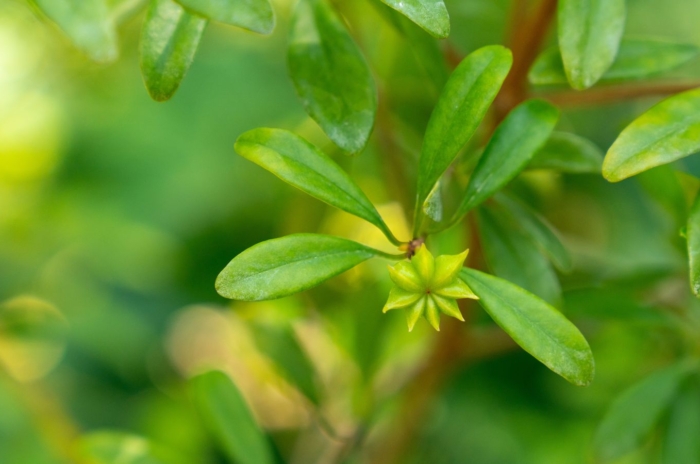
How to Plant, Grow, and Care for Anise
The anise plant produces aniseed, tasty seeds with a hint of licorice-like flavor. Growing this herb at home keeps you stocked up! In this guide, you'll learn everything you need to know about growing and harvesting this tasty plant.

Contents
Believe it or not, anise is both a spice and an herb. One of the most ancient cultivated plants, anise has been valued for thousands of years for its flavor, fragrance, and medicinal properties.
Evidence of anise cultivation dates back more than 4000 years to ancient Egypt, where its popularity quickly spread north into Europe, leaving an anise-flavored legacy wherever it was grown. Although it is not related to the licorice plant, anise has a very similar taste and aroma. Botanically, anise is known as Pimpinella anisum.
Anise is a key ingredient used to flavor several well-known spirits, including Ouzo in Greece and Cyprus, Pastis and Pernod in France, and Sambuca in Italy. It is also commonly used in cakes and breads. The medicinal benefits of anise have been recognized for thousands of years and include aiding digestion, reducing flatulence, relieving coughs and sore throats, easing nausea, and even supporting childbirth.
When anise reached England in the 14th century, demand was so high for its use as a spice, medicine, and perfume that King Edward I taxed it to help fund repairs to London Bridge.
Today, growing anise remains popular not only for its pungent aniseed flavor but also for its delicate white flowers, which add beauty to the garden. Read on to learn how to grow this fascinating herb at home.


Quick Care Guide

|
Scientific Name
Pimpinella anisum
Days to Harvest
120 days
Light
Full sun
Water
Regularly when young. Less frequently once established.
|
Soil
Sandy loam
Fertilizer
Light mulch, nitrogen-rich liquid fertilizer
Pests
Aphids
Diseases
Powdery mildew
|
All About The Anise Plant
Anise, botanically known as Pimpinella anisum, belongs to the carrot family Apiaceae, along with parsnip, celery, coriander, and fennel. It is also commonly called aniseed, a name derived from the seed for which the plant is primarily grown and valued for its essential oil. Anise is native to the eastern Mediterranean, particularly Egypt, Turkey, and Greece.
Anise is one of those flavors people tend to either love or hate. It has a strong, highly aromatic, sweet aniseed flavor similar to licorice, with very little subtlety. While anise is mainly grown for its seeds, the leaves and roots are also edible and can be used fresh in salads or cooked into stews, curries, and casseroles to add a mild aniseed note.
Characteristics
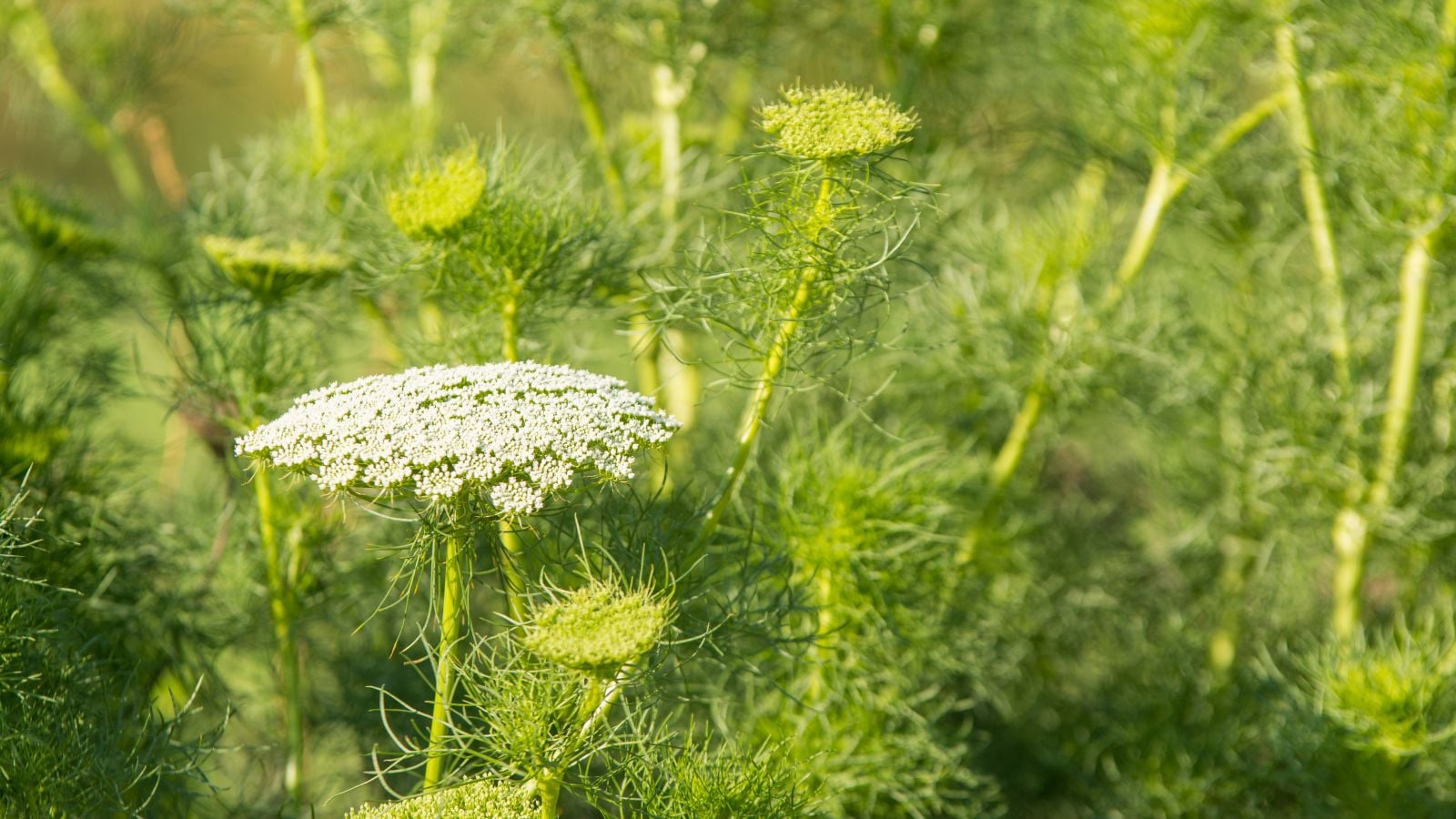
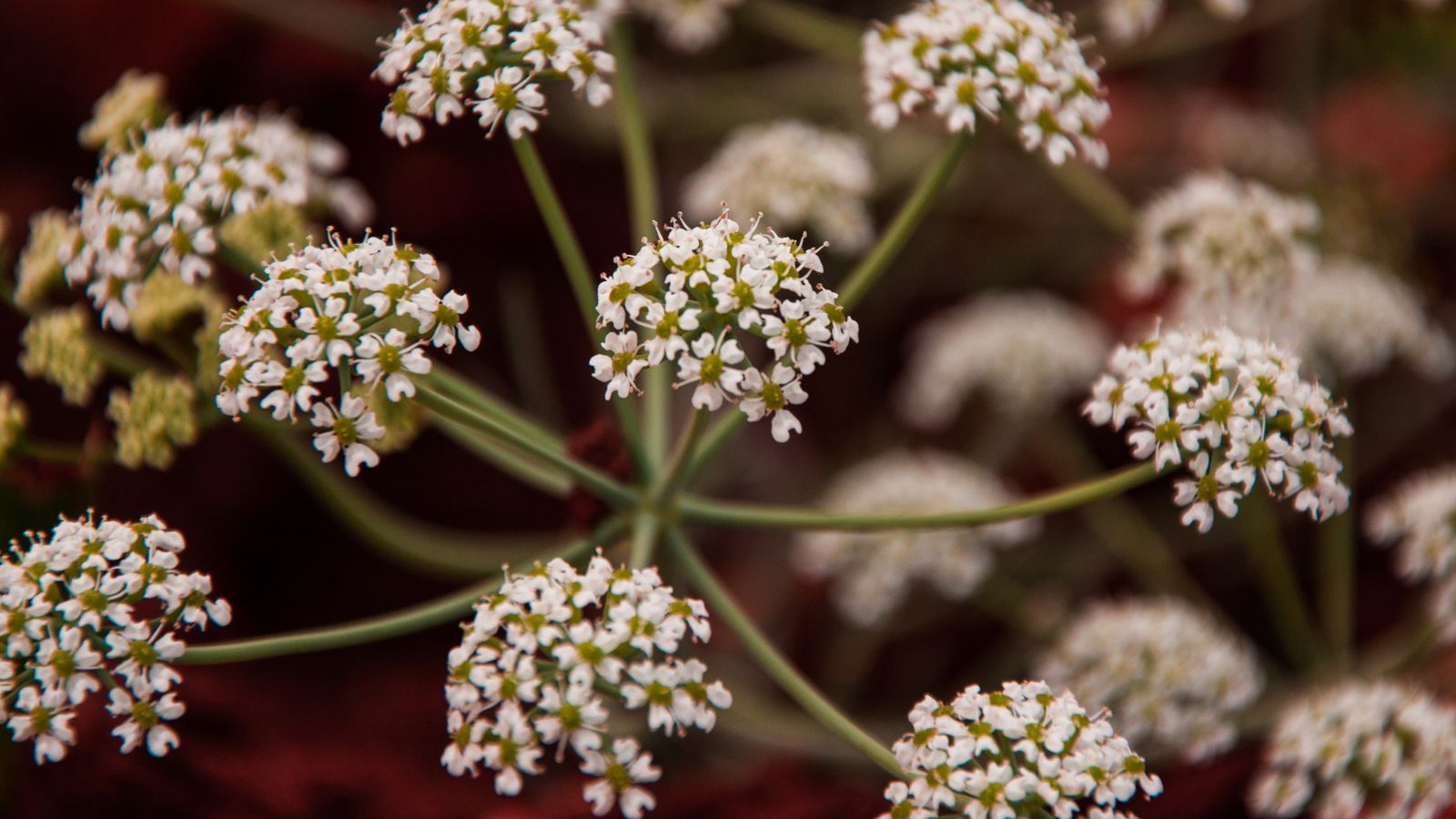
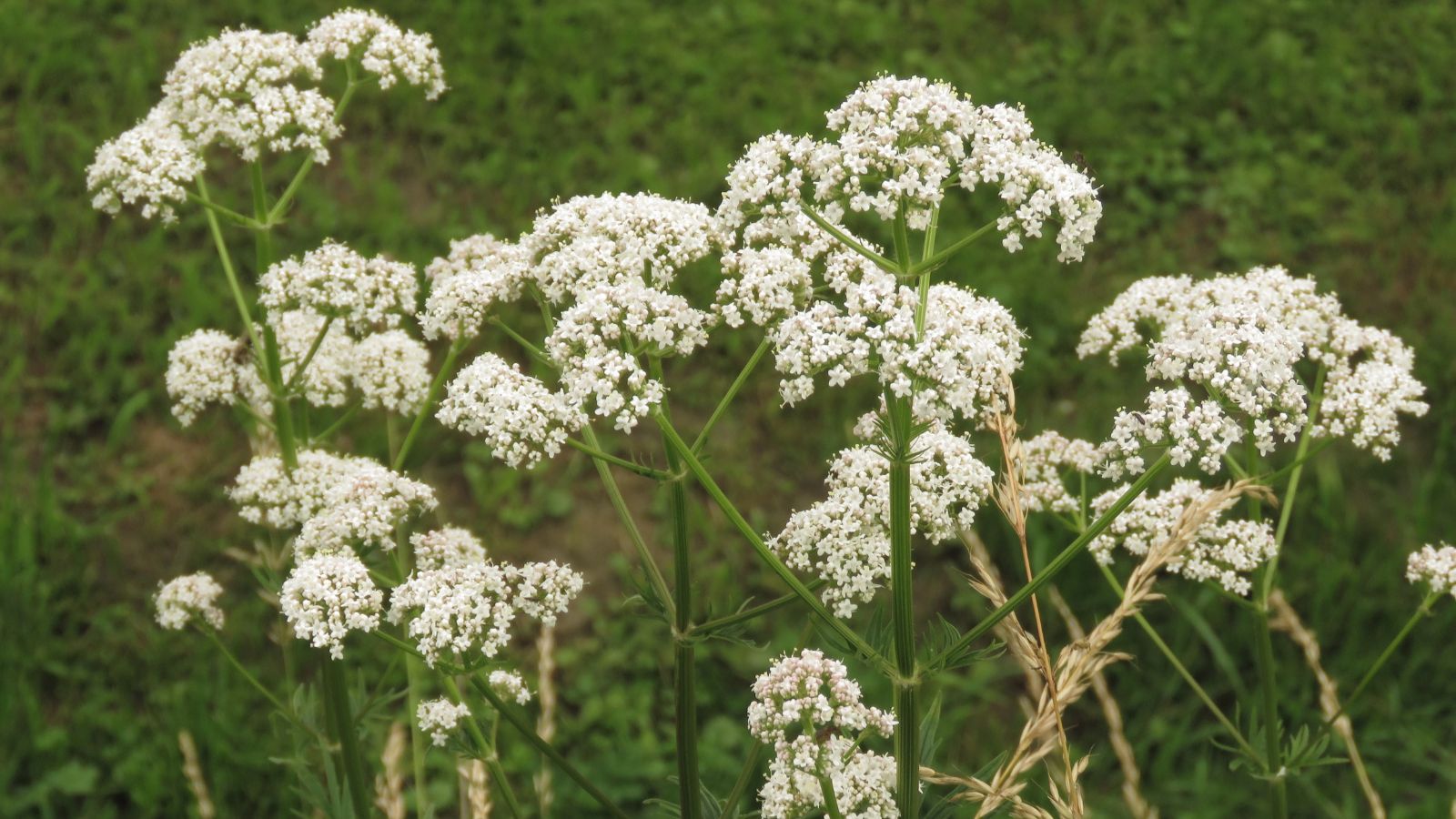
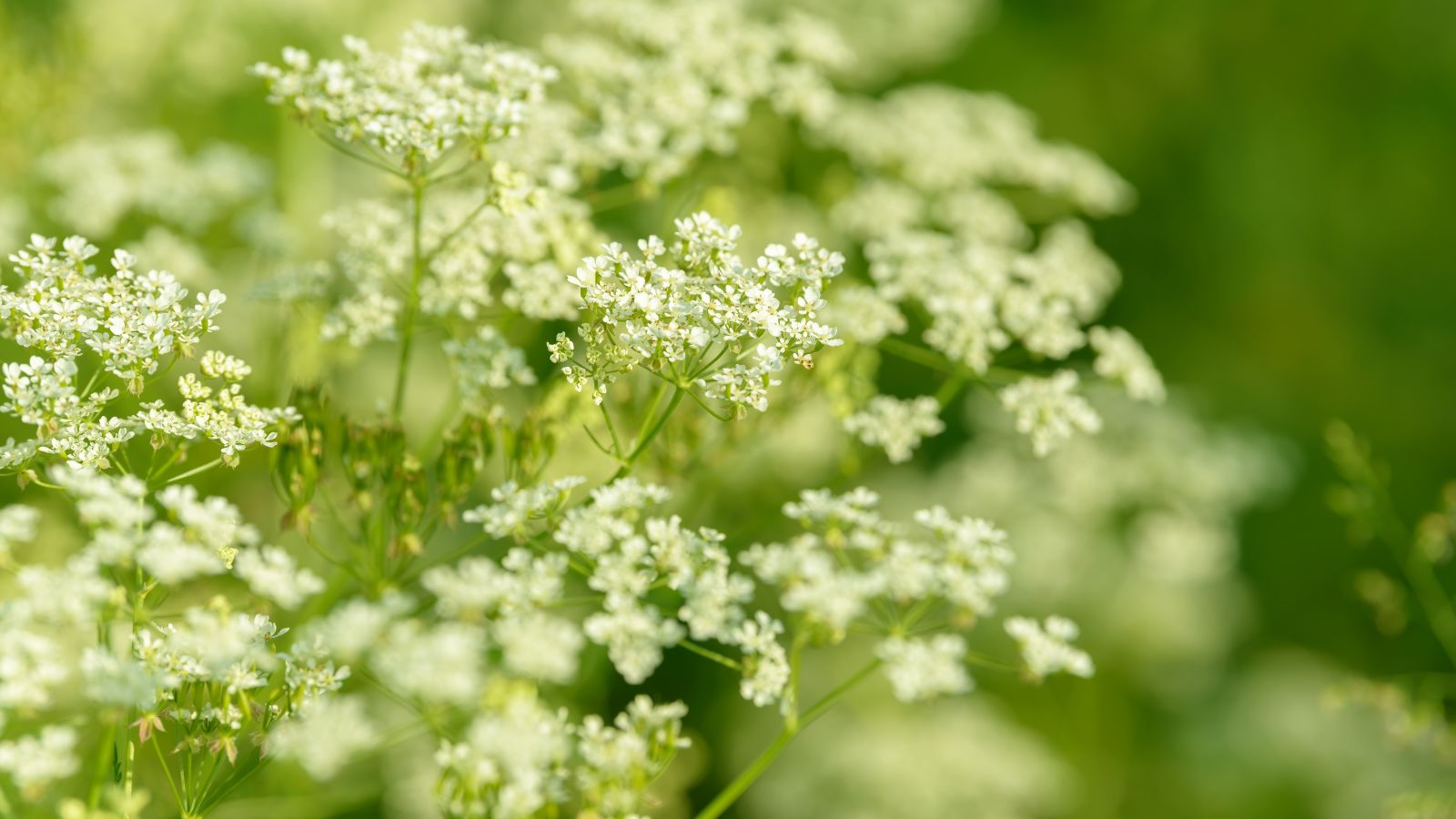
Depending on growing conditions, anise reaches one and a half to three feet tall (45 to 90 cm). Young leaves are long, green, and slightly lobed, but as the plant matures they become finely pinnate with a feathery appearance similar to fennel. Anise flowers appear from mid to late summer in densely packed umbels made up of small white flowers about ¼ inch across (3 mm). Entire umbels can grow six to seven inches in diameter (15 to 17 cm).
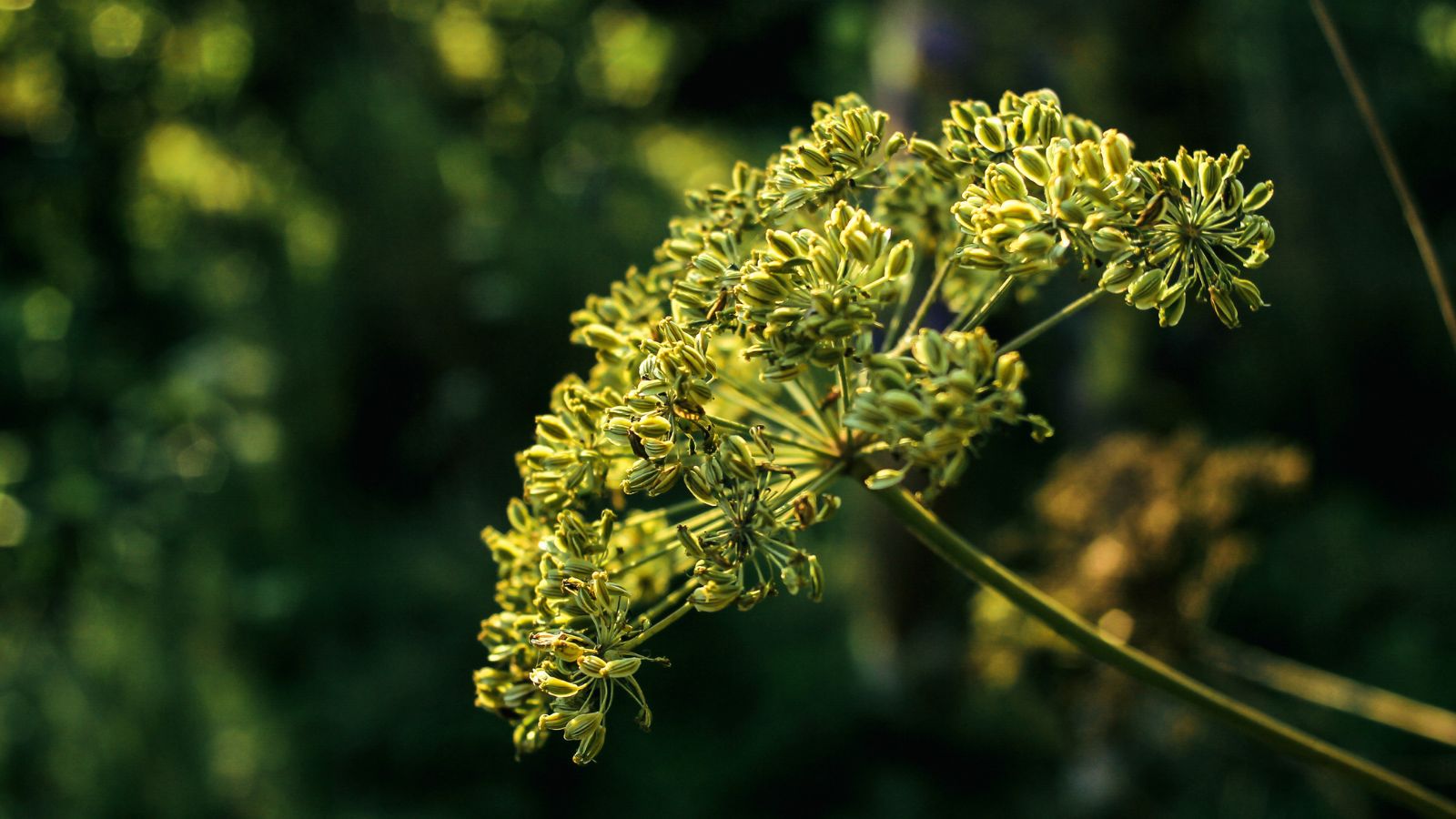
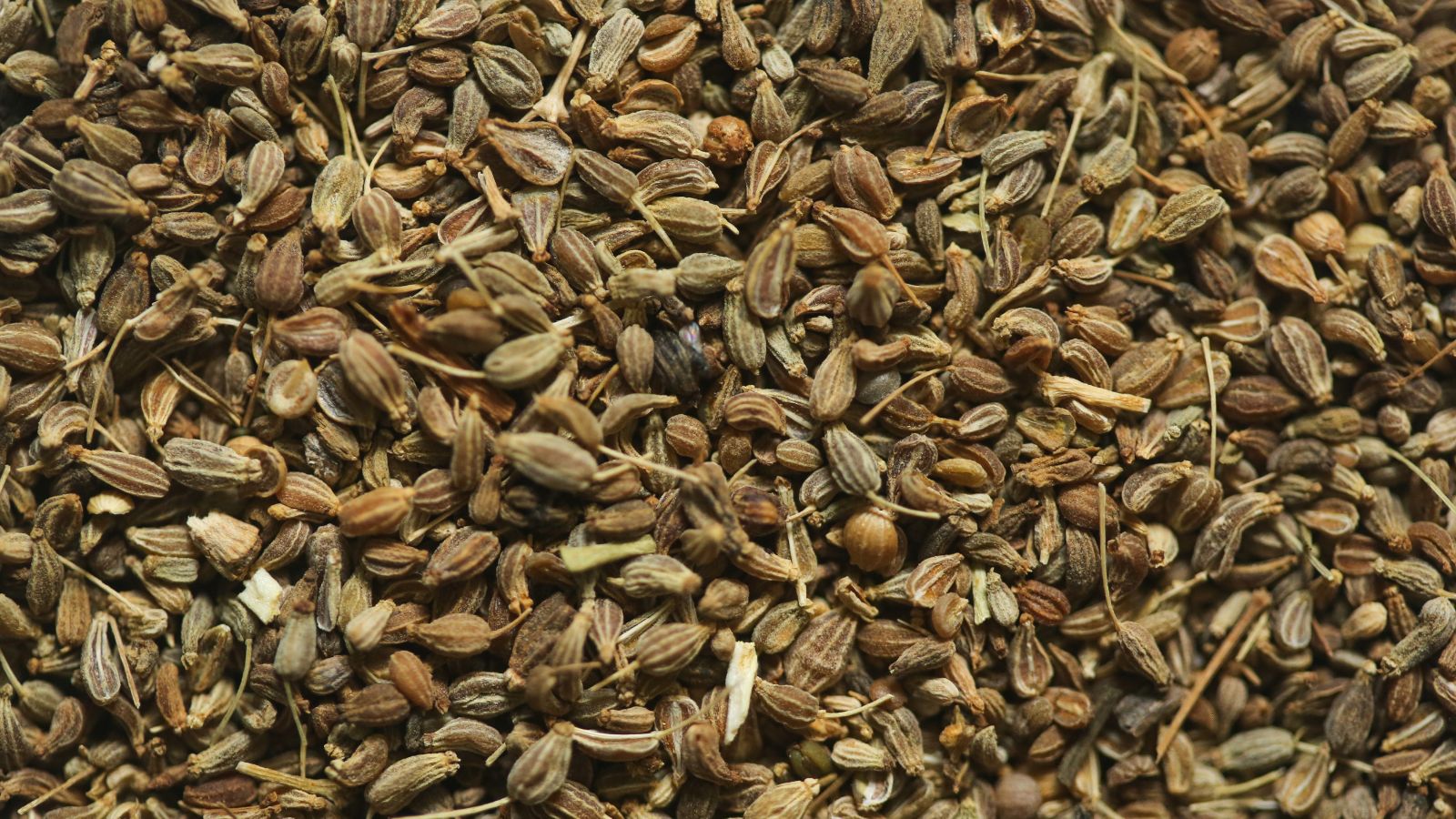
Seed heads develop from late summer into early autumn, forming multiple seed pods known as schizocarps, each containing long brown seeds that are released once fully ripe. After the seed heads are harvested, the remaining foliage dies back and typically does not survive winter, making anise a half-hardy annual.
Pimpinella anisum is not invasive, but it is often confused with its close relative fennel, Foeniculum vulgare, which has become a nuisance in many regions where it grows wild. Anise grows well in containers and, unlike fennel, which is allelopathic and inhibits the growth of nearby plants, anise can enhance the growth of companions such as beans and coriander, making it a friendly addition to mixed plantings in the garden.
Planting
Start sowing anise as early as possible to ensure there are enough warm, frost-free days for seeds to ripen in time for harvest. Like most members of the carrot family, anise develops a taproot and does not transplant well.
For best results, sow anise directly into prepared drills in spring after the last frost date. Thin seedlings to six to eight inches apart, with one and a half feet (45 cm) between rows. Keep the area well watered and weed-free until plants are established.
Seeds can also be started indoors in early spring, six to eight weeks before the last frost. Sow seeds directly into large peat or coir pots or pellets to reduce transplant shock and minimize root disturbance when planting out. Anise seeds typically germinate in 10 to 12 days at 68°F (20°C). Seedlings should be hardened off gradually over about a week to acclimatize them to outdoor conditions. Plant them into their final positions once there is no longer any risk of frost.
Anise is a delicate plant that can become top-heavy once seed heads form and may need support. Plant anise in a sheltered position in full sun, protected from strong, cold winds. When growing anise in containers, choose a large, deep, heavy pot that can accommodate the taproot and remain stable in windy conditions.
How to Grow
Caring for anise is pretty straightforward. Follow our tips below, and you won’t go wrong.
Light
Grow anise in full sun with a minimum of six hours of direct sunlight per day. In warmer climates, plants benefit from some shade during the hottest part of the day to prevent the delicate, feathery leaves and stems from becoming stressed or scorched.
Water

Young anise plants require frequent watering until they are established. Keep the soil moist but never wet. Mature plants perform better in drier, well-drained soil, so allow the soil to dry out slightly between watering sessions.
Check container-grown plants regularly, as they dry out more quickly and will need more frequent watering. Water at soil level in the morning using a watering can or a timed soaker hose. On very hot days, anise may benefit from an additional afternoon watering, especially if the plant shows signs of heat stress.
Soil

Anise is not a fussy plant when it comes to soil and can tolerate relatively poor conditions. For best results, choose a well drained soil such as a light, sandy loam. In terms of pH, anise grows well in soils ranging from slightly acidic at pH 6.5 to alkaline at pH 8.
Temperature

Grow anise in USDA zones 4 to 9 with temperatures ranging from 47 to 76°F (8 to 23°C). The ideal growing temperature for anise is between 65 and 70°F (18 to 21°C). Very high temperatures can cause foliage to wilt and dry out, while low temperatures and frost will prevent seeds from ripening and can ultimately kill the plant. Container grown anise can be moved indoors during colder weather.
Fertilizing

Fertilizer is not always necessary unless anise is growing in extremely poor soil and plants begin to show signs of decline. A good organic mulch acts as a soil conditioner, adding nutrients while helping the soil retain moisture. You can also give plants a nitrogen rich liquid feed or a quality seaweed feed at the start of the season when you plant anise outdoors.
Pruning
Anise does not require regular pruning to maintain its shape or encourage growth. At the end of the growing season, harvest the seed heads by cutting the stems back to ground level. This also helps prevent the plants from self-seeding.
Propagation
Anise can be propagated from seed either indoors or by direct sowing outdoors.
Outdoors, anise does not transplant well due to its taproot. For best results, sow anise seeds in spring once all risk of frost has passed. Sow seeds directly into prepared drills ½ inch deep, with rows spaced one and a half feet apart (45 cm). Space seeds about one inch apart, cover lightly with soil, and water well. Germination outdoors can take up to 14 days. Once seedlings emerge, thin them to six to eight inches apart and keep the area well watered and weed free until plants are established.
Indoors, start seeds in spring a few weeks before the last frost date, sowing directly into large peat or coir pots or pellets. This helps reduce transplant shock and prevents root damage when planting out. Alternatively, sow one or two anise seeds into tall plastic pots that are three to four inches deep (9 to 10 cm), remove the weaker seedling, and plant out or pot on as soon as roots are visible through the drainage holes. Seeds typically germinate in 10 to 12 days at 68°F (20°C).
Before planting outdoors, harden off seedlings gradually over about a week by placing them outside in a sunny, sheltered spot during the day and bringing them indoors at night. Plant anise seedlings into their final positions once all risk of frost has passed.
Harvesting
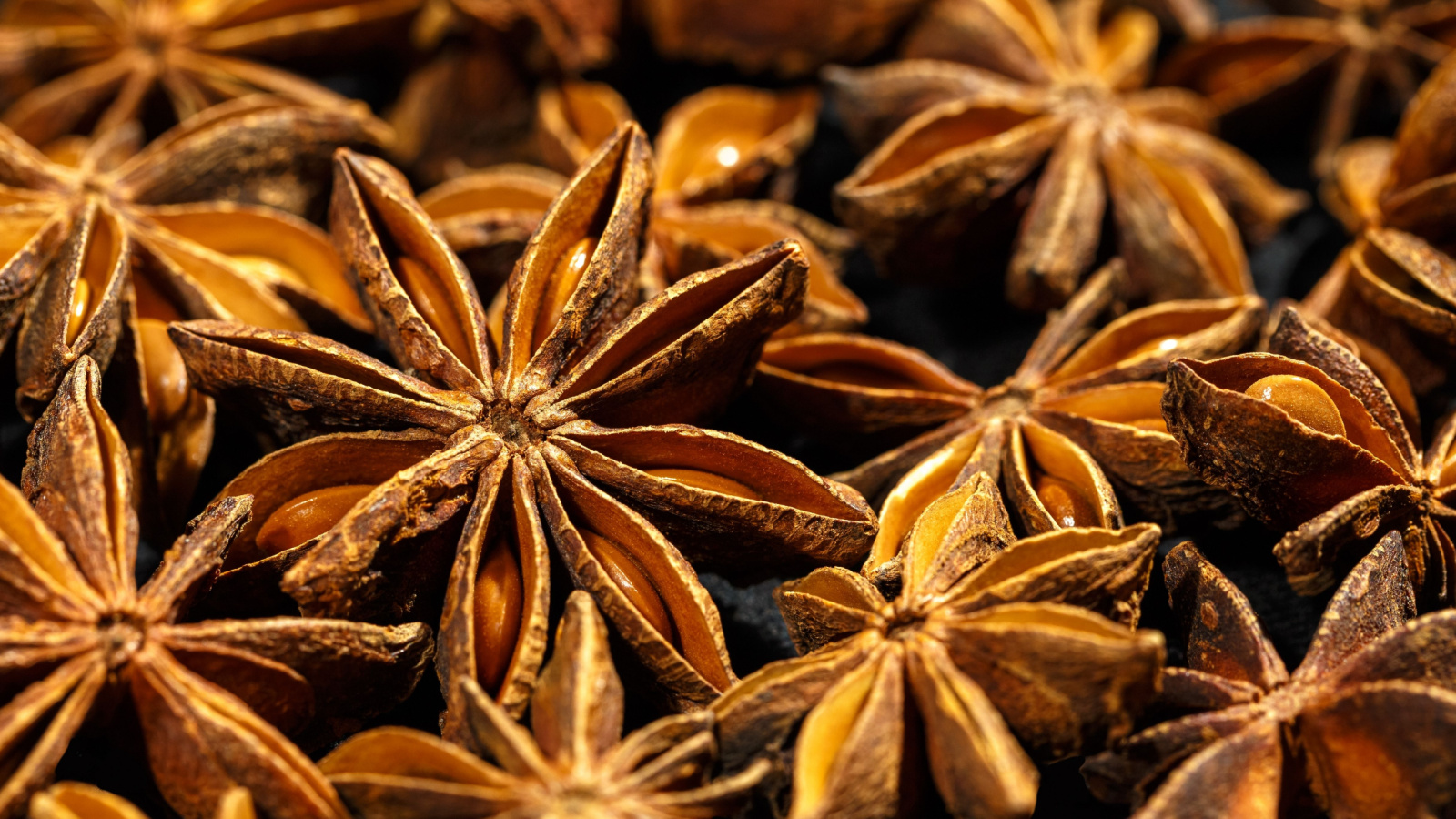
Anise requires 120 days of frost-free weather to reach maturity and for seeds to be ready for harvest and storage.
Anise leaves can be harvested once the plant begins to develop its small white flowers. Harvesting too heavily from young plants may stunt growth, so cut only what you need and take care not to damage stems that support developing seed heads.
Seed production requires a warm, dry growing season for seeds to fully ripen. This usually happens in late summer to early autumn, once the seed pods have turned brown. In cooler climates, entire seed heads can be cut back and brought indoors, where seeds can continue to ripen and dry thoroughly before storage.
Storing
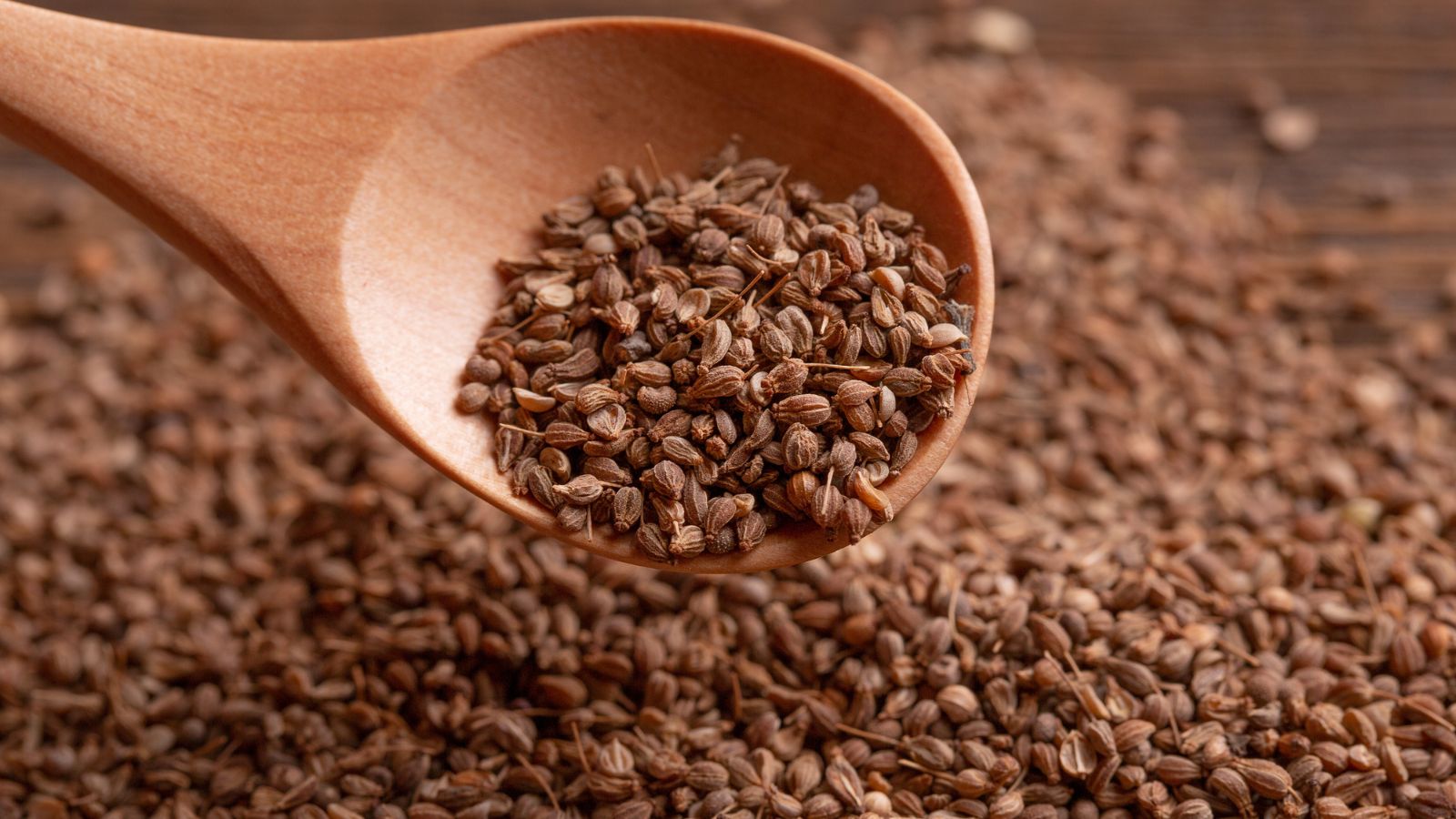
Freshly picked leaves are best used right away, but they will keep for a few days in the refrigerator if wrapped in a damp kitchen towel. Harvested seed heads should be placed in paper bags and stored in a warm, dry location to allow the seeds to fully ripen. Once dried, anise seeds can be stored in an airtight container for one to two years.
Troubleshooting
Like most herbs, growing anise is easy. But just in case, here are a few problems to look out for.
Growing Problems
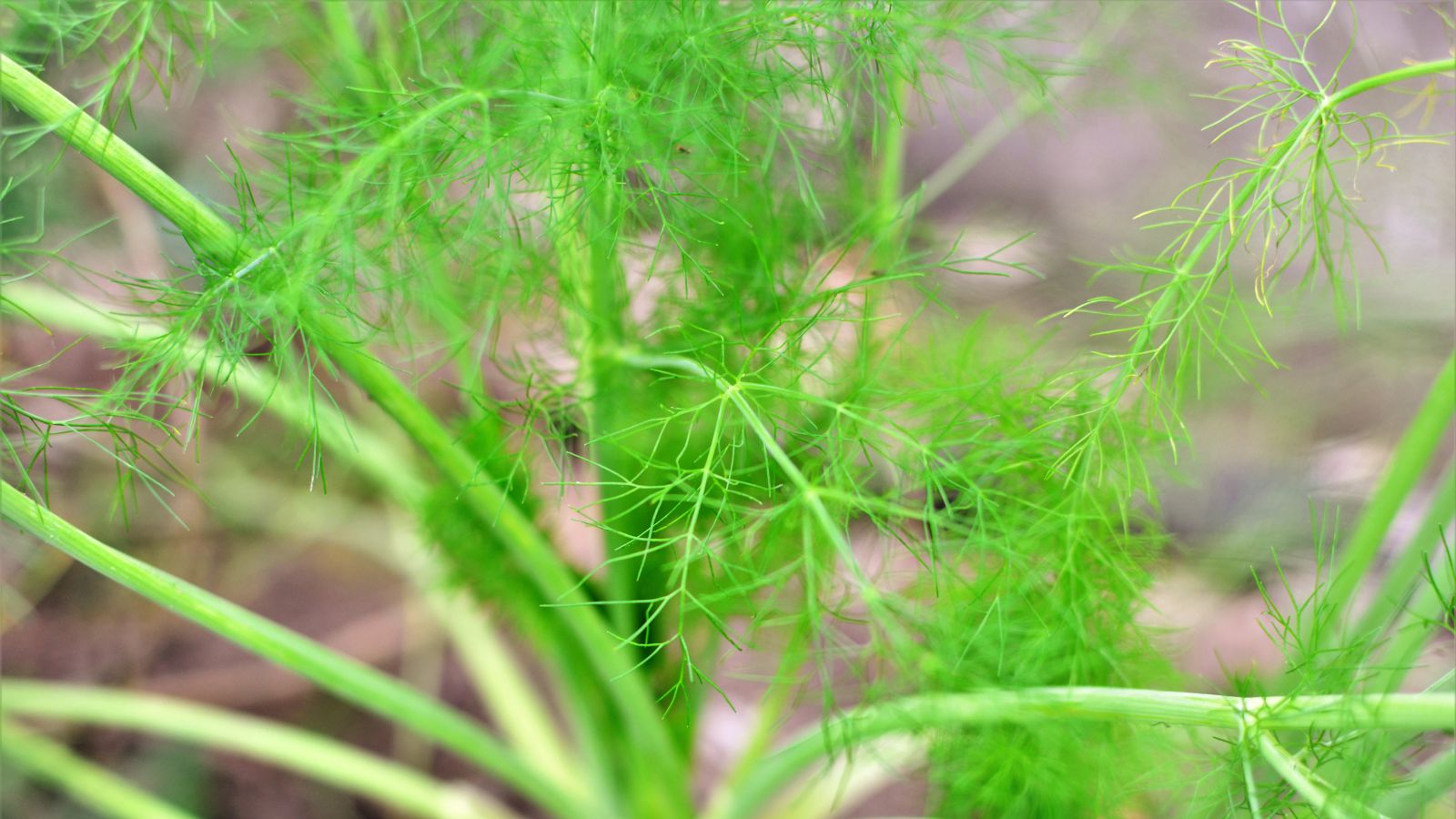
The main problems encountered when growing anise are related to its delicate nature. The fine leaves can be damaged by extremes of cold and heat, so provide shade during the hottest part of the day and avoid planting out until all risk of frost has passed.
Weak stems often need support to carry the weight of developing seed heads. Avoid planting anise in exposed areas of the garden, as plants can easily be blown over by the wind. Finally, anise does not tolerate wet roots, so allow the soil to dry out between watering sessions.
Pests

Aphids, Aphidoidea, are small, sticky insects that may be yellow, green, or black and feed on the sap of tender new growth on anise plants. For biological control, grow companion plants such as coriander to attract beneficial insects that prey on aphids, including ladybug larvae, lacewings, and hoverflies.
You can also manage infestations by spraying plants with organic insecticidal soap or neem oil. Squashing aphids by hand or using a strong blast of water can also help reduce their numbers.
Diseases

Anise is susceptible to powdery mildew when grown in humid, shaded conditions. Powdery mildew appears as a thick, dusty coating on leaves, which inhibits photosynthesis and slows growth. Over time, affected foliage turns yellow and dies.
Maintain good garden hygiene by removing infected leaves promptly to prevent the disease from spreading and recurring in future seasons. Ensure plants receive adequate sunlight and good air circulation. Treat affected plants with an organic fungicide such as sulfur or potassium bicarbonate, applying it preventatively or at the first sign of disease.
Frequently Asked Questions
What is the benefit of anise?
Anise has many medicinal benefits. It is said to aid digestion, relieve nausea, and ease sore throats and coughs as well as being used to add aniseed flavor to food.
Is anise plant edible?
All parts of the anise plant are edible from the root, leaves, and seeds. Each element is used in different ways to flavor food and drink or to use in medicine and essential oil.
What is the herb anise used for?
The green leaves from the anise plant can be used in salads or added to stews, soups, casseroles, and curries. It’s best to add leaves towards the end of cooking to add a subtle aniseed flavor. Or you can simply eat the herb leaves directly to freshen your breath.