Growing an Alfalfa Cover Crop: The Complete Guide
An alfalfa cover crop can gradually build your soil's nitrogen level through tilling or chop-and-drop. It's a great way to improve soil quality in your garden between seasons. In this complete guide, we cover how this process works!

Contents
You’ve probably struggled with the soil in at least one of your garden beds before. Maybe you’ve tried incorporating fancy soil blends or loosening the ground by hand, only to see little improvement. One effective way to improve soil health in a garden bed is by introducing an alfalfa cover crop.
Sowing an annual cover crop has many benefits. Including this practice in your yearly garden plan helps set you up for success in the next growing season, especially since you’ll be starting with soil that is richer, looser, and better structured.
So what exactly is alfalfa? What does cover cropping mean, and why choose alfalfa over other cover crops? Read on to find out. Your next seed purchase might just be a winter cover crop.


What Are Cover Crops?

To begin, let’s talk about the basics of cover crop agriculture. Seed is sown to cover bare soil, and the organic material produced is later returned to the ground, improving both soil structure and the soil’s underlying biology. By adding this steady supply of organic matter, you also improve moisture retention, which helps garden beds stay evenly hydrated for longer periods.
At the same time, cover crops help prevent weeds by filling space that would otherwise be taken over by opportunistic plants. Instead of constantly fighting weeds, you decide what grows there. It’s a practical, low-effort way to protect and improve your soil.
Some aspects of cover cropping overlap with companion planting techniques as well. A cover crop can be intercropped between rows of vegetables to loosen the soil, suppress weeds, and prepare those spaces for future planting. This approach keeps beds productive even when they are not fully planted.
Overall, cover cropping supports long-term soil health and stabilizes future yields by feeding the land in a way that is difficult to replicate with amendments alone. Today, cover crop seeds are typically broadcast over areas that need improvement or protection from erosion and weed pressure, making it an accessible and effective tool for home gardeners.
Types of Cover Crop
There are four different types of cover to consider. Each has its proper use and function. Consider these before you get to planting.
Grasses
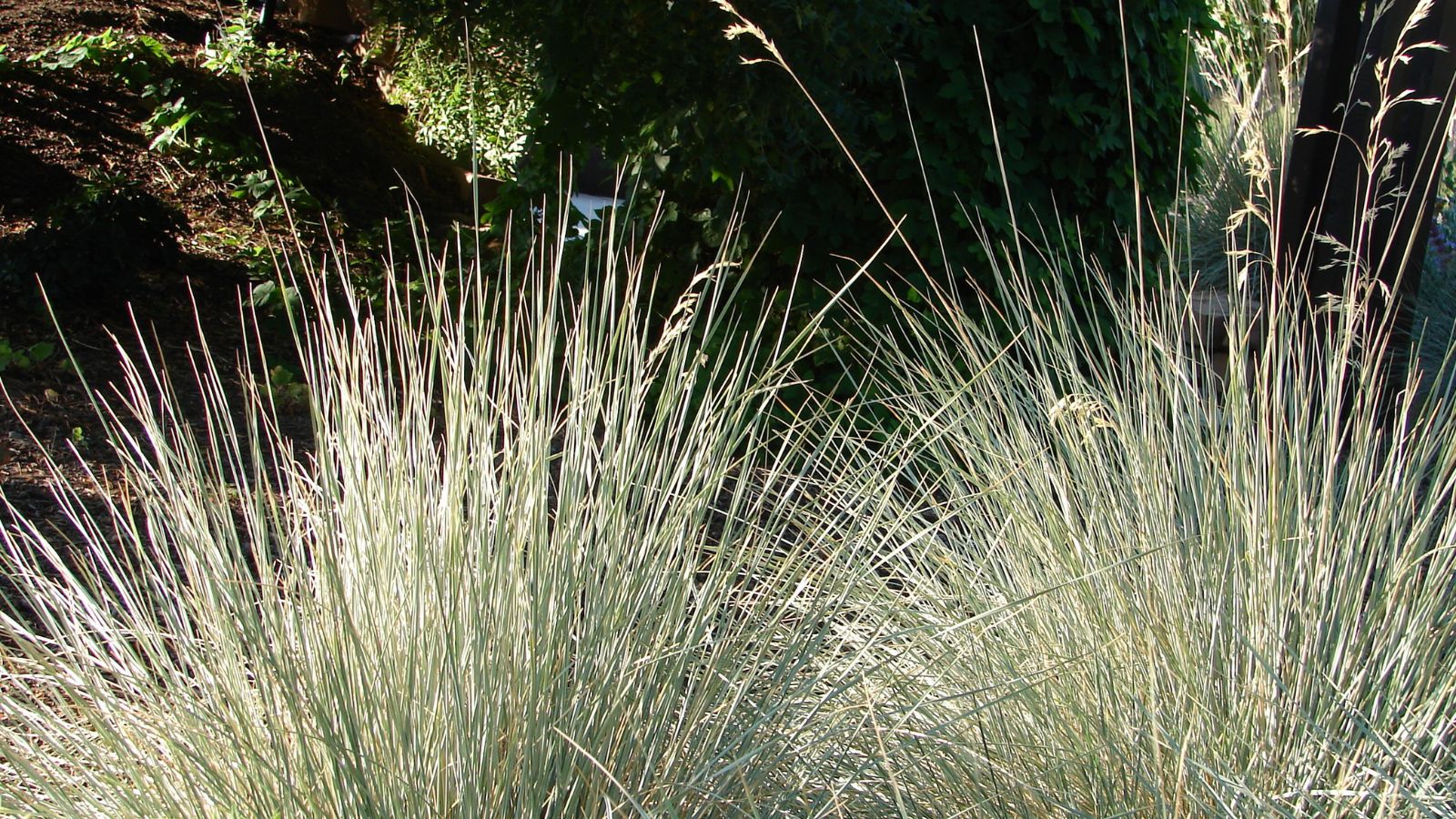
Firstly, there are grasses, which are great to plant when you want to scavenge leftover nutrition from a previous crop. We’re talking wheat, ryegrass, and barley.
When you chop them to the ground and till them in, the high carbon content in the plant lingers while the nitrogen is released into the soil. With all cover crops, there will be a period of breakdown required before the nutrients are plant-available.
Legumes
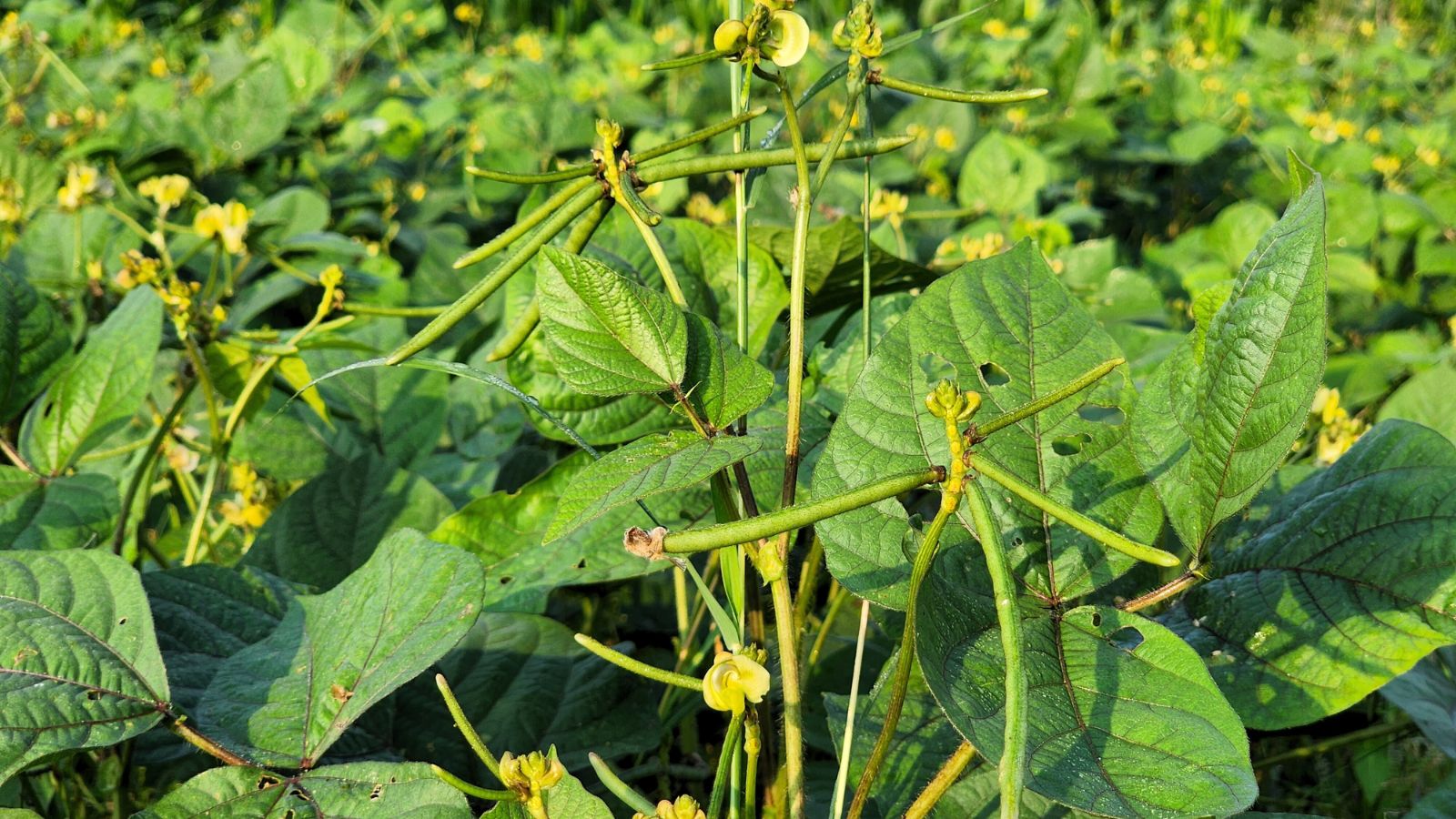
There are legumes planted to fix nitrogen in the soil, which may be a better choice if you want a garden that guarantees strong root growth. Legumes like clover and vetch break down faster than grasses and help with erosion control.
Often, people will plant legumes with grasses to offer a dual purpose to their cover cropping practice.
Brassicas

Brassicas make a great edible cover crop. They produce a generous amount of biomass, which helps protect garden soil in fall. They also contain natural compounds that contribute to pest suppression in the soil. That said, brassicas are often planted alongside other cover crops because while they are beneficial, they are not as powerful on their own as some alternatives.
If you grow root-type brassicas such as radishes, they offer an added bonus by loosening compacted soil as they grow.
Broadleaf Plants

Non-legume broadleaf plants are similar to brassicas in that they grow quickly in fall and produce plenty of biomass to protect and improve garden soil. Spinach is an excellent choice for fall cover cropping because it can survive winter in many climates.
These plants also help scavenge leftover nutrients from the previous season’s crops, keeping them from leaching away and making them available again when the soil is turned over or replanted.
Benefits of Cover Cropping

Here’s a list of the benefits a cover crop can bring to a garden or farm.
- They prevent soil erosion. By sowing grains and grasses, you’ll have a firmer soil structure that can withstand rain and hold its structure more easily.
- They manage soil fertility. By plowing a broadcast crop under before it can go to seed, you give your garden a great source of green manure that can be broken down slowly.
- They help you maintain soil health over time. As the crop breaks down, the fertility of the soil continues to improve. This involves not only higher nitrogen-fixing content, but also better relationships with mycorrhizal fungi, which are necessary for healthy soil.
- They manage water runoff. This relates directly to the soil erosion piece we discussed above. Because the soil is more structurally sound, it and the crop’s roots can store and absorb more moisture, preventing soil runoff.
- They keep out weeds. Because they are densely broadcast, there’s no room for weeds to emerge.
- They reduce disease spread. Diseases can come from a bad soil source, insects, or from neighboring gardens and farms. Some covers suppress disease cycles and may be particularly effective against fungal diseases. Many of these crops contain elements that are toxic to certain fungi and nematodes, too.
- They manage pests. You can grow covers as trap crops to keep pesky insects out of other parts of your garden.
- They benefit wildlife. Cover crops attract birds, bees, and other animals that can help support pollination in your garden. Higher pollination rates and higher rates of birds in a garden mean fewer pests, better production, and higher yield.
What is Alfalfa?

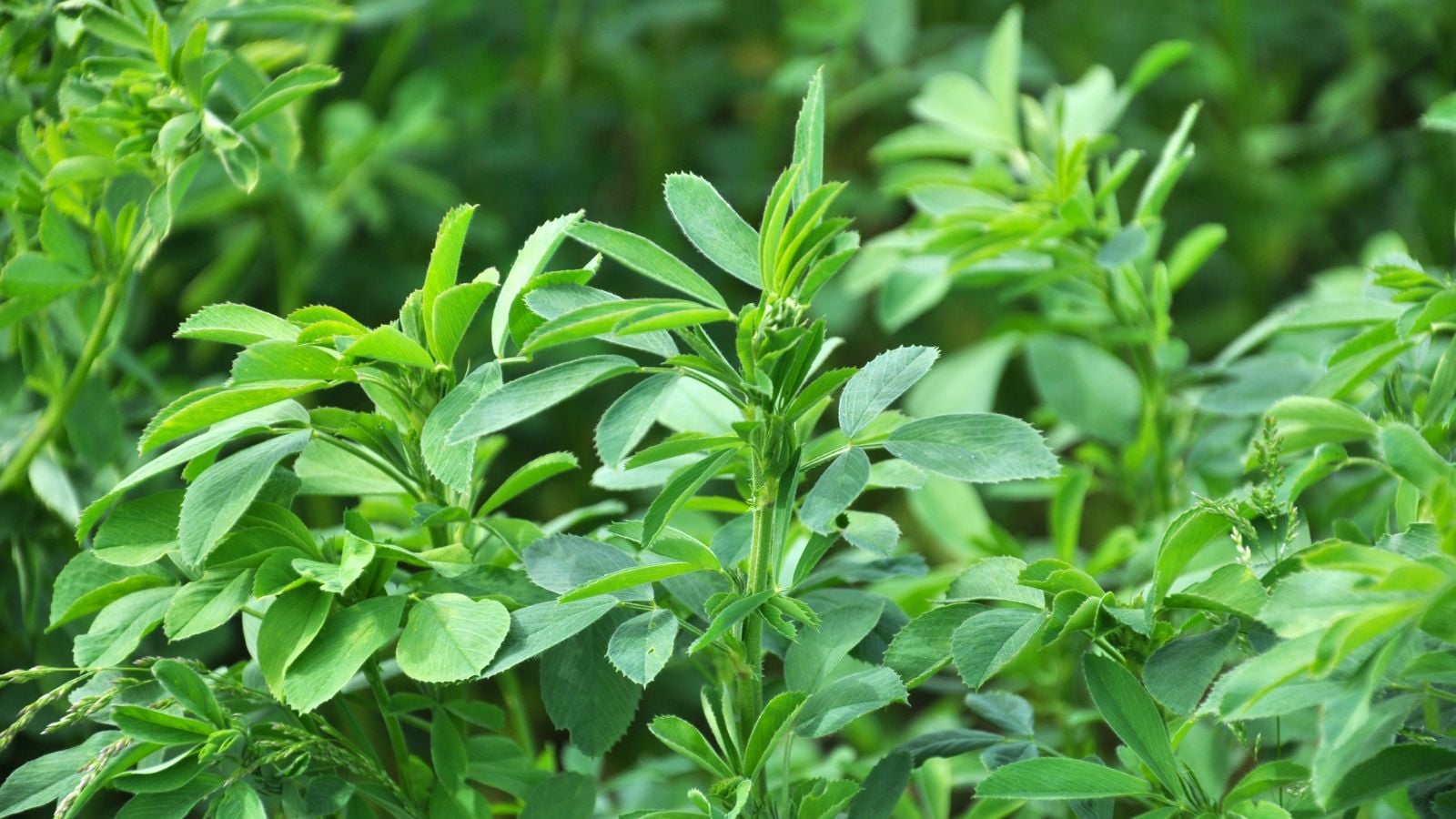
Alfalfa (Medicago sativa) is a perennial in the pea family. Also known as lucerne, it is used as a forage crop all over the world. Alfalfa is grown to feed farm animals or used as green manure. It’s a popular animal feed, and when dried and ground, it becomes a nitrogen-dense fertilizer. It can also be chopped and dropped on the soil surface and used like a straw mulch.
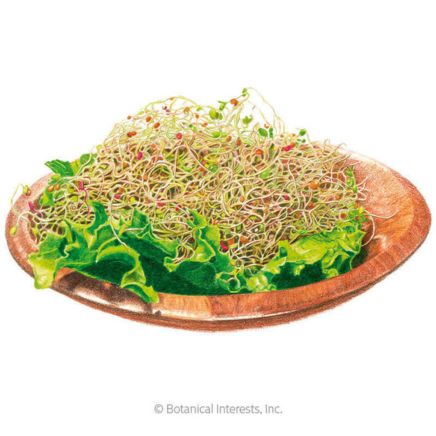
Alfalfa has a long history, originating in Iran and eventually making its way into modern diets. Alfalfa sprouts are widely used in food today and are valued for their high protein content.
In the garden, alfalfa is often grown as an annual cover crop because of the many benefits it brings to soil health. Medicago sativa produces abundant organic matter that has consistently been shown to improve soil structure and fertility.
Planting alfalfa is simple and accessible, which adds to its appeal. Beyond its value as a cover crop, it is also a versatile food source for both humans and animals. If allowed to grow beyond the sprouting stage, alfalfa seedlings can be cut and used as livestock feed, reducing the need to purchase wheat straw or alfalfa hay from a feed store.
Alfalfa Cover Crop Pros
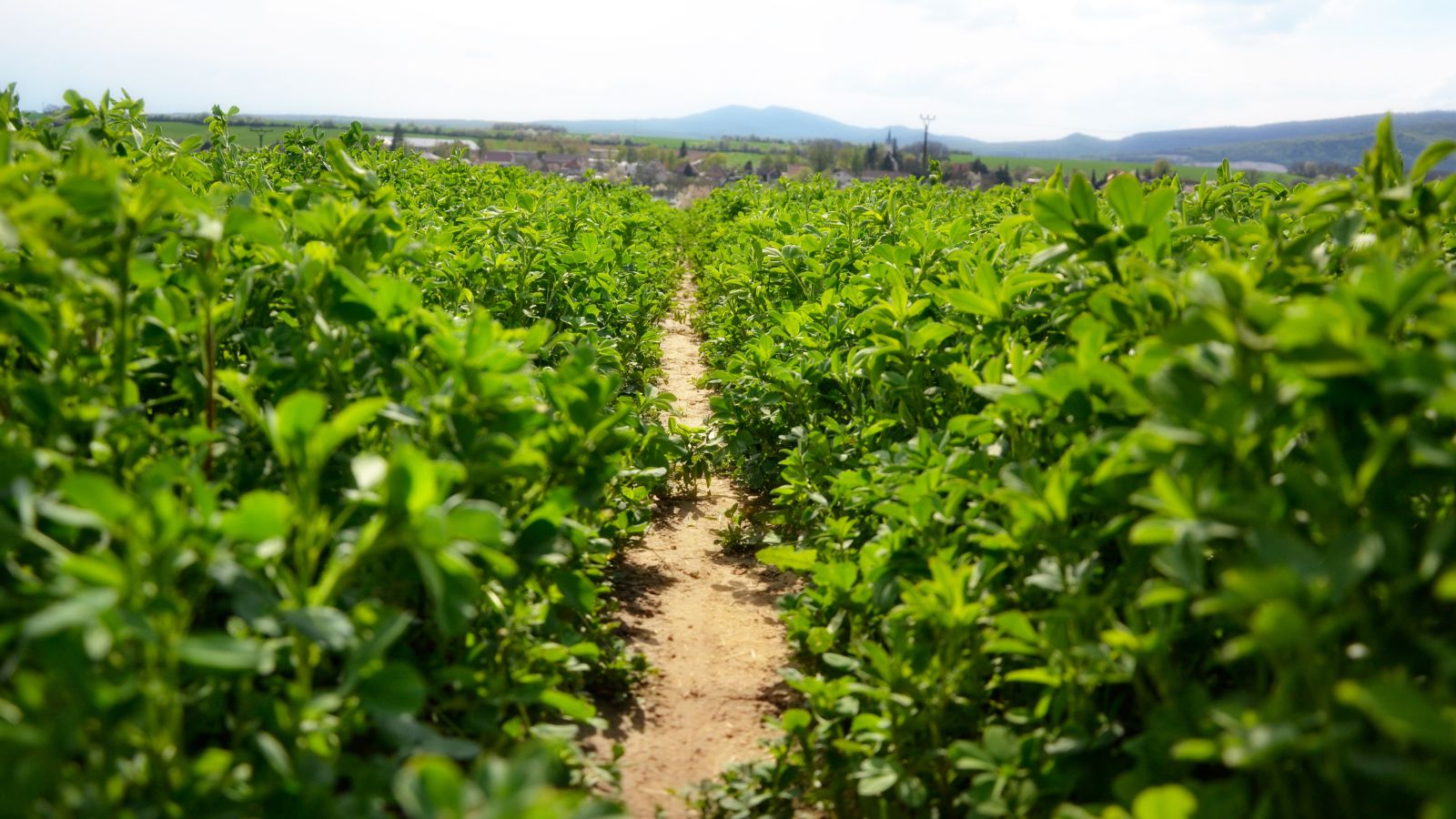
An alfalfa crop combines many of the benefits you get from different types of cover crops. Alfalfa plants develop long lateral roots that penetrate compacted ground and naturally loosen the soil.
Plant alfalfa in garden areas where you want to fix nitrogen and generate green manure to keep nutrients cycling through the soil. Medicago sativa improves soil structure, increases water retention, and suppresses weeds as it grows.
Beneficial predatory insects are especially drawn to alfalfa, helping control pest populations in nearby garden beds. Pollinators benefit as well. When alfalfa flowers, leafcutter bees readily visit for nectar, along with many other native bees and pollinating insects.
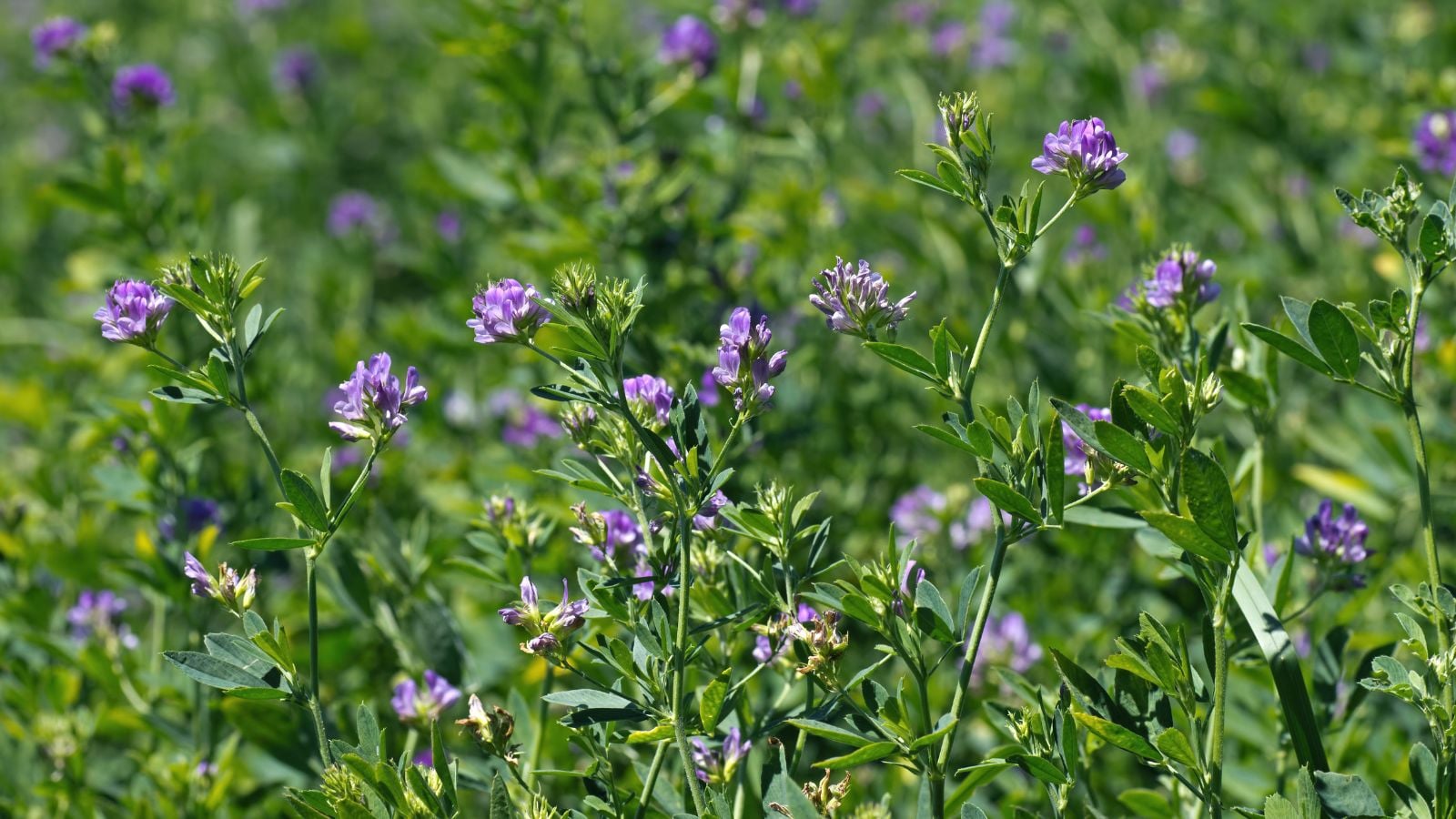
Beyond its ecological value, alfalfa is attractive in bloom, producing soft purple flowers. If you cut it back at the right time, it becomes an excellent ongoing source of organic nutrition. If you choose not to till it in, alfalfa still works beautifully as a chop-and-drop mulch, continuing to protect and enrich the soil.
Alfalfa Cover Crop Cons
There are just a couple of things to consider with alfalfa. Let’s talk about two important points.
Timing
The first thing to consider when planting alfalfa is timing. In regions with very cold winters, avoid sowing seed in late autumn. Seeds need enough time to germinate and establish so the plants can adequately cover the soil before temperatures drop too low.
For colder regions, planting alfalfa earlier in the season works best. In warmer climates, late fall planting is often ideal, as seedlings can establish and survive, or at least protect the soil, through winter. Even if the plants die back during colder months, this simply speeds up decomposition and adds organic matter to the soil.
The key is ensuring there is enough growth early on to suppress weeds and protect the soil surface before winter sets in.
Self-Seeding

Another issue with crops like wheat, alfalfa, and other perennial plants used for soil building is timing the harvest correctly. If they are not cut at the right stage, they will go to seed. Once that happens, the seeds spread and germinate, and new seedlings send long lateral roots deep into the soil. Over time, this can prematurely exhaust soil nutrients rather than build them.
To prevent unwanted germination, cut alfalfa before it sets seed. You can harvest it for use elsewhere or chop it and use it as mulch directly on the soil surface. Harvest timing is key here, and the specifics of when and how to harvest will be covered in the next section.
How to Plant an Alfalfa Cover Crop
Here are a few essential growing tips for planting alfalfa. Whether you’re looking to loosen compacted soil, grow alfalfa for forage, or feed livestock, this covers the basics alfalfa growers need to know.
Growing Requirements
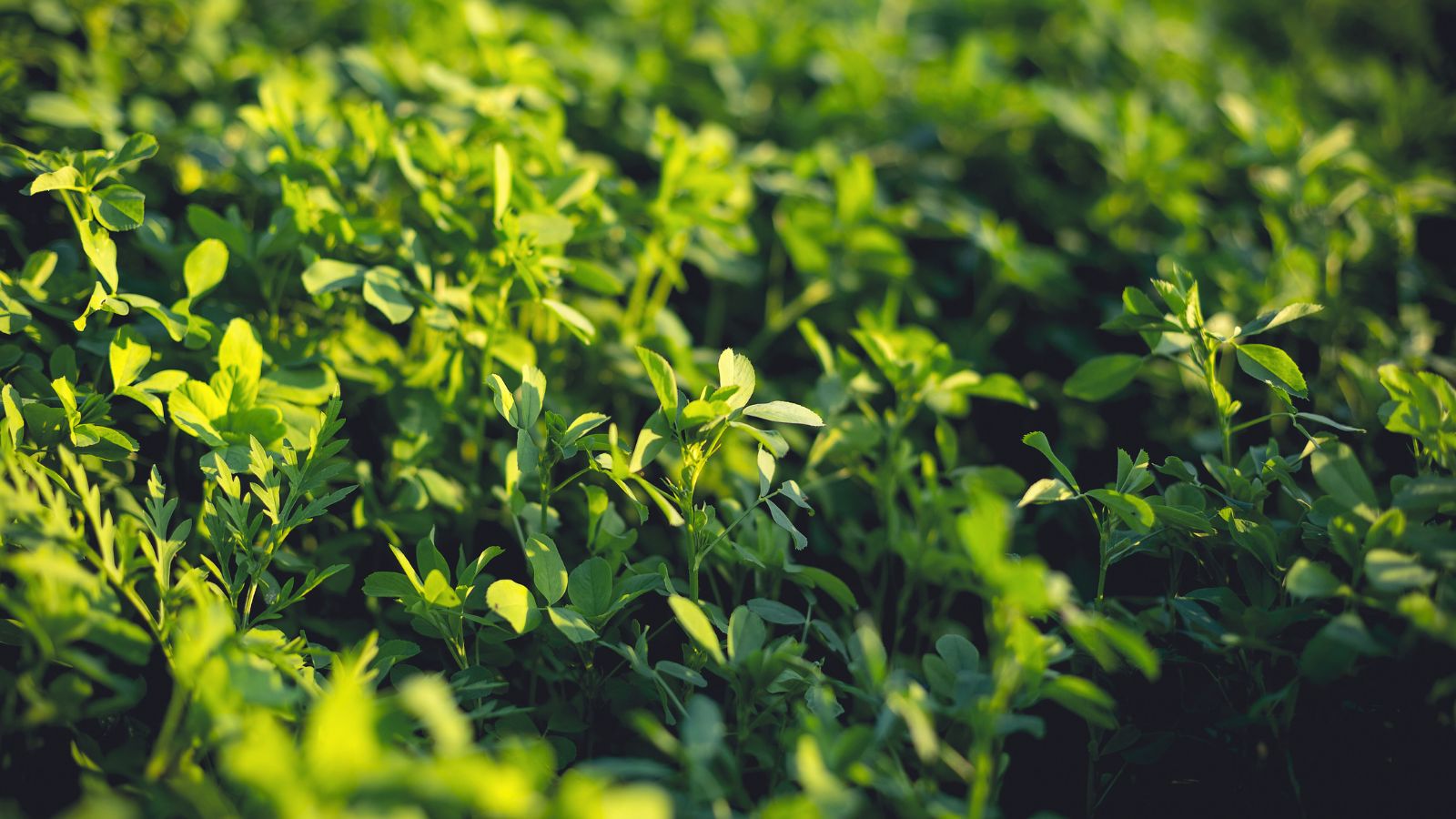
Alfalfa thrives in full sun and soil that drains well without holding excess moisture. Because its roots are adapted to drought-prone conditions, there is no need to add organic matter like mulch to help seeds retain moisture.
Plant alfalfa in well-draining soil, as poorly drained or waterlogged areas can quickly lead to root rot. Neutral soil conditions are ideal for healthy growth and long-term plant performance.
When to Plant Seed
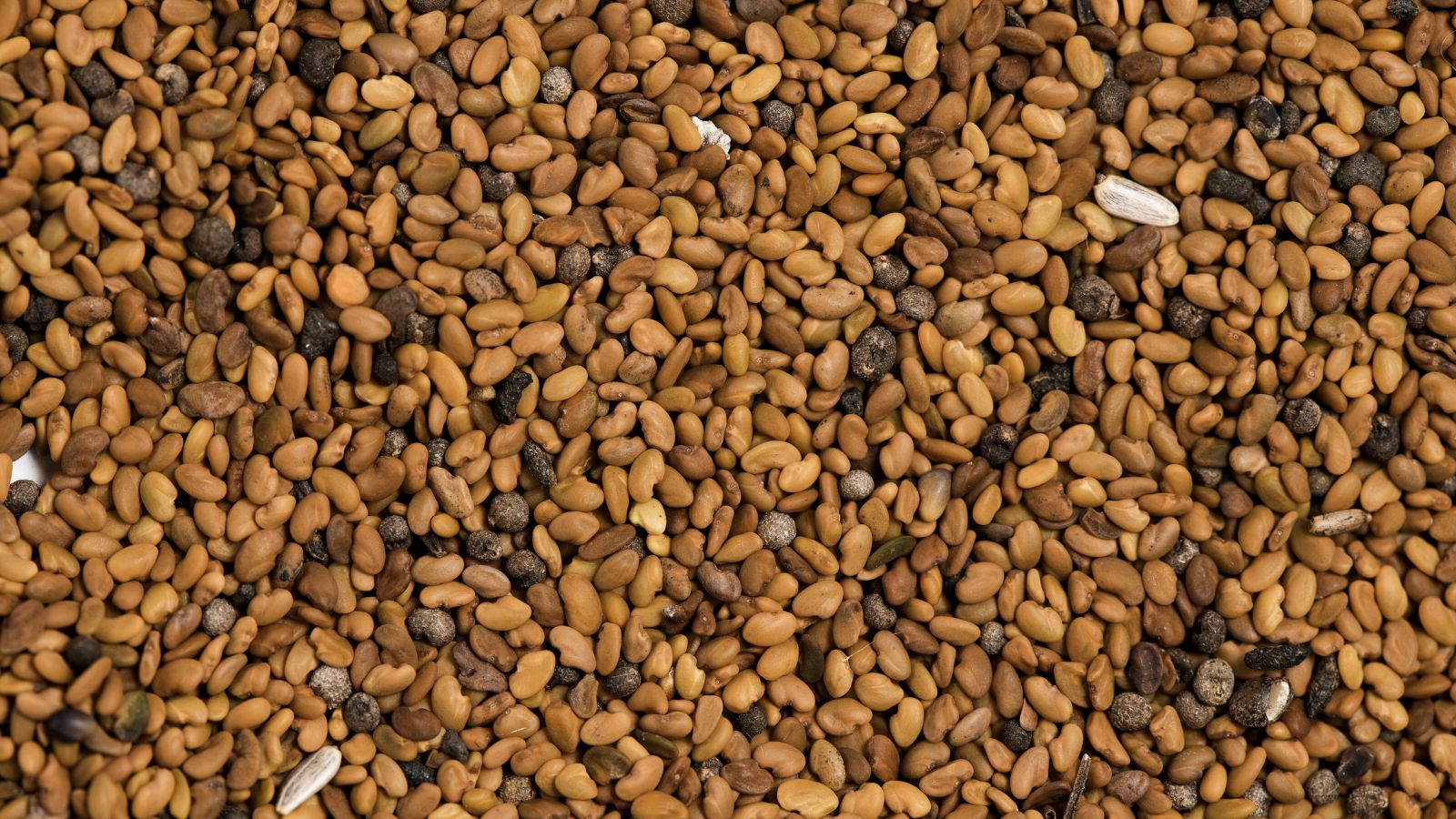
Plant alfalfa seed according to your region to support strong establishment. Provide enough cool weather to keep alfalfa growing well while ensuring temperatures are warm enough for seedlings to establish.
In regions with long, cold winters, plant alfalfa seed in spring. This timing allows seedlings to establish during the temperate spring and summer months, with harvest taking place in fall.
In mild regions, plant seed in fall. Alfalfa can establish through the winter months and will be ready for harvest in spring.
Ways to Orient Your Crop
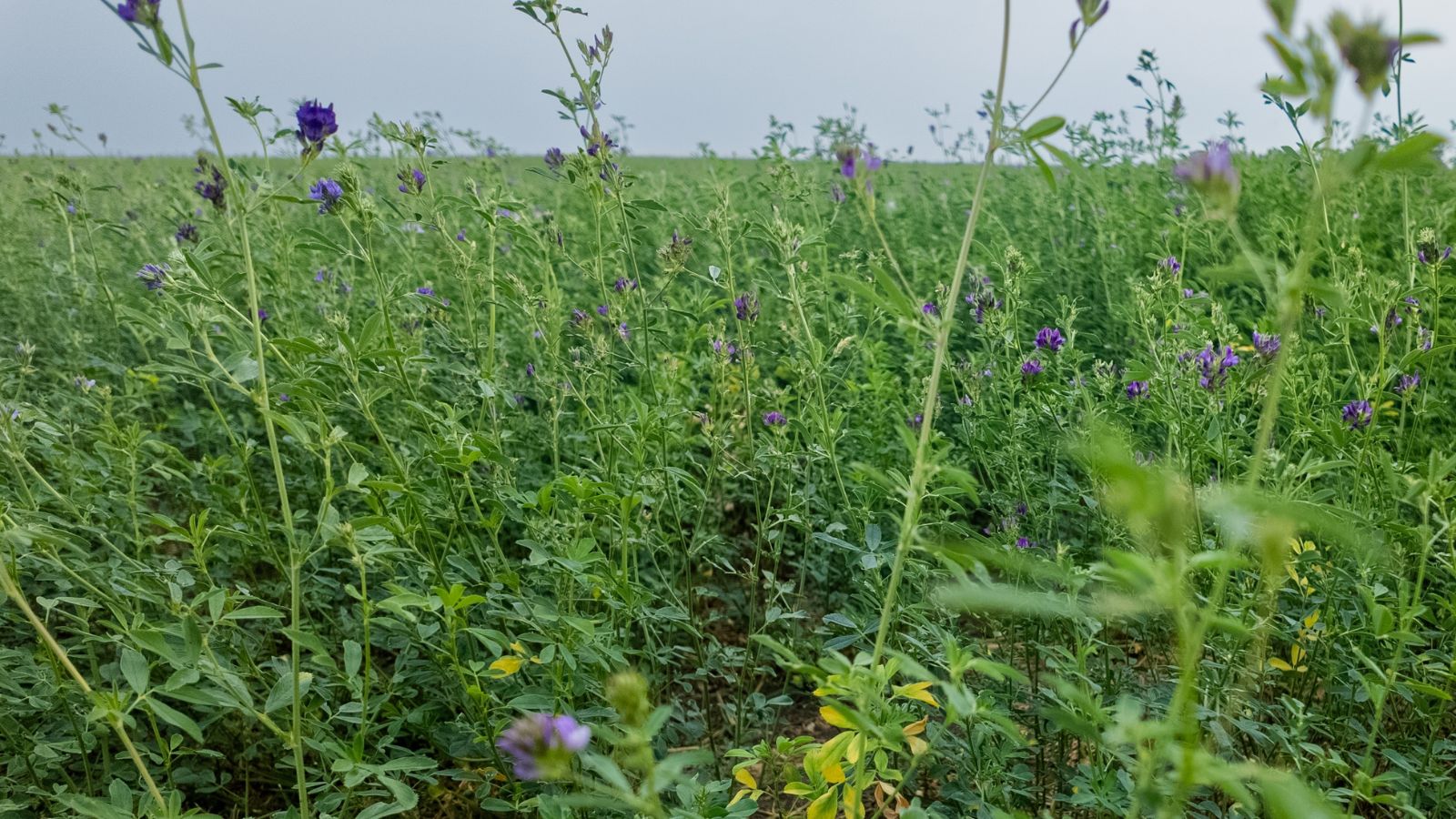
There are several ways to plant this perennial legume in your garden. You can broadcast seed over a large area in spring or fall.
This method works well in raised beds, rows, or larger areas you want to prepare for gardening, forage production, or agriculture.
You can also intercrop alfalfa seed in spring or fall by planting rows between other crops. This approach helps ensure a steady supply of forage and food while also attracting pests away from primary crops, making alfalfa an effective trap crop.
Planting alfalfa in rows improves soil structure in alternating rows for the following season. Space seed rows at least 18 to 24 inches apart for best results.
How to Plant Seed
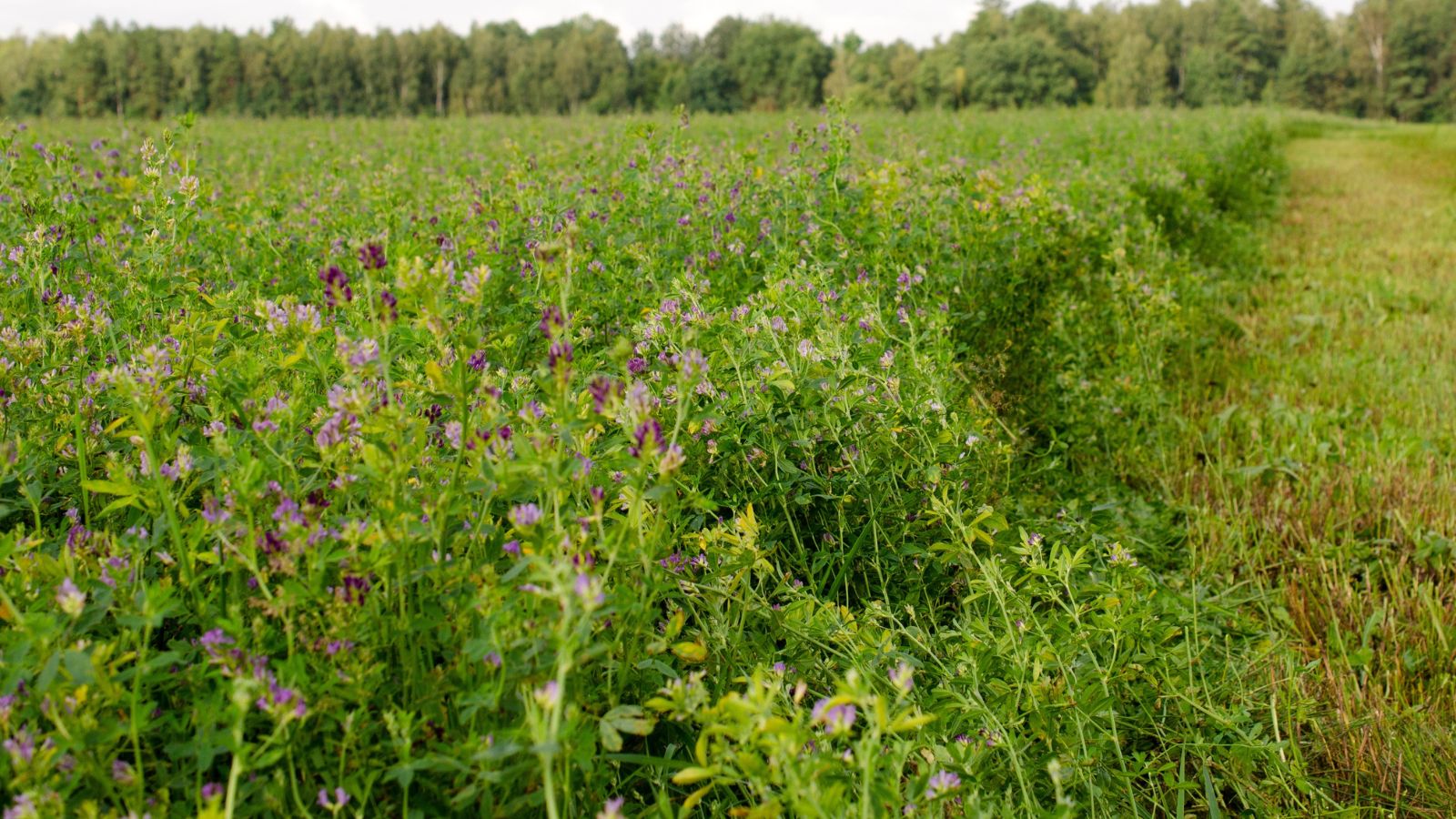
Large-scale farming and agricultural operations require a higher volume of seed. For a perennial crop like alfalfa, the general guideline is 12 to 15 pounds of seed per acre, which supports optimal yield.
Most home gardens occupy about one-quarter of an acre, so adjust your seeding rate based on the actual growing area. In many cases, the planting space covers only a portion of that quarter acre, meaning you may need just a couple of pounds of seed.
To plant, broadcast seed evenly over the prepared area. There is no need to tamp the soil or cover seeds with organic matter. Seeds typically germinate on the soil surface within two weeks. If birds or wildlife frequently consume broadcast seed, apply a thin layer of soil over the surface or lightly rake the seed in. This step can help protect seeds but is not required for successful germination.
Harvest

Once the seed germinates, allow the plants to grow until harvest time.
If you are feeding animals, let the perennial reach the point just before flowering, when nutritional value is highest. Cut the plants, then cure the harvest. Once cured, the material is ready for use as feed.
If you are growing this perennial to improve soil fertility, allow it to flower, then till it into the soil before it sets seed. This process allows nutrients to break down and enrich the soil for the next crop.
For raised bed covers, a chop-and-drop approach works well. Wait until the plants begin to flower, then cut them back and leave the material directly on the soil surface. Tilling is not required. By spring planting time, the bed will be rich in nutrients and ready for planting.
Frequently Asked Questions
Is alfalfa a nitrogen fixer?
Indeed! That’s one of the things it’s mostly used for.
What is the fastest-growing cover crop?
Buckwheat grows fastest of all, at about 4 weeks from seed to flower.
What is the best cover crop for nitrogen?
Any legume will feed nitrogen to soil and fix it very well. Alfalfa is certainly one of the most popular!





