2026 Gardening Trends to Try Now
Garden trends are constantly evolving, reflecting changes in how we think about our outdoor spaces. Gardening expert Madison Moulton explores 9 trends shaping gardens in 2026, from wildlife-friendly choices to bold design statements you can try in your own backyard.


Contents
Every year brings fresh ideas about what our gardens should look like and how they should function. Some trends are reactions to what came before, while others build on ideas that have been gaining momentum for years.
2026 is shaping up to be an interesting mix of both. We’re seeing a continuation of the sustainability movement alongside a return to maximalist design that would have felt out of place just a few years ago. As with everything else, technology is becoming more integrated into everyday gardening, and there’s a growing appreciation for imperfection and natural beauty.
Whether you’re planning a complete garden overhaul or just want to try something new, these 2026 gardening trends offer plenty of inspiration for the year ahead.


Sticking with Native Plants

As evidenced by one of the most influential 2026 gardening trends, it looks like native plants aren’t going anywhere. If anything, the trend is only getting stronger as more gardeners understand the benefits that extend far beyond lower maintenance.
Choosing plants adapted to your region means working with the environment you have, rather than painstakingly trying to change it to suit each new and exotic species. You’ll use less water (since natives are accustomed to local rainfall patterns), avoid the need for soil amendments, and cut back dramatically on pest and disease issues. Native plants establish quickly and thrive without the constant intervention that non-native species often demand.
The wildlife benefits are equally important. Native plants support local pollinators, birds, and beneficial insects that have evolved alongside them. A garden full of natives becomes part of the larger ecosystem (like garden wildlife corridors).
If you’re new to native gardening, start by researching what grows naturally in your area. Local native plant societies are often the best resource. You don’t need to replace everything at once. Adding a few native species each season gradually transforms your space while giving you time to learn what works best.
Helping All Pollinators

The focus on pollinators continues to expand beyond just bees. While bees are certainly important, 2026 gardening trends see gardeners paying more attention to the full range of pollinators that visit our gardens, from butterflies and moths to beetles, wasps, and even flies. I often get surprised looks when I’m excited to spot a wasp, but this is exactly why.
Different pollinators need different things. Native bees often require bare ground or hollow stems for nesting. Butterflies need host plants for their caterpillars, not just nectar sources for adults. Moths are crucial nighttime pollinators that appreciate evening-blooming flowers.
Creating a truly pollinator-friendly garden means thinking beyond a few bee-friendly flowers. Include plants that bloom at different times throughout the season so there’s always food available. Leave some areas a little wild with leaf litter and dead stems where insects can overwinter. Skip the pesticides entirely, even organic ones, since they don’t discriminate between pests and beneficial insects.
The best part about gardening for all pollinators is watching your garden come alive with activity you might have missed before.
Maximalist Gardens

After years of minimalism and restrained planting schemes, maximalist gardens are making a comeback. They bring abundance, color, texture, and a sense of joy that feels refreshing after so much pared-down design.
Maximalist doesn’t have to mean messy or chaotic, though (even though it can, as you’ll see later). Many examples layer plants thoughtfully, combining different heights, textures, and bloom times to create richness in a way that is design-forward. The classic cottage gardens packed with perennials, or overlapping foliage creating depth, are examples of smart ways to create an abundant look.
To pull off this look, start with a strong backbone of larger plants, preferably perennials and staple shrubs. Then fill in with a mix of annuals, perennials, and self-seeders that knit everything together. Don’t be afraid to let plants touch or even intermingle, as long as they have enough room to grow happily.
Jewel Tones

Bright, saturated colors are having their moment, particularly in the jewel tone family. Deep purples, rich burgundies (my personal favorite), emerald greens, and sapphire blues create drama and sophistication that not only hit 2026 gardening trends, but also wider design trends.
These colors work beautifully in the garden because they’re bold enough to make an impact without looking like ‘too much’. Jewel tones pair well with each other and with metallics (which are also trending), creating sophisticated combinations that hold up through the season.
Look for plants like ‘Back to Black’ violas, ‘Black Velvet’ nasturtiums, or ‘Sensation Blend’ cosmos. Even vegetables get in on the trend with options like purple kale or cabbage.
Let jewel tones be the stars. These don’t act as filler colors, so give them space to shine and resist the urge to dilute their impact with too many pastels or whites nearby.
Monochrome Palettes

On the flip side, monochrome gardens are equally popular for those who prefer more uniformity. These gardens stick to variations of a single color, creating a cohesive and calming effect that feels refined.
White gardens remain a classic choice, but we’re seeing more experimentation with other monochrome palettes. All-purple gardens, various shades of pink, or even different tones of green create interest through texture and form rather than contrasting colors.
The challenge with monochrome planting is avoiding monotony. Success comes from varying plant heights, leaf shapes, and bloom times, so there’s always something happening even within the restricted color palette. Include plants with interesting foliage, seed heads, or bark to carry interest through seasons when fewer flowers are blooming.
Monochrome gardens work particularly well in smaller spaces where too many colors can feel chaotic. They also photograph beautifully, which might explain some of their social media popularity.
Fragrant Flowers
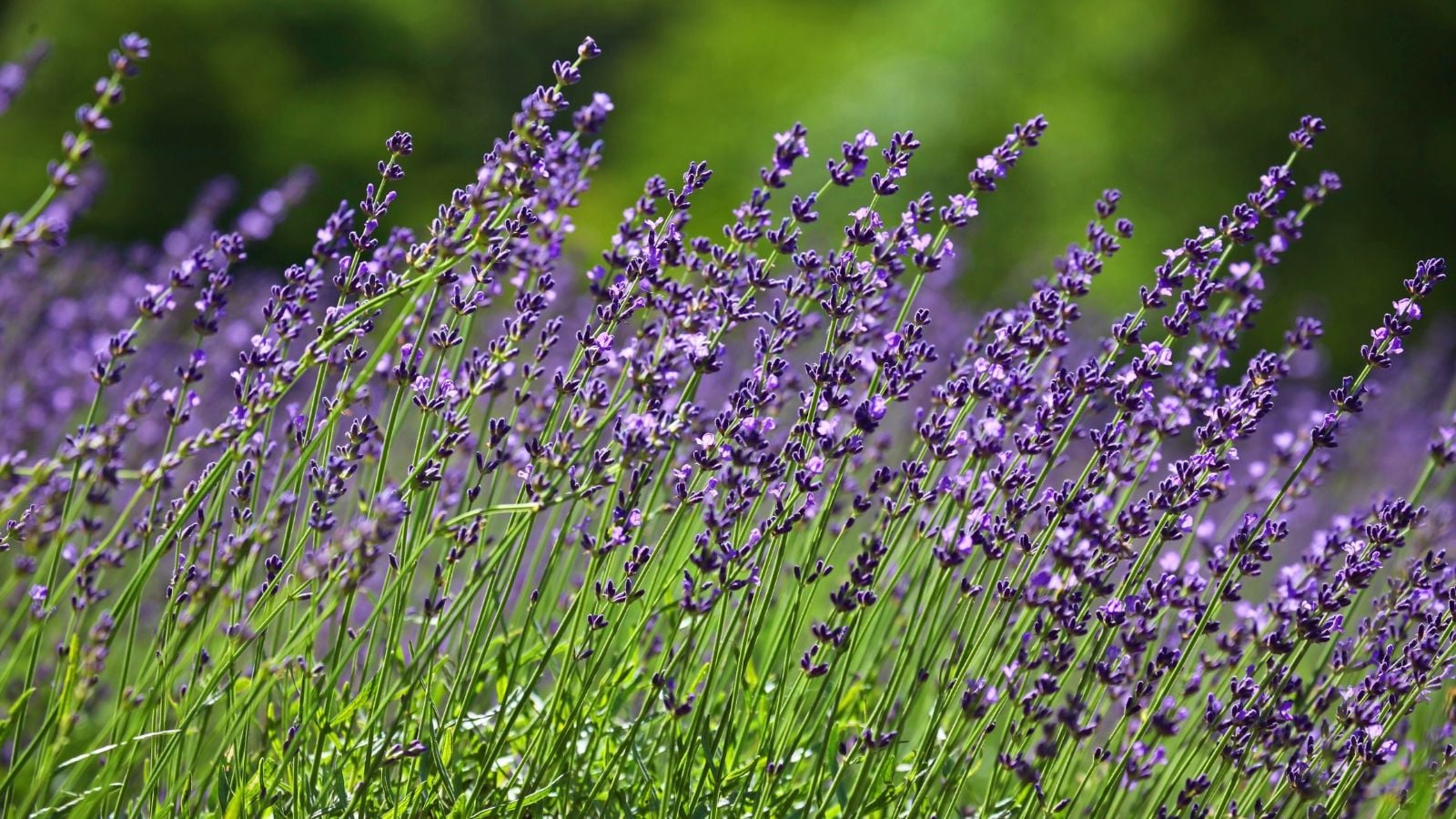
In our screen-heavy lives, gardens are increasingly valued as sensory experiences. As a result, fragrance has become a priority, with gardeners actively seeking out plants that smell as good as they look.
This 2026 gardening trend moves toward layering fragrances throughout the garden so you encounter different scents as you move through the space, creating a complete sensory experience. Some of my favorite fragrant plants that deliver on scent without being overpowering include jasmine, sweet alyssum, and the classic lavender. Don’t overlook herbs either. Rosemary, thyme, and oregano all offer wonderful scent with the bonus of being useful in the kitchen.
When planning for fragrance, consider bloom times to ensure you have something fragrant throughout the growing season. Also think about placement and save the most fragrant plants for areas where you’ll actually be close enough to enjoy them.
Tech in the Garden

Technology and gardening might seem like an odd pairing, but smart garden tech is becoming more accessible and genuinely useful.
Soil sensors that monitor moisture levels and send alerts to your phone help prevent over- or underwatering. Smart irrigation systems adjust based on weather forecasts, saving water and money. There are even apps that can identify plants and diagnose problems from photos, acting like a gardening expert in your pocket. This frees you up to focus on the parts of gardening that actually require human judgment and creativity.
You don’t need to go all-in on smart garden gadgets to benefit from this trend. Even something as simple as using a garden planning app or keeping digital records of what you planted where can improve your results over time.
Sustainable Crops

The trend toward sustainability continues to influence what we grow, not just how we grow it. Gardeners are increasingly choosing crops based on their resource efficiency, climate adaptability, and ability to produce abundantly without excessive inputs.
This means reconsidering some water-hungry favorites in favor of more drought-tolerant options. Beans, squash, and peppers generally use less water than tomatoes or cucumbers. Perennial vegetables like asparagus, rhubarb, and artichokes produce year after year without the need for replanting.
There’s also growing interest in crops that actually improve soil rather than depleting it. Legumes fix nitrogen, making them valuable additions to any rotation. Cover crops between seasons build organic matter and prevent erosion.
Another aspect of sustainable crop selection is choosing varieties that are adapted to your local climate rather than fighting to grow things that want different conditions. If you’re in a short-season area, focus on crops that mature quickly rather than trying to nurse along plants that need long, hot summers.
The most sustainable crop choices are often the ones that grow easily in your specific garden with minimal intervention. Pay attention to what thrives naturally and do more of that.
Messy Gardens

Perfectly manicured gardens are giving way to a more relaxed, naturalistic aesthetic in 2026 gardening trends. The messy garden trend embraces imperfection, seasonal change, and the beauty of plants doing their own thing without constant intervention.
This doesn’t mean neglected. Messy gardens are thoughtfully planned to look more natural, with self-seeders allowed to pop up in unexpected places, seed heads left standing through winter, and a general sense that nature is allowed to participate in the design process.
The practical benefits are significant. Leaving seed heads and plant debris provides food and habitat for wildlife through winter. Allowing plants to self-seed fills gaps and creates happy accidents you wouldn’t have planned. There’s less work involved too, since you’re not deadheading everything or cutting back the moment something looks slightly past its prime.
If a truly messy garden feels too unstructured, you can split the difference by keeping some areas tidy (near the house or along main pathways) while letting other zones be more relaxed. This creates visual interest while still giving you that naturalistic feel.