

Contents
Most of the time we talk about plants that you can grow and eat…
But what about plants that grow by eating animals and insects?
Enter carnivorous plants, a fascinating type of plant that gets most of its nutrition by preying on other living creatures!
Here are 18+ things you didn’t know about carnivorous plants.
Most of us know carnivorous plants from movies. They’ve been in a ton of movies over the years, but the most memorable is probably The Little Shop of Horrors . Carnivorous plants have also been featured in Jumanji, Journey to the Center of the Earth, Invasion of the Body Snatches, and many more movies.
Slat 22” Square Box Planter

Elevate your gardening experience with this cutting-edge planter box featuring a sleek slatted design inspired by classic wooden planters. Unlike traditional designs, this planter boasts a spacious single-compartment layout, enhanced with the latest TruDrop self-watering technology for unparalleled innovation.
Discover the perfect blend of timeless aesthetics and modern functionality in this state-of-the-art self-watering planter box. Versatile for both indoor and outdoor use.
Buy at Epic Gardening Shop
18. There are over 750 species of carnivorous plants around the world.

Carnivorous plants are found all across the world, on every continent (except Antarctica). If you’re like me, you probably assumed that they only grew in damp swamps and jungles, but you’d be wrong! North America actually has the highest number of different species, including some of the most “famous” varieties:
- Venus Fly Traps
- Pitcher Plants
- Sundews
- Butterworts
- Bladderworts
- And many more….
17. Venus Fly Traps use a “snap trap” to capture their prey.

The Venus Fly Trap is the iconic carnivorous plant for most people. Its leaves are divided in half, with spikes on the end to help the create a seal. When a fly, ant, or other bug makes its way in between the leaves, they snap shut in under a single second. They end up catching a lot of spiders as well, because spiders are lured by the other dead insects. Talk about a two for one!
16. Pitcher plants use a “pitfall trap” to collect their food.

The simplicity of the mechanism behind pitcher plants points to how carnivorous plants evolved in the first place.
It’s pretty simple: their leaves are hollow and filled with water and digestive acids. Any insects or prey that fall in drown to death and are slowly digested over time. Some of these have waxy leaves to help bugs fall in easier, while others have chemicals that decrease the surface tension of the water. Any bug that falls in will instantly sink and drown.
The largest pitcher plants can eat rats!
15. Some plants use “active sticky traps” to trap insects.

Sundews have tentacles all over their leaves that adhere to insects that land on them. As soon as an insect lands on it, its movement will trigger other tentacles to close up around it, suffocating it to death. The plant then digests the bug slowly over time.
14. Others use “passive sticky traps.”
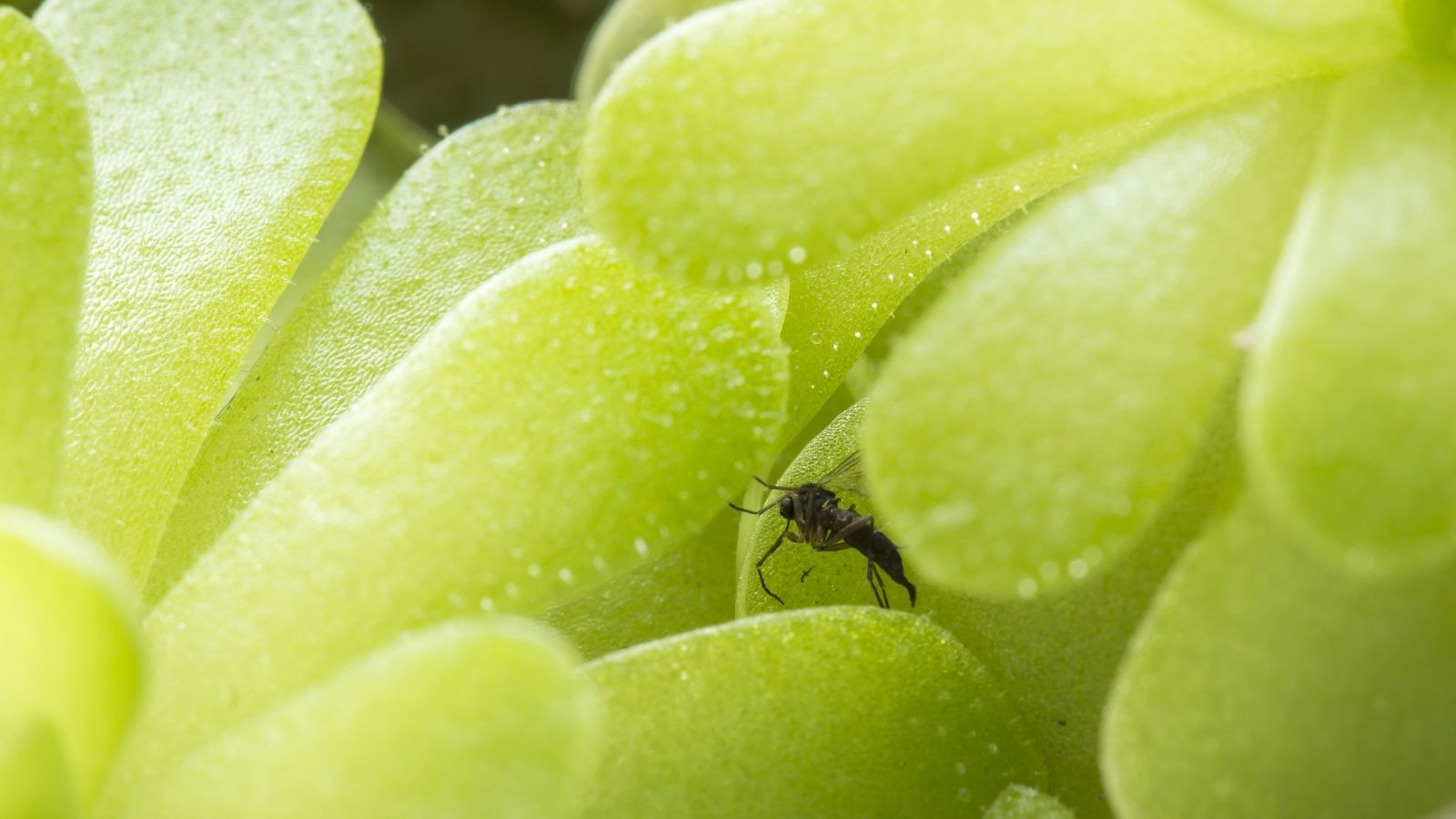
Other plants have sticky traps as well, but they aren’t actively triggered. They’re more like the sticky mouse traps you put in your garage. When an insect lands on plants with these tiny, sticky tentacles, they just get stuck. The plant then sends out digestive acids to liquefy the insect and digest it.
The most common plant that uses the passive sticky trap method is the butterwort.
13. “Suction traps” are absolutely amazing to watch.
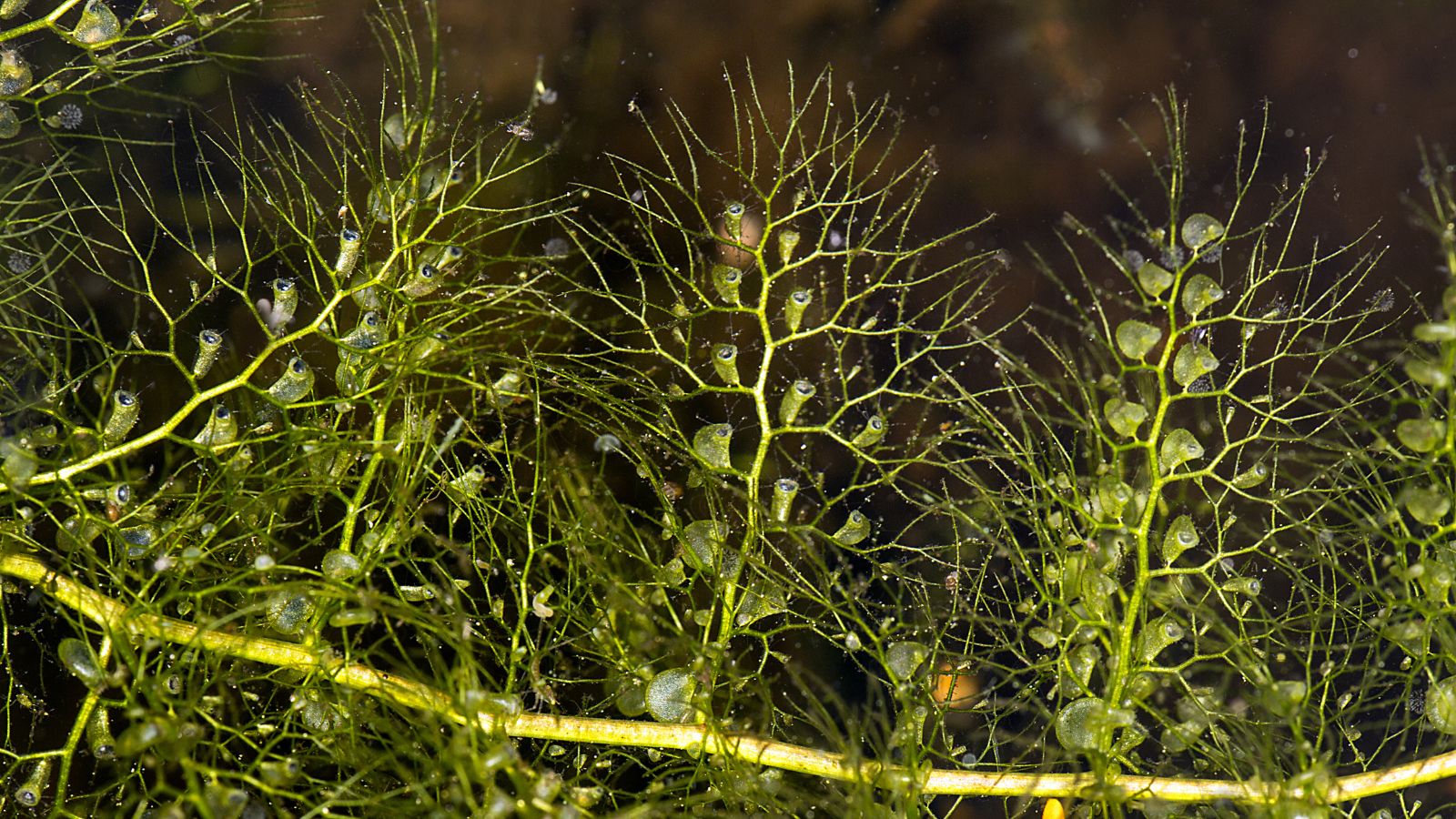
This is probably the coolest type of trap. Suction traps are seen on bladderworts and are absolutely amazing to watch in action. They suck in bugs and other prey in microseconds (literally faster than you can blink twice). Their favorite food are the larva of mosquitoes, but the biggest suction traps can capture small tadpoles by the tail and eat them from the bottom to the top.
12. The “lobster pot” trap captures prey underground!
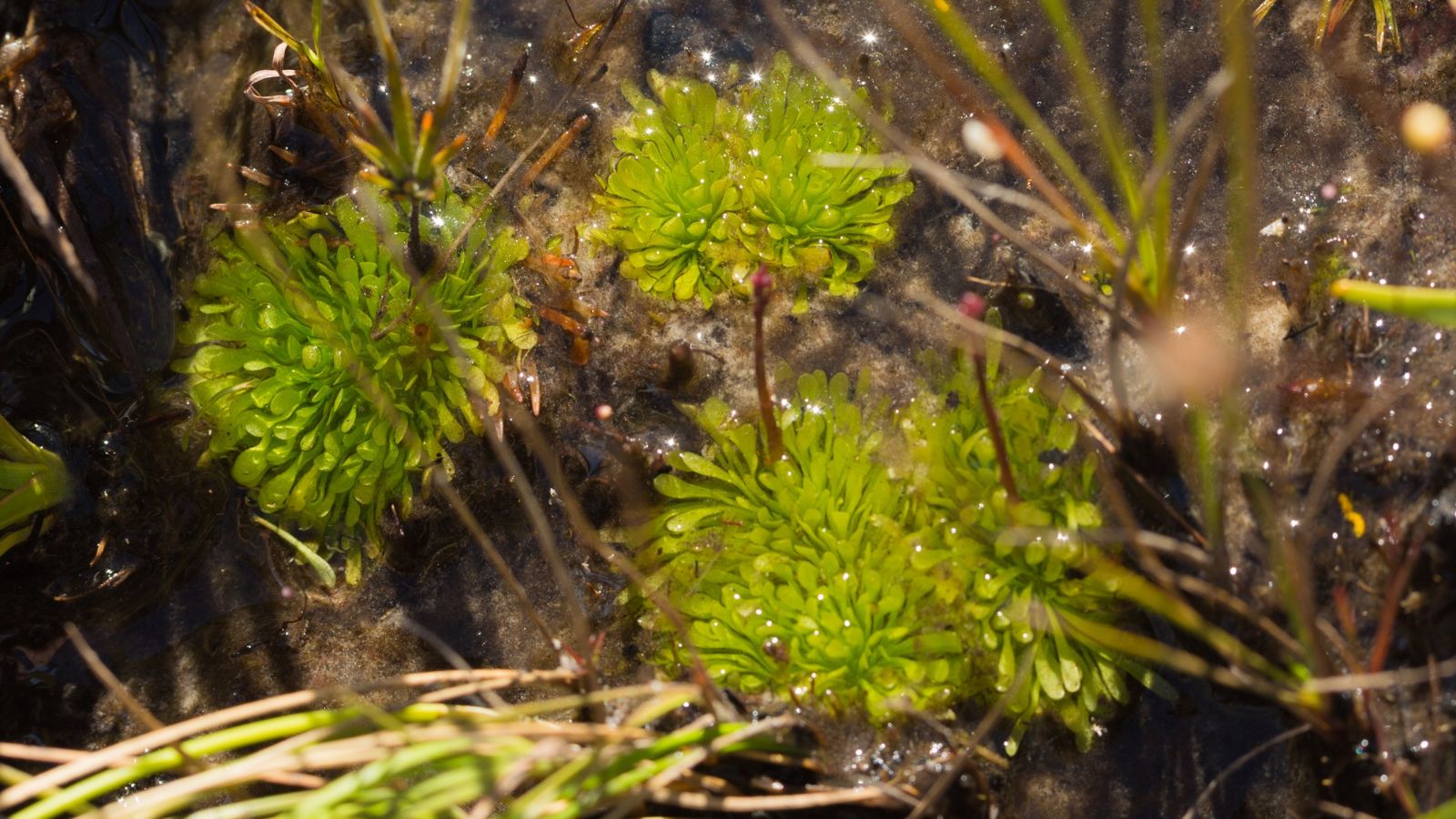
This is probably the most unique trap on the list. Called the “lobster pot trap” because of how it resembles fishing for those delicious crustaceans, this plant’s roots are hollow with little openings along the length of them. Tiny bugs and larvae will crawl into the roots and are forced along the inside of them by sharp hairs that are positioned in the direction of the “stomach” of the plant (so the bugs can’t turn around).
11. New species of carnivorous plants are being discovered.
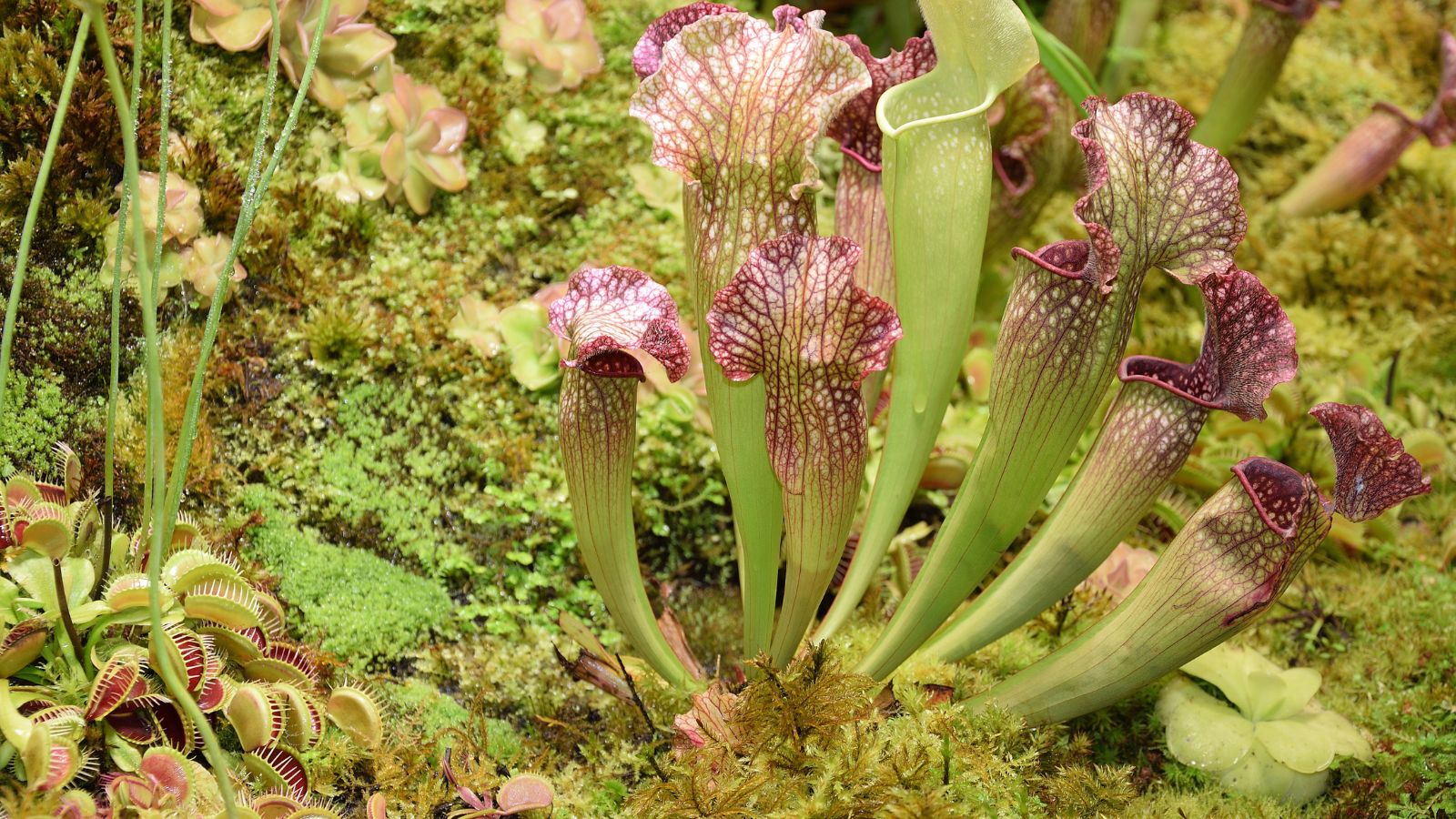
There are new species of carnivorous plants being discovered all of the time. In fact, a bromeliad species was recently discovered that is in the middle of an evolutionary process to “become carnivorous.” Scientists are saying this because the leaves are wax-coated and encourage bugs to fall off of them into their water-filled pitchers (similar to pitcher plants).
Whether it’s by discovering new carnivorous species that already exist, or seeing plants evolve to become carnivorous, these types of plants aren’t going anywhere anytime soon.
10. Carnivorous plants wouldn’t be able to eat you if they tried.

Contrary to popular belief, carnivorous plants can’t harm humans. For example, a pitcher plant would take weeks to even begin breaking down the tip of your finger. But because you’re still alive and well, your body would be healing itself faster than the plant could break it down. They work because the insects they are digesting are small and dead – so don’t worry!
9. In fact, some carnivorous plants don’t even use digestive enzymes.

Plants don’t even need digestive enzymes to be considered carnivorous. Some of them partner up with beneficial bacteria and focus their growing energy on physical traps instead.
8. Most carnivorous plants are found in areas with low soil nutrition.
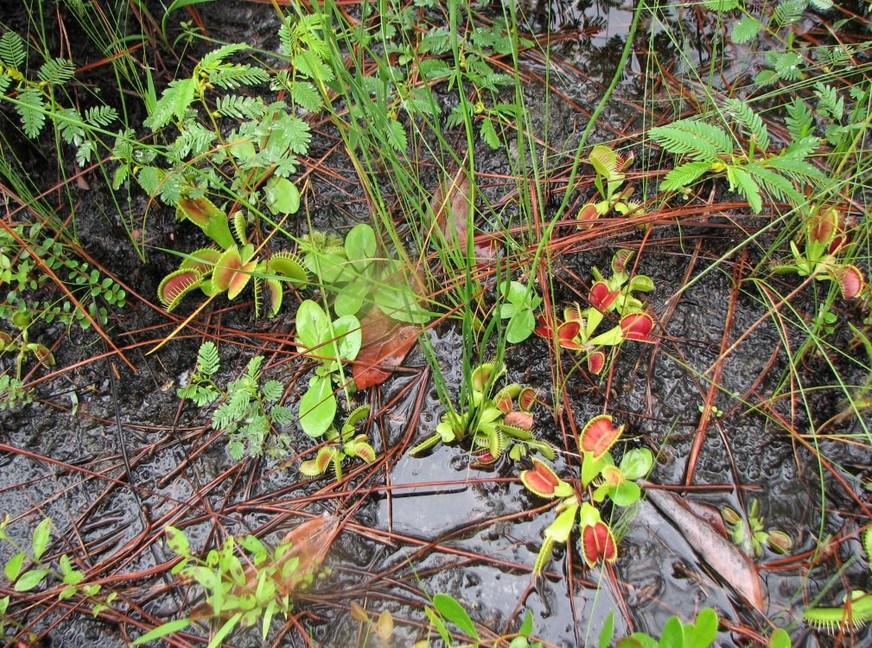

Although there are carnivorous plants in other climates, most are found in swamps, bogs, marshes, or other wet and soggy areas. In these areas, there isn’t much nutrition in the soil, which may be the reason they are adapted to get nutrition from insects and other living creatures.
Where do carnivorous plants live? Carnivorous plants are carnivorous because of the environment they grow in. Almost all come from swamps/wetlands/marshes/bogs, etc. The ground is wet and low in nutrients. Some grow in water and a few in deserts.
7. There are carnivorous plants underwater.
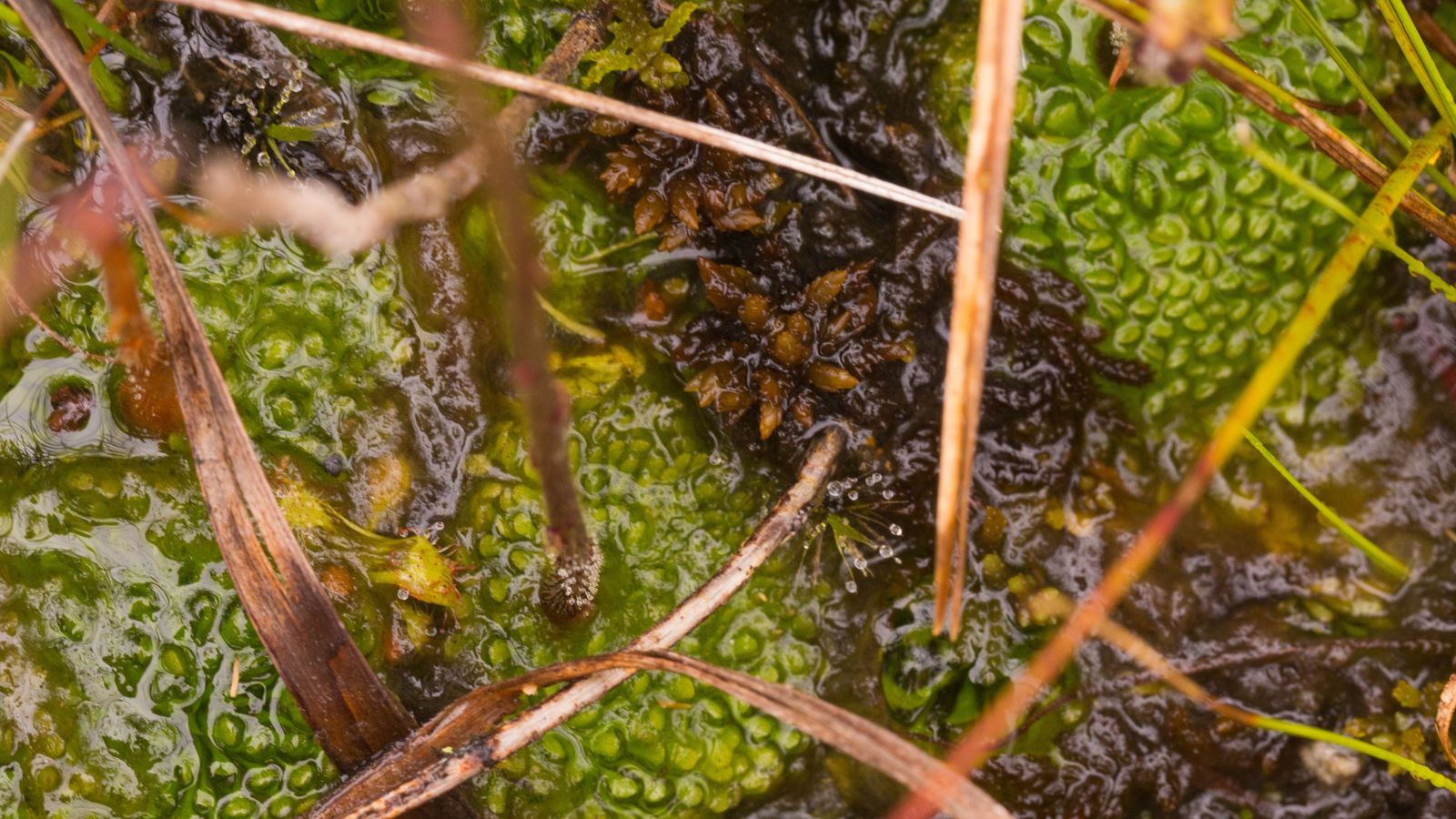
Not many carnivorous plants exist underwater, but there is one that is quite famous: the Waterwheel Plant or Aldrovanda. These bad boys eat mosquito larvae and are basically underwater Venus Fly Traps.
Underwater carnivorous plants? Yes, there are a few that grow underwater, namely the Waterwheel Plant (Aldrovanda) and the bladderworts. Their main prey is mosquito larvae. While the bladderworts rely on suction traps, the Waterwheel plant is a snap trap like the Venus Fly Trap.
6. There are carnivorous plants in deserts.

There are a few carnivorous plants that exist in dry, arid areas. One such plant is the Drosophyllum, found in Morocco and Spain. The soil is nutrient-poor, so it is adapted to kill and capture bugs with sticky traps. Drosophyllum can trap insects as large as bees!
5. You should purchase a greenhouse if you want to grow carnivorous plants.

If you are going to keep and cultivate carnivorous plants, you should recognize that they come from all around the world and require specific climates to thrive. The best way to do this is with a greenhouse. If you are just starting out, you probably don’t need one though – you can simply get a species that isn’t too picky about its climate.
4. If you can’t get a greenhouse, at least use a terrarium.

If you want to get into growing and caring for carnivorous plants, you could consider a terrarium if you don’t have enough money for a greenhouse but want to grow a plant that has specific climate requirements. With a good terrarium, you can control humidity, soil, temperature, water, and everything else they need to survive.
3. Do NOT take carnivorous plants from the wild.

If you’re lucky enough to encounter carnivorous plants out on a walk in the wild, do not take them. It’s tempting, but people taking these plants from their habitats are the reason why so many of them are on the endangered species list these days.
The most famous carnivorous plant, the Venus Fly Trap, may actually become extinct because plant poachers are trying to take advantage of its popularity and taking it from its natural habitat.
2. Instead, buy them from reputable nurseries or online stores.

Instead of taking wild plants, just buy them from nurseries, greenhouses, or online stores. You can even get some at your local hardware store if you are just starting out.
Here are some other stores:
- http://www.californiacarnivores.com/
- http://www.bugbitingplants.com/
- http://www.growcarnivorousplants.com/
1. The coolest, scariest, and most dangerous carnivorous plant is…

Just kidding – none of these are dangerous! But this variety of pitcher plant, the Nepenthes villosa, looks absolutely terrifying. Don’t get nightmares!





